
Key Takeaways
- The DAC version doses once a week, so you can’t fine-tune mid-cycle. Pre-dose bloodwork is basically your only control lever.
- One trial in healthy adults logged a 94% adverse event rate, and yet not a single serious reaction across the whole study group.
- Three side effects show up predictably: water retention (~12%), tingling in the hands and feet (~8%), and a temporary blood sugar bump (~5%).
- IGF-1 stays elevated for 9 to 11 days after one dose. Your monitoring window runs well past injection day.
- Under 2 mg a week tends to produce mild, trackable signals. Push higher and the side effects cluster harder.
- A continuous glucose monitor is your best early-warning tool for the temporary insulin resistance that higher GH levels can trigger.
- Tingling in the hands and feet, usually showing up one to three days after the shot, is the complaint people gripe about most.
Quick Summary
The side effects come in three flavors: fluid shifts, numb extremities, and blood sugar that runs a little high. None of them are severe. The catch isn’t intensity, it’s duration. The DAC formulation stays active for days, so once you’ve injected, you can’t just dial the dose down. You manage what comes up through food, hydration, and behavior instead.
That’s why tracking matters here more than usual. The clinical data is reassuring on one point: mild reactions are almost universal, but they don’t tip over into serious health risks, even through that long stretch of elevated growth hormone after a single shot. Watch your biomarkers and you can stay ahead of your own response.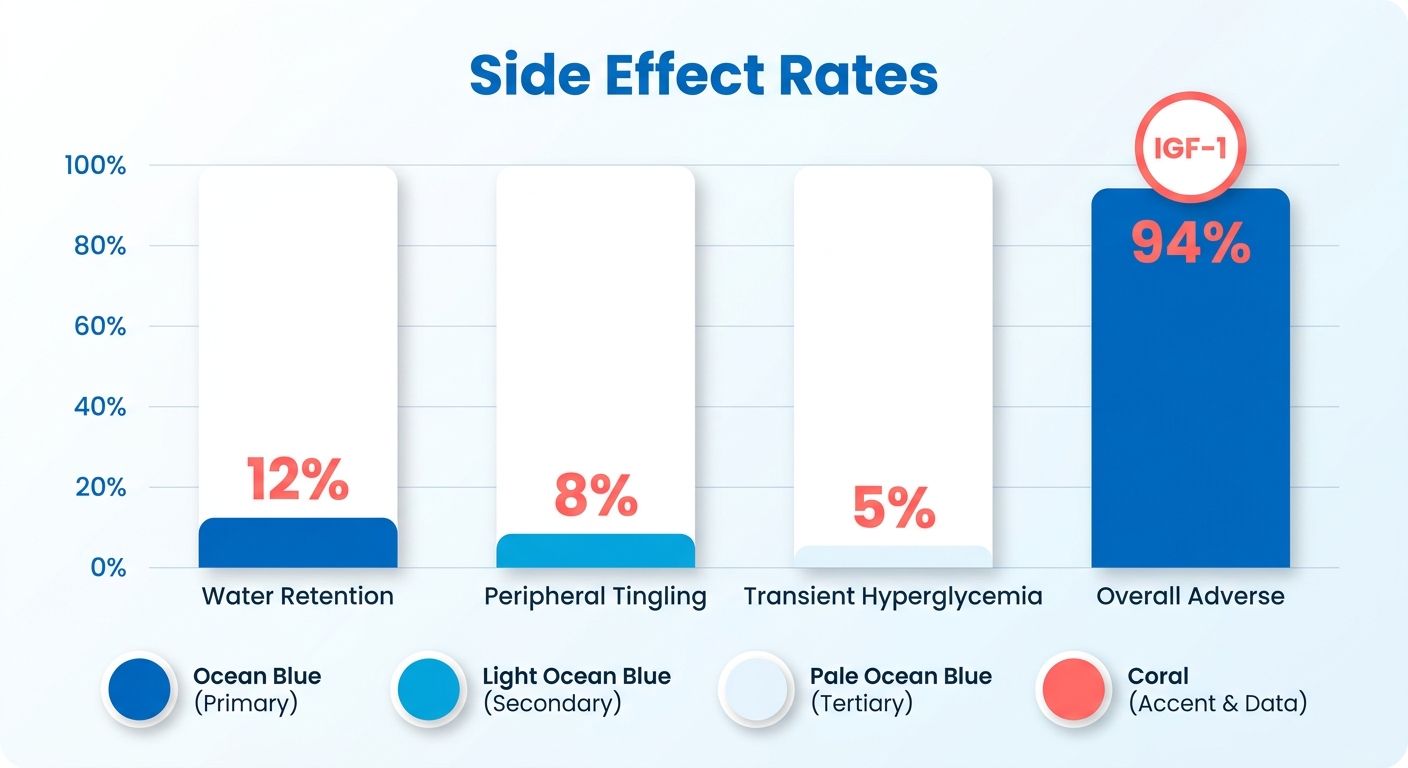
The three main side effects and when they hit
Each one has a rough onset and duration you can watch for.
- Water retention (onset hours to 2 days). Track weight and morning puffiness. Elevated GH drives fast fluid shifts, so hydration tracking earns its keep before you see visible swelling in the hands and feet.
- Peripheral tingling (onset 1-3 days). Numb hands and feet. Medically minor, but genuinely annoying. Log when it happens so you can map it against peak compound activity.
- Transient hyperglycemia (onset within hours, lingering across the active cycle). Growth hormone nudges insulin sensitivity down. A blood sugar tracker gives you early warning on these metabolic shifts.
Which dose and which person carries more risk
Side effect frequency tracks weekly volume pretty closely. At lower clinical doses, the signals stay mild and easy to handle. Push the weekly amount up and fluid retention and metabolic swings get more likely. Your baseline health matters too:
- Athletes (low-medium risk). Physical tolerance is usually high, but both CJC-1295 and the DAC variant are banned under WADA. Not an option for drug-tested competitors.
- Older adults (medium risk). More prone to joint stiffness and fluid buildup, so watch physical changes more closely day to day.
- Diabetics or pre-diabetics (high risk). Growth hormone shifts insulin sensitivity directly, so continuous metabolic tracking isn’t optional for this group.
The weekly monitoring checklist
At BiohackNow we build protocols around systematic biomarker tracking, with a focus on metabolic markers and organ function. Since the compound stays active for days, management is mostly about lifestyle adjustments made ahead of time:
- Go easy on sodium on injection day to blunt acute fluid retention before it piles up.
- Add magnesium to support peripheral nerve function and help with glucose metabolism.
- Check blood sugar twice a day across the whole active cycle, not just on injection day.
- Watch morning weight trends to catch fast fluid shifts early.
- Pause the protocol if fasting glucose keeps drifting up from your baseline.
One clinical distinction worth flagging: the DAC formulation doesn’t have much human trial data, and it isn’t approved by major regulators. If you want established clinical evidence behind your compound, other GH secretagogues like Tesamorelin have a better-documented safety profile and actual regulatory approval for specific indications.
Why these side effects are worth your attention
These matter because of how long the compound sticks around. With a 6-8 day half-life, the peptide keeps stimulating receptors continuously. So any response, fluid retention included, holds steady instead of clearing fast. That changes the whole game: you can’t react and adjust the dose, you manage proactively over days.
The clinical data backs this up. Mild, transient reactions are very common because growth hormone stays elevated, but they don’t progress to serious complications. Since the physiological push is continuous, tracking biomarkers lets you stay safe without interrupting the protocol every time something twinges.
Why water retention and tingling get in the way of your goals
They aren’t dangerous, but they can muddy your read on progress and make daily life less comfortable. Excess fluid inflates the scale, which masks real body composition changes and puts extra load on the vascular system. Tingling in the extremities can interfere with daily activities and needs watching, especially in anyone prone to nerve compression.
The mechanism is the growth hormone axis, which regulates fluid balance and affects peripheral nerve sensitivity. Keep that axis switched on and fluid can pool around nerve pathways, which is what produces those temporary sensory changes.
- Track morning weight and hydration over time instead of reacting to daily noise. A sudden 2-3 lb overnight jump almost always means fluid, not tissue.
- Log any sensory changes against your dosing schedule to see how they line up with the active cycle.
- Watch persistent numbness closely, especially with pre-existing metabolic or nerve issues, and skip use entirely if you already have baseline neuropathy.
How glucose swings can quietly undo longevity gains
Elevated growth hormone can cut insulin sensitivity, which slowly nudges blood sugar up, the opposite of what a metabolic optimization protocol is going for. Unmonitored shifts in glucose tolerance can quietly offset the cellular benefits you’re chasing, which is exactly why metabolic tracking earns priority.
The long-acting nature of the peptide isn’t only a limitation here. Continuous metabolic tracking lets you time your interventions well. Watching blood sugar trends across the extended active window means you can adjust diet, fasting windows, and activity to push back against insulin resistance.
- Run continuous metabolic tracking across the whole cycle to capture how daily activity moves the needle.
- Set a personal glucose threshold and adjust carb intake or timing if readings start trending up.
The regulatory and cost reality
CJC-1295 is not FDA-approved and sits on the FDA’s list of bulk drug substances barred from compounded medications. Translation: there are no standardized, manufacturer-provided monitoring guidelines. Safety protocols fall entirely on you and your supervising clinician.
Proactive management also makes financial sense. Unchecked side effects mean interrupted cycles, extra clinical consults, and compromised performance. A structured, data-driven protocol catches subtle physiological changes before they derail your progress. For more on building peptide protocols around real data, see our longevity blog.
Managing tingling and peripheral sensations
The sensory changes here usually come from temporary nerve compression, not structural damage. It shows up as mild pins-and-needles or localized numbness in the hands and feet, typically in the first week of a cycle. The driver is growth-hormone-induced fluid retention, which raises pressure inside narrow anatomical pathways like the carpal tunnel and briefly alters nerve conduction.
Because the compound hangs around thanks to its strong albumin-binding profile, these signals can persist across the active cycle. Rather than reaching for the dosing schedule mid-cycle, aim to reduce localized tissue pressure and support nerve resilience.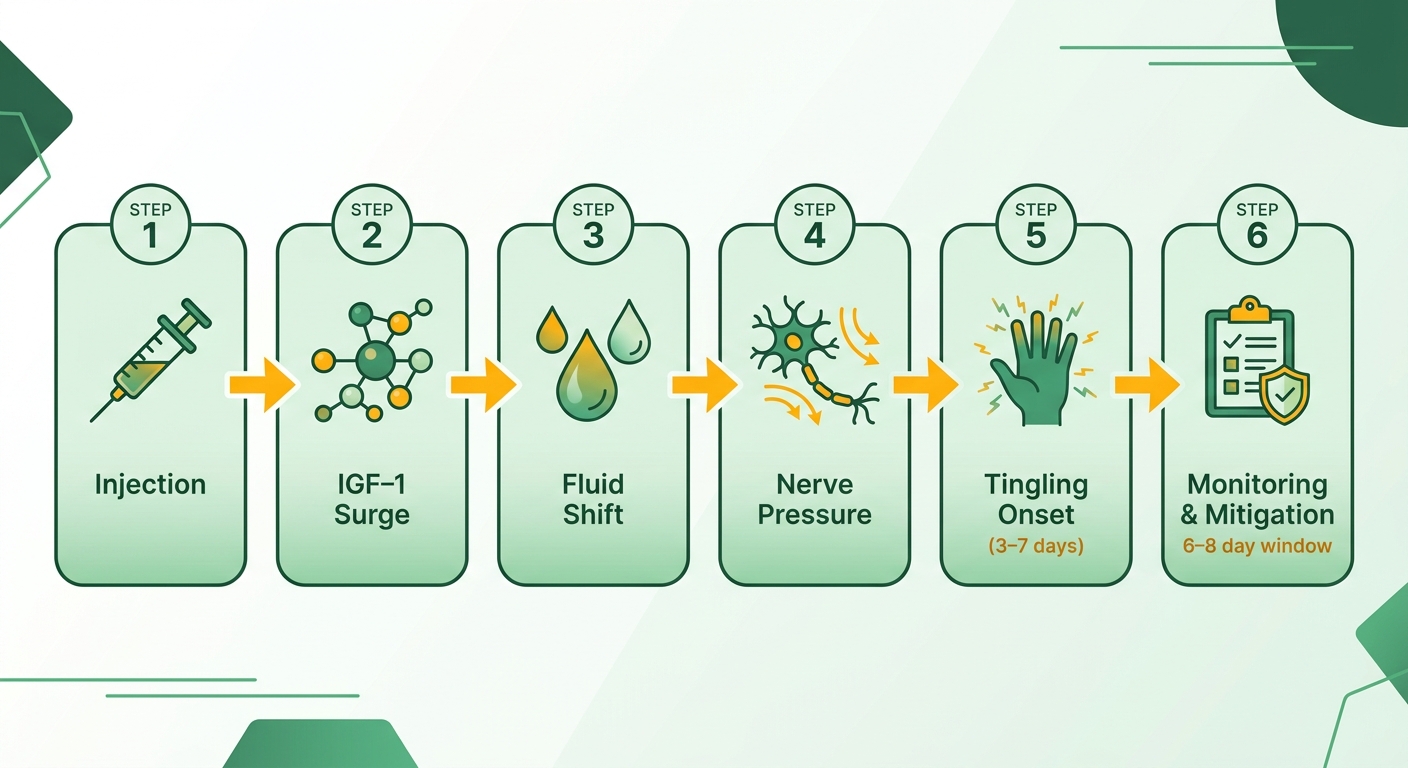
How to tell CJC tingling from real neuropathy
Telling peptide-induced tingling from an underlying neurological problem matters for an accurate read. Peptide-related tingling is usually bilateral, tracks with fluid retention, and rises and falls with the compound’s active cycle. Neuropathies from nutritional gaps like B12 deficiency, or from mechanical issues like repetitive strain, don’t care about your dosing schedule.
Dose plays a big role. Sensory symptoms are far more common at higher ranges, so if the tingling lines up with a dose increase, the peptide is your prime suspect. If mild tingling shows up at very low doses or predates the cycle, check nutritional and metabolic baselines first.
- Check B12 and mineral levels to rule out deficiencies that mimic the same sensory pattern.
- Line up symptom intensity with dosing dates to see if the sensation follows the expected pharmacokinetic curve.
- Notice whether it’s symmetrical. Unilateral tingling usually points to localized mechanical compression, not systemic fluid shifts.
What actually reduces the tingling
Targeted physical and nutritional moves can take a real bite out of these symptoms. Since the compound’s activity is continuous, the play is optimizing nerve conduction and easing physical pressure on nerve pathways. Address fluid dynamics and mechanical strain together and you get the best relief.
- Magnesium glycinate (300 mg nightly) to support nerve transmission and muscle relaxation.
- Fix your workspace ergonomics by keeping joints neutral, which cuts the cumulative strain that compounds fluid-related pressure.
- Do gentle nerve-gliding movements for the arms and legs to keep mobility and reduce localized irritation.
- Watch hydration closely to manage fluid balance before swelling peaks mid-cycle.
When tingling should trigger a medical review
Mild, transient sensations are common. Anything that moves past minor discomfort needs a professional look.
- Rate sensory symptoms weekly on a 1-10 scale to catch any upward trend.
- Note persistent moderate symptoms that don’t respond to hydration and mineral tweaks, which can point to another cause.
- Get medical advice right away if sensory changes come with muscle weakness or spread beyond the extremities. Motor involvement needs a formal clinical workup.
BiohackNow’s wellness consultations give you structured oversight, keeping your protocol lined up with your biomarker data. If you hit any atypical neurological symptoms, stop use and see a healthcare professional immediately.
Glucose monitoring and metabolic implications
The relationship between this peptide and glucose is about subtle, predictable shifts, not acute spikes. As growth hormone climbs after injection, the follow-on rise in insulin-like growth factor 1 (IGF-1) can briefly cut insulin sensitivity. For most people, that reads as a small, manageable bump in fasting blood sugar during peak active periods.
The clinical literature, including a meta-analysis of seven trials, noted a modest average rise of 0.4 mmol/L in fasting glucose by week four of exposure. Minor for healthy individuals. More meaningful for anyone with pre-existing metabolic challenges. Continuous glucose monitoring catches these gradual trends early, giving you the data to make timely diet and lifestyle adjustments.
How these side effects show up in your glucose data
To catch the full metabolic picture of a long-acting peptide, your tracking has to span the entire active cycle, not just the days right after the shot.
- Set a baseline fasting glucose before you start, so you have a personal reference point.
- Check fasting glucose twice weekly during the first month, watching the mid-week stretch when metabolic shifts run strongest.
- Move to weekly checks after the first month if readings hold steady, which confirms your tolerance to the protocol.
- Correlate glucose readings with your dosing schedule to spot recurring patterns over time.
Target ranges and adjunct strategies
Good blood sugar management needs clear targets and proactive diet moves. If your baseline metabolism is normal, keeping fasting glucose in optimal range is the goal. If you’ve got pre-existing sensitivities, you’ll want to respond fast to any upward trend.
- Lean on low-glycemic nutrition in the first 48 hours post-injection so you’re not stacking on top of the temporary dip in insulin sensitivity.
- Try a time-restricted feeding window (say, 16:8) to naturally support insulin sensitivity and metabolic flexibility.
- Talk through metabolic support options at your clinical consultation to see if specific supplements or lifestyle changes fit your profile.
- Use continuous tracking tech for a full view of your glucose curve, catching overnight trends and post-meal responses that single daily checks miss.
When to pause the protocol
Clear boundaries help you separate expected fluctuations from trends that mean stop.
- Suspend the cycle temporarily if fasting glucose tops 7.0 mmol/L on two consecutive readings, letting your metabolism settle while you get professional guidance.
- Review your tracking data at your wellness consultation to weigh metabolic trends alongside your other physical logs.
- Skip this protocol entirely if you have Type 1 diabetes or need insulin therapy, since growth-hormone-induced metabolic shifts can complicate standard management.
A practical checklist for safe CJC‑1295 DAC use
This checklist gives you a systematic way to manage a long-acting protocol safely. Set clear baseline metrics, track key indicators through the cycle, and you can make informed calls instead of guessing.
Run through these before you start, keep the logs weekly, and do fuller reviews at regular intervals.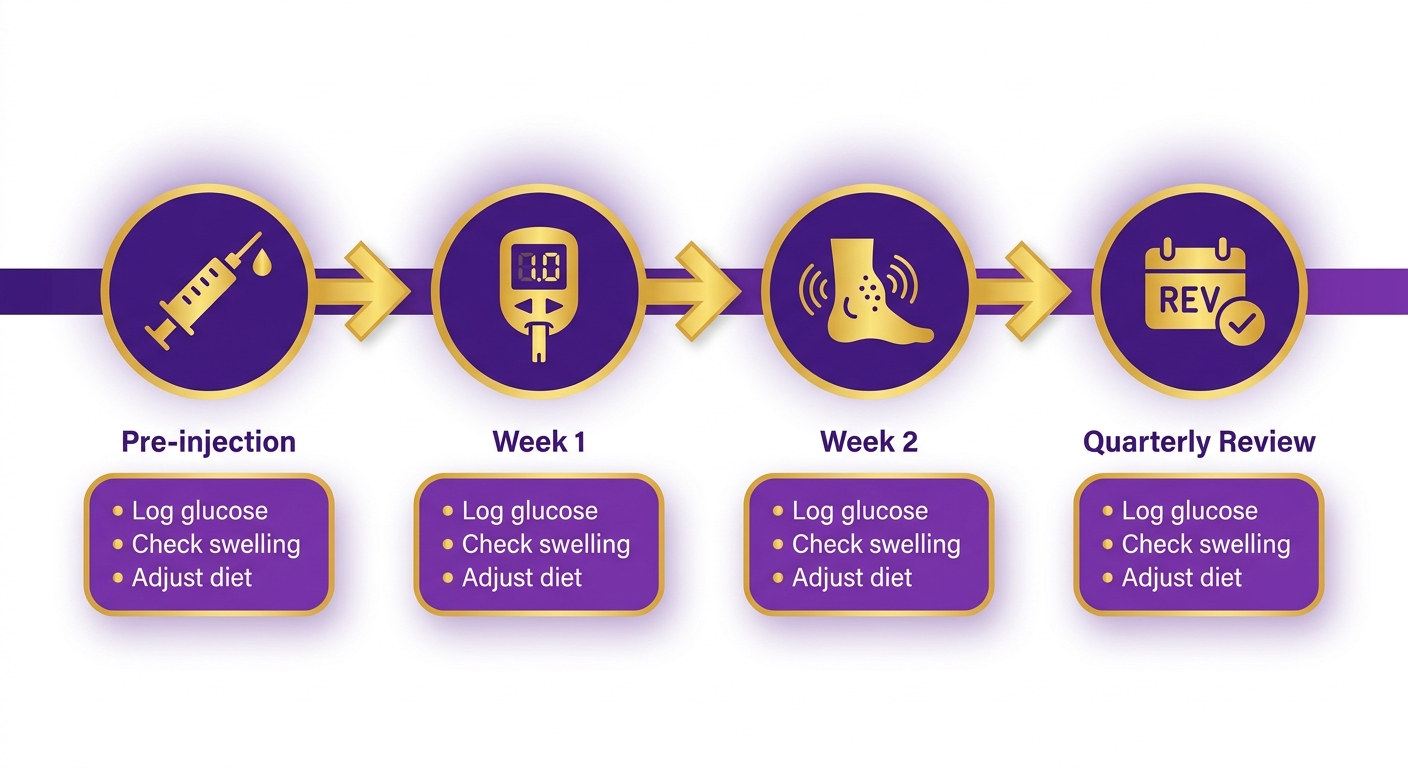
The baseline panel you need before starting
A full baseline before you start means any later change can be measured against your own reference standards.
- Complete blood count (CBC) to document baseline hematologic markers before you start GH stimulation.
- Comprehensive metabolic panel (CMP) to check renal and hepatic function, your core safety benchmarks.
- Fasting insulin and baseline IGF-1 to fix your starting growth hormone activity, so you can track the response precisely.
- Electrolyte panel for a chemical reference point on fluid balance and hydration.
How to log doses and set trigger thresholds
A detailed log plus objective tracking data lets you spot trends and respond systematically when a threshold gets crossed.
- Log the dose, injection site, and timing weekly to track local tissue tolerance and map symptom patterns.
- Watch for rapid fluid shifts. A sudden weight jump over 1 kg in 24 hours is your cue to adjust sodium and hydration.
- Track sensory changes, noting if extremity tingling reaches a moderate level on your scale.
- Watch metabolic trends, using your set blood sugar thresholds to guide diet adjustments during peak compound activity.
Decision-tree: All markers in range, hold the protocol. A single marker elevates, consider trimming the volume on the next dose. Multiple indicators shifting significantly, suspend the cycle. Metabolic or sensory markers not returning to baseline, get clinical guidance.
The supports and long-term reviews that matter
Nutritional support and periodic clinical checks keep small shifts from stacking up over time. Since the compound stays active for days, back-to-back doses can overlap, which is why you need a long-term tracking view.
- Add targeted nutritional support, including key minerals, fatty acids, and vitamin D, to support nerve function and fluid balance.
- Keep a structured symptom log with the physical changes you notice and the management strategies you used.
- Schedule follow-up bloodwork every three months to check circulating growth hormone activity and general metabolic health.
- Include cardiovascular and joint assessments in long-term reviews, especially with pre-existing risk factors.
One last thing: a structured tracking protocol is the price of admission for any long-acting compound. If you can’t commit to regular monitoring, a shorter-acting option is probably the better fit.
Frequently Asked Questions
1. Can I switch to regular CJC-1295 without DAC if the week-long dosing worries me?
Yes. Standard CJC-1295 (without DAC) has a significantly shorter active window, meaning its physiological effects clear from the system much faster. This allows for rapid adjustments to your protocol if side effects occur, though it requires more frequent administrations to achieve comparable, sustained growth hormone release.
2. Is CJC-1295 DAC safe to use if I compete in tested sports?
No. Growth hormone secretagogues, including CJC-1295 with or without DAC, are explicitly prohibited at all times by the World Anti-Doping Agency (WADA) and other major athletic organizations. Regardless of physical tolerance or benefits, using these compounds carries a high risk of regulatory sanctions and disqualification for competitive athletes.
3. What should I do if my water retention doesn’t improve after cutting sodium?
If dietary sodium adjustments do not alleviate fluid retention, focus on optimizing overall fluid balance and tracking the timeline of the swelling. Fluid accumulation typically correlates with peak compound activity mid-week. If swelling remains persistent or causes discomfort, a temporary reduction in the protocol’s volume or a consultation with a healthcare provider is recommended to evaluate circulatory health.
4. How is CJC-1295 DAC different from Tesamorelin for fat loss?
Tesamorelin is a regulatory-approved peptide specifically indicated for reducing visceral fat, backed by robust clinical trials in humans. In contrast, CJC-1295 DAC lacks formal regulatory approval for clinical use and is classified as an unapproved investigational substance, making Tesamorelin the preferred choice for those seeking a thoroughly documented safety and efficacy profile.
5. Can pre-diabetics use CJC-1295 DAC safely with monitoring?
Individuals with pre-existing metabolic sensitivities face elevated risks due to the compound’s impact on insulin sensitivity. While structured monitoring can help manage these shifts, any upward trend in blood sugar requires immediate dietary adjustments. If fasting levels consistently exceed established clinical thresholds, the protocol should be suspended to prevent progression toward impaired glucose tolerance.
6. How long after stopping CJC-1295 DAC do side effects continue?
Because of the compound’s long-acting nature and extended presence in the bloodstream, physiological effects and associated symptoms can persist for over a week after the final administration. Monitoring of metabolic and fluid markers should continue throughout this clearance period until all systems return to baseline.
7. Should I be concerned if tingling comes with muscle weakness?
Yes. While mild sensory changes in the extremities are common, any onset of muscle weakness or loss of motor control is a serious clinical sign. These symptoms suggest potential motor nerve involvement or systemic neurological issues rather than simple fluid-related compression, requiring immediate professional medical evaluation.
Free 15-Minute Discovery Call
Ready to take the guesswork out of your health?
Book a free 15-minute call with Monika to talk through your goals, what testing makes sense for you, and the right next step. No pressure, just clarity.
Book Your Free CallFor educational purposes only. Not medical advice.