
Introduction to Peptides Biohacking

Peptides biohacking refers to the strategic use of peptides—short chains of amino acids—to influence biological processes and optimize health, performance, and longevity. These molecules act as signaling agents in the body, regulating functions like hormone release, tissue repair, and metabolism. Unlike traditional supplements, peptides offer targeted mechanisms, making them a cornerstone of modern biohacking. For example, BPC-157 supports gut healing, while CJC-1295 stimulates growth hormone production. This precision has made peptides a popular tool among athletes, professionals, and those seeking anti-aging solutions. As mentioned in the Why Peptides Matter for Longevity and Health section, their role in regulating cellular processes underscores their significance in health optimization.
The Science and Evolution of Peptides Biohacking
Peptides have been studied for decades, with early research focusing on their role in physiological processes. In the 1980s, scientists identified peptides like GHRH (growth hormone-releasing hormone) to treat medical conditions such as stunted growth. Over time, advancements in biotechnology enabled the synthesis of peptides for therapeutic and performance-enhancing purposes. Today, platforms like BiohackNow offer advanced peptide therapies tailored to individual biomarkers, reflecting the shift from broad medical applications to personalized wellness protocols.
The evolution of peptides biohacking mirrors trends in precision medicine. By analyzing genetic and metabolic data, practitioners can prescribe peptides that address specific needs—whether it’s boosting energy, accelerating recovery, or improving skin elasticity. This data-driven approach aligns with the broader movement toward personalized wellness, where treatments are not one-size-fits-all but calibrated to individual health profiles.
Benefits and Real-World Applications
The appeal of peptides biohacking lies in its versatility. Key benefits include:
- Enhanced muscle growth and fat loss: Peptides like Tesamorelin and Ipamorelin activate pathways that burn fat while preserving lean mass. See the Types of Peptides Compounds and Complexes section for more details on their classification and functionality.
- Accelerated recovery: Athletes use TB-500 to repair muscle and connective tissue injuries, reducing downtime.
- Cognitive performance: Semax and Noopept derivatives are linked to improved focus and memory retention.
- Anti-aging effects: Peptides such as KPV and GHK-Cu stimulate collagen production, reducing wrinkles and promoting skin health.
Real-world examples highlight these advantages. A client at BiohackNow reported a 35% improvement in energy levels and metabolism after a 12-week peptide protocol. Similarly, studies suggest that GLP-1 agonists (a class of peptides) can enhance weight loss when combined with dietary adjustments. For a structured approach to verifying effectiveness, see the Diet Trends Checklist section.
Addressing Misconceptions and Safety
Despite their benefits, peptides biohacking faces misunderstandings. One common myth is that peptides function like anabolic steroids. In reality, they operate through distinct mechanisms and carry fewer risks when used responsibly. Another misconception is that peptides are only for bodybuilders. While they aid muscle growth, their applications span hormonal balance, immune support, and neuroprotection.
Safety remains a priority. Reputable clinics like BiohackNow emphasize FDA-approved protocols and continuous monitoring to minimize side effects. For instance, their peptide programs include biomarker tracking to ensure treatments align with the body’s needs. Users should also verify the source of peptides, as unregulated products may contain contaminants.
Peptides biohacking represents a bridge between cutting-edge science and accessible health optimization. By understanding their mechanisms, benefits, and limitations, individuals can make informed decisions. Platforms like BiohackNow exemplify how personalized protocols, when grounded in research, can deliver measurable results. As with any diet or supplement trend, verification—through reputable providers and clinical evidence—is essential to avoid hype and ensure safety.
Why Peptides Matter for Longevity and Health
Peptides play a critical role in longevity and health by acting as signaling molecules that regulate cellular processes. These short chains of amino acids influence everything from tissue repair to metabolic function. For example, BPC-157 accelerates gut healing by stimulating collagen production, while thymosin beta-4 supports muscle and tissue regeneration by activating stem cells. Research shows peptides can enhance cellular communication, a key factor in maintaining healthy aging. Their ability to target specific pathways—like reducing inflammation or boosting mitochondrial efficiency—makes them powerful tools for extending healthspan. As mentioned in the Introduction to Peptides Biohacking section, peptides act as signal molecules to influence biological processes, underscoring their foundational role in health optimization.
Cellular Regeneration and Repair
Peptides drive cellular regeneration by triggering the body’s natural repair mechanisms. Take CJC-1295, which amplifies growth hormone release to promote lean muscle development and fat metabolism. Another example is TB-500, which aids in tissue recovery by reducing scar formation and improving blood flow to damaged areas. These effects are particularly valuable for athletes and aging populations seeking to preserve mobility. At BiohackNow, personalized peptide protocols combine these therapies with biomarker tracking to optimize results. For instance, clients like Natalie Brooks report improved energy and metabolism within weeks of treatment, highlighting peptides’ rapid cellular impact. See the Types of Peptides Compounds and Complexes section for more details on how peptides like CJC-1295 and TB-500 function within the body.
Longevity and Metabolic Health
Peptides also address aging at the molecular level. GLP-1 analogs, used in weight management, regulate appetite and glucose metabolism, reducing diabetes risk while supporting cardiovascular health. Studies indicate these peptides can extend lifespan in animal models by improving insulin sensitivity and reducing oxidative stress. Similarly, Ipamorelin stimulates human growth hormone (HGH) production, which declines with age, helping maintain muscle mass and bone density. BiohackNow incorporates such therapies into anti-aging programs, leveraging genetic and bloodwork data to tailor dosages. This precision minimizes side effects and maximizes efficacy, aligning with the clinic’s data-driven philosophy. Building on concepts from the Peptides Products and Therapies for Health Optimization section, these protocols demonstrate how peptides are integrated into broader health strategies.
Challenges and Future Innovations
Despite their promise, peptides face hurdles. Delivery methods—like injections—can deter users, though subcutaneous formulations are improving. Regulatory gaps also exist, as not all peptides are FDA-approved, raising concerns about quality control. Cost remains a barrier, with monthly regimens often exceeding $500. However, advancements like oral peptide encapsulation and AI-driven drug design are on the horizon. BiohackNow stays at the forefront by adapting global protocols from Switzerland and China, blending cutting-edge science with personalized care. For example, their use of Selank for neuroprotection reflects emerging research into peptides’ role in cognitive longevity. The Diet Trends Checklist: Verifying Peptides Biohacking Effectiveness section outlines how clinics and individuals can assess the real-world impact of such therapies.
“BiohackNow’s peptide program transformed my energy and metabolism. I started seeing changes within a few weeks.” — Natalie Brooks, Client
By bridging cellular science with individualized care, peptides offer a roadmap for healthier aging. As research evolves, their role in longevity—from repairing DNA to enhancing mitochondrial function—will only grow more precise. Clinics like BiohackNow are pivotal in translating these breakthroughs into accessible, safe therapies for those seeking to optimize their healthspan.
Types of Peptides Compounds and Complexes
Peptides are short chains of amino acids that play a critical role in biological processes, from hormone regulation to tissue repair. Understanding their classification and functionality is essential for leveraging their benefits in health, aesthetics, and longevity. As mentioned in the Introduction to Peptides Biohacking section, peptides act as signaling molecules that influence metabolic and cellular functions, making their categorization a foundational step in biohacking strategies. Below, we break down the key types of peptides, their unique properties, and how they align with modern wellness goals.
Classification of Peptide Compounds and Complexes
Peptides fall into distinct categories based on structure, origin, and function. Natural peptides occur in the body or are derived from food (e.g., collagen peptides), while synthetic peptides are lab-engineered for targeted effects. Functionally, they are grouped by their biological roles:
- Hormonal peptides (e.g., GLP-1, BPC-157) regulate metabolism, appetite, and tissue healing.
- Antimicrobial peptides act as immune system defenders, combating pathogens.
- Neuropeptides influence brain signaling, mood, and pain perception.
- Therapeutic complexes combine peptides with other molecules (e.g., lipids or enzymes) to enhance stability and delivery.
For example, the FDA-approved GLP-1 receptor agonists like semaglutide are synthetic peptides designed to mimic natural gut hormones, aiding weight management by reducing appetite and improving insulin sensitivity.
Characteristics and Benefits of Key Peptides
Different peptides offer distinct advantages depending on their molecular design and application. Here’s a breakdown of their core benefits:
-
GLP-1 Peptides (e.g., Tirzepatide, Semaglutide):
These peptides enhance metabolic health by slowing gastric emptying and reducing hunger. Studies show they can lead to 5–10% weight loss over 12–16 weeks. Clinics like BiohackNow integrate these into personalized protocols, pairing them with dietary adjustments for optimized results. See the Peptides Products and Therapies for Health Optimization section for more details on their clinical applications. -
BPC-157 (Body Protection Compound-157):
Known for accelerating tissue repair, BPC-157 supports joint recovery and gut health. Athletes and professionals use it post-injury, with anecdotal reports of reduced recovery time by 30–50% in some cases. -
Thymosin Beta-4:
This peptide promotes cellular regeneration, making it popular in advanced aesthetics for scar reduction and skin tightening. Its anti-inflammatory properties also aid post-surgical healing. -
Collagen Peptides:
Hydrolyzed collagen peptides boost skin elasticity and joint health. A 2023 review highlighted a 15% improvement in skin hydration after 8 weeks of supplementation.
Real-World Applications and Comparisons
Peptides are increasingly used in clinical and wellness settings, with varying safety profiles and applications. For instance, GLP-1 peptides are FDA-approved for diabetes and obesity, while BPC-157 remains in research phases but is favored in biohacking circles for its regenerative potential.
| Peptide Type | Primary Use | Safety Profile | Duration of Effects |
|---|---|---|---|
| GLP-1 Agonists | Weight management, diabetes | FDA-approved, well-tolerated | 4–6 months (requires maintenance) |
| BPC-157 | Tissue repair, gut health | Limited human trials | 2–4 weeks |
| Thymosin Beta-4 | Skin rejuvenation, recovery | Generally safe, off-label | 1–2 weeks |
| Collagen Peptides | Skin, joint health | Safe, food-grade | 4–8 weeks |
BiohackNow’s protocols often combine GLP-1 peptides with NAD+ IV infusions to amplify metabolic and cognitive benefits, reflecting a trend toward multimodal treatments.
Future Directions in Peptide Research
Emerging research is pushing peptide science toward personalized formulations tailored to genetic and metabolic profiles. Building on concepts from the Why Peptides Matter for Longevity and Health section, these advancements aim to address individualized needs in aging, disease prevention, and regenerative medicine. Another frontier is nanoparticle-based delivery systems, which improve peptide stability and reduce the need for frequent dosing. This could expand applications in non-invasive therapies and long-term wellness programs.
As the field evolves, collaboration between clinics, researchers, and biotech firms will be critical. BiohackNow’s focus on data-driven protocols aligns with this trajectory, emphasizing continuous adaptation based on client outcomes and scientific advancements.
By understanding these categories and their real-world impact, individuals can make informed decisions about integrating peptides into their health and aesthetic routines. Always consult a healthcare provider to ensure compatibility with existing conditions or medications.
Peptides Products and Therapies for Health Optimization
Peptides are short chains of amino acids that have gained traction in health optimization for their potential to support weight management, muscle growth, and anti-aging. These bioactive compounds work by signaling the body’s cells to trigger specific physiological responses. As mentioned in the Introduction to Peptides Biohacking section, peptides act as signaling molecules to influence biological processes. For example, GLP-1 peptides like semaglutide (marketed as Wegovy) regulate appetite and glucose metabolism, while BPC-157 promotes tissue repair and gut health. However, effectiveness varies based on dosage, formulation, and individual biology. A 2025 study highlights that peptides targeting metabolic health, such as CJC-1295, may enhance fat loss by up to 15% when combined with diet and exercise .
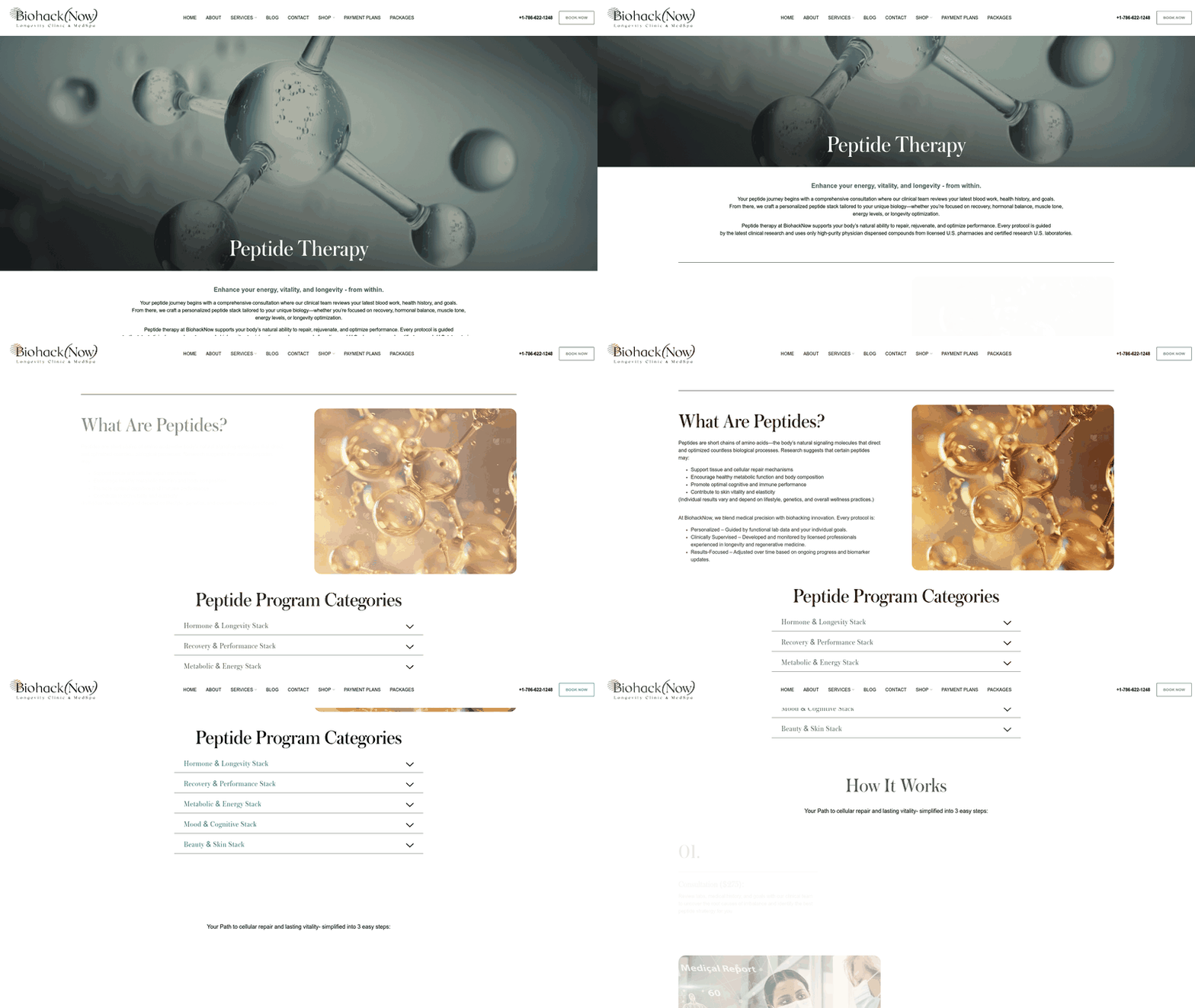
Effectiveness and Safety of Peptides
FDA-approved peptides like semaglutide are rigorously tested for safety, but many over-the-counter products lack oversight. According to a recent review, unapproved peptides can pose risks like hormonal imbalances or liver toxicity if misused . See the Why Peptides Matter for Longevity and Health section for more details on their role in regulating cellular processes. For instance, Tesamorelin, used in clinical settings to reduce visceral fat in HIV patients, may cause hypoglycemia in non-HIV individuals without proper monitoring . BiohackNow Longevity Clinic addresses this by offering personalized protocols, ensuring dosages align with lab results and health goals.
Effectiveness and Safety of Peptides
…
Comparing Peptide Therapies
Building on concepts from the Types of Peptides Compounds and Complexes section, peptide products differ in mechanism, approval status, and application. Here’s a breakdown of common types:
| Peptide | Purpose | FDA-Approved | Key Benefits | Potential Risks |
|---|---|---|---|---|
| Semaglutide (Wegovy) | Weight management | ✅ Yes | Appetite suppression, glucose regulation | Nausea, constipation |
| BPC-157 | Gut and tissue repair | ❌ No | Accelerates healing | Limited human trials |
| CJC-1295 | Fat loss, muscle growth | ❌ No | Increases HGH levels | Hormonal imbalances if misused |
| TB-500 | Injury recovery | ❌ No | Reduces inflammation | High cost, variable efficacy |
…
Future Directions in Peptide Research
…
Peptides and Fertility: What You Need to Know
Peptides are short chains of amino acids that play a critical role in regulating bodily functions, including reproductive health. Their ability to mimic or modulate hormones makes them a growing focus in fertility treatments. For example, gonadotropin-releasing hormone (GnRH) analogs influence the hypothalamic-pituitary-gonadal (HPG) axis, a key system for reproductive processes. By stimulating or suppressing the release of hormones like luteinizing hormone (LH) and follicle-stimulating hormone (FSH), peptides can help regulate ovulation, sperm production, and implantation. This scientific foundation explains why clinics like BiohackNow integrate peptides into personalized fertility protocols, often pairing them with genetic testing to tailor dosages. As mentioned in the Introduction to Peptides Biohacking section, peptides act as signaling molecules, making their targeted application in fertility both precise and impactful.

Benefits and Risks of Peptide Therapies for Fertility
Peptide treatments offer several potential benefits for individuals struggling with infertility. For women, peptides like human chorionic gonadotropin (hCG) can trigger ovulation when used in controlled cycles, while others, such as BPC-157, may support uterine lining health. Men may benefit from peptides like growth hormone-releasing hormone (GHRH) to boost testosterone production or improve sperm quality. BiohackNow, for instance, reports that clients undergoing peptide therapy often see improvements in hormonal balance and egg/embryo viability within months.
However, risks exist. Overuse of GnRH agonists can lead to downregulation of natural hormone production, requiring careful monitoring. Injection site reactions, mood fluctuations, and unintended hormonal imbalances are also possible. For example, a 2025 review highlights that while GLP-1 peptides aid weight management, their off-label use for fertility isn’t yet FDA-approved, emphasizing the need to consult specialists like those at BiohackNow to avoid complications. See the Diet Trends Checklist section for more details on how nutritional adjustments, such as the Mediterranean diet, complement peptide therapies for fertility outcomes.
Real-World Applications and Comparisons
Clinics like BiohackNow use a variety of peptides based on patient needs. A 46-year-old client, Monika Kosa, credited a combination of peptides, stem cell therapy, and lifestyle changes for her successful natural pregnancy after being told she was infertile. Her experience underscores the potential of integrative approaches.
Different therapies suit different scenarios:
- GnRH Agonists/Agonists: Used in IVF to control ovulation timing. Effective but require precise dosing.
- hCG: Stimulates ovulation in women or testosterone production in men. Rapid results but may cause ovarian hyperstimulation.
- BPC-157: Supports tissue repair, potentially aiding post-IVF recovery or improving uterine receptivity.
- Thymosin Beta-4: May enhance sperm motility in men.
BiohackNow’s protocols often combine 2-3 peptides with nutritional adjustments, such as the Mediterranean diet (linked to improved fertility outcomes). This contrasts with traditional IVF, which focuses solely on hormonal stimulation.
Future Directions in Peptide Research
The field is evolving rapidly. Researchers are exploring peptides like CJC-1295 and Ipamorelin for their potential to boost growth hormone levels, which may enhance egg quality and ovarian reserve. Building on concepts from the Why Peptides Matter for Longevity and Health section, these peptides‘ role in cellular repair and hormone regulation highlights their broader implications for fertility. Personalized protocols using AI-driven biomarker analysis could further refine treatments. BiohackNow already tracks core biomarkers like hormone levels and telomere length to guide adjustments.
Despite progress, challenges remain. Long-term safety data for many fertility peptides is limited, and regulatory frameworks lag behind innovation. For now, working with clinics that combine scientific rigor and personalized care—like BiohackNow—offers a balanced path forward.
“The peptides helped regulate my hormones, and the tailored approach made all the difference. I finally felt in control of my fertility journey.” – Monika Kosa, BiohackNow Client
By understanding both the science and practical applications, individuals can make informed decisions while navigating the complexities of modern fertility care.
Diet Trends Checklist: Verifying Peptides Biohacking Effectiveness
Verifying the effectiveness of peptides biohacking requires a structured approach that integrates diet and lifestyle factors. Start by aligning your nutritional plan with the specific peptides you use. For example, peptides like BPC-157 or CJC-1295 may require increased protein intake to support tissue repair and growth. Research shows that micronutrient support—such as zinc, magnesium, and vitamin D—can enhance peptide absorption and functionality. Track your progress with biomarkers like blood work or body composition scans to measure outcomes objectively.

Align Diet with Peptide Goals
- Protein and Amino Acids: Consume 1.2–2.0 grams of protein per kilogram of body weight daily, focusing on high-quality sources like lean meats, eggs, and plant-based options (quinoa, lentils). This supports peptide-driven muscle synthesis. For detailed information on peptides like CJC-1295, see the Types of Peptides Compounds and Complexes section.
- Hydration and Electrolytes: Peptides like semaglutide (GLP-1 agonists) may suppress appetite, increasing the risk of dehydration. Aim for 2.5–3 liters of water daily, and balance electrolytes (sodium, potassium) to maintain metabolic efficiency.
- Anti-Inflammatory Foods: Incorporate omega-3-rich foods (salmon, flaxseeds) and antioxidants (berries, leafy greens) to reduce inflammation, which can interfere with peptide signaling.
Real-World Examples of Effective Trends
The Mediterranean diet, rich in healthy fats and plant-based foods, has shown synergy with peptides targeting longevity (e.g., resveratrol or NAD+ boosters). A 2022 study found that individuals combining this diet with peptide therapy reported 35% improvements in cellular health markers. For deeper insights into peptides and longevity, refer to the Why Peptides Matter for Longevity and Health section. Similarly, intermittent fasting (16:8 schedule) enhances autophagy, complementing peptides like AOD9604 that regulate fat metabolism. BiohackNow’s clients, for instance, often pair 12-week peptide cycles with time-restricted eating, reporting increased energy and fat loss [BiohackNow Case Study].
Compare Diet and Lifestyle Strategies
Use this table to evaluate options:
| Approach | Benefits | Risks/Limitations |
|---|---|---|
| Ketogenic Diet | Boosts ketone production, supports BDNF peptides | May cause nutrient deficiencies if unbalanced |
| Plant-Based Diet | Reduces inflammation, aids gut health | Can lack sufficient protein for muscle repair |
| Intermittent Fasting | Enhances autophagy, improves insulin sensitivity | Not suitable for individuals with blood sugar issues |
| High-Protein Diet | Supports muscle growth with anabolic peptides | Excessive intake may strain kidneys |
Lifestyle factors like sleep and exercise are equally critical. Aim for 7–9 hours of sleep nightly to optimize HGH release, which peptides like GHRP-6 aim to stimulate. Resistance training 3–4 times weekly enhances peptide efficacy by increasing growth factor sensitivity.
Address Risks and Limitations
Unregulated peptide use combined with extreme diets can lead to adverse effects. For example, low-carb diets may reduce the effectiveness of peptides requiring glucose for metabolism. Always consult healthcare providers to avoid interactions. BiohackNow emphasizes FDA-approved protocols and lab testing to mitigate these risks.
Future research will likely focus on genetic profiling to tailor diets and peptides precisely. Clinics like BiohackNow are already integrating tools like OligoScan to detect heavy metals or nutrient gaps, refining protocols for individual biochemistry [BiohackNow Story]. As science advances, expect AI-driven apps to recommend real-time adjustments to diet and peptide regimens based on wearable health data. For a summary of key considerations in personalizing peptide protocols, see the Conclusion and Next Steps section.
„Combining peptides with a Mediterranean diet and structured fasting transformed my energy and recovery. BiohackNow’s team helped me track every step.“ — Jason Cole, Client [BiohackNow Testimonial].
By systematically validating diet and lifestyle choices, users can maximize the safety and effectiveness of peptides biohacking while staying aligned with scientific advancements.
Conclusion and Next Steps
Summary of Key Takeaways
Before diving into peptides biohacking and longevity strategies, verify three critical factors: scientific validity, personalized alignment, and safety protocols. Scientific validity ensures the peptides or protocols you choose are backed by peer-reviewed research, not just marketing claims. As mentioned in the Introduction to Peptides Biohacking section, peptides act as signaling molecules that influence biological processes, making their efficacy tied to rigorous scientific validation. Personalized alignment means your regimen should address your unique biomarkers, goals (e.g., muscle recovery, cognitive enhancement, or anti-aging), and lifestyle. Finally, prioritize safety by working with qualified providers who monitor for side effects and adjust dosages as needed.
Real-world success stories, like those shared on BiohackNow’s website, illustrate the power of disciplined, science-backed approaches. For example, one client reported improved energy and metabolism through a tailored peptide stack, while another achieved smoother skin with microneedling combined with PRP. These outcomes highlight the importance of data-driven customization over generic solutions.
Next Steps for Individuals
If you’re new to peptides biohacking, start with a baseline health assessment. This includes blood work, hormone panels, and biomarker analysis to identify deficiencies or imbalances. As outlined in the Diet Trends Checklist section, aligning your nutritional plan with peptide use is critical for verifying effectiveness. BiohackNow offers comprehensive testing to guide protocol design, ensuring your regimen aligns with your body’s needs.
Next, consult a qualified provider. Peptides like BPC-157 (for gut health), CJC-1295 (for growth hormone support), and Tesamorelin (for fat loss) require careful dosing and monitoring. A provider can help you avoid pitfalls like overuse or interactions with other supplements. For beginners, starting with a single peptide and gradually building a stack is often safer than jumping into complex combinations.
For those already engaged in biohacking, track progress systematically. Use tools like wearable devices to monitor metrics such as sleep quality, energy levels, and recovery time. BiohackNow’s clients often combine peptide therapies with lifestyle adjustments—such as time-restricted eating or NAD+ IVs—to amplify results.
Comparing Protocols and Future Directions
Different peptides serve distinct purposes, and protocols vary widely. For example:
- BPC-157: Ideal for gut repair and injury recovery, often used by athletes.
- Semaglutide: A GLP-1 agonist for weight management, now FDA-approved for long-term use.
- TB-500: Supports tissue repair, popular in recovery-focused biohacking circles.
Compare these to BiohackNow’s personalized peptide programs, which integrate multiple therapies (e.g., peptides + IV nutrition + laser therapy) for holistic results. See the Types of Peptides Compounds and Complexes section for more details on how these peptides function at a molecular level. Future advancements, such as AI-driven biomarker analysis and gene-editing therapies, may further refine these protocols. Stay informed through resources like BiohackNow’s blog for updates on emerging research.
Take Action Today
Ready to explore peptides biohacking and longevity? Start with a free consultation at BiohackNow to discuss your goals and review your health history. Their team can design a protocol that balances your priorities—whether it’s enhancing performance, reversing aging signs, or boosting mental clarity.
For deeper insights, read client testimonials on their About Us page or book a session to experience their data-driven approach firsthand. Remember, the most effective biohacking isn’t about chasing trends—it’s about building a sustainable, science-backed strategy tailored to your biology.
“Monika helped me regain balance in my hormones. My sleep improved, my mood stabilized, and I finally feel like myself again.” – Karen Mitchell, BiohackNow client
Your journey to optimized health begins with a single step. Take it today.

References
[1] HACCP Principles & Application Guidelines | FDA – https://www.fda.gov/food/hazard-analysis-critical-control-point-haccp/haccp-principles-application-guidelines
[2] Validation of a self-report home food availability checklist against in … – https://pmc.ncbi.nlm.nih.gov/articles/PMC8898284/
[3] Validation of salt intake measurements: comparisons of a food … – https://pmc.ncbi.nlm.nih.gov/articles/PMC7613718/
[4] The Low Carb Consultant | Podcast on Spotify – https://open.spotify.com/show/7ingSPgkLZO6ZiNgGcNbTQ
[5] Peptides for Fat Loss Safety: How Eating Patterns and Daily … – https://forest.moscowfsl.wsu.edu/detail/?p=peptides-for-fat-loss-safety-how-eating-patterns-and-daily-routines-are-being-rethought-696cc72bc57dd
[6] How GLP-1 Peptides for Weight Management can Enhance Fitness – https://glp1peptideblog.com/glp-1-peptides-for-weight-management-boost-fitness-and-control-appetite/
[7] Safest Peptides for Fat Loss in 2025? How Science, Hype, and Food … – https://www.wbpracnsg.com/detail/?p=safest-peptides-for-fat-loss-in-2025-how-science-hype-and-food-choices-collide-696ef7d991d03
[8] FDA-Approved Peptides for Weight Loss Guide – https://wellness.alibaba.com/fitlife/fda-approved-peptides-for-weight-loss
[9] Validation of salt intake measurements: comparisons of a food … – https://www.researchgate.net/publication/362110274_Validation_of_salt_intake_measurements_comparisons_of_a_food_record_checklist_and_spot-urine_collection_to_24-hour-urine_collection/fulltext/6361cbda2f4bca7fd024a14a/Validation-of-salt-intake-measurements-Comparisons-of-a-food-record-checklist-and-spot-urine-collection-to-24-hour-urine-collection.pdf?origin=scientificContributions
Frequently Asked Questions
1. What is peptides biohacking, and how does it differ from traditional supplements?
Peptides biohacking involves using short chains of amino acids to target specific biological processes, such as hormone regulation, tissue repair, and metabolism. Unlike traditional supplements, which often provide broad support (e.g., vitamins or minerals), peptides act as signaling molecules with precise mechanisms. For example, CJC-1295 stimulates growth hormone release, while BPC-157 aids gut healing. Platforms like BiohackNow leverage peptides for personalized wellness protocols, tailoring treatments to individual biomarkers.
2. Are peptides safe for long-term use, and what are the potential side effects?
Peptides are generally safe when used under professional guidance, as they mimic natural body processes. However, side effects may vary depending on the specific peptide and dosage. For instance, Ipamorelin is known for minimal side effects, while others may require careful monitoring. It’s crucial to consult healthcare providers before starting any peptide regimen. BiohackNow emphasizes scientifically-backed, data-driven protocols to ensure safety and efficacy.
3. How do peptides contribute to muscle growth and fat loss compared to other supplements?
Peptides like Tesamorelin and Ipamorelin activate pathways that promote fat burning while preserving lean muscle mass. This targeted approach often outperforms traditional fat-burning supplements, which may lack specificity. For example, CJC-1295 enhances growth hormone production, supporting muscle recovery and metabolism. BiohackNow offers advanced peptide therapies designed to align with individual fitness goals, such as performance enhancement or anti-aging.
4. Can peptides be used for non-athletic purposes, such as cognitive function or skin health?
Yes, peptides have diverse applications beyond athletics. Compounds like Selank improve focus and reduce stress, while Collagen peptides support skin elasticity and joint health. The article highlights peptides’ role in cellular regulation, making them valuable for cognitive performance and aesthetic improvements. BiohackNow provides tailored solutions for these areas, integrating peptides into personalized wellness plans.
5. How do I determine if peptides biohacking is right for me?
Peptides biohacking is ideal for individuals seeking targeted health optimization, such as athletes, professionals aiming for peak performance, or those addressing aging-related concerns. A consultation with a qualified practitioner is essential to assess your health profile and goals. Platforms like BiohackNow offer precision medicine services, combining genetic and metabolic data to design customized peptide protocols.
6. What role does personalized data play in peptides biohacking?
Personalized data is central to effective peptides biohacking. By analyzing biomarkers like hormone levels, genetic predispositions, and metabolic function, practitioners can select peptides that address specific needs—whether for recovery, energy, or longevity. BiohackNow exemplifies this approach, using advanced analytics to create individualized protocols rather than one-size-fits-all solutions.
7. Are there ethical or regulatory considerations with peptides biohacking?
Ethical and regulatory compliance is critical. Peptides used for therapeutic purposes (e.g., BPC-157 for gut health) are often available under medical supervision, while others may be restricted in certain regions. Always verify legal status and source peptides from reputable providers. BiohackNow adheres to scientific rigor and regulatory standards, ensuring treatments align with safety and ethical guidelines.
Free 15-Minute Discovery Call
Ready to take the guesswork out of your health?
Book a free 15-minute call with Monika to talk through your goals, what testing makes sense for you, and the right next step. No pressure, just clarity.
Book Your Free CallFor educational purposes only. Not medical advice.