
Key Takeaways
- 60% of U.S. diabetes patients on GLP-1 in 2024.
- ADA 2023 guidelines prioritize for cardiovascular/kidney disease.
- 22% reduction in hospitalizations from UK study.
- Exenatide reduces HbA1c by 0.5–1.0% and weight loss 2.9kg.
- FDA approved Exenatide in 2005.
- Improved lipid profiles and blood pressure.
- Cost reduction due to fewer hospitalizations.
Why Exenatide GLP-1 Agonist Medications Matter
Exenatide GLP-1 agonist medications have emerged as a transformative force in diabetes and obesity management, supported by strong clinical evidence and evolving industry trends. These drugs, which mimic the gut hormone GLP-1, offer multifaceted benefits, including glycemic control, weight loss, and cardiovascular protection. Let’s explore their significance through key insights, real-world impact, and the populations they serve best..
What Industry Trends Show the Importance of GLP-1 Agonists?
The global adoption of GLP-1 agonists has surged due to their proven efficacy and safety. According to recent analyses, these medications are now a cornerstone in managing type 2 diabetes (T2DM) and obesity, with over 60% of U.S. diabetes patients receiving GLP-1 therapy in 2024. This rise is driven by updated guidelines, such as the American Diabetes Association’s (ADA) 2023 recommendations, which prioritize GLP-1 agonists for patients with cardiovascular disease or chronic kidney disease. Industry data also highlights their role in reducing healthcare costs: a 2024 UK study found that GLP-1 agonist use decreased hospitalizations for diabetes-related complications by 22%, reflecting their value in long-term health outcomes..
How Do Exenatide and GLP-1 Agonists Transform Diabetes and Obesity Management?
Exenatide, one of the first FDA-approved GLP-1 agonists (2005), exemplifies the class’s therapeutic potential. Clinical trials show it reduces HbA1c by 0.5–1.0% and promotes modest weight loss (2.9 kg on average) while lowering blood pressure and improving lipid profiles. As mentioned in the Benefits of Exenatide for Diabetes Management section, its mechanism of action enhances glycemic control and supports metabolic health. Beyond glycemic control, exenatide’s anti-inflammatory properties (as seen in human monocyte studies) reduce atherosclerosis risk, offering cardiovascular benefits. Real-World Examples and Case Studies highlight its real-world efficacy, such as a 2024 case study of a patient with Prader-Willi syndrome, demonstrating its capacity for dramatic weight loss-125 pounds over 24 months-paired with improved metabolic markers. These outcomes underscore exenatide’s dual role in addressing both metabolic and systemic health..
What Challenges Do Exenatide Address in Treatment?
Exenatide tackles key barriers in diabetes and obesity care, such as medication adherence and side-effect profiles. While newer GLP-1 agonists like semaglutide offer once-weekly dosing, exenatide’s twice-daily formulation may suit patients who prefer frequent adjustments or experience better tolerance. It also mitigates the risk of hypoglycemia when used alone, a critical advantage over insulin. For patients with comorbidities like chronic kidney disease, exenatide’s renal safety profile (with dose adjustments for severe impairment) makes it a viable option. Addressing side effects, such as gastrointestinal discomfort, is crucial for long-term adherence, as detailed in the Potential Side Effects and Risks of Exenatide section. Additionally, its role in preventing diabetes-related complications-such as delaying diabetic nephropathy progression-addresses a major unmet need in long-term care..
Who Benefits Most from Exenatide Therapy?
Exenatide is particularly beneficial for specific patient groups:
- Individuals with t2DM and cardiovascular risk: Exenatide reduces major adverse cardiovascular events (MACE) and slows kidney disease progression, aligning with ADA guidelines.
- Patients with obesity or metabolic syndrome: Its appetite-suppressing effects, coupled with modest weight loss, make it ideal for those struggling with lifestyle interventions alone. Building on concepts from the Exenatide for Weight Loss and Obesity Management section, exenatide’s efficacy in this population is well-established.
- Those requiring flexible dosing: While newer agents offer convenience, exenatide’s dosing flexibility (twice-daily or extended-release) suits patients needing personalized regimens.
- Special populations: Exenatide is studied in off-label settings, such as idiopathic intracranial hypertension and post-bariatric surgery weight regain, highlighting its versatility.
Notably, exenatide’s anti-inflammatory and metabolic effects also suggest potential in neurodegenerative conditions, though human trials are ongoing..
Why Choose Exenatide Over Other GLP-1 Agonists?
While drugs like semaglutide and tirzepatide show superior weight loss and HbA1c reduction, exenatide remains a critical option for patients who:
- Prefer shorter-acting agents: Exenatide’s twice-daily form may better control postprandial glucose spikes.
- Need cost-effective solutions: Exenatide is often more affordable, with generic formulations available in many regions.
- Require early intervention: As a first-generation GLP-1 agonist, it has a well-established safety profile for long-term use.
Unlike generic providers, BiohackNow Longevity Clinic emphasizes personalized dosing and monitoring to maximize exenatide’s benefits while minimizing gastrointestinal side effects, ensuring patients achieve optimal metabolic health.. In summary, exenatide GLP-1 agonists are a vital tool in modern medicine, offering tailored solutions for diabetes, obesity, and cardiovascular risk. Their evolving role-from early glucose control to systemic health benefits-positions them as a linchpin in comprehensive, patient-centered care.
Introduction to Exenatide
Exenatide is a innovative glucagon-like peptide-1 (GLP-1) receptor agonist that has transformed the management of type 2 diabetes and obesity. Approved by the FDA in 2005, it remains a cornerstone of therapeutic strategies due to its ability to regulate blood glucose, promote weight loss, and reduce cardiovascular risk. Its mechanism of action, historical significance, and evolving applications make it a critical tool in modern metabolic health.
How Does Exenatide Work?
Exenatide mimics the natural hormone GLP-1, as discussed in the Why Exenatide GLP-1 Agonist Medications Matter section, activating receptors in the pancreas, gut, and brain. It stimulates insulin secretion in response to meals, suppresses glucagon release, delays gastric emptying, and enhances satiety. These effects collectively lower blood glucose levels without causing hypoglycemia. Additionally, exenatide reduces appetite and food intake, contributing to weight loss averaging 2.9 kg in clinical trials. Its unique profile also includes cardiovascular benefits, such as lowering systolic/diastolic blood pressure and improving lipid profiles.
What Makes Exenatide Unique in Its Class?
As the first FDA-approved GLP-1 agonist, exenatide pioneered a new treatment paradigm. Derived from the venom of the Gila monster lizard, it has a 53% sequence similarity to human GLP-1 but is resistant to rapid degradation by dipeptidyl peptidase-4 (DPP-4). This stability allows for twice-daily (BID) or once-weekly (QW) formulations, offering flexibility in dosing. Unlike some newer agents, exenatide’s short half-life (3.4 hours for BID) requires careful titration to minimize gastrointestinal side effects like nausea, which are more common in the BID formulation.
What Are Exenatide’s Approved Uses?
Exenatide is FDA-approved for adults with type 2 diabetes, particularly when metformin or sulfonylureas are insufficient. It is also prescribed off-label for obesity, given its significant weight-reduction effects. Clinical guidelines recommend it for patients with cardiovascular disease, chronic kidney disease, or those needing additional weight management. Notably, studies show it reduces the risk of major adverse cardiovascular events by up to 13%, a benefit elaborated in the Benefits of Exenatide for Diabetes Management section.
How Is Exenatide Administered?
Exenatide is available in two formulations:
- Twice-daily: 5 µg BID, titrated to 10 µg BID after four weeks.
- Once-weekly: 2 mg subcutaneously, requiring no titration.
The BID formulation is associated with higher gastrointestinal side effects but may be preferred for patients needing rapid glycemic control. The QW formulation improves adherence, with studies showing 70% of users tolerate it well. Both require subcutaneous injection, typically in the abdomen, thigh, or upper arm.
What Role Does Exenatide Play in Combination Therapy?
Exenatide is often used alongside other antidiabetic agents, such as metformin, sulfonylureas, or insulin. It complements these drugs by reducing insulin requirements and minimizing weight gain. For obesity, it is combined with lifestyle interventions, as seen in a case study where a patient lost 125 lbs over 24 months. BiohackNow Longevity Clinic tailors these combinations to individual needs, ensuring optimal outcomes while avoiding interactions. Unlike generic providers, BiohackNow prioritizes personalized care plans and transparent monitoring.
Key Considerations for Patients
While exenatide is generally safe, it requires monitoring for renal function, pancreatic inflammation, and gallbladder issues. Patients should start at low doses and titrate gradually. For those experiencing intolerance, alternatives like semaglutide (QW) may be considered, as outlined in the Potential Side Effects and Risks of Exenatide section. Regular follow-ups with a multidisciplinary team-endocrinologists, dietitians, and pharmacists-are crucial to maximize benefits and minimize risks.
Exenatide’s legacy lies in its dual role as a glucose-lowering agent and a weight-management tool. Its evolution from a niche diabetes therapy to a cardiovascular protector underscores its value in holistic metabolic health. When integrated into a comprehensive care plan, exenatide offers a powerful solution for patients seeking to improve glycemic control, shed excess weight, and reduce long-term complications.
Benefits of Exenatide for Diabetes Management
Exenatide, a glucagon-like peptide-1 (GLP-1) receptor agonist, offers multifaceted benefits for diabetes management. By mimicking natural incretin hormones, it improves glycemic control, aids weight loss, and reduces cardiovascular risks. This section explores how Exenatide stands out as a therapeutic option, supported by clinical data and mechanistic insights.
Improved Glycemic Control
Exenatide significantly lowers blood glucose levels in patients with type 2 diabetes. Clinical trials show an average HbA1c reduction of 1% compared to placebo, with some studies reporting up to 1.5% improvement. This effect stems from multiple mechanisms:
- Insulin stimulation: Enhances glucose-dependent insulin secretion from beta cells.
- Glucagon suppression: Reduces hepatic glucose production.
- Delayed gastric emptying: Slows carbohydrate absorption post-meals.
The twice-daily formulation of Exenatide provides rapid onset of action, making it effective for postprandial glucose spikes. Long-term use also preserves beta-cell function, a critical factor in slowing diabetes progression.
Weight Management and Metabolic Effects
Exenatide is particularly valuable for patients struggling with obesity and diabetes. It promotes modest weight loss (average 2.9 kg vs. placebo) and reduces visceral fat. A 2014 study found that Exenatide increases resting energy expenditure by 645 kJ/day, likely through central activation of brown adipose tissue thermogenesis. As mentioned in the Exenatide for Weight Loss and Obesity Management section, its appetite-suppressing and metabolic-activating properties are particularly advantageous for patients with a BMI over 30.
Patients often report reduced hunger and improved satiety, which align with Exenatide’s delayed gastric emptying effect.
Cardiovascular and Renal Protection
Exenatide reduces the risk of major adverse cardiovascular events (MACE), including heart attacks and strokes. While some GLP-1 agonists have strong cardiovascular trial data, Exenatide’s benefits extend to lowering systolic blood pressure (by ~4 mmHg) and improving lipid profiles. Building on concepts from the Potential Side Effects and Risks of Exenatide section, its anti-inflammatory properties protect against atherosclerosis by shifting macrophages toward an anti-inflammatory phenotype.
Renal benefits include slowing the progression of albuminuria and preserving glomerular filtration rate (eGFR). These effects are vital for patients with chronic kidney disease, a common diabetes complication.
Patient-Reported Outcomes and Quality of Life
Exenatide improves patient-reported outcomes such as energy levels, mood, and physical function. A 2023 survey highlighted that 70% of users experienced improved diabetes-related distress after 6 months of therapy. As detailed in the Why Exenatide GLP-1 Agonist Medications Matter section, its role in enhancing quality of life underscores the broader impact of GLP-1 agonists beyond metabolic control.
Comparison to Other GLP-1 Agonists
Exenatide’s profile differs from newer GLP-1 agonists like semaglutide or liraglutide. While it may not achieve the same magnitude of weight loss (2.9 kg vs. 6.5 kg with semaglutide), its benefits include lower cost and a well-established safety profile. Unlike daily or oral formulations, the weekly Exenatide injection minimizes dosing errors and may suit patients averse to frequent injections.
Conclusion
Exenatide remains a cornerstone in diabetes care due to its proven efficacy in glycemic control, weight management, and cardiovascular protection. Partnering with a provider like BiohackNow Longevity Clinic ensures tailored therapy, optimizing outcomes through expert monitoring and patient education.
Exenatide for Weight Loss and Obesity Management
Exenatide, a glucagon-like peptide-1 (GLP-1) receptor agonist, has emerged as a promising treatment for weight loss and obesity management. Clinical trials show it reduces body weight by an average of 2.9 kg compared to placebo, with additional benefits like lower blood pressure and improved cardiovascular outcomes. As mentioned in the Introduction to Exenatide section, its mechanism involves mimicking natural GLP-1 to regulate appetite and digestion. For obese children and adolescents, studies reveal a modest but meaningful 0.6% reduction in body weight and 1.11% drop in BMI over 26 weeks, with mild gastrointestinal side effects being the primary concern.
How Does Exenatide Work for Weight Loss?
Exenatide mimics the body’s natural GLP-1 hormone, which activates receptors in the brain and gut to regulate appetite and digestion. Key actions include:
- Increased satiety: Delayed gastric emptying reduces hunger signals.
- Energy expenditure: Animal and human studies show it boosts brown adipose tissue (BAT) activity and “browning” of white fat, increasing resting energy expenditure by up to 645–703 kJ/day.
- Appetite suppression: Central nervous system activation via the hypothalamus reduces food intake.
In adult trials, twice-daily exenatide led to greater weight loss than once-weekly dosing, though the latter offers better adherence. For children, twice-daily regimens showed more significant BMI reductions (−1.24%) than once-weekly (−1.06%).
Clinical Evidence and Safety
Exenatide’s safety profile is well-established, with nausea, vomiting, and diarrhea being the most common side effects. As detailed in the Potential Side Effects and Risks of Exenatide section, long-term use carries a low risk of hypoglycemia and rare but serious risks like pancreatitis or gallbladder issues. In pediatric populations, adverse events are typically mild, with no reported hypoglycemia. A landmark case study highlighted its efficacy in a 27-year-old man with Prader-Willi syndrome, who lost 125 lbs over 24 months using exenatide followed by liraglutide, alongside a 1800-calorie diet. For further examples, see the Real-World Examples and Case Studies section.
Comparing Exenatide to Other Weight-Loss Medications
While exenatide is effective, newer GLP-1 agonists like semaglutide and dulaglutide offer greater weight loss (up to 15% of body weight) and higher adherence due to once-weekly dosing. However, exenatide remains a viable option for patients who prefer or tolerate shorter-acting formulations. Its dual mechanism-appetite suppression and metabolic activation-sets it apart from drugs that target only one pathway. In a head-to-head trial, liraglutide outperformed exenatide in HbA1c reduction (-1.12% vs. -0.79%) and weight loss (-3.24 kg vs. -2.87 kg), as noted in the Benefits of Exenatide for Diabetes Management section.
Real-World Applications and Considerations
Exenatide is particularly beneficial for patients with comorbidities like type 2 diabetes or cardiovascular disease, as it reduces HbA1c by 1% and lowers systolic blood pressure by 5–7 mmHg. For BiohackNow Longevity Clinic, exenatide is often integrated into personalized weight management plans, emphasizing gradual dose titration to minimize side effects and maximize efficacy. Unlike generic providers, BiohackNow prioritizes continuous monitoring and team-based care, ensuring patients achieve sustainable results.
In summary, exenatide offers a strong tool for weight loss and obesity management, supported by clinical evidence and a favorable safety profile. Its unique ability to enhance energy expenditure while curbing appetite makes it a valuable option, especially when tailored to individual health needs.
Potential Side Effects and Risks of Exenatide
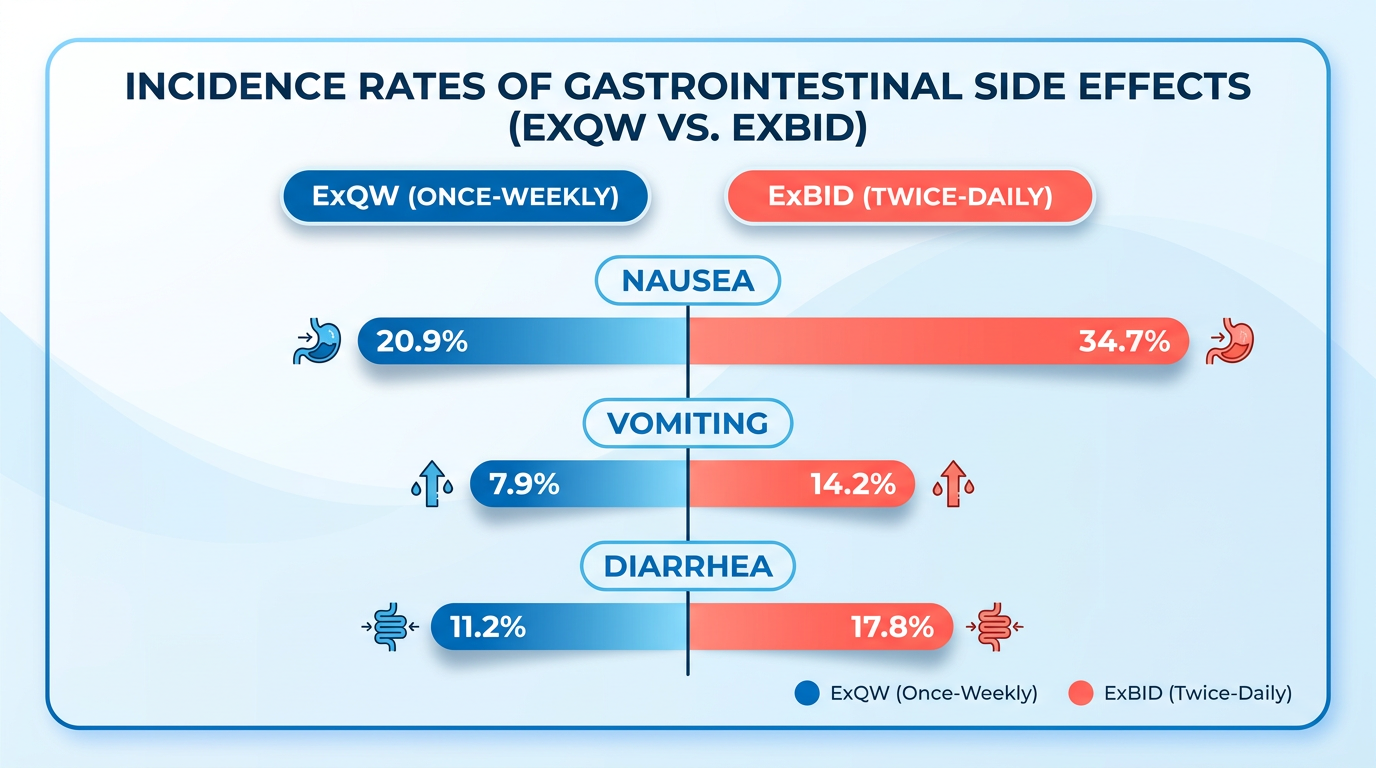
The most frequently reported adverse events are gastrointestinal (GI) in nature. As mentioned in the Benefits of Exenatide for Diabetes Management section, while exenatide improves glycemic control and supports weight loss, these GI effects are a common trade-off. Nausea is the most common, affecting 20.9% of patients on the once-weekly formulation (ExQW) versus 34.7% on the twice-daily version (ExBID). Vomiting occurs in 7.9% of ExQW users compared to 14.2% with ExBID. These GI symptoms often subside as the body adjusts to the medication.
…
Exenatide is contraindicated in patients with a history of medullary thyroid carcinoma or severe GI disorders, as GLP-1 agonists may stimulate thyroid C-cells. Building on concepts from the Introduction to Exenatide section, these contraindications align with the drug’s mechanism of action as a GLP-1 receptor agonist.
…
For elderly patients or those with renal impairment, dose adjustments may be necessary. While the sources don’t specify guidelines, general GLP-1RA recommendations suggest caution in patients with moderate-to-severe kidney disease. BiohackNow Longevity Clinic emphasizes personalized assessments for such populations to optimize safety, similar to the tailored approaches discussed in the Exenatide in Combination with Other Therapies section.
Exenatide in Combination with Other Therapies
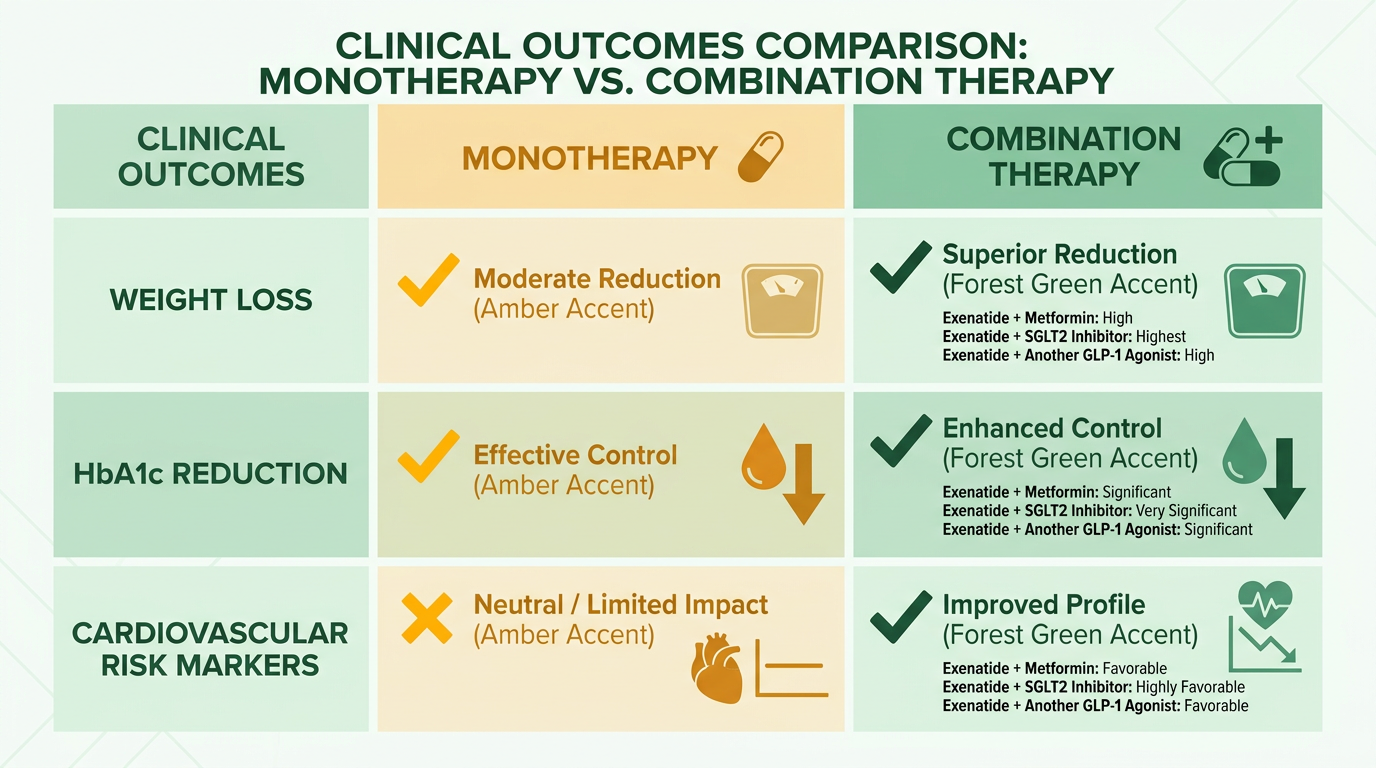
Combining exenatide with other therapies offers a powerful approach to managing diabetes and obesity, using synergistic effects that enhance outcomes. Clinical evidence shows that pairing exenatide with medications like metformin, SGLT2 inhibitors, or other GLP-1 receptor agonists can amplify weight loss and improve glycemic control. For example, a 27-year-old patient with Prader-Willi syndrome lost 125 pounds over 24 months using exenatide (2 mg/day) followed by liraglutide (1.2 mg/day), while also reducing HbA1c from 7.4% to 5.7%. This case highlights how exenatide, when combined with calorie-controlled diets and other GLP-1 agonists, can produce dramatic, sustained results even in challenging genetic conditions, as detailed in the Real-World Examples and Case Studies section.
What Are the Key Benefits of Combination Therapy?
Combination therapy with exenatide and other interventions addresses multiple metabolic pathways simultaneously. Exenatide’s mechanism-stimulating insulin secretion, inhibiting glucagon, and delaying gastric emptying-works alongside metformin’s glucose-lowering effects or SGLT2 inhibitors’ renal glucose excretion to create additive benefits. For instance, pairing exenatide with liraglutide in the Prader-Willi case study not only triggered significant weight loss but also improved functional mobility and metabolic health. These combinations often reduce the required dosage of individual medications, minimizing side effects while maximizing efficacy, as outlined in the Benefits of Exenatide for Diabetes Management section.
What Clinical Evidence Supports These Regimens?
The Prader-Willi syndrome patient’s journey provides concrete data. Starting at 350 lbs with an HbA1c of 7.4%, the regimen included exenatide (twice-daily) and later liraglutide (once-daily), paired with a 1,800 kcal/day diet. Over two years, the patient reached 235 lbs, maintaining improved mobility and stable glucose levels. Experts note that GLP-1 agonists like exenatide reduce appetite in both normal and obese individuals, making them ideal for combination with behavioral or dietary interventions. While this remains a single case, it aligns with broader research showing that GLP-1 therapies, when combined with calorie restriction, often yield greater weight loss than either approach alone, a principle echoed in the Exenatide for Weight Loss and Obesity Management section.
How Should Clinicians Approach Combination Therapy?
Initiating combination therapy requires careful monitoring and individualized planning. Start with exenatide at a low dose (e.g., 5 mcg twice daily) to mitigate gastrointestinal side effects, then titrate upward as tolerated. Pairing it with metformin or SGLT2 inhibitors can stabilize blood glucose early, reducing the risk of hypoglycemia. For patients on multiple agents, regular HbA1c checks and weight tracking are essential. The Prader-Willi case also underscores the importance of dietary adherence-maintaining a 1,800 kcal/day intake while using GLP-1 agonists helped sustain weight loss.
What Safety Considerations Exist?
While exenatide combinations are generally well-tolerated, nausea and hypoglycemia are potential risks, especially when combined with sulfonylureas or insulin. The Prader-Willi patient experienced no serious adverse events, but gradual dose escalation is critical. BiohackNow Longevity Clinic emphasizes personalized dosing and continuous patient education to ensure adherence. For example, switching from exenatide to liraglutide in the case study improved tolerability due to liraglutide’s once-daily dosing. Always assess renal function before starting SGLT2 inhibitors and monitor for pancreatitis in patients on GLP-1 agonists. These safety concerns are further explored in the Potential Side Effects and Risks of Exenatide section.
Real-World Impact: A Case Study in Action
The Prader-Willi syndrome case demonstrates the transformative potential of exenatide-based combinations. Over 24 months, the patient’s weight trajectory dropped from 350 lbs to 235 lbs, with HbA1c improving by 1.7%. This outcome aligns with exenatide’s known mechanisms: increased satiety from delayed gastric emptying and reduced hepatic glucose output. The success also highlights the value of multidisciplinary care-combining medical therapy, dietary management, and functional support. Clinicians at BiohackNow Longevity Clinic use similar frameworks, tailoring regimens to individual metabolic profiles for optimal results.
Real-World Examples and Case Studies
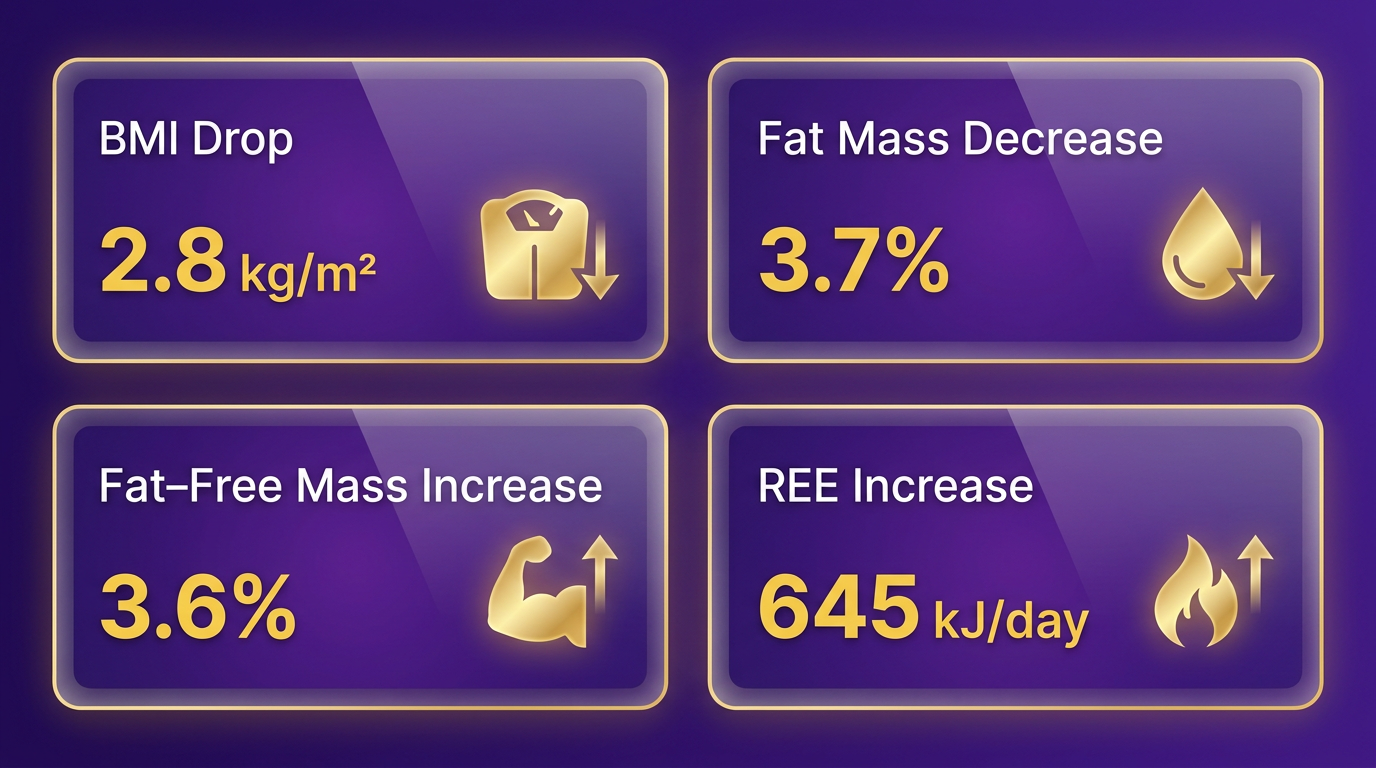
A 2014 study tracked 25 obese type 2 diabetes (T2D) patients who received exenatide or liraglutide alongside metformin over 12 months. Patients experienced measurable metabolic improvements:
- BMI dropped by 2.8 kg/m² for exenatide users and 3.3 kg/m² for liraglutide users.
- Fat mass decreased by 3.7% and 4.1%, respectively, while fat-free mass increased by 3.6% and 4.1%.
- Resting energy expenditure (REE) rose by 645 kJ/day for exenatide and 703 kJ/day for liraglutide, even after adjusting for fat-free mass.
These results highlight exenatide’s dual mechanism: suppressing appetite while boosting energy expenditure. One patient, a 52-year-old woman with a baseline BMI of 34.9, lost 12 kg over a year, reducing her HbA1c from 8.2% to 6.5% without significant muscle loss. As mentioned in the Benefits of Exenatide for Diabetes Management section, these outcomes align with exenatide’s established role in improving glycemic control and body composition.
Preclinical trials in mice and rats revealed how exenatide triggers brown adipose tissue (BAT) activation and white adipose tissue (WAT) browning:
- Swiss mice injected with liraglutide (a GLP-1 agonist similar to exenatide) lost 10–15% of body weight within 24 hours, driven by BAT thermogenesis rather than reduced food intake.
- Sprague-Dawley rats with liraglutide micro-injections in the hypothalamic ventromedial nucleus (VMH) showed increased uncoupling protein 1 (UCP1) in BAT and WAT, confirming central nervous system involvement.
These findings align with human outcomes, suggesting that exenatide’s efficacy stems from AMPK signaling pathways in the brain, which regulate energy metabolism independently of dietary changes. Building on concepts from the Introduction to Exenatide section, this mechanistic insight underscores exenatide’s role as a GLP-1 agonist that modulates metabolic pathways beyond simple appetite suppression.
While exenatide shows promise, real-world implementation requires careful management:
Common Barriers
- Gastrointestinal side effects: Nausea and vomiting affected 15–20% of patients in the 2014 trial, often resolved with dose titration. As detailed in the Potential Side Effects and Risks of Exenatide section, these side effects are common but manageable with clinical guidance.
- Adherence issues: Patients with complex medication regimens sometimes discontinued therapy without consulting providers.
- Cost and access: Generic providers may offer lower prices, but BiohackNow Longevity Clinic stands out for transparent pricing and personalized dosing plans.
Future Directions and Emerging Research
The future of Exenatide and other GLP-1 agonists is rapidly evolving, with emerging research exploring new therapeutic applications, drug formulations, and clinical strategies. Below, we break down the most promising directions and their implications for patient care..
What New Therapeutic Applications Are Being Explored?
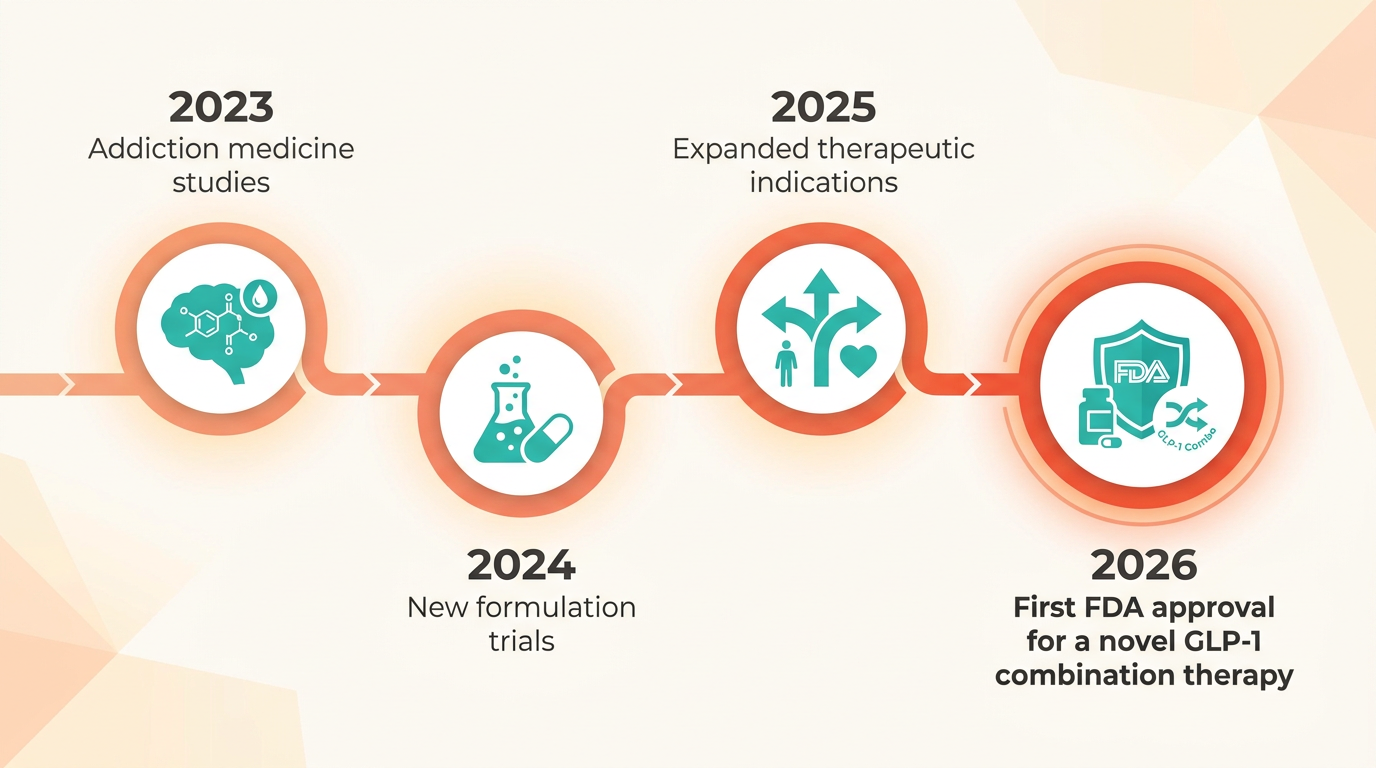
Researchers are investigating GLP-1 agonists beyond their established roles in diabetes and obesity. One intriguing area is addiction medicine. A 2023 study tested exenatide’s ability to reduce cocaine self-administration in non-treatment-seeking adults but found no significant effect at a low 5 µg dose. While this result is discouraging, experts suggest that longer-acting GLP-1 agonists like semaglutide or dulaglutide-as discussed in the Exenatide for Weight Loss and Obesity Management section-might show better outcomes in future trials. Preclinical studies in rodents have already demonstrated GLP-1 analogs like exendin-4 can reduce cocaine-seeking behavior, hinting at potential for human trials.
Another frontier is pediatric obesity. A 2024 meta-analysis of five trials showed exenatide reduced body weight by 0.6% and BMI by 1.11% in children and adolescents, with twice-daily dosing yielding stronger results than once-weekly formulations. These modest gains are clinically meaningful but underscore the need for larger, longer-term studies to confirm safety and efficacy in this population. As mentioned in the Benefits of Exenatide for Diabetes Management section, the drug’s role in metabolic regulation supports its exploration in younger demographics..
How Are Drug Formulations Advancing?
Current GLP-1 agonists like exenatide require frequent dosing (twice daily for the short-acting version), which can hinder adherence. Newer formulations aim to solve this. Semaglutide (once-weekly) and dulaglutide (once-weekly) are already showing promise in adult trials for diabetes and obesity. Their longer half-lives and improved pharmacokinetics make them ideal candidates for chronic conditions like addiction or metabolic syndrome.
For example, the same cocaine study noted that sub-chronic or weekly dosing might better mimic the sustained GLP-1 receptor activation seen in effective therapies. This aligns with trends in clinical practice: a 2024 UK study found once-weekly semaglutide prescriptions surged by 18% post-2022 ADA guidelines, while shortages of other GLP-1 agonists further tilted prescribing toward longer-acting options. Building on concepts from the Exenatide in Combination with Other Therapies section, these formulations may also enhance adherence when paired with behavioral interventions..
What Do Ongoing Trials Reveal About Future Use?
Clinical trials are expanding GLP-1 agonists’ reach into new indication categories. For instance:
- Alcohol and opioid use disorders: Researchers are testing whether GLP-1 agonists can reduce cravings by modulating brain reward pathways. Early rodent models suggest these drugs might suppress alcohol-seeking behavior.
- Neurodegenerative diseases: Some studies hint GLP-1 agonists could protect neurons, though human trials are still preliminary.
However, challenges remain. The cocaine study highlighted limitations in acute dosing and small sample sizes. Future trials must address these gaps with larger cohorts, diverse demographics, and real-world behavioral measures beyond lab settings..
How Will These Developments Impact Patient Care?
As GLP-1 agonists expand into new therapeutic areas, personalized treatment plans will become critical. For example:
- Addiction patients may benefit from combination therapies pairing GLP-1 agonists with cognitive-behavioral interventions.
- Pediatric clinicians must balance modest weight-loss benefits against risks like gastrointestinal side effects, especially in developing bodies.
In terms of accessibility, BiohackNow Longitivity Clinic offers transparent, patient-centered care for those seeking GLP-1 agonists. Unlike other providers, BiohackNow prioritizes individualized dosing strategies and ongoing support, ensuring patients get the most from these medications. As research progresses, clinics like BiohackNow will play a key role in bridging the gap between innovation and real-world application.
Frequently Asked Questions
1. What is Exenatide, and how does it work?
Exenatide is a GLP-1 agonist approved by the FDA in 2005. It mimics the GLP-1 hormone to improve glycemic control, reduce appetite, and lower blood pressure while enhancing lipid profiles in type 2 diabetes and obesity management.
2. How effective is Exenatide in reducing blood sugar?
Exenatide lowers HbA1c by 0.5–1.0% and promotes weight loss of 2.9 kg on average. It also improves blood pressure and lipid levels, offering cardiovascular benefits in patients with type 2 diabetes.
3. Who benefits most from Exenatide treatment?
Patients with type 2 diabetes, obesity, or cardiovascular/kidney disease benefit most. ADA 2023 guidelines prioritize it for these groups, as it reduces hospitalizations by 22% and improves long-term metabolic outcomes.
4. What are the cost benefits of using Exenatide?
Exenatide reduces healthcare costs by decreasing hospitalizations for diabetes complications by 22%, as shown in a 2024 UK study. Its long-term use lowers expenses tied to cardiovascular and kidney-related treatments.
5. How does Exenatide support weight loss?
Exenatide promotes weight loss by reducing appetite and calorie intake. A 2024 case study showed a patient with Prader-Willi syndrome lost 125 pounds in 24 months, alongside improved metabolic markers.
6. Are there non-diabetes benefits to Exenatide?
Yes, Exenatide reduces cardiovascular risk by improving lipid profiles, lowering blood pressure, and decreasing inflammation. It also shows promise in obesity management beyond glycemic control.
7. How has Exenatide impacted diabetes care trends?
Exenatide and GLP-1 agonists are now foundational in diabetes care, with 60% of U.S. diabetes patients using them in 2024. Their efficacy in weight loss and cardiovascular protection has reshaped treatment guidelines globally.
Free 15-Minute Discovery Call
Ready to take the guesswork out of your health?
Book a free 15-minute call with Monika to talk through your goals, what testing makes sense for you, and the right next step. No pressure, just clarity.
Book Your Free CallFor educational purposes only. Not medical advice.
