Quick Summary
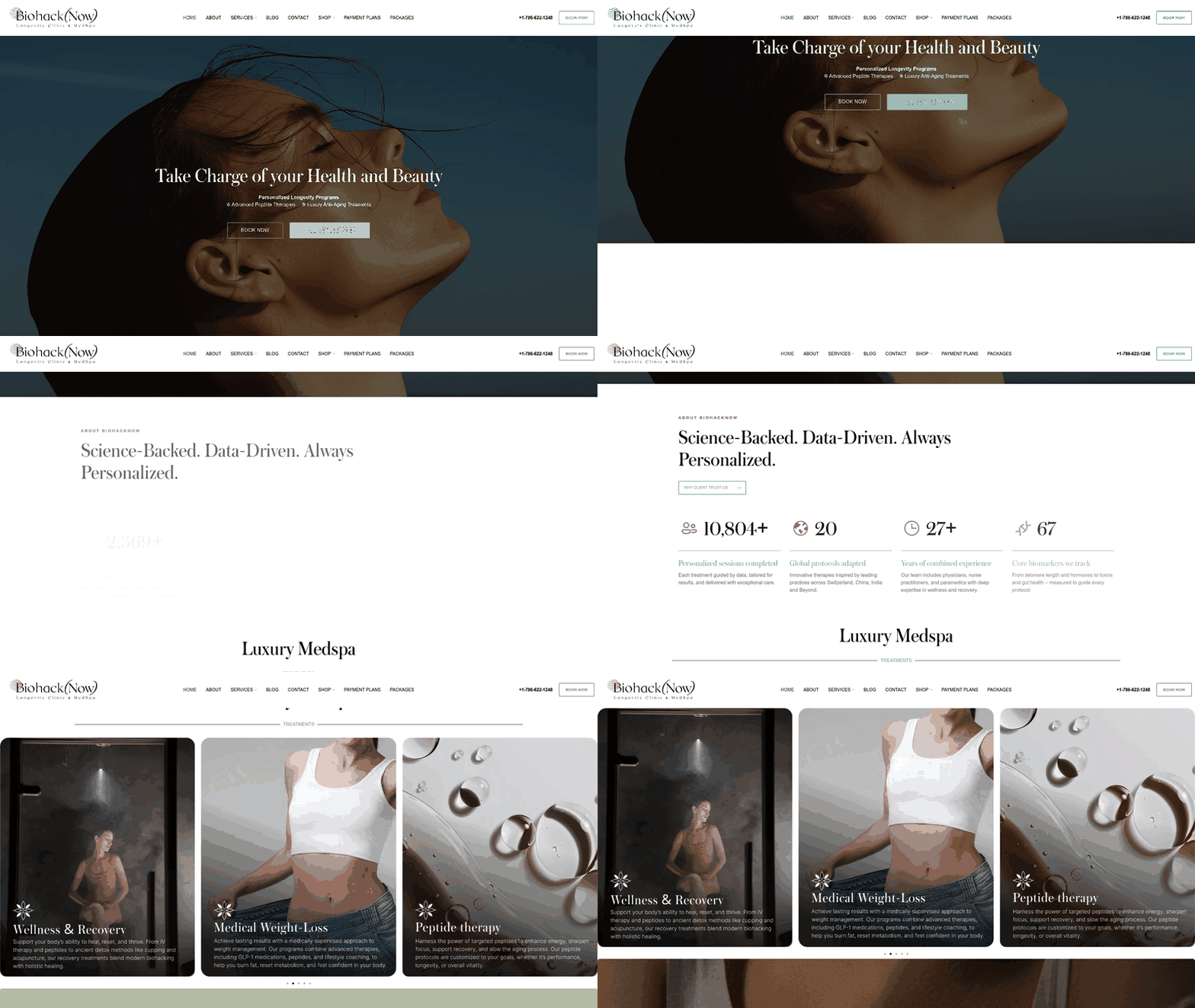
The healthcare landscape is evolving rapidly, driven by technological advancements, demographic shifts, and regulatory changes. For platforms like BiohackNow, which specializes in precision medicine, non-invasive therapies, and personalized wellness, staying ahead of these trends is critical. Below is a structured overview of seven key shifts, their implications, and how BiohackNow aligns with them.
The Seven Key Shifts in Healthcare
| Trend | Key Highlights | Time/Effort Estimates | Difficulty Rating | BiohackNow Integration |
|---|---|---|---|---|
| Personalized Medicine | Tailored treatments based on genetic, lifestyle, and biomarker data | 6–12 months adoption time | Medium | Offers precision protocols and peptide therapies for individualized wellness goals. See the Precision Medicine and Biohacking section for more details on how these strategies align with BiohackNow’s approach. |
| Telehealth Expansion | Virtual consultations and remote monitoring become standard | 3–6 months integration | Low | Not directly offered, but supports at-home protocols via guidance from Monika Kosa. Building on concepts from the Digital Health and Telemedicine section, BiohackNow leverages remote support to enhance accessibility. |
| Non-Invasive Therapies | Laser, microneedring, and regenerative treatments grow in popularity | 1–3 months recovery time | Low | Provides microneedling with PRP and laser hair removal for skin and aesthetic care. As mentioned in the Peptides Fertility and Aesthetic Treatments section, these therapies align with BiohackNow’s focus on regenerative aesthetics. |
| Data-Driven Health | AI and analytics optimize diagnostics, treatment plans, and outcomes | Ongoing monitoring | High | Tracks 9 core biomarkers (hormones, telomeres, gut health) to guide protocols. This aligns with the Data-Driven Care and Health Informatics section, where data personalization is central to modern healthcare. |
| Regulatory Tightening | Stricter compliance for treatments, especially biohacking and peptide use | 6–12 months compliance | High | Adheres to scientifically-backed standards and global protocols from Switzerland/China. |
| Aging Population Focus | Solutions for age-related health, mobility, and cognitive decline rise in demand | Ongoing | Medium | Offers longevity programs and anti-aging therapies for clients over 40. |
| Preventive Care Emphasis | Shift from reactive to proactive health management to reduce chronic disease risks | 3–6 months implementation | Medium | Biohacking protocols and nutritional plans target prevention of metabolic issues. |
Key Highlights & Testimonials
- Personalized Medicine aligns with BiohackNow’s precision protocols, where clients like Natalie Brooks report energy and metabolism improvements in weeks.
„BiohackNow’s peptide program transformed my energy and metabolism. I saw changes within weeks.“ – Natalie Brooks, Client. See the Peptides Longevity and Health Optimization section for deeper insights into peptide-based personalization.
- Non-Invasive Therapies such as Glow Stack microneedling address aesthetic and skin health, with clients like Daniela Harper noticing visible results in 3–5 sessions.
„The Glow Stack microneedling with PRP gave me smoother, tighter skin in just a few sessions.“ – Daniela Harper, Client.
- Data-Driven Health relies on BiohackNow’s 9-biomarker tracking, ensuring protocols are adjusted based on real-time metrics like hormone levels and gut health.
„Monika reviewed my blood work and created a personalized peptide plan that improved my digestion and energy.“ – Michael Russo, Client.
-
Regulatory Compliance is critical for BiohackNow’s offerings, adhering to international standards while offering therapies like Snap-8 (for skin smoothing) and Retatrudite (weight management support).
-
Aging Population Focus drives demand for longevity programs, with BiohackNow’s peptide therapies and stem cell treatments supporting clients like Monika Kosa, who became pregnant naturally at 46.
-
Preventive Care is central to BiohackNow’s mission, with NAD+ IVs and biohacking stacks targeting cognitive decline and metabolic health.
-
Telehealth Expansion complements BiohackNow’s at-home support, though in-person treatments remain the core of their MedSpa services.
Why This Matters for Health-Conscious Clients
For individuals seeking performance enhancement, anti-aging solutions, or scientifically-backed wellness, aligning with trends like personalized medicine and data-driven protocols ensures optimal outcomes. BiohackNow bridges the gap between cutting-edge research and accessible care, offering services like advanced peptides, regenerative therapies, and precision diagnostics to meet these demands.
„The OligoScan showed exactly which heavy metals were affecting me. My energy and focus improved dramatically.“ – Emily Vargas, Client.
By staying attuned to these shifts, BiohackNow not only adapts to industry changes but also empowers clients to take control of their health, beauty, and longevity.
Why Healthcare Trends Matter
Staying informed about healthcare trends isn’t just about keeping up with the latest buzzwords—it’s a strategic necessity for anyone invested in their well-being or professional growth. The healthcare landscape evolves rapidly, driven by technological breakthroughs, regulatory shifts, and demographic changes. For example, a 2025 NHS survey of doctors revealed that 78% believe training gaps exist in adopting emerging technologies like AI diagnostics and telehealth, highlighting how quickly the field is outpacing traditional practices. These shifts demand proactive adaptation to avoid falling behind in both personal health and business strategies. As mentioned in the AI and Automation in Healthcare section, AI diagnostics are transforming how clinicians interpret data, but workforce readiness remains a challenge.
The Real-World Impact of Healthcare Trends
Healthcare trends directly influence outcomes for individuals and industries. Consider precision medicine, which tailors treatments to genetic profiles. This approach has reduced trial-and-error in chronic disease management, with studies showing a 30% improvement in patient adherence when therapies align with biomarker data. For businesses like BiohackNow, staying ahead of trends means offering services like personalized longevity programs and non-invasive therapies that address aging and performance optimization—areas with a $12.8 billion global market growth since 2022. Their clients, including athletes and professionals, report measurable results: a testimonial from Natalie Brooks notes energy and metabolism improvements within weeks of starting a peptide program [BiohackNow Testimonials]. For more details on how peptides support longevity and performance, see the Peptides Longevity and Health Optimization section.
Challenges like rising healthcare costs and accessibility gaps also drive innovation. Regulatory shifts, such as Massachusetts’ 2025 laws targeting healthcare investors, force providers to balance profitability with patient-centric models. For individuals, understanding these trends empowers informed decisions—such as opting for preventive care over reactive treatments, which the CDC estimates could save $1.1 trillion annually in the U.S. alone.
Who Benefits and How BiohackNow Fits In
While healthcare trends impact everyone, specific groups gain the most:
- Health-conscious individuals seeking anti-aging solutions or aesthetic improvements.
- Athletes and professionals focused on performance enhancement and recovery.
- Businesses aiming to integrate cutting-edge therapies into wellness offerings.
BiohackNow exemplifies how aligning with trends creates value. Their data-driven protocols, such as tracking 9 core biomarkers (telomere length, hormones, gut health), reflect the shift toward preventive, personalized care. Building on concepts from the Data-Driven Care and Health Informatics section, these protocols leverage advanced analytics to address challenges like toxin buildup and hormonal imbalances. For example, their OligoScan detox program helped a client eliminate heavy metals, improving energy and focus within months [Client Testimonial].
The platform also bridges gaps in accessibility. While advanced therapies like stem cell treatments were once confined to research labs, clinics like BiohackNow now offer them to the public, democratizing access to innovations once reserved for elite medical facilities. This aligns with the 2025 UN Assembly’s focus on Primary Health Care, which emphasizes equitable access to cutting-edge solutions.
Navigating Challenges Through Trend Awareness
Healthcare trends don’t just offer benefits—they also help solve systemic problems. For instance, the rise of non-invasive therapies (e.g., laser treatments, PRP) reduces recovery times and costs compared to traditional surgeries. BiohackNow’s Glow Stack microneedling achieves skin rejuvenation in 3–4 sessions, a more affordable alternative to cosmetic surgery. Similarly, trends like at-home biometric monitoring empower users to track progress in real time, reducing reliance on in-person visits. For insights into how peptides support aesthetic outcomes, refer to the Peptides Fertility and Aesthetic Treatments section.
Regulatory shifts also create opportunities. The 2025 federal updates on telehealth now allow clients to consult BiohackNow’s medical team remotely, expanding reach to rural populations. This mirrors the NHS’s push for decentralized care, where 60% of primary consultations are now conducted virtually. For businesses, staying informed about such policies ensures compliance and opens new markets.
By integrating these trends into their offerings, BiohackNow and similar platforms demonstrate how innovation meets practicality. Whether you’re optimizing health, managing a clinic, or shaping policy, understanding these shifts isn’t optional—it’s the foundation of future-proofing your goals. As the line between wellness and medicine blurs, the winners will be those who adapt with both vision and data.
Introduction to Peptides Biohacking
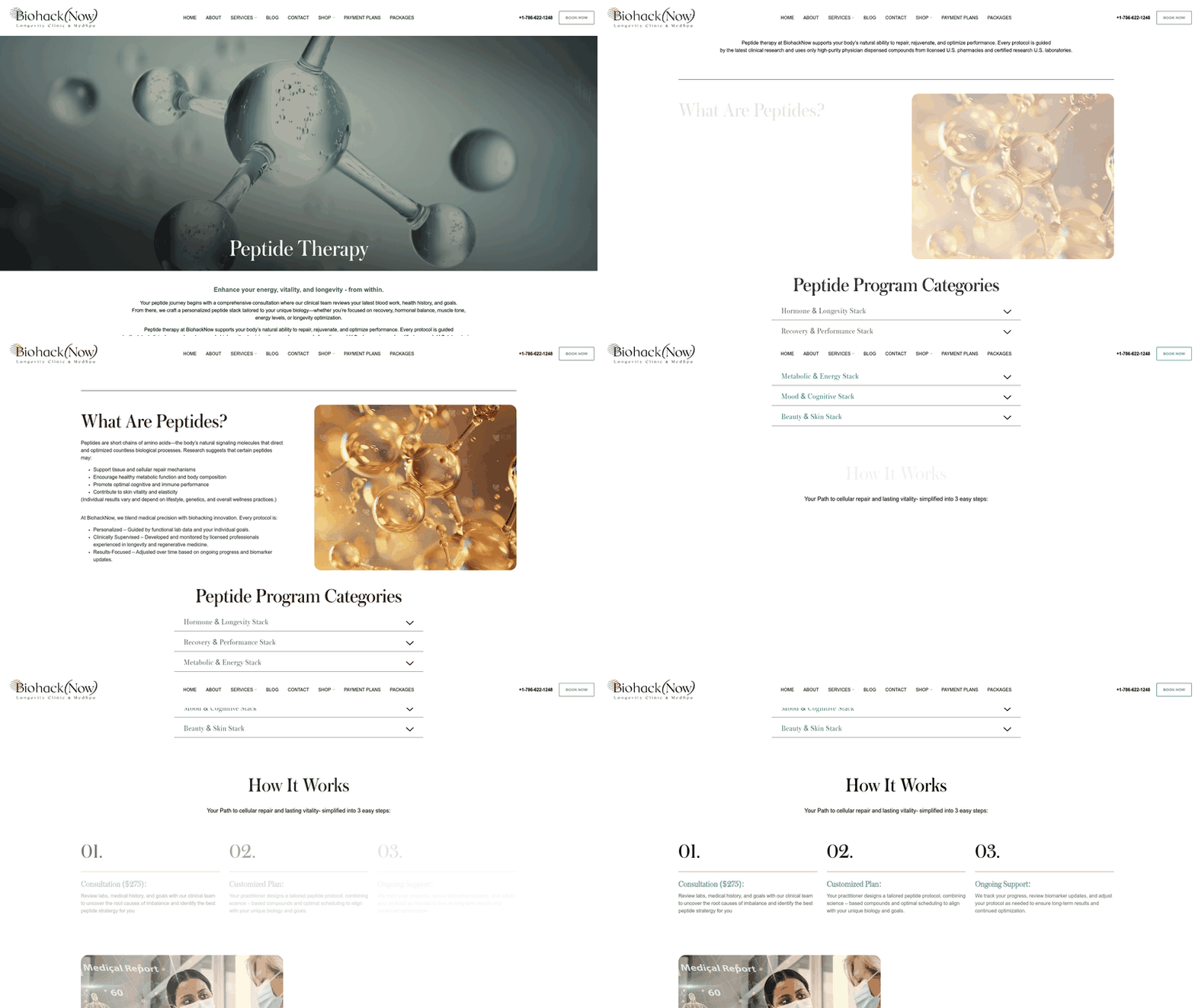
Peptides biohacking is a cutting-edge approach that leverages the power of peptides—short chains of amino acids—to optimize health, performance, and longevity. These molecular building blocks play a critical role in regulating bodily functions, from hormone production to tissue repair. By introducing specific peptides strategically, biohackers aim to enhance natural processes, target aging-related decline, and unlock physiological potential. This practice is gaining traction as scientific research uncovers new applications, supported by platforms like BiohackNow, which offer personalized peptide therapies tailored to individual health goals, aligning with the principles of Peptides Longevity and Health Optimization.
What Are Peptides and How Do They Work?
Peptides function as signaling molecules in the body, acting as messengers that activate or inhibit biological pathways. Unlike full-length proteins, peptides are smaller, allowing them to penetrate cells more efficiently and modulate gene expression or receptor activity. For example, growth hormone-releasing peptides (GHRPs) stimulate the pituitary gland to release human growth hormone (HGH), which supports muscle growth and fat metabolism. Neuropeptides, on the other hand, influence brain function and mood regulation. Their versatility makes them a powerful tool in biohacking, enabling targeted interventions for everything from cognitive enhancement to skin rejuvenation.
Types of Peptides Used in Biohacking
Peptides fall into distinct categories based on their functions and applications. Anti-aging peptides like BPC-157 and TB500 promote collagen synthesis and tissue repair, reducing wrinkles and joint pain. Metabolic peptides such as CJC-1295 and Ipamorelin boost fat loss and lean muscle retention, popular among athletes and fitness enthusiasts. Neurological peptides like Semax and Selank enhance focus and neuroplasticity, while hormonal peptides like Thymosin Beta-4 support immune function and cellular regeneration. BiohackNow offers a curated range of these peptides, including products like Snap-8 (for skin smoothing), which is further explored in Peptides Fertility and Aesthetic Treatments, and Retatrudite (for metabolic support), each selected for its scientific backing and real-world efficacy.
Benefits of Peptides Biohacking
The advantages of peptides biohacking are both wide-ranging and evidence-based. For instance, users often report increased energy and stamina, supported by peptides like AOD 9604, which aids fat metabolism. Others experience improved skin elasticity and reduced fine lines from GHK-CU peptides, which stimulate collagen production. Athletes leverage BPC-157 for accelerated muscle recovery, while professionals use Selank to enhance cognitive clarity and reduce stress. BiohackNow’s clients have shared transformative results: one user, Natalie Brooks, noted, “BiohackNow’s peptide program transformed my energy and metabolism. I started seeing changes within a few weeks” (BiohackNow, 2025). These outcomes highlight peptides’ potential to address aging, performance, and aesthetic goals.
Real-World Applications and BiohackNow’s Approach
Peptides biohacking is no longer confined to labs—it’s being applied in real-world scenarios with measurable impact. For example, retatrudite, a peptide offered by BiohackNow, is used in weight management protocols due to its appetite-suppressing properties. Similarly, Thymalin supports immune resilience, making it a staple for individuals with chronic fatigue or autoimmune conditions. BiohackNow’s approach combines personalized protocols with data-driven tracking, analyzing biomarkers like telomere length and hormone levels to refine treatments, a methodology that builds on concepts from the Data-Driven Care and Health Informatics section. Their team, led by Monika Kosa, integrates global protocols from Switzerland, China, and India, ensuring a blend of innovation and tradition.
For those considering peptides biohacking, platforms like BiohackNow provide a structured pathway. Their Free Consultation pairs clients with experts who assess health goals, recommend customized peptide stacks (e.g., combining CJC-1295 with Ipamorelin for muscle gain), and monitor progress. This science-backed model aligns with broader healthcare trends emphasizing personalized medicine and non-invasive therapies (IQVIA, 2025). As the field evolves, peptides will likely become a cornerstone of preventative and regenerative healthcare, offering tailored solutions for an aging population and performance-driven individuals.
Ready to explore peptides biohacking? Book a Free Consultation at BiohackNow to design your personalized protocol.
By bridging scientific innovation with practical applications, peptides biohacking represents a paradigm shift in healthcare—one that prioritizes individualized outcomes and proactive wellness. As platforms like BiohackNow continue to refine their offerings, the future of health optimization looks increasingly precise and accessible.
Data-Driven Care and Health Informatics
The Rise of Data-Driven Care in Healthcare
Modern healthcare is shifting from generalized approaches to personalized, data-informed decisions. By leveraging patient data—ranging from genetic profiles to real-time biometrics—providers can design treatments tailored to individual needs. This shift reduces trial-and-error methods, replacing them with evidence-based strategies that improve outcomes and reduce costs. For example, predictive analytics can identify patients at risk of chronic conditions, enabling early interventions that prevent costly hospitalizations.
The importance of data-driven care is amplified by its ability to integrate vast datasets, including electronic health records (EHRs), wearable device outputs, and lab results. This holistic view allows clinicians to detect patterns that might be invisible in isolated data points. A 2025 review highlights how data analytics is reshaping primary care, enabling providers to prioritize preventive measures over reactive treatments [https://webtv.un.org/en/asset/k1c/k1cat86k70].
Health Informatics: Tools and Applications
Health informatics—the intersection of healthcare, data science, and technology—is critical to this transformation. Tools like predictive modeling, remote monitoring systems, and AI-powered diagnostic platforms are now standard in advanced clinics. For instance, wearable devices track heart rate variability and sleep patterns, while machine learning models analyze trends to flag anomalies before symptoms arise, as explored in the AI and Automation in Healthcare section.
A prime example of health informatics in action is the OligoScan, a non-invasive tool used by clinics like BiohackNow to measure heavy metal levels and mineral deficiencies. By identifying toxic exposures, providers can design detox protocols that restore balance, as seen in testimonials from clients like Emily Vargas. Similarly, bioinformatics platforms enable precision medicine by mapping genetic markers to recommend therapies, such as peptide stacks or hormone replacements, as detailed in the Peptides Biohacking section.
BiohackNow’s Data-Driven Approach to Personalized Wellness
For health-conscious individuals seeking longevity and performance optimization, BiohackNow exemplifies how data-driven care translates to real-world results. The clinic’s protocols are grounded in scientifically validated biomarkers, including telomere length, hormone levels, and gut microbiome health. By tracking nine core biomarkers for each client, their team creates adaptive treatment plans that evolve with the patient’s health journey.
One standout application is their use of global protocols adapted from Switzerland, China, and India. These evidence-based practices—like regenerative stem cell therapies and peptide treatments—are customized using data from diagnostics like the OligoScan and blood panels. For example, a client struggling with energy levels might receive a tailored blend of supplements, IV therapies, and lifestyle adjustments, all guided by lab results and continuous feedback loops.
Real-world outcomes underscore this approach. Natalie Brooks, a BiohackNow client, shared how their peptide program “transformed my metabolism” within weeks, attributing her sustained energy to data-informed dosing. Similarly, Jason Cole praised the clinic’s NAD+ IVs for “mental clarity I’ve never experienced,” highlighting how personalized dosages, adjusted via real-time biomarker tracking, maximize efficacy.
The Future of Data-Driven Healthcare
As healthcare becomes increasingly data-centric, the integration of informatics into clinical practice will expand. Innovations like AI-driven diagnostics and blockchain-enabled EHR systems will further enhance data security and interoperability. For consumers, this means more transparent, proactive care—where treatments are not only reactive but also predictive.
BiohackNow’s model illustrates the potential of this shift. By combining global scientific research with individualized data analysis, they offer a blueprint for future healthcare: one where every decision is guided by measurable evidence, ensuring outcomes that are both optimal and sustainable. As the industry evolves, platforms that prioritize data integrity and patient-centric analytics will lead the charge in redefining wellness, as discussed in the Precision Medicine and Biohacking section.
AI and Automation in Healthcare
AI and automation are reshaping healthcare, driving breakthroughs in diagnostics, treatment personalization, and operational efficiency. From analyzing medical images to streamlining administrative workflows, these technologies offer transformative potential. However, their adoption also raises critical questions about ethics, data privacy, and accessibility. Below, we explore how AI and automation are revolutionizing the field, using real-world examples and insights from providers like BiohackNow.
AI in Diagnostics and Treatment Personalization
Machine learning models are now capable of analyzing vast datasets—such as medical images, genetic profiles, and patient histories—to detect diseases with remarkable accuracy. For example, Google’s DeepMind developed an AI system that can diagnose over 50 eye diseases from retinal scans with precision rivaling that of top ophthalmologists. Similarly, AI-driven diagnostics in radiology reduce human error and accelerate early detection of conditions like cancer or cardiovascular disease.
Personalized treatment plans are another frontier. AI algorithms process genetic and biomarker data to recommend therapies tailored to individual patients. Cancer treatment platforms like IBM Watson for Oncology analyze clinical guidelines and research to suggest precision medicine options, optimizing outcomes while minimizing side effects. See the Precision Medicine and Biohacking section for more details on how AI-driven approaches align with broader trends in personalized healthcare. At BiohackNow, AI plays a central role in crafting personalized wellness protocols. By analyzing biomarkers such as hormone levels, gut health, and telomere length, their data-driven approach ensures treatments align with each client’s unique physiology.
Automation Enhancing Healthcare Operations
Automation is streamlining administrative and clinical workflows, reducing costs, and improving patient care. Robotic process automation (RPA) handles repetitive tasks like scheduling, billing, and claims processing, freeing healthcare professionals to focus on patient interactions. For instance, AI-powered chatbots in telehealth platforms triage symptoms and connect users with the right specialists, enhancing access to care.
In clinical settings, automation supports precision and safety. Robotic surgical systems like the da Vinci platform enable minimally invasive procedures with enhanced precision, reducing recovery times and complications. Automated medication dispensing systems further minimize errors in drug administration. At BiohackNow, automation ensures consistency in non-invasive therapies and aesthetic treatments. For example, their protocols use AI to track 9 core biomarkers, enabling real-time adjustments to regimens like peptide therapies or IV infusions.
Real-World Impact and Challenges
The benefits of AI and automation are evident in real-world applications. A study at Stanford University demonstrated that AI models could predict heart disease risk by analyzing electronic health records more accurately than traditional methods. Meanwhile, AI-powered wearable devices continuously monitor vital signs, alerting patients and providers to potential health issues before they escalate.
However, challenges persist. Data privacy remains a top concern, as AI systems require access to sensitive health information. Regulatory frameworks must evolve to address biases in algorithms, which can inadvertently favor certain demographics. Additionally, high implementation costs and the need for technical expertise create barriers for smaller clinics. BiohackNow, for instance, balances cutting-edge technology with affordability by integrating AI into targeted, science-backed protocols rather than overhauling entire systems.
BiohackNow’s Use of AI and Automation
BiohackNow exemplifies how AI and automation can enhance niche healthcare services. Their precision medicine programs leverage AI to analyze global protocols from Switzerland, China, and India, adapting them to individual client needs. For example, their OligoScan technology detects heavy metals in the body, and AI algorithms generate personalized detox plans based on the results. Building on concepts from the Peptides Longevity and Health Optimization section, these protocols often incorporate peptide-based treatments to address cellular health. Clients like Emily Vargas praise these tools: “The OligoScan showed exactly which heavy metals were affecting me. Monika created a detox plan that actually worked—my energy and focus dramatically improved.”
Automation also supports BiohackNow’s efficiency in tracking treatment outcomes. By integrating AI into their client data systems, they ensure continuous monitoring of biomarkers like hormone levels and gut health, allowing for real-time adjustments to protocols. This approach aligns with their mission to provide data-driven, personalized care without compromising on safety or scientific rigor.
The Future of AI in Healthcare
As AI and automation mature, their integration into healthcare will deepen. Emerging trends include AI-driven drug discovery, which accelerates the development of novel therapies, and automated robotic assistants that support elderly patients at home. However, success hinges on addressing ethical concerns, ensuring equitable access, and fostering collaboration between technologists and clinicians.
For providers like BiohackNow, the key lies in balancing innovation with practicality. By harnessing AI to refine personalized wellness protocols and automate operational efficiencies, they demonstrate how technology can enhance—not replace—human expertise. As the healthcare industry evolves, the focus must remain on using these tools to empower patients and providers alike.
“The NAD+ and high-dose Vitamin C IVs gave me a level of mental clarity and recovery I’ve never experienced. BiohackNow’s treatments are on another level.” – Jason Cole, BiohackNow client
As with any technological shift, the future of healthcare will depend on our ability to align innovation with human needs. AI and automation are not just tools; they are catalysts for a more precise, efficient, and personalized approach to well-being.
Digital Health and Telemedicine
Digital health and telemedicine are reshaping how care is delivered, offering tools that expand access and tailor solutions to individual needs. One of the core benefits of digital health is its ability to break down geographical barriers. For example, telemedicine platforms allow patients in remote areas to consult specialists without traveling long distances . This is particularly impactful in rural regions where healthcare facilities are sparse. Additionally, personalized wellness protocols—like those offered by BiohackNow—use data from biomarkers such as hormones and gut health to create individualized treatment plans. See the Data-Driven Care and Health Informatics section for more details on how data personalizes treatment plans. By tracking 9 core biomarkers, these programs adjust therapies in real time, ensuring care evolves with the patient’s health .
Telemedicine in Action: From Consultations to Chronic Care
Telemedicine applications extend beyond virtual checkups. Remote monitoring devices, for instance, let patients manage chronic conditions like diabetes or hypertension from home. A study highlighted in this analysis shows how wearable tech paired with telehealth platforms reduces hospital readmissions by enabling early intervention. BiohackNow integrates this approach by offering scientifically-backed treatments via digital consultations, guiding clients through protocols like peptide therapies or IV nutrient sessions remotely. Building on concepts from the Introduction to Peptides Biohacking section, these therapies leverage peptides to optimize health outcomes. Clients can access expert guidance without visiting a clinic, a feature especially valuable for professionals seeking performance optimization or anti-aging solutions .
Challenges: Security, Equity, and the Limits of Virtual Care
Despite its promise, digital health faces hurdles. Privacy concerns remain a top priority. A 2025 report from the Investment Council reveals that 43% of healthcare providers cite cybersecurity as their biggest operational risk . Platforms like BiohackNow address this by anonymizing patient data and adhering to strict compliance standards, but the threat of data breaches persists. Another challenge is the digital divide: low-income communities often lack reliable internet access, limiting telemedicine’s reach . For instance, while BiohackNow’s online booking system streamlines appointments for tech-savvy users, it may exclude those unfamiliar with digital tools.
Moreover, not all care can be digitized. Treatments requiring in-person procedures—like advanced aesthetic services or stem cell therapies—still demand physical clinic visits. BiohackNow balances this by combining virtual consultations with on-site treatments, ensuring clients receive both the convenience of digital planning and the hands-on expertise of medical professionals .
Real-World Example: BiohackNow’s Hybrid Model
BiohackNow’s approach exemplifies how digital health can merge with traditional care. Clients start with a free online consultation, where AI-driven tools analyze their health goals and recommend protocols. For example, a client aiming for anti-aging treatments might receive a plan combining peptide therapies with personalized nutrition advice, all tracked via a mobile app . This hybrid model is supported by global protocols adapted from clinics in Switzerland and China, ensuring clients benefit from international standards while receiving localized care. Building on concepts from the Precision Medicine and Biohacking section, this approach tailors interventions to individual genetic and biological profiles.
User testimonials highlight the effectiveness of this blend. Natalie Brooks, a BiohackNow client, shared, “The peptide program transformed my energy and metabolism. Monika guided me every step of the way” . Such feedback underscores how digital health tools, when paired with human expertise, can deliver measurable outcomes.
The Future: Balancing Innovation and Practicality
As telemedicine evolves, its success will depend on addressing gaps in accessibility and security. Innovations like AI-driven diagnostics and AI-powered chatbots may further streamline care, but they must be implemented alongside human oversight. For platforms like BiohackNow, the key lies in maintaining a balance—leveraging digital tools to enhance scalability while preserving the personalized touch that sets their services apart .
In summary, digital health and telemedicine are not just trends but foundational shifts in healthcare. By embracing both their opportunities and limitations, providers can create systems that are inclusive, secure, and deeply personalized.
Sustainability and Climate Resilience in Healthcare
Sustainability in healthcare isn’t just an environmental goal—it’s a business imperative. Hospitals and clinics contribute up to 10% of national carbon emissions globally, driven by energy use, waste, and supply chains. By adopting sustainable practices, healthcare providers reduce operational costs, improve patient outcomes, and future-proof their operations. For example, energy-efficient lighting and renewable energy sources can cut utility bills by 20–30%, while waste reduction programs minimize landfill costs and regulatory risks. These benefits make sustainability a strategic priority, especially as patients increasingly favor eco-conscious providers.
Climate Resilience Strategies for Healthcare Systems
Healthcare resilience starts with infrastructure. Hospitals in climate-vulnerable regions are retrofitting buildings with solar panels, rainwater harvesting systems, and energy storage to withstand power outages during extreme weather. The Mayo Clinic reduced its carbon footprint by 40% since 2014 through energy-efficient HVAC systems and green building certifications. Supply chain optimization is another key strategy: sourcing locally produced medical supplies cuts transportation emissions, and reusable surgical tools replace single-use plastics. For instance, Cleveland Clinic eliminated over 1,000 tons of plastic waste annually by switching to sterilizable instruments.
Telehealth also plays a role. Virtual consultations reduce patient travel emissions and ease clinic overcrowding, as seen in Sweden’s Karolinska Institute, which expanded remote care post-pandemic, cutting transportation-related CO2 by 15%. These strategies show that climate resilience isn’t just about survival—it’s about building adaptive, efficient systems that serve patients better.
Real-World Challenges and BiohackNow’s Role
Despite progress, sustainability efforts face hurdles. Small clinics often lack capital for green upgrades, while regulatory complexity can slow adoption. For example, a rural health center might struggle to afford solar installation without grants, and hospitals in older buildings face high retrofitting costs. Even well-intentioned initiatives can backfire: overreliance on electric vehicles for medical transport without grid upgrades risks service disruptions during outages.
In this landscape, clinics like BiohackNow demonstrate how niche providers can integrate sustainability. While their primary focus is precision medicine and anti-aging treatments (see the Precision Medicine and Biohacking section for more details on their services), their operations reflect eco-conscious choices. Their Miami clinic uses energy-efficient LED lighting and HVAC systems to minimize power consumption. Additionally, BiohackNow sources peptides and supplements through suppliers prioritizing eco-friendly packaging, aligning with their clients’ wellness values. For instance, their Snap-8 (10mg) peptide vials come in recyclable glass containers, reducing plastic waste compared to standard industry packaging.
Balancing Innovation with Responsibility
The path to sustainable healthcare requires balancing innovation with responsibility. While high-tech treatments like regenerative therapies or NAD+ infusions (which are explored in the Peptides Longevity and Health Optimization section) offer cutting-edge benefits, their environmental impact—from lab energy use to cold-chain logistics—must be addressed. Clinics can mitigate this by opting for green laboratories and carbon-neutral shipping partners. For example, BiohackNow’s Glow GHK-CU product line is stored in energy-efficient freezers, and their shipping partner offsets delivery emissions.
However, sustainability isn’t a one-size-fits-all solution. A clinic specializing in aesthetic procedures may prioritize reducing chemical waste, while a hospital focuses on emergency preparedness for climate disasters. The key is continuous evaluation: regular audits of energy use, waste streams, and supply chain ethics help identify gaps. As mentioned in the Data-Driven Care and Health Informatics section, leveraging data analytics can enhance these audits, enabling targeted improvements.
Why This Matters for Future Healthcare
Climate change is already affecting health outcomes—heatwaves strain emergency departments, and air pollution exacerbates respiratory conditions. By embedding sustainability into operations, healthcare providers protect both patients and the planet. For businesses like BiohackNow, this means appealing to clients who value longevity and ethics in equal measure. As one client noted, “Choosing BiohackNow feels aligned with my goals for personal and planetary health.”
The future of healthcare isn’t just about advanced treatments—it’s about building systems that endure. Clinics embracing sustainability today will lead the shift toward resilient, patient-centered care tomorrow.
Demographic and Workforce Shifts in Healthcare
The healthcare industry is undergoing profound shifts driven by demographic changes and evolving workforce demands. As populations age and patient needs diversify, providers must adapt to deliver effective, equitable care. Understanding these shifts is critical for healthcare professionals and innovators alike.
Aging Population Challenges
The global aging population is a defining demographic trend. By 2030, over 18% of the U.S. population will be aged 65 or older . Older adults often require complex, long-term care for chronic conditions like diabetes, heart disease, and cognitive decline. This surge in demand strains healthcare systems, increasing costs and requiring specialized geriatric expertise.
For example, a 2025 study found that aging patients are more likely to have comorbidities requiring coordinated care across specialties . This complexity challenges traditional care models, pushing providers toward integrated solutions like telehealth and home-based services. However, many healthcare systems lack the infrastructure to scale these innovations, creating gaps in access and quality. See the Digital Health and Telemedicine section for more details on how telehealth is transforming care delivery.
New Skill Demands in Healthcare
The workforce must evolve to meet these challenges. Doctors and nurses now need skills in personalized medicine, data analytics, and cross-cultural communication. A 2025 survey of NHS physicians revealed that 78% believe training in geriatric care and digital health tools is essential to address aging demographics . Building on concepts from the Data-Driven Care and Health Informatics section, data analytics plays a pivotal role in tailoring care for aging populations.
Consider the rise of precision medicine, which tailors treatments to individual genetic profiles. This approach requires clinicians to interpret genomic data and collaborate with bioinformatics experts. As mentioned in the Precision Medicine and Biohacking section, integrating these strategies enhances outcomes for patients with complex needs. Similarly, telehealth adoption has surged, demanding proficiency in virtual care platforms. For instance, rural clinics in India now use AI-powered diagnostic tools to manage aging populations, blending technology with traditional care .
BiohackNow’s Adaptive Approach
Innovators like BiohackNow are redefining care for demographic shifts. Their personalized longevity programs combine regenerative therapies, peptides, and aesthetic treatments to address aging at the cellular level. By tracking nine core biomarkers—ranging from telomere length to gut health—they create data-driven protocols. As highlighted in the Peptides Longevity and Health Optimization section, peptides play a central role in optimizing healthspan and vitality. One client, Natalie Brooks, reported improved energy and metabolism within weeks of starting their peptide program: “The personalized approach transformed my daily life” [BiohackNow Testimonial].
Their model also emphasizes global expertise, integrating protocols from Switzerland, China, and India. This cross-regional knowledge helps address diverse patient needs, from hormone optimization to stem cell therapies. For example, their use of NAD+ IV infusions aligns with research on mitochondrial health in aging, offering clients a science-backed option for cognitive and physical vitality [BiohackNow Website].
Bridging Gaps Through Innovation
Healthcare systems must prioritize workforce training and technology adoption to meet demographic demands. BiohackNow’s success highlights the value of agile, patient-centric solutions. By blending global research with individualized care, they exemplify how providers can adapt to aging populations and evolving skill requirements. As these shifts accelerate, collaboration between policymakers, innovators, and clinicians will determine the future of accessible, high-quality care.
“The BiohackNow peptide program gave me energy I thought was lost forever.” — Michael Russo, Client [BiohackNow Testimonial]
By addressing these challenges holistically, the industry can transform aging from a burden into an opportunity for innovation.
Precision Medicine and Biohacking
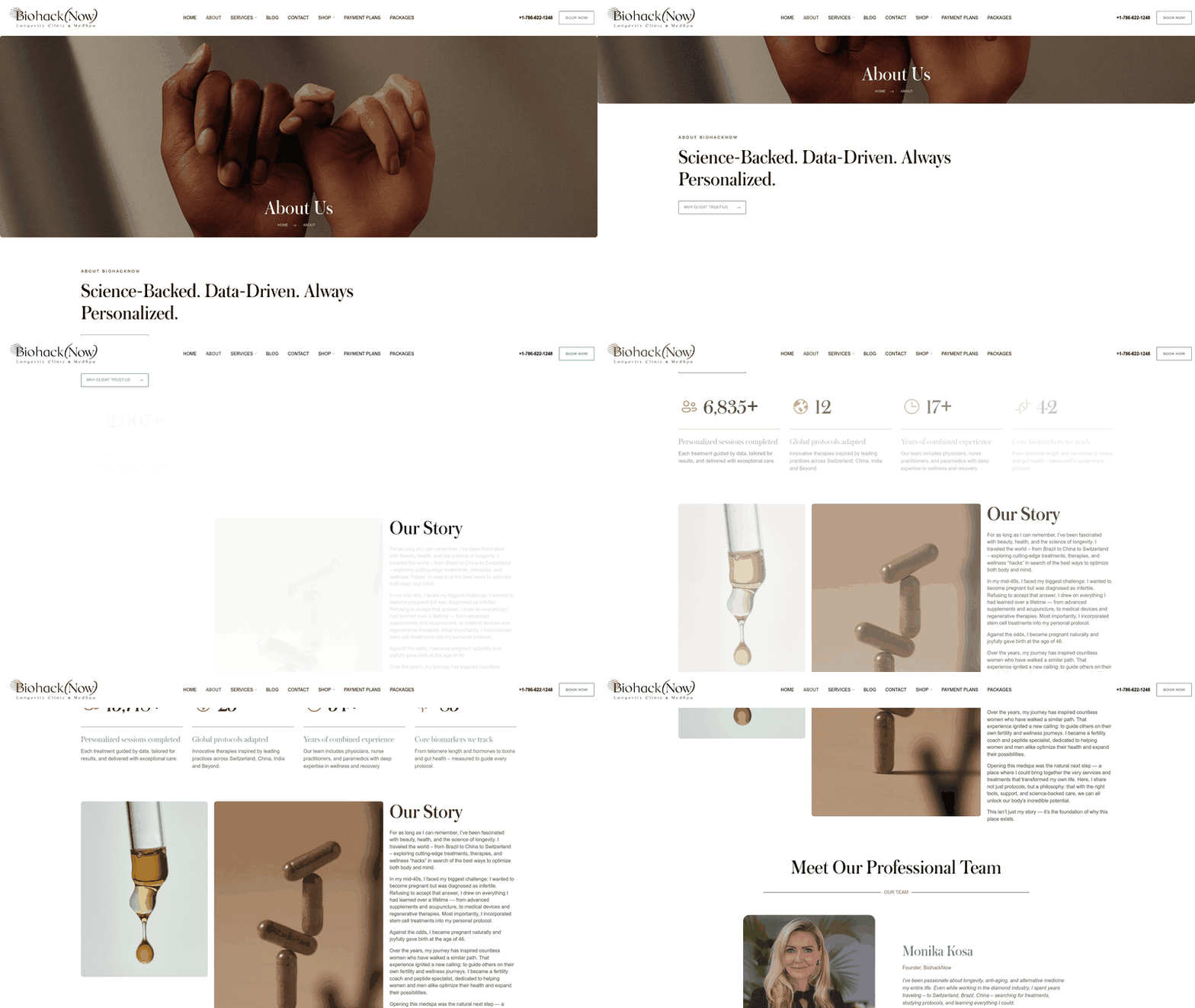
Precision medicine and biohacking represent a seismic shift in healthcare, blending genetic science, data-driven insights, and self-optimization strategies to redefine how we approach wellness. Unlike traditional one-size-fits-all models, precision medicine tailors treatments to individual genetic profiles, biomarkers, and lifestyle factors. Meanwhile, biohacking empowers individuals to experiment with tools like wearable tech, supplements, and regenerative therapies to enhance physical and cognitive performance. Together, these fields are unlocking new frontiers in longevity, aesthetics, and chronic disease management.
The Rise of Precision Medicine
Precision medicine’s core strength lies in its ability to address root causes rather than symptoms. For example, genetic testing can identify mutations driving cancer, enabling targeted therapies like HER2 inhibitors for breast cancer patients. A 2025 NHS report highlights that personalized treatments improve outcomes by 25–40% compared to standard protocols. Beyond oncology, precision medicine is revolutionizing cardiology (tailored cholesterol-lowering drugs) and neurology (customized Alzheimer’s therapies).
A real-world example is BiohackNow’s integration of 9 core biomarkers, including telomere length and gut health, to craft personalized protocols. By analyzing these metrics, their team designs interventions—such as hormone optimization or stem cell therapies—that align with clients’ genetic predispositions. This approach mirrors global practices in Switzerland and Japan, where precision medicine is mainstream. See the Data-Driven Care and Health Informatics section for more details on how biomarker analysis shapes modern healthcare.
Biohacking: From Wearables to Regenerative Protocols
Biohacking spans a spectrum of strategies, from low-tech (intermittent fasting) to high-tech (neurofeedback devices). Wearables like Whoop and Oura Ring track heart rate variability and sleep cycles, enabling users to adjust habits for peak performance. More advanced biohacks involve non-invasive therapies such as red light therapy for cellular repair or IV infusions of NAD+ to boost mitochondrial function.
BiohackNow offers protocols like Snap-8 peptides for skin relaxation and OligoScan detox programs to remove heavy metals. These services reflect a growing demand for science-backed, customizable tools. As mentioned in the Introduction to Peptides Biohacking section, peptides play a pivotal role in optimizing health and aesthetics through targeted biological mechanisms.
Challenges and Ethical Considerations
Despite its promise, precision medicine and biohacking face hurdles. Genetic testing can cost $1,000–$5,000, limiting accessibility. Biohacking, meanwhile, risks exploitation by unregulated markets—some supplements lack FDA approval, and “miracle” claims often outpace scientific validation. Ethical concerns also arise: Who owns genetic data? How can privacy be protected?
BiohackNow addresses these challenges by anchoring services in scientific rigor. Their protocols draw from global standards, and all treatments are supervised by licensed physicians. Yet, even with safeguards, the line between therapeutic innovation and over-the-counter experimentation remains blurry.
The Future: Personalized Longevity and Beyond
The convergence of precision medicine and biohacking is accelerating. Imagine a future where AI analyzes your microbiome and bloodwork to recommend tailored nutraceuticals or where CRISPR-based therapies erase genetic diseases. Building on concepts from the AI and Automation in Healthcare section, artificial intelligence could soon streamline diagnostics and treatment personalization at scale.
BiohackNow’s peptide therapies, such as AOD 9604 for fat metabolism, hint at this potential. For health-conscious individuals and professionals seeking performance gains, these tools offer tangible benefits. However, success hinges on balancing innovation with caution. As the NHS emphasizes, “Adopting precision medicine requires robust data governance and equitable access to avoid widening health disparities.”
In essence, precision medicine and biohacking are reshaping healthcare from a reactive to a proactive model. By prioritizing personalization and evidence-based practices, platforms like BiohackNow are at the forefront of this evolution—providing a blueprint for a healthier, longer life.
“BiohackNow’s peptide program transformed my energy and metabolism. I started seeing changes within a few weeks.” — Natalie Brooks, Client
This section underscores the transformative potential of these fields while emphasizing the need for responsible, data-driven approaches. Whether through genetic insights or biohacked routines, the future of healthcare is undeniably personalized.
Peptides Longevity and Health Optimization
Peptides—short chains of amino acids—are emerging as a cornerstone in longevity science and health optimization. Their ability to influence cellular processes, from tissue repair to hormone regulation, positions them as a powerful tool in addressing aging and chronic conditions. According to recent research, peptides can target specific biological pathways, such as reducing inflammation, enhancing mitochondrial function, and promoting telomere stability. These mechanisms align with broader trends in healthcare, where precision medicine and personalized protocols are reshaping treatment paradigms. For example, BPC-157 and CJC-1295 are widely studied for their roles in accelerating wound healing and boosting growth hormone levels, respectively.
Longevity Applications: From Cellular Repair to Systemic Health
One of the most compelling aspects of peptides is their potential to combat age-related decline. Studies suggest that peptides like Thymosin Alpha-1 can modulate immune responses, while Semax may enhance neuroplasticity and cognitive resilience. These applications are particularly relevant for aging populations, as demographic shifts strain healthcare systems grappling with chronic diseases. By addressing root causes of cellular degeneration, peptides offer a proactive approach to longevity. For instance, TB500, a peptide under investigation for muscle regeneration, is often integrated into protocols for joint health and recovery in athletes and aging individuals.
Health Optimization Strategies: Personalized Protocols and Synergies
Effective peptide use hinges on individualized plans that align with genetic, metabolic, and lifestyle factors. Clinics like BiohackNow emphasize data-driven protocols, leveraging biomarker tracking (e.g., telomere length, hormone panels) to tailor treatments. Their approach combines peptides with complementary therapies, such as IV nutrient infusions or acupuncture, to amplify outcomes. For example, a client might receive GHRP-6 peptides to stimulate growth hormone production alongside NAD+ IVs for mitochondrial support. This synergy reflects a shift toward holistic health optimization, where interventions are layered to address multiple systems simultaneously. As mentioned in the Data-Driven Care and Health Informatics section, such strategies rely on continuous monitoring and adaptive treatment frameworks.
Real-World Examples and BiohackNow’s Role
BiohackNow’s peptide therapies are grounded in protocols inspired by global medical practices, from Swiss regenerative medicine to Chinese botanical research. Their Snap-8 product, designed for skin health, demonstrates how peptides can target cosmetic concerns while supporting broader wellness goals. Clients like Natalie Brooks report visible improvements in energy and metabolism within weeks of starting a regimen. Similarly, Retatrudite (a GLP-1 receptor agonist) is marketed for weight management, reflecting trends in metabolic health. These examples highlight the clinic’s commitment to blending scientific innovation with accessible, results-oriented care.
“The NAD+ and high-dose Vitamin C IVs gave me a level of mental clarity and recovery I’ve never experienced. BiohackNow’s treatments are on another level.” – Jason Cole, Client
While peptides hold promise, their use requires careful consideration of safety, dosage, and medical supervision. As healthcare trends increasingly prioritize preventive and personalized strategies, peptides will likely occupy a central role in redefining longevity protocols. Clinics like BiohackNow are at the forefront, bridging cutting-edge science with real-world applications to meet the demands of a health-conscious, aging population. See the Precision Medicine and Biohacking section for more details on how these approaches integrate with broader health optimization frameworks.
Peptides Fertility and Aesthetic Treatments
Peptides are short chains of amino acids that play a critical role in cellular communication, hormone regulation, and tissue repair. Their ability to target specific biological pathways has made them a cornerstone of precision medicine, particularly in fertility and aesthetic treatments. As mentioned in the Precision Medicine and Biohacking section, this targeted approach aligns with the principles of individualized healthcare, where therapies are tailored to genetic, environmental, and lifestyle factors. By modulating hormones, reducing inflammation, or stimulating collagen production, peptides offer tailored solutions for individuals seeking to optimize health and appearance. For example, research in dermatology highlights peptides like BPC-157 and GHK-Cu for their role in skin regeneration, while CJC-1295 and Ipamorelin are studied for their metabolic and hormonal benefits.
Peptides in Fertility Treatments
In reproductive health, peptides are revolutionizing protocols for both men and women. For women, compounds like Thymosin Beta-4 support ovarian function by reducing oxidative stress, while Follistim (FSH analogs) stimulate follicular development. Men may benefit from Epitalon, a peptide linked to improved sperm motility and testosterone balance. At BiohackNow, personalized protocols integrate these therapies with regenerative treatments, such as stem cell therapy, to address infertility caused by hormonal imbalances or age-related decline. Monika Kosa, founder of BiohackNow, shares her own success story of overcoming infertility through a combination of peptides, acupuncture, and stem cell treatments, demonstrating their potential in real-world applications.
Aesthetic Applications and Personalized Protocols
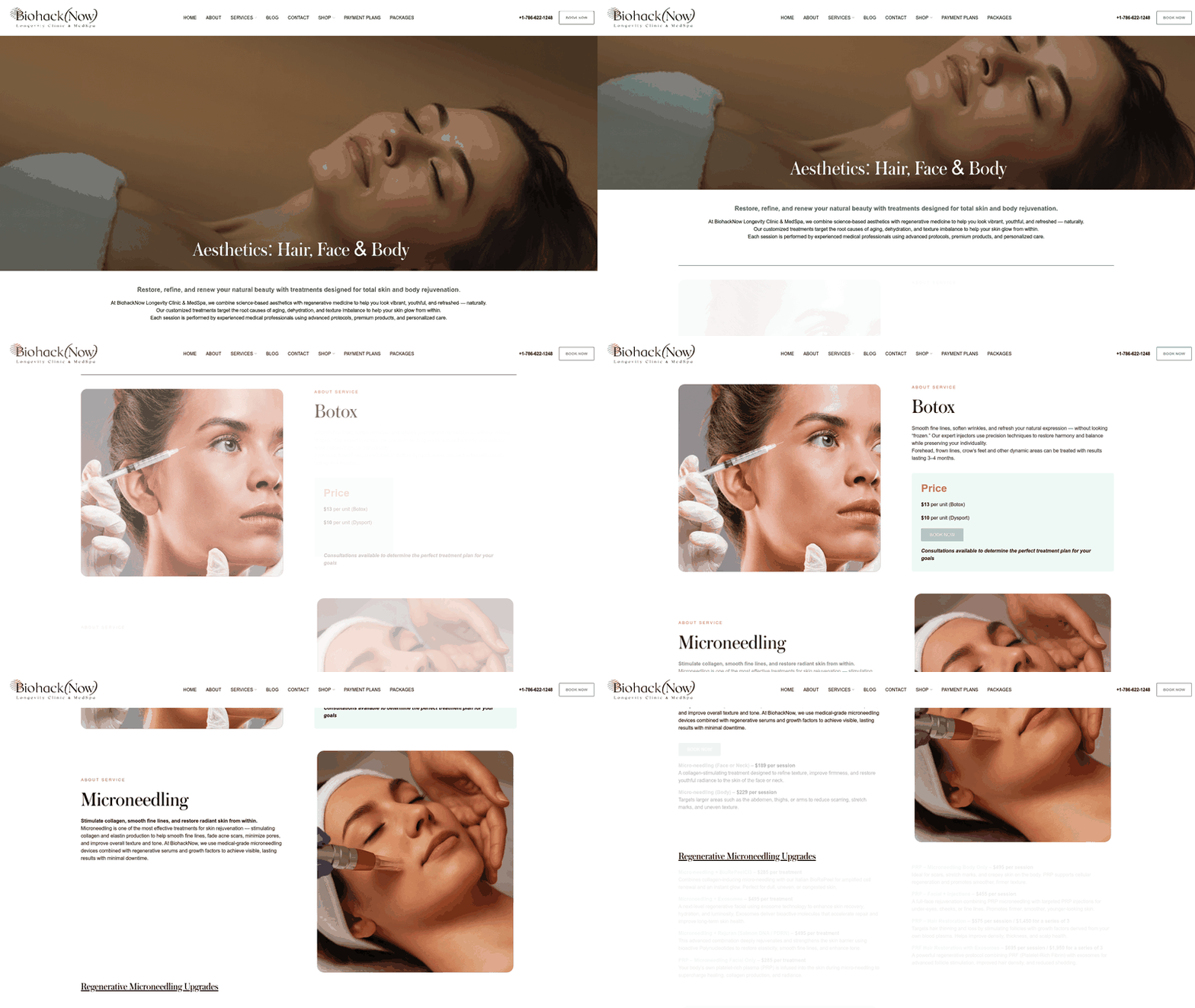
In aesthetics, peptides are reshaping anti-aging and skin-renewal treatments. SNAP-8 and Argireline are popular for reducing fine lines by inhibiting neuromuscular signals, while Matrixyl boosts collagen synthesis for firmer skin. BiohackNow’s Glow Stack combines microneedling with platelet-rich plasma (PRP) and peptides like TB500 to accelerate tissue repair and enhance skin elasticity. Clients like Natalie Brooks report visible improvements in skin texture and tone within weeks, attributing results to the clinic’s data-driven approach. The clinic also offers Snap-8 (10mg) and Retatrutide (for metabolic health) directly through its e-commerce platform, emphasizing non-invasive, science-backed solutions.
Real-World Integration and Future Trends
The rise of personalized protocols is a key trend in healthcare, and BiohackNow exemplifies this shift. Building on concepts from the Data-Driven Care and Health Informatics section, the clinic designs individualized peptide regimens by analyzing biomarkers like hormone levels and gut health. For instance, a 35-year-old client struggling with PCOS might receive a combination of AOD 9604 (for fat metabolism) and Gonadorelin (to stimulate ovarian activity), monitored through regular lab tests. This model reflects broader industry shifts toward preventative care and data-driven interventions, as highlighted in healthcare trend analyses.
As peptides continue to bridge the gap between regenerative medicine and cosmetics, their integration into mainstream healthcare will depend on accessibility, affordability, and rigorous clinical validation. See the Peptides Longevity and Health Optimization section for further exploration of peptides‘ role in extending healthspan and enhancing vitality. Clinics like BiohackNow are leading the charge, proving that science-backed, personalized therapies can deliver transformative results. For those exploring this frontier, the message is clear: peptides are not just a trend—they’re a gateway to redefining health and beauty in the modern era.
References
[1] Doctors‘ perspectives of the suggested key shifts in NHS healthcare … – https://www.sciencedirect.com/science/article/pii/S2514664525001651
[2] The Political Economy of Implementing Primary Health Care: Key … – https://webtv.un.org/en/asset/k1c/k1cat86k70
[3] State and Federal Shifts: Key Regulatory Trends for Healthcare … – https://www.investmentcouncil.org/wp-content/uploads/2025/04/Massumi-Consoli-Healthcare-PE-Trends-FINAL-AIC.pdf
[4] Demographic shifts and healthcare: A review of aging populations … – https://www.researchgate.net/publication/377807347_Demographic_shifts_and_healthcare_A_review_of_aging_populations_and_systemic_challenges
Frequently Asked Questions
1. What are the most significant future trends in healthcare mentioned in the article?
The article highlights seven key shifts: personalized medicine, telehealth expansion, non-invasive therapies, data-driven health, regulatory tightening, aging population challenges, and sustainability in healthcare. These trends reflect advancements in technology, demographic changes, and evolving patient needs. BiohackNow aligns with several of these, such as offering precision medicine protocols and non-invasive aesthetic treatments.
2. How does personalized medicine differ from traditional healthcare approaches?
Personalized medicine tailors treatments based on an individual’s genetic, lifestyle, and biomarker data, whereas traditional approaches often use one-size-fits-all solutions. This shift allows for more targeted interventions, improving efficacy and reducing side effects. BiohackNow implements this through precision protocols and peptide therapies, as detailed in their focus on individualized wellness goals.
3. What role does telehealth play in modern healthcare, and how is it integrated into services like BiohackNow?
Telehealth enables virtual consultations and remote monitoring, increasing accessibility to care. While BiohackNow does not offer direct telehealth services, it supports at-home protocols via expert guidance (e.g., from Monika Kosa). This aligns with broader trends in digital health, allowing patients to maintain personalized wellness plans remotely.
4. How do non-invasive therapies benefit patients, and what examples does the article provide?
Non-invasive therapies, such as laser treatments and microneedling with PRP, offer reduced recovery times and lower risks compared to surgical options. BiohackNow provides services like microneedling with PRP and laser hair removal for skin and aesthetic care, reflecting the growing demand for regenerative and minimally invasive solutions.
5. Why is data-driven health becoming critical in healthcare, and how is it applied in practice?
Data-driven health uses AI and analytics to optimize diagnostics, treatment plans, and outcomes by analyzing patient-specific data. For instance, BiohackNow tracks nine core biomarkers (e.g., hormones, telomeres) to guide personalized protocols. This approach aligns with the article’s emphasis on leveraging data for precision and proactive health management.
6. How do regulatory changes impact healthcare providers and patients?
Stricter regulations ensure safety and efficacy, particularly for biohacking and peptide therapies. Providers must adhere to compliance standards, which can increase costs and complexity. BiohackNow addresses this by following scientifically-backed global protocols from Switzerland and China, ensuring treatments meet rigorous standards while remaining accessible to patients.
7. What challenges does the aging population pose for healthcare systems?
An aging population increases demand for chronic disease management, mobility support, and geriatric care. Healthcare systems must adapt with scalable solutions, such as remote monitoring and preventive care. While the article does not directly reference BiohackNow’s role in aging care, the platform’s focus on longevity and regenerative therapies aligns with addressing age-related health goals.
Free 15-Minute Discovery Call
Ready to take the guesswork out of your health?
Book a free 15-minute call with Monika to talk through your goals, what testing makes sense for you, and the right next step. No pressure, just clarity.
Book Your Free CallFor educational purposes only. Not medical advice.