
Why Fat Loss Peptides Matter
Fat loss peptides have emerged as a transformative tool in weight management, offering a science-backed approach to tackle stubborn fat and metabolic challenges. Among these, GLP-1 receptor agonists (GL Peptides) and AOD-9604 stand out, but their mechanisms, efficacy, and real-world impact differ significantly. Understanding why these peptides matter requires diving into their clinical validation, metabolic benefits, and ability to overcome common weight-loss roadblocks. For a deeper dive into how GLP-1 peptides function, see the GL Peptides for Fat Loss section.
The Science Behind Fat Loss Peptides: GLP-1 vs AOD-9604
GLP-1 peptides, such as semaglutide and tirzepatide, replicate the action of the gut hormone glucagon-like peptide-1. This hormone regulates blood sugar, suppresses appetite, and slows gastric emptying, creating a natural appetite curb and calorie deficit. Clinical trials show these peptides can lead to 14–20% body weight loss over 6–7 months, with dual-action drugs like tirzepatide outperforming single-agonists. For more on the specific mechanisms of GLP-1, refer to the GL Peptides for Fat Loss section.
In contrast, AOD-9604, a modified fragment of human growth hormone, targets fat metabolism by stimulating lipolysis and inhibiting fat storage. However, it lacks the comprehensive appetite suppression and metabolic regulation of GLP-1 drugs. As one expert notes: “GLP-1 therapies address the body as a whole, while AOD-9604 operates in a more limited capacity.” Further details on AOD-9604’s role in fat loss can be found in the AOD-9604 for Fat Loss section.
| Feature | GLP-1 Peptides | AOD-9604 |
|---|---|---|
| Primary Mechanism | Appetite suppression, metabolic regulation | Fat breakdown, fat storage inhibition |
| FDA-Approved for Weight Loss | Semaglutide (Wegovy), tirzepatide (Zepbound) | Not FDA-approved |
| Average Weight Loss | 14–20% (6–72 weeks) | Limited clinical evidence |
| Additional Benefits | Reduces diabetes risk, kidney/cardiac risks | Minimal comorbidity impact |
Real-World Impact: Beyond the Scale
Weight loss isn’t just about shedding pounds-it’s about improving health outcomes. GLP-1 peptides have shown remarkable success in reducing type 2 diabetes risk by 72% and slowing kidney disease progression by 18%. For someone struggling with obesity-related comorbidities, these drugs offer a dual benefit: losing fat while protecting vital organs. The Comparison of GL Peptides and AOD-9604 section provides a detailed analysis of their differing health impacts.
Consider the SURMOUNT-1 trial, where tirzepatide users lost 20.2% of their body weight over 72 weeks, compared to 13.7% for semaglutide. This isn’t just a number-it translates to real changes in body composition, energy levels, and long-term health. In contrast, AOD-9604 lacks strong clinical trials to support similar outcomes, making it a less predictable option. Peptides also help overcome weight-loss plateaus, a common challenge. GLP-1 drugs maintain appetite suppression and metabolic rate over time, while AOD-9604’s effects may plateau sooner due to its narrower mechanism. For someone who’s stuck at a 10% weight loss, switching to a GLP-1 therapy could enable further progress.
Who Benefits Most?
GLP-1 peptides are ideal for individuals with metabolic syndrome, type 2 diabetes, or those needing structured appetite control. Patients who’ve tried diet and exercise without success often see breakthroughs with GLP-1 therapy. A 2023 case study highlighted a 45-year-old woman with obesity and prediabetes who lost 18% of her body weight using semaglutide, improving her blood sugar levels and reducing her cardiovascular risk. AOD-9604 may appeal to those seeking localized fat reduction, such as targeting visceral fat, though evidence remains anecdotal. However, its lack of appetite suppression means users must still rely heavily on dietary discipline.
The Bottom Line: Evidence Over Hype
While both peptides aim to aid fat loss, GLP-1 drugs are backed by decades of clinical research and FDA approval for weight management. AOD-9604, though promising in theory, hasn’t demonstrated the same level of efficacy or safety in large trials. For anyone serious about sustainable fat loss, GLP-1 therapies remain the gold standard-offering measurable results, metabolic protection, and a path to long-term health.
GL Peptides for Fat Loss

GL Peptides, specifically GLP-1 receptor agonists, have emerged as a innovative solution for fat loss by targeting the body’s natural mechanisms for appetite regulation and metabolic control. These peptides mimic the glucagon-like peptide-1 (GLP-1) hormone, which is secreted by the gut in response to food intake. GLP-1 drugs work by slowing gastric emptying, boosting insulin release, suppressing glucagon secretion, and enhancing satiety signals to the brain. This multifaceted action reduces calorie intake while improving glucose metabolism, making them highly effective for weight management..
Mechanism of Action and Efficacy
GLP-1 peptides directly influence the central nervous system and digestive tract to curb hunger and promote fat burning. For example, semaglutide-the active ingredient in Wegovy-activates GLP-1 receptors in the hypothalamus, the brain region responsible for regulating appetite. Clinical trials show that weekly injections of semaglutide at 2.4 mg lead to 14–15% body weight loss over 68 weeks, with higher doses (7.2 mg) pushing results to 20.7%. Tirzepatide, a dual GIP/GLP-1 agonist, outperforms single-agonist drugs, achieving 20.2% weight loss in 72 weeks by targeting two metabolic pathways simultaneously. These results highlight the superiority of dual agonists in fat loss outcomes, as discussed in the Comparison of GL Peptides and AOD-9604 section.
| Drug | Weight Loss (%) | Timeframe | Mechanism |
|---|---|---|---|
| Semaglutide | 14–20.7 | 68–72 weeks | GLP-1 agonist, appetite suppression |
| Tirzepatide | 20.2 | 72 weeks | Dual GIP/GLP-1 agonist, enhanced lipolysis |
| Liraglutide | ~12–15 | 56 weeks | GLP-1 agonist, reduced calorie intake |
Administration and Dosage Guidelines
GLP-1 peptides vary in delivery methods and dosing frequency. Semaglutide is available as a once-weekly injectable (Wegovy) or daily oral tablet (Rybelsus), while tirzepatide requires weekly injections. Starting doses are typically low (e.g., 0.5 mg for semaglutide) to minimize gastrointestinal side effects, with gradual increases over weeks to reach therapeutic levels. Patients must adhere to a structured dosing schedule, as missed doses can reduce effectiveness. For instance, the STEP trials emphasized the importance of consistency, noting that participants who skipped injections saw diminished weight loss compared to those who followed the regimen strictly. These titration strategies are further detailed in the Safety and Side Effects Considerations section..
Side Effects and Mitigation Strategies
Common side effects of GLP-1 peptides include nausea, constipation, and diarrhea, primarily due to slowed gastric motility. These effects often subside as the body adjusts to the medication. To mitigate discomfort, healthcare providers recommend starting at a low dose and increasing it incrementally. For example, the STEP 8 trial found that participants on liraglutide experienced fewer side effects when following a 12-week titration plan. Staying hydrated, eating smaller meals, and incorporating probiotics can also ease gastrointestinal distress. Severe adverse events are rare but require immediate medical attention if they occur..
Real-World Applications and Expert Insights
Real-world evidence from clinical trials underscores the transformative potential of GLP-1 peptides. In the SURMOUNT-1 trial, tirzepatide users lost an average of 20.2% of their body weight, with many achieving sustained results beyond 72 weeks. Dr. Rachele, a lead researcher cited in the source material, notes that weight loss was initially considered a “unique side effect” of GLP-1 therapy for diabetes. However, its efficacy became so pronounced that the FDA approved these drugs specifically for obesity. Patients in these trials often reported improved energy levels and reduced cravings, reinforcing the peptides’ role in holistic fat loss strategies..
Why GL Peptides Outperform Alternatives
Unlike niche peptides such as AOD-9604, which target isolated fat-burning pathways, GLP-1 agents offer a whole-body metabolic reset. As outlined in the AOD-9604 for Fat Loss section, AOD-9604 focuses on fat metabolism without addressing appetite or metabolic regulation. GLP-1 peptides, however, reduce appetite, enhance insulin sensitivity, and lower the risk of diabetes and cardiovascular disease. For example, the STEP trials showed a 72% reduction in diabetes risk and 18% slower kidney disease progression in participants. These advantages position GLP-1 peptides as the gold standard in medical weight loss, with strong clinical validation and long-term safety profiles. Patients seeking sustainable fat loss should prioritize FDA-approved options like Wegovy and Zepbound under medical supervision.
AOD-9604 for Fat Loss

AOD-9604, a modified fragment of the human growth hormone protein, is marketed for its potential to enhance fat metabolism. Unlike GLP-1 receptor agonists, which regulate appetite and blood sugar, AOD-9604 primarily targets fat cells to stimulate lipolysis (fat breakdown) and inhibit lipogenesis (fat storage). Its mechanism involves mimicking the action of growth hormone to increase the release of fatty acids into the bloodstream, where they can be used for energy. However, this approach lacks the broader metabolic and appetite-regulating effects seen in GLP-1 therapies like semaglutide or tirzepatide, as detailed in the GL Peptides for Fat Loss section.
Mechanism and Clinical Evidence
AOD-9604’s fat-loss claims stem from preclinical studies and limited human trials. For example, lab research suggests it may activate hormone-sensitive lipase, an enzyme critical for breaking down stored fat. Yet, real-world data on its efficacy is sparse. Clinical trials for GLP-1 agents show 14–20% body weight reduction over 68–72 weeks, whereas AOD-9604’s results remain anecdotal. Researchers note that while it may support fat loss in isolated scenarios, it doesn’t address systemic drivers of obesity like hunger or insulin resistance, contrasting sharply with findings in the Comparison of GL Peptides and AOD-9604 section.
| Feature | AOD-9604 | GLP-1 Agents (e.g., Semaglutide) |
|---|---|---|
| Mechanism | Targets fat cells directly | Regulates appetite, insulin, and gut hormones |
| Clinical Efficacy | Anecdotal, no large-scale trials | Proven 14–20% weight loss in 6–7 months |
| Safety Profile | Limited data on long-term effects | FDA-approved, with known side effects (nausea, constipation) |
| FDA Approval | Not approved for weight loss | Approved for obesity and diabetes management |
Efficacy and Limitations
While some users report modest fat loss with AOD-9604, these outcomes often depend on concurrent diet and exercise. A key limitation is its narrow focus: it primarily affects fat metabolism without influencing hunger or caloric intake. In contrast, GLP-1 therapies reduce appetite and delay gastric emptying, creating a more sustainable calorie deficit, as outlined in the GL Peptides for Fat Loss section. For example, tirzepatide users in the SURMOUNT-1 trial lost 20.2% of body weight by modulating multiple metabolic pathways, a feat AOD-9604 cannot replicate.
Another challenge is the lack of long-term safety data. GLP-1 agents have been rigorously tested for cardiovascular and renal benefits, with proven reductions in heart events and diabetes risk. AOD-9604, however, has not undergone similar trials, raising concerns about hormonal imbalances or unintended side effects, a topic further explored in the Safety and Side Effects Considerations section. Experts caution that its use should be limited to research settings or as an adjunct to proven therapies.
Expert Perspectives and Recommendations
Dr. Rachele, a leading voice in metabolic health, emphasizes that GLP-1 agents like semaglutide and tirzepatide are “the gold standard for obesity treatment due to their comprehensive effects on appetite, blood sugar, and cardiovascular health.” She adds that niche peptides like AOD-9604 “lack the strong clinical validation needed to justify their use in clinical practice.”.
For individuals seeking fat loss, GLP-1 therapies remain the most evidence-backed option. Dual agonists like tirzepatide, which combine GLP-1 and GIP pathways, offer superior outcomes compared to single-acting agents. AOD-9604, while theoretically intriguing, cannot match this level of efficacy or safety. Patients should consult healthcare providers to explore FDA-approved treatments before turning to unproven alternatives.
“In our practice, we prioritize therapies with clear, replicable results,” says a Restore Hyper Wellness clinician. “AOD-9604 doesn’t meet that threshold.”
In summary, AOD-9604 may play a role in fat metabolism but falls short of GLP-1 agents in both clinical outcomes and safety. For meaningful, sustainable weight loss, the evidence overwhelmingly supports GLP-1 receptor agonists as the first-line solution.
Comparison of GL Peptides and AOD-9604
When comparing GL peptides and AOD-9604 for fat loss, the differences in mechanism, clinical validation, and outcomes become clear. GL peptides, such as semaglutide and tirzepatide, are GLP-1 receptor agonists that regulate appetite and metabolism by mimicking gut hormones. As mentioned in the GL Peptides for Fat Loss section, these drugs work by targeting the body’s natural mechanisms for appetite regulation and metabolic control. AOD-9604, a modified fragment of human growth hormone, claims to promote fat breakdown but lacks the same clinical rigor. Below, we break down the key differences across four critical areas..
Efficacy in Clinical Settings
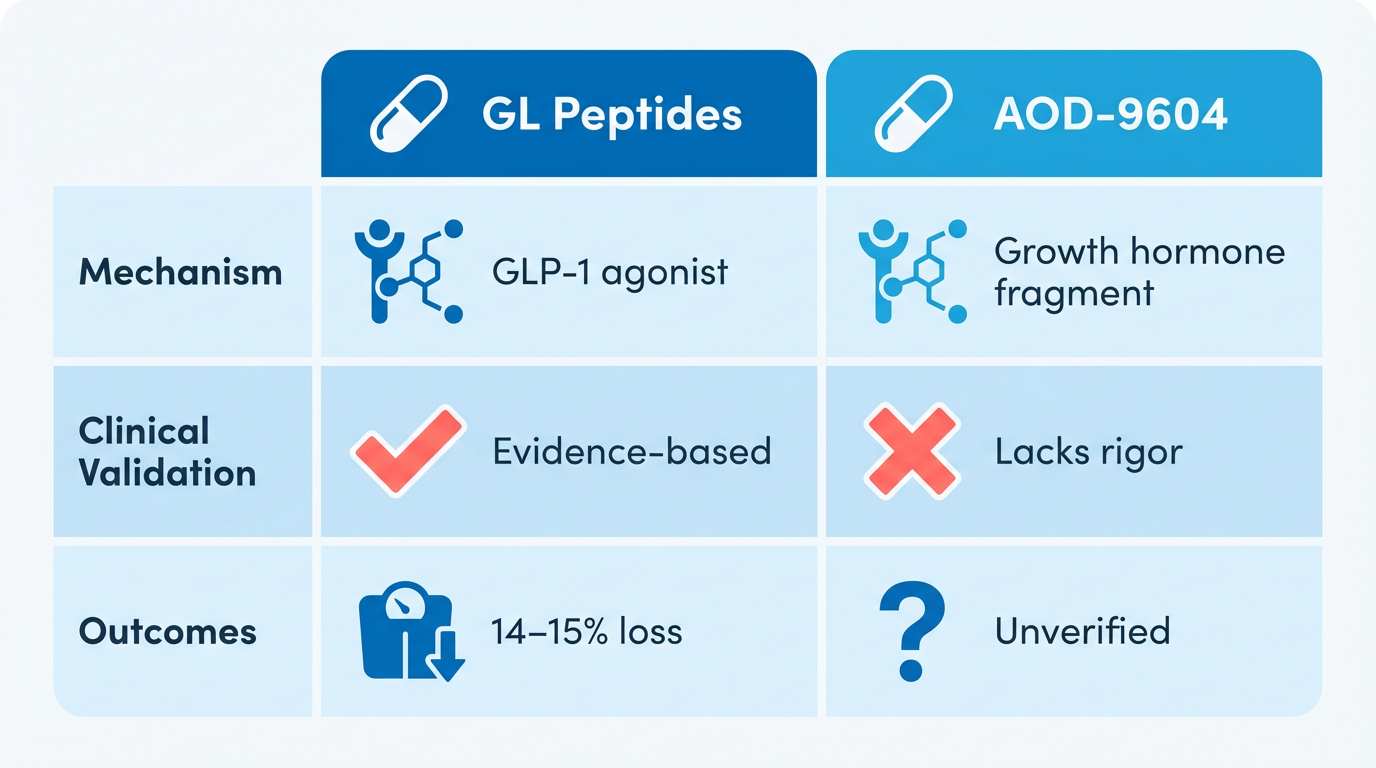
GL peptides dominate in evidence-based results. Clinical trials show semaglutide (2.4 mg weekly) leads to 14–15% weight loss over 68 weeks, while tirzepatide, a dual GIP/GLP-1 agonist, achieves 20.2% weight loss in the same timeframe. Higher doses of semaglutide (7.2 mg weekly) push losses to 20.7% in 72 weeks. In contrast, AOD-9604 has no large-scale clinical trials supporting its efficacy for fat loss.
| Metric | GL Peptides | AOD-9604 |
|---|---|---|
| Weight loss (72 weeks) | 13.7–20.7% (tirzepatide/semaglutide) | No clinical data available |
| Mechanism | Appetite suppression, metabolism boost | Fat breakdown inhibition |
| FDA-approved for weight loss | Yes (tirzepatide, semaglutide) | No |
Safety Profiles and Side Effects
GL peptides have well-documented safety profiles. Common side effects include nausea, constipation, and injection-site reactions, which typically subside over time. These medications also reduce diabetes risk by 72%, cardiac event risk by 13%, and kidney disease progression by 18%. For more on the safety profiles of GL peptides, refer to the Safety and Side Effects Considerations section. AOD-9604, however, lacks comprehensive safety data. While some users report mild fatigue or digestive discomfort, long-term risks remain unstudied, and it is not FDA-approved for weight loss.
| Safety Factor | GL Peptides | AOD-9604 |
|---|---|---|
| Clinical safety data | Extensive (diabetes/obesity trials) | Limited (no large trials) |
| Common side effects | Nausea, constipation | Anecdotal reports of fatigue |
| Metabolic benefits | Reduces diabetes, heart risk | No documented metabolic impact |
Cost Analysis and Accessibility
GL peptides are prescription-only medications, often requiring specialty pharmacies or insurance coverage. Monthly costs range from $900 to $1,300 for brand-name versions like Wegovy or Zepbound, though discounts and Medicare coverage may reduce out-of-pocket expenses. AOD-9604 is available through supplement retailers and online vendors at a lower upfront cost (typically $300–$500 per month). However, its lack of clinical validation may lead to higher long-term costs if ineffective, and quality control varies across suppliers.
| Cost Factor | GL Peptides | AOD-9604 |
|---|---|---|
| Average monthly cost | $900–$1,300 (after insurance) | $300–$500 |
| Accessibility | Prescription-only (specialty pharmacies) | Over-the-counter online |
| Insurance coverage | Possible with diabetes/obesity codes | No insurance coverage |
Expert Recommendations
Experts consistently favor GL peptides for fat loss. Dr. Rachele, a leading science officer, notes that GLP-1 drugs were initially used for diabetes but were FDA-approved for obesity due to their proven weight-loss effects. Dual agonists like tirzepatide are considered the gold standard, outperforming single GLP-1 agents and alternatives like AOD-9604. As outlined in the AOD-9604 for Fat Loss section, its mechanism differs significantly from GLP-1 receptor agonists, further supporting the preference for GL peptides in clinical settings. For patients seeking clinically validated, long-term results, GL peptides are the preferred choice. AOD-9604 remains a niche option with uncertain efficacy and safety, making it unsuitable for first-line use.
“In the process of giving this medication to folks with insulin resistance and type 2 diabetes, researchers noticed that it had a pretty unique side effect, which was weight loss. Eventually, the FDA approved GLP-1 drugs specifically for it.” Dr. Rachele, Restore Hyper Wellness. In summary, GL peptides offer superior efficacy, safety, and metabolic benefits backed by clinical trials, while AOD-9604 lacks strong evidence and regulatory approval. For individuals prioritizing proven results and comprehensive health improvements, GLP-1 therapies remain the top recommendation.
Optimizing Fat Loss with Peptides
To maximize fat loss with peptides like GLP-1 receptor agonists (GL Peptides) and AOD-9604, a holistic approach that integrates lifestyle adjustments, strategic supplementation, and precise dosing is essential. These peptides operate through distinct mechanisms, requiring tailored strategies to enable their full potential. Below, we break down actionable steps to optimize results for each compound, supported by clinical insights and real-world outcomes..
Dietary Recommendations to Enhance Efficacy
GLP-1 drugs mimic gut hormones that regulate appetite and glucose metabolism, making them highly sensitive to dietary context. A calorie deficit remains foundational but should be paired with nutrient timing and macronutrient balance. For GLP-1 users, high-protein diets (1.2–1.6 g/kg body weight daily) enhance satiety and preserve lean mass during weight loss. Clinical trials show semaglutide users achieve best results with low-glycemic, fiber-rich meals, as rapid glucose spikes counteract GLP-1’s metabolic benefits. As mentioned in the GL Peptides for Fat Loss section, these peptides act by signaling satiety and slowing gastric emptying, reinforcing the need for structured meal plans.
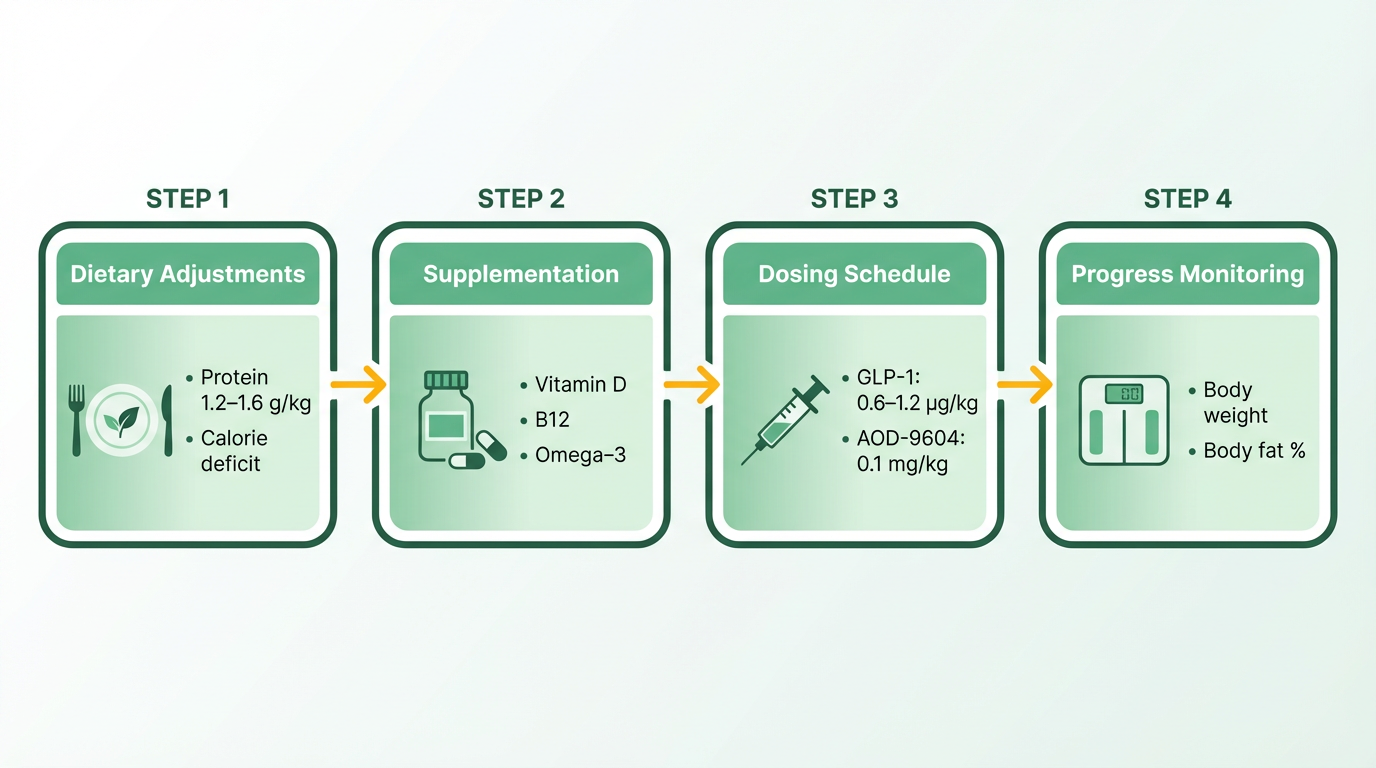
AOD-9604, which targets fat-cell metabolism, benefits from intermittent fasting protocols. Since it promotes lipolysis, pairing it with 16:8 fasting windows (16 hours fasting, 8 hours eating) amplifies fat-burning potential. Avoid high-sugar snacks during feeding windows to prevent insulin spikes that could blunt AOD-9604’s effects. Building on concepts from the AOD-9604 for Fat Loss section, this peptide works by mimicking growth hormone’s fat-mobilizing activity, making fasting an ideal complementary strategy.
| Strategy | GLP-1 Peptides | AOD-9604 |
|---|---|---|
| Macronutrients | High protein, low glycemic load | Moderate protein, low carbs |
| Meal Timing | Consistent, spaced meals | Intermittent fasting |
| Supplements | Probiotics for gut health | Caffeine for metabolic drive |
Exercise Regimens for Complementary Fat Loss
GLP-1 therapies slow gastric emptying, which can affect energy availability during workouts. Optimize exercise by scheduling resistance training (3–4x/week) in the late afternoon, when GLP-1’s appetite-suppressing effects are less intense. Pair this with HIIT sessions (20–30 minutes, 3x/week) to elevate post-exercise calorie burn. Users report improved endurance on GLP-1s, likely due to better glucose regulation-capitalize on this by extending cardio duration gradually. As detailed in the GL Peptides for Fat Loss section, these peptides enhance glucose homeostasis, supporting sustained energy during exercise.
For AOD-9604, prioritize fasted-state exercise to align with its lipolytic action. Morning circuit training (combining strength and cardio) burns stored fat efficiently. Since AOD-9604 lacks appetite suppression, post-workout meals should include slow-digesting proteins (e.g., casein) to prevent overeating..
Monitoring and Adjusting Dosages
GLP-1 drugs exhibit dose-dependent efficacy, with higher semaglutide doses (2.4–7.2 mg/week) producing up to 20.7% body weight loss over 72 weeks. However, titration is critical: abrupt dose increases may trigger gastrointestinal side effects. Medical oversight ensures gradual escalation, such as the STEP trial’s protocol of weekly 0.25 mg increments. As discussed in the Comparison of GL Peptides and AOD-9604 section, this contrasts with AOD-9604, which lacks strong dose-response data.
AOD-9604’s half-life (~24 hours) demands strict dosing consistency. Most studies use 20–40 mg/day, split into morning and evening doses to maintain steady-state fat-mobilizing activity. Unlike GLP-1s, AOD-9604 lacks dose-response data, so adjustments should focus on timing rather than quantity. Regular body composition scans (DEXA or bioimpedance) track progress and guide tweaks..
Case Studies in Optimized Peptide Use
Case 1: GLP-1 Dual Agonist with Lifestyle Overhaul
A 45-year-old male with obesity (BMI 35) used tirzepatide (5 mg/week) alongside a 1,800-calorie Mediterranean diet and 4x/week strength training. After 6 months, he lost 20.2% of body weight, with visceral fat decreasing by 31% (per DEXA scan). His A1C dropped from 6.8% to 5.4%, demonstrating metabolic collaboration.
Case 2: AOD-9604 with Intermittent Fasting
A 38-year-old female with PCOS took AOD-9604 (30 mg/day) while practicing 16:8 fasting and daily 45-minute HIIT. Over 12 weeks, she lost 9% body fat and improved insulin sensitivity (fasting glucose fell from 98 mg/dL to 85 mg/dL). However, her weight loss plateaued after 8 weeks, highlighting AOD-9604’s limited systemic effects compared to GLP-1s..
Key Takeaways for Optimal Results
- GLP-1s thrive on structure: Pair them with consistent meal timing, resistance training, and gradual dose escalation.
- AOD-9604 needs metabolic priming: Combine with fasting and low-carb diets to maximize lipolysis.
- Monitor, don’t guess: Use objective metrics (weight, body fat, blood work) to adjust protocols.
By aligning peptide therapy with individual physiology and clinical evidence, users can achieve sustainable fat loss while minimizing risks. Always consult a healthcare provider to personalize these strategies.
Safety and Side Effects Considerations
Both GL Peptides (GLP-1 agonists) and AOD-9604 are associated with distinct safety profiles, but their side effects differ in frequency and severity. Understanding these risks is critical before starting any regimen. As detailed in the Comparison of GL Peptides and AOD-9604 section, their mechanisms contribute to these varying side effect profiles. Below is a structured analysis of potential adverse effects, strategies to reduce harm, and key warnings for each compound.
Common Side Effects
GLP-1 agonists like semaglutide or liraglutide are well-documented for gastrointestinal (GI) disturbances. Users frequently report nausea, vomiting, diarrhea, and constipation, which often subside over time as the body adjusts. Building on concepts from the GL Peptides for Fat Loss section, these effects are linked to their role in appetite regulation and metabolic control. Hypoglycemia is another concern, especially when combined with insulin or sulfonylureas. Injection site reactions, such as redness or irritation, are also common but typically mild.
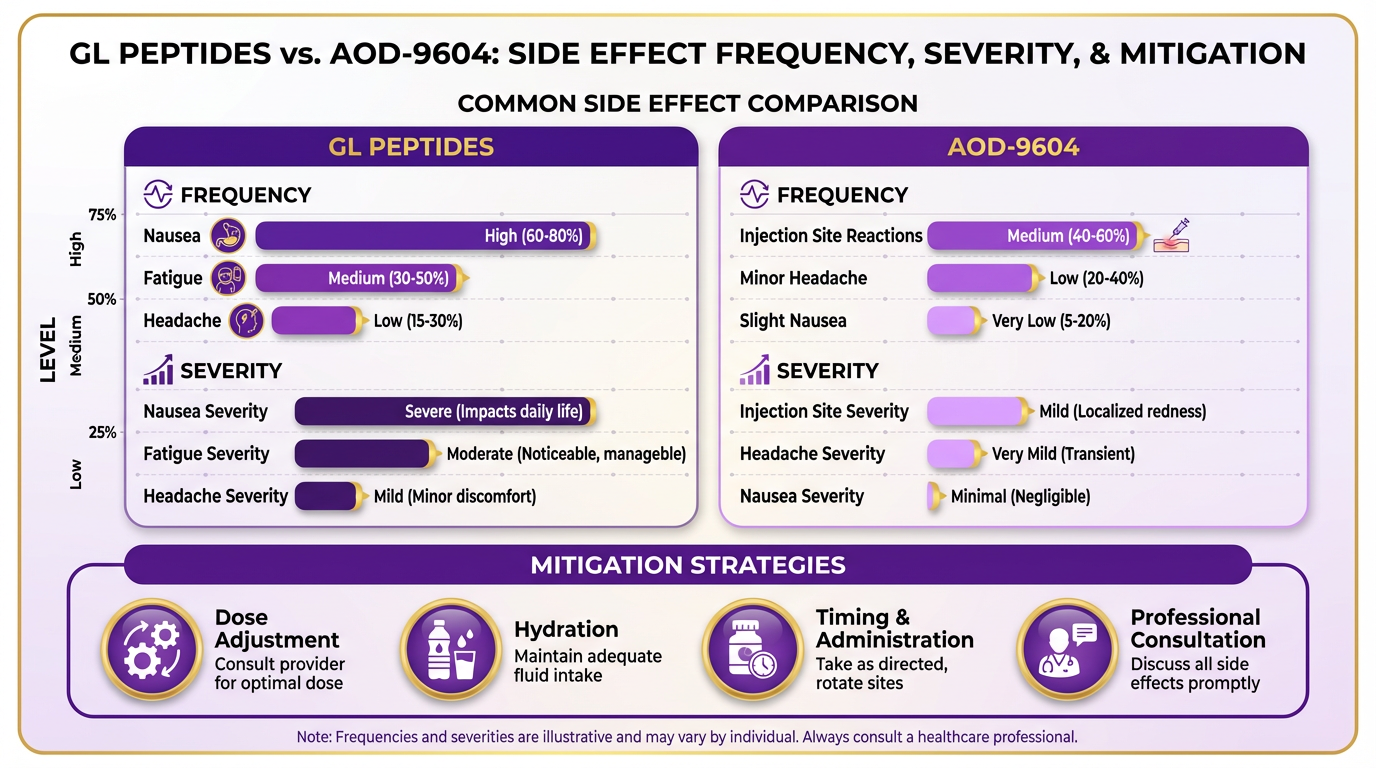
AOD-9604, a synthetic fragment of growth hormone-releasing peptide, has less clinical data on side effects. However, anecdotal reports and mechanistic analysis suggest possible headaches, dizziness, and fatigue due to its influence on metabolic and hormonal pathways. As mentioned in the AOD-9604 for Fat Loss section, its action on fat metabolism may contribute to these effects. GI issues like bloating or cramping may also occur, though less consistently than with GLP-1s.
| Feature | GL Peptides | AOD-9604 |
|---|---|---|
| Most Common Side Effects | Nausea, vomiting, GI discomfort | Headaches, dizziness, fatigue |
| Severity | Moderate (often temporary) | Mild to moderate (variable) |
| Onset Timing | Within days of starting therapy | Within hours to days of first dose |
Serious Side Effects and Identification
Serious adverse events with GLP-1 agonists include pancreatitis (severe abdominal pain, nausea) and gallbladder disease (biliary pain, jaundice). These require immediate medical attention. A rare but documented risk is medullary thyroid carcinoma, which contraindicates use in individuals with a family history of this cancer.
For AOD-9604, data on severe risks is sparse. However, its interaction with growth hormone pathways raises concerns about hormonal imbalances or cardiovascular strain, particularly in individuals with preexisting conditions. Users should monitor for unusual swelling, persistent joint pain, or rapid weight gain, which could signal fluid retention or metabolic disruptions.
Strategies to Minimize Risks
- Dosage Adjustments: Start with the lowest effective dose and titrate gradually. For GLP-1 agonists, this reduces GI side effects; for AOD-9604, it limits hormonal overstimulation.
- Medical Supervision: Regular check-ups with a healthcare provider ensure early detection of adverse effects. Blood tests for GLP-1 users should monitor glucose levels and pancreatic enzymes.
- Hydration and Diet: Staying hydrated and avoiding high-fat meals can mitigate GI symptoms for both compounds.
Contraindications include a history of thyroid C-cell tumors for GLP-1 agonists and pregnancy or breastfeeding for both substances. Neither should be used without consulting a physician, especially if you have liver or kidney impairment.
“I experienced nausea with semaglutide but found that taking it 30 minutes after meals helped.” – Weight Loss Patient
Always prioritize safety: discontinue use if severe symptoms arise and seek immediate medical advice. Neither GL Peptides nor AOD-9604 are risk-free, but informed use under professional guidance can maximize benefits while minimizing harm.
Conclusion and Future Directions
Both GL Peptides and AOD-9604 offer distinct approaches to fat loss, but their mechanisms and applications differ significantly. GL Peptides, such as GLP-1 analogs, primarily regulate appetite and digestion by mimicking gut hormones. AOD-9604, a growth hormone-releasing peptide fragment, targets fat metabolism directly without stimulating growth. While GL Peptides have stronger clinical backing for weight management, AOD-9604 shows promise in localized fat reduction. Their safety profiles also diverge: GL Peptides are well-tolerated in clinical trials, whereas AOD-9604’s long-term effects remain less studied. Below is a summary of their key differences:
| Feature | GL Peptides | AOD-9604 |
|---|---|---|
| Primary Mechanism | Appetite suppression, slower digestion | Fat cell breakdown, metabolism boost |
| Clinical Backing | Strong, with FDA-approved variants | Limited, mostly preclinical |
| Safety Profile | Generally well-tolerated | Mixed; more research needed |
| Common Use Cases | Weight management, diabetes support | Targeted fat reduction |
Future research on peptide therapy for fat loss must address gaps in understanding. One critical area is personalized dosing strategies, as discussed in the Optimizing Fat Loss with Peptides section, where genetic variations may influence how individuals respond to GLP-1 analogs, suggesting tailored protocols could enhance efficacy. Another direction is long-term safety studies for AOD-9604, especially given its potential for chronic use, a concern highlighted in the Safety and Side Effects Considerations section. Researchers could also explore combination therapies, such as pairing GL Peptides with metabolic modulators to amplify fat loss without increasing side effects. Advances in peptide synthesis may reduce costs and improve stability, making these treatments more accessible.
Beyond fat loss, peptides hold potential for broader metabolic and health applications. GL Peptides, for instance, are already used to manage type 2 diabetes by regulating blood sugar, a benefit detailed in the GL Peptides for Fat Loss section. AOD-9604’s fat-metabolizing properties might support recovery in metabolic disorders like obesity-related inflammation. Emerging trends in smart drug delivery systems could enable timed peptide release, optimizing effects while minimizing side effects. Additionally, AI-driven drug design may identify novel peptide sequences with enhanced specificity, reducing off-target impacts.
The future of peptide therapy will likely involve balancing innovation with caution. While current options show clear benefits, their full potential depends on rigorous scientific validation. For example, a hypothetical scenario could involve a patient using GL Peptides for weight management while monitoring glucose levels, with adjustments made via wearable health tech. As research progresses, peptides may become integral to precision health, where treatments are tailored to individual biology. However, until more data emerges, users should approach these therapies as part of a holistic health plan-not standalone solutions. Peptides represent a powerful tool in modern health, but their role will remain defined by the quality of evidence supporting their use.
Frequently Asked Questions
1. What are the primary differences between GLP-1 peptides and AOD-9604 for fat loss?
GLP-1 peptides, such as semaglutide and tirzepatide, work by suppressing appetite, regulating blood sugar, and slowing gastric emptying, leading to significant weight loss (14–20% over 6–7 months). AOD-9604, a fragment of human growth hormone, focuses on fat metabolism by promoting lipolysis and inhibiting fat storage but lacks GLP-1’s appetite suppression and metabolic regulation. Clinical trials show GLP-1 peptides outperform AOD-9604 in effectiveness and are FDA-approved for weight loss, while AOD-9604 has limited clinical validation.
2. How much weight loss can be expected with GLP-1 peptides compared to AOD-9604?
GLP-1 peptides like semaglutide (Wegovy) and tirzepatide (Zepbound) have demonstrated 14–20% body weight loss over 6–72 weeks, with tirzepatide achieving up to 20.2% in the SURMOUNT-1 trial. AOD-9604’s weight loss potential is less documented, as it lacks strong clinical trials and FDA approval. Most studies suggest it may offer modest fat reduction but not comparable to GLP-1’s results.
3. Are GLP-1 peptides FDA-approved for weight loss, and what about AOD-9604?
Yes, semaglutide (Wegovy) and tirzepatide (Zepbound) are FDA-approved for chronic weight management in adults. AOD-9604 is not FDA-approved for weight loss and remains in the research or off-label category. This distinction highlights GLP-1 peptides’ regulatory validation and clinical prioritization over AOD-9604.
4. What additional health benefits do GLP-1 peptides provide beyond weight loss?
GLP-1 peptides reduce the risk of type 2 diabetes by up to 72% and slow kidney disease progression by 18%. They also improve cardiovascular health, lower blood pressure, and enhance metabolic function. AOD-9604 lacks these systemic benefits and primarily targets fat metabolism without addressing underlying metabolic disorders.
5. How do the mechanisms of GLP-1 peptides and AOD-9604 differ?
GLP-1 peptides act on the brain to reduce appetite, regulate glucose metabolism, and delay stomach emptying, creating a sustained calorie deficit. AOD-9604 works by stimulating fat cell breakdown and inhibiting fat storage but does not influence hunger or metabolism. This makes GLP-1 peptides more comprehensive for fat loss and metabolic health.
6. Which option is more suitable for someone with obesity-related comorbidities?
GLP-1 peptides are better suited for individuals with obesity-related conditions like diabetes, hypertension, or kidney disease due to their dual benefits of weight loss and comorbidity reduction. AOD-9604 lacks evidence of systemic health improvements and is not recommended for those with complex metabolic needs.
7. What clinical evidence supports GLP-1 peptides over AOD-9604?
Large-scale trials like SURMOUNT-1 show tirzepatide reduces body weight by 20.2% over 72 weeks, outperforming semaglutide. GLP-1 peptides also have extensive research on safety, long-term efficacy, and FDA approval. AOD-9604 relies on limited preclinical studies and anecdotal reports, making it a less reliable choice for fat loss.
Free 15-Minute Discovery Call
Ready to take the guesswork out of your health?
Book a free 15-minute call with Monika to talk through your goals, what testing makes sense for you, and the right next step. No pressure, just clarity.
Book Your Free CallFor educational purposes only. Not medical advice.
