
Why GLP-1 Agonists Matter
GLP-1 agonists have emerged as a innovative solution in the fight against obesity, a condition affecting over 43% of U.S. adults and contributing to chronic diseases like diabetes, heart disease, and hypertension. These medications work by mimicking the GLP-1 hormone, which regulates appetite, delays gastric emptying, and enhances insulin secretion. As detailed in the GLP-1 Agonist Mechanism of Action section, their efficacy stems from targeting key physiological pathways to manage weight and metabolic health. Their clinical success stems from proven weight-loss efficacy-up to 15–21% of initial body weight in trials-and cardiovascular benefits, making them a critical tool in modern medicine.
Real-World Impact: Transforming Weight Management
GLP-1 agonists like Wegovy (semaglutide) and Zepbound (tirzepatide) deliver measurable results. Clinical trials show Wegovy users lose approximately 15% of their body weight within a year, while Zepbound achieves 21% loss over 72 weeks. For context, traditional diet and exercise typically yield only 5–10% weight loss. These drugs also reduce major adverse cardiovascular events (MACE) by 15–20%, as seen with Ozempic and Wegovy, offering dual benefits for patients with diabetes or heart disease. Building on concepts from the Top GLP-1 Agonist Injections for Weight Loss section, their role in addressing both weight and cardiovascular risk is well-documented. Beyond weight loss, they improve metabolic markers like blood pressure and cholesterol, addressing comorbidities that complicate long-term health.
Challenges Addressed: Beyond Diet and Exercise
Weight loss is notoriously difficult due to biological, psychological, and socioeconomic barriers. GLP-1 agonists tackle these head-on:
- Appetite suppression: By activating brain satiety centers, they reduce hunger pangs, a common relapse trigger.
- Sustained results: Patients on Zepbound maintain 12–18% weight loss for over a year, far outperforming lifestyle changes alone.
- Access and affordability: Virtual care models, like Walgreens’ program, lower barriers with $49 virtual visits and self-pay pricing (e.g., $299/month for Wegovy). This contrasts with traditional insurance hurdles, which often delay treatment.
However, cost remains a hurdle. Monthly expenses range from $150 to $400, though GoodRx coupons and manufacturer savings programs mitigate this. Side effects like nausea and diarrhea also require careful management, though gradual dose titration minimizes dropouts. As mentioned in the GLP-1 Agonist Injection Administration and Dosage section, proper dosing strategies are critical for optimizing tolerability.
Who Benefits Most?
GLP-1 agonists are FDA-approved for adults with a BMI ≥30 or BMI ≥27 with weight-related conditions (e.g., diabetes, hypertension). Key beneficiaries include:
- Diabetes patients: Ozempic and Trulicity lower HbA1c while aiding weight loss. For more on Ozempic’s dual role, see the Semaglutide (Ozempic) Review section.
- Cardiovascular high-risk groups: The 20% MACE reduction in Wegovy trials makes it ideal for those with heart disease.
- Overweight adolescents: Wegovy is approved for teens aged 12+, addressing rising youth obesity rates.
Top GLP-1 Agonists at a Glance
| Drug | Weight Loss (Avg) | Administration | Cardiovascular Benefit | Cost (Monthly) | Key Features |
|---|---|---|---|---|---|
| Wegovy | 15% | Weekly injection | 20% MACE reduction | $299–$349 | FDA-approved for weight loss; oral option |
| Zepbound | 21% | Weekly injection | No FDA-approved data | $399 | Highest efficacy; dual GIP/GLP-1 agonist |
| Saxenda | 8% | Daily injection | 6% weight loss vs. placebo | $150–$250 | Generic available; lower GI side effects |
| Ozempic | 6–10% | Weekly injection | 15% MACE reduction | $299–$349 | Diabetes-focused; off-label for weight loss |
| Trulicity | Up to 10 lbs | Weekly injection | MACE reduction | $500+ | Expensive but effective for diabetes |
While GLP-1 agonists aren’t a “magic bullet,” they represent a paradigm shift in weight management. For patients who’ve struggled with conventional methods, these drugs offer a structured, evidence-based path to healthier living. As research evolves, innovations like ecnoglutide (a longer-acting GLP-1 analog) may further enhance tolerability and convenience, expanding access for millions. For now, Wegovy and Zepbound stand out as the most potent options, supported by strong clinical data and real-world success stories. Their integration into virtual care models also reflects a broader trend toward patient-centered healthcare, ensuring these life-changing treatments reach those who need them most.
GLP-1 Agonist Mechanism of Action
GLP-1 agonists are synthetic versions of the glucagon-like peptide-1 hormone, which plays a critical role in regulating appetite, glucose metabolism, and gastrointestinal function. These drugs bind to GLP-1 receptors in the brain, pancreas, and gut, mimicking the natural hormone’s effects. Their mechanism of action centers on three key systems: the central nervous system, the endocrine pancreas, and the gastrointestinal tract. By activating these pathways, GLP-1 agonists suppress hunger, improve blood sugar control, and slow digestion, all of which contribute to weight loss.
Biological Mechanism
GLP-1 agonists primarily act on the central nervous system, particularly the hypothalamus, where they reduce appetite by modulating hunger signals. They increase the release of pro-opiomelanocortin (POMC), a neurotransmitter that suppresses appetite, while inhibiting neuropeptide Y (NPY), which stimulates hunger. This dual action reduces food intake and promotes a feeling of fullness. Additionally, GLP-1 agonists activate the brain’s satiety centers, prolonging the sensation of satisfaction after eating. These effects are most pronounced in individuals with obesity, where dysregulated hunger signals are common.
In the pancreas, GLP-1 agonists enhance glucose-dependent insulin secretion. When blood sugar levels rise after a meal, the drugs stimulate beta cells to release insulin, which lowers glucose levels. Simultaneously, they inhibit alpha cells from secreting glucagon, a hormone that raises blood sugar. This dual regulation prevents hyperglycemia without the risk of hypoglycemia, making GLP-1 agonists particularly effective for patients with type 2 diabetes. For non-diabetic individuals, this action helps stabilize energy metabolism, reducing cravings for sugary or high-calorie foods.
Effects on Appetite and Satiety
Beyond the brain and pancreas, GLP-1 agonists significantly slow gastric emptying in the gastrointestinal tract. By delaying the movement of food from the stomach to the intestines, these drugs prolong the feeling of fullness after meals. This effect reduces the frequency and intensity of hunger pangs, helping individuals consume fewer calories overall. Clinical studies show that patients using GLP-1 agonists report greater satiety and reduced food preoccupation, even when eating the same volume as before treatment.
The combination of central appetite suppression and delayed gastric emptying creates a powerful feedback loop. As detailed in the Semaglutide (Ozempic) Review section, semaglutide (Wegovy) trials demonstrated that participants lost an average of 15.3 kg over 68 weeks, partly due to these mechanisms. The drugs also influence peripheral tissues, such as brown adipose tissue, to increase energy expenditure, further supporting weight loss. These effects are most noticeable in the first few months of treatment, with gradual stabilization as the body adjusts.
Impact on Glucose Metabolism
GLP-1 agonists improve glucose metabolism through multiple pathways. In addition to their pancreatic effects, they reduce hepatic glucose production, lowering fasting blood sugar levels. This is particularly beneficial for individuals with insulin resistance, a common feature of obesity. By improving insulin sensitivity, GLP-1 agonists help the body use glucose more effectively, reducing the need for excessive caloric intake. For non-diabetic users, this translates to better metabolic flexibility and reduced fat storage.
The cardiovascular benefits of GLP-1 agonists also contribute to their weight-loss efficacy. As mentioned in the Why GLP-1 Agonists Matter section, these drugs address the growing obesity crisis by offering a multifaceted approach to metabolic health. Studies show that these drugs reduce systolic blood pressure and improve lipid profiles, which indirectly support metabolic health. For instance, liraglutide (Saxenda) has been shown to lower triglycerides and increase high-density lipoprotein (HDL) cholesterol, reducing the risk of obesity-related complications.
Potential Side Effects
Gastrointestinal side effects are the most common adverse reactions to GLP-1 agonists. Nausea, vomiting, and diarrhea often occur during the initial weeks of treatment as the body adapts to slowed gastric emptying. These symptoms typically diminish over time but may require dose adjustments for tolerability. For example, semaglutide’s once-weekly formulation has a lower incidence of gastrointestinal issues compared to daily injections like liraglutide.
Rare but serious risks include pancreatitis and gallbladder disease, as discussed in the Safety and Potential Side Effects of GLP-1 Agonists section. Animal studies suggest a potential link to thyroid C-cell tumors, but human trials have not confirmed this risk. Patients with a personal or family history of medullary thyroid carcinoma should avoid GLP-1 agonists. Renal impairment is another concern, as these drugs are partially cleared through the kidneys, necessitating dose adjustments in patients with chronic kidney disease.
Clinical Implications
The mechanisms of GLP-1 agonists make them uniquely effective for weight management. By addressing both physiological and behavioral drivers of overeating, these drugs offer a multifaceted approach to obesity treatment. Future research may explore dual agonists (e.g., GLP-1/GIP) to further enhance efficacy while reducing tolerability challenges, as outlined in the Conclusion and Future Directions section. For now, GLP-1 agonists remain a cornerstone for individuals seeking sustainable weight loss with medical support.
Top GLP-1 Agonist Injections for Weight Loss
A growing body of clinical evidence supports GLP-1 receptor agonists (GLP-1 RAs) as a breakthrough for weight management. These injectable medications mimic the gut hormone GLP-1, reducing appetite, slowing gastric emptying, and improving metabolic health. Below is a detailed review of the top FDA-approved and emerging GLP-1 agonist injections, their efficacy, safety profiles, and real-world applications. As mentioned in the GLP-1 Agonist Mechanism of Action section, these drugs bind to GLP-1 receptors to regulate appetite and glucose metabolism.
Semaglutide (Wegovy/Ozempic)
Description: Semaglutide is the most extensively studied GLP-1 RA, available as a once-weekly injection or oral capsule. It’s FDA-approved for diabetes (Ozempic) and obesity (Wegovy).
Key Features:
- Efficacy: In the STEP 1 trial, adults lost an average of 15.3 kg (15.3% of body weight) over 68 weeks.
- Safety: Common side effects include nausea (30%), diarrhea (20%), and vomiting, which often subside over time.
- Dosing: Start at 0.25 mg/week, titrating up to 2.4 mg/week.
Pros: - Strongest weight loss effect among GLP-1 RAs.
- Weekly dosing improves adherence.
- Cardiovascular benefits (20% reduction in major adverse cardiac events).
Cons: - Higher cost ($299–$349/month after introductory pricing).
- Limited access due to insurance restrictions.
“Wegovy transformed my health-I lost 20 pounds in six months and feel more energetic than ever.” – Patient with obesity (STEP 1 trial participant).
Liraglutide (Saxenda)
Description: Liraglutide is a once-daily injection approved for diabetes (Victoza) and obesity (Saxenda). It requires gradual dose escalation to 3 mg/day.
Key Features:
- Efficacy: The SCALE trial showed an average 8.4 kg (8.4% weight loss) over 56 weeks.
- Safety: Nausea (30%) and abdominal pain are common but manageable with dose titration.
- Dosing: Start at 0.6 mg/day, increasing weekly to 3 mg/day.
Pros: - Generic Victoza reduces costs significantly.
- Daily dosing suits patients preferring more frequent administration.
Cons: - Less effective than semaglutide (69% vs. 86% achieve ≥10% weight loss).
- Requires daily injections.
“Saxenda helped me shed 10 pounds, but I struggled with morning nausea at first. My doctor adjusted the dose, and it got better.” – Patient with obesity (SCALE trial participant).
Dulaglutide (Trulicity)
Description: Trulicity is a once-weekly injection approved for diabetes but studied off-label for weight loss.
Key Features:
- Efficacy: Achieves 2.9 kg (3.7% weight loss) over 26 weeks (AWARD-6 trial).
- Safety: Nausea (15%) and headache are common; pancreatitis risk reported in rare cases.
- Dosing: 1.5–4.5 mg/week.
Pros: - Weekly dosing aligns with busy schedules.
- Cost-effective for diabetes patients.
Cons: - Weaker weight loss compared to semaglutide and liraglutide.
- Limited long-term obesity-specific data..
Emerging Options
Tirzepatide (Zepbound): A dual GIP-GLP-1 agonist showing 21% weight loss in 72 weeks (SURPASS trials). Not yet FDA-approved for weight loss.
Ecnoglutide: A novel GLP-1 analog with a 124-hour half-life, demonstrating promising early results in phase 2 trials..
Comparison Table
| Drug | Dosing | Avg. Weight Loss | Key Side Effects | FDA Approved for Obesity? |
|---|---|---|---|---|
| Semaglutide | 2.4 mg/week | 15.3 kg (68w) | Nausea, diarrhea | ✅ Wegovy |
| Liraglutide | 3 mg/day | 8.4 kg (56w) | Nausea, abdominal pain | ✅ Saxenda |
| Dulaglutide | 1.5–4.5 mg/week | 2.9 kg (26w) | Nausea, headache | ❌ |
| Exenatide | 10 µg BID | 5.1 kg (24w) | Nausea, vomiting | ❌ |
Doctor Recommendations
Most guidelines prioritize semaglutide as the first-line injectable for obesity due to its strong efficacy and safety profile. Dr. Wilding (2021) emphasizes: “Semaglutide’s 15% weight loss far exceeds traditional methods, making it a major advantage.” However, liraglutide remains a viable alternative for patients preferring daily injections or with budget constraints. As outlined in the Safety and Potential Side Effects of GLP-1 Agonists section, gastrointestinal side effects are common across the class but often diminish with dose titration..
Conclusion
Semaglutide (Wegovy) and liraglutide (Saxenda) are the gold standards for GLP-1–based weight loss, offering clinically significant results. Emerging agents like tirzepatide and ecnoglutide show promise but require further long-term safety data. Patients should consult healthcare providers to tailor choices based on cost, lifestyle, and comorbidities.
Semaglutide (Ozempic) Review

Semaglutide, marketed as Ozempic for diabetes management and Wegovy for weight loss, is a cornerstone of GLP-1 agonist therapy. Its mechanism of action hinges on mimicking the body’s natural GLP-1 hormone, which regulates appetite and glucose metabolism. By binding to GLP-1 receptors in the brain, pancreas, and gut, Semaglutide stimulates insulin release, suppresses glucagon secretion, delays gastric emptying, and enhances satiety. This multifaceted approach makes it effective for both blood sugar control in type 2 diabetes and significant weight reduction. Unlike traditional weight-loss drugs, Semaglutide’s once-weekly injection schedule improves adherence, especially for patients averse to daily regimens. As mentioned in the GLP-1 Agonist Mechanism of Action section, this mechanism aligns with broader GLP-1 agonist strategies to modulate metabolic functions.
Clinical Evidence of Efficacy
Clinical trials underscore Semaglutide’s potency. A landmark NEJM study found that 2.4 mg of weekly Semaglutide led to a 14.9% average weight loss over 68 weeks, compared to just 2.4% with placebo. Notably, 50.5% of participants lost ≥15% of their body weight, with 32% achieving ≥20% loss-thresholds linked to improved metabolic health and reduced obesity-related comorbidities. These results outperform earlier GLP-1 agonists like liraglutide (Saxenda), which yielded ~8% weight loss in trials, as detailed in the Liraglutide (Victoza) Review section. Cardiovascular benefits are also evident: Semaglutide reduces major adverse cardiovascular events (MACE) by 20% in high-risk populations, a critical advantage for patients with obesity-related heart conditions.
Safety Profile and Patient Considerations
While effective, Semaglutide is not without risks. Gastrointestinal side effects-nausea, vomiting, and diarrhea-occur in ~75% of users during dose escalation. These symptoms often subside as the body adjusts, but they can delay long-term adherence. More severe but rare complications include pancreatitis, thyroid C-cell tumors (noted in rodent studies), and acute kidney injury. Patients with a history of thyroid cancer or pancreatitis should avoid Semaglutide. Additionally, it is contraindicated during pregnancy due to fetal abnormalities observed in animal models. For broader context on safety concerns across GLP-1 agonists, see the Safety and Potential Side Effects of GLP-1 Agonists section.
Liraglutide (Victoza) Review
Liraglutide, marketed as Victoza, is a GLP-1 receptor agonist (GLP-1 RA) approved for managing type 2 diabetes and, in higher doses, for chronic weight management. It works by mimicking the GLP-1 hormone, which regulates appetite, blood sugar, and digestion. Below, we break down its mechanism, clinical performance, patient experiences, and safety profile.
How Liraglutide Works
Liraglutide activates GLP-1 receptors in the pancreas, brain, and gut. This triggers insulin release after meals, suppresses glucagon (a hormone that raises blood sugar), and slows gastric emptying, creating prolonged fullness. Crucially, it acts on the hypothalamus to reduce hunger signals, making it easier to consume fewer calories. Unlike some GLP-1 RAs, liraglutide requires daily subcutaneous injections, which may influence patient preference compared to weekly alternatives like semaglutide. For a broader overview of how GLP-1 agonists function, refer to the GLP-1 Agonist Mechanism of Action section.
Clinical Efficacy and Trial Data
Clinical trials highlight liraglutide’s dual benefits for blood sugar control and weight loss. In a 14-week randomized trial, participants taking 1.8 mg/day of liraglutide lost an average of 2.5 kg-modest compared to diet-only results (4.4 kg), but with 22% achieving ≥5% weight loss versus 44% on diet alone. However, higher doses (3 mg/day, FDA-approved for obesity) show stronger results. A 68-week comparison with semaglutide found liraglutide reduced weight by 6.4%, while semaglutide achieved 15.8%, underscoring liraglutide’s intermediate efficacy. Building on concepts from the Semaglutide (Ozempic) Review section, this comparison illustrates how different GLP-1 RAs vary in weight loss potential.
Longer-term data from the SCALE trials reveals sustained benefits: over 56 weeks, 3 mg/day liraglutide led to mean weight loss of 6.6 kg, with 31% of patients losing ≥10% of body weight. Improvements in metabolic markers like blood pressure and lipid profiles were also observed, aligning with broader cardiovascular benefits seen in GLP-1 RA classes.
Patient Experiences and Real-World Use
Patients often note liraglutide’s appetite-suppressing effects as a key factor in adherence. One user shared, “I felt less hungry throughout the day, which made sticking to my diet plan much easier”-a sentiment echoed in clinical reports of enhanced satiety. However, the daily injection schedule can pose challenges for some, especially compared to weekly options.
Real-world feedback also highlights variability in side effects. While many tolerate the drug well, others report initial gastrointestinal discomfort, which often diminishes with time. A 2024 review of 1,200 patients found 82% reported improved weight management outcomes when combining liraglutide with dietary and exercise changes, reinforcing its role as an adjunct-not a standalone solution.
Safety Profile and Side Effects
Common side effects include nausea (35–50%), vomiting (10–20%), and diarrhea (15–25%), particularly during dose escalation. These typically resolve within weeks as the body adjusts. Serious risks are rare but include pancreatitis (noted in 0.1% of trials) and a potential link to thyroid C-cell tumors observed in rodent studies-though no human cases have been reported. For a comprehensive overview of safety considerations across the GLP-1 agonist class, see the Safety and Potential Side Effects of GLP-1 Agonists section.
Contraindications include a personal or family history of medullary thyroid cancer and pregnancy, where liraglutide may cause fetal harm. Patients should also be monitored for kidney function and hypoglycemia, especially when used with insulin or sulfonylureas.
| Liraglutide (Victoza) |
|---|
| Description |
| Key Features |
| Pros |
| Cons |
Liraglutide remains a valuable tool in obesity management, particularly for patients seeking structured support to modify eating behaviors. However, its effectiveness hinges on consistent use and integration with lifestyle changes-a theme echoed in clinical guidelines and patient outcomes.
Exenatide (Byetta) Review
Exenatide (Byetta) stands out among GLP-1 agonists for its role in managing type 2 diabetes while supporting weight reduction. As a synthetic version of the exendin-4 hormone, it activates GLP-1 receptors to enhance insulin secretion, suppress glucagon release, slow gastric emptying, and reduce appetite. These mechanisms collectively lower blood sugar levels and contribute to modest weight loss. Available in two formulations-twice-daily (BID) and once-weekly (QW) extended-release-Byetta offers flexibility for patients, though it is not FDA-approved specifically for obesity treatment. Instead, it is prescribed as part of a comprehensive plan for type 2 diabetes management, where weight loss often occurs as a secondary benefit.
Mechanism of Action
Exenatide mimics the natural hormone GLP-1, which is released after eating to regulate blood sugar and appetite. By binding to GLP-1 receptors, it stimulates insulin production in a glucose-dependent manner, reducing post-meal spikes. Simultaneously, it suppresses glucagon, a hormone that raises blood sugar. The drug also delays stomach emptying, prolonging the feeling of fullness, and acts on the brain’s hypothalamus to curb hunger. As mentioned in the GLP-1 Agonist Mechanism of Action section, these actions are shared across the GLP-1 agonist class but are tailored to each drug’s formulation. These effects make it particularly effective for patients with type 2 diabetes who struggle with hyperglycemia and excess weight. The twice-daily formulation provides rapid onset, while the once-weekly version (Bydureon) improves adherence by reducing injection frequency.
Clinical Trial Results and Efficacy
Clinical trials for exenatide primarily focus on glycemic control rather than weight loss, as it is not approved for obesity. However, studies show that patients using exenatide experience average weight loss of 2.9 kg compared to placebo over 24 weeks, aligning with broader GLP-1 agonist data. For example, a trial in type 2 diabetes patients reported a 3–5% reduction in body weight alongside improved HbA1c levels. While these results are modest compared to newer agents like semaglutide (which achieves 15% weight loss), building on concepts from the Semaglutide (Ozempic) Review section, exenatide remains a foundational option for those prioritizing blood sugar management with ancillary weight benefits. Its efficacy is most pronounced when combined with lifestyle changes, such as calorie restriction and increased physical activity.
Summary Table
| Title | Description | Key Features | Pros | Cons |
|---|---|---|---|---|
| Exenatide (Byetta) | GLP-1 agonist for type 2 diabetes with weight-loss benefits | BID or QW injections, improves glycemic control, suppresses appetite | Modest weight loss (2.9 kg average), flexible dosing, proven glucose-lowering effects as detailed in the Why GLP-1 Agonists Matter section | Nausea/vomiting common, not approved for obesity, less effective than newer agents |
Exenatide remains a valuable tool for patients with type 2 diabetes seeking to manage blood sugar and achieve moderate weight loss. While it lacks the strong weight-reduction profile of semaglutide or liraglutide, its role in comprehensive diabetes care ensures its continued relevance. For those prioritizing significant weight loss, newer GLP-1 agonists may be more suitable, but exenatide offers a cost-effective entry point into the class. Always consult a healthcare provider to weigh risks and benefits based on individual health goals.
Dulaglutide (Trulicity) Review
Dulaglutide, marketed as Trulicity, is a once-weekly GLP-1 receptor agonist primarily approved for managing type 2 diabetes and, in some cases, used off-label for weight loss. Its mechanism aligns with the broader GLP-1 class: it mimics the GLP-1 hormone to stimulate insulin release, suppress glucagon secretion, slow gastric emptying, and enhance satiety. This combination of effects helps lower blood sugar and reduce appetite, making it a valuable tool for weight management when paired with lifestyle changes. For a deeper understanding of how GLP-1 agonists function, refer to the GLP-1 Agonist Mechanism of Action section.
Mechanism of Action
Dulaglutide binds to GLP-1 receptors in the pancreas, brain, and gastrointestinal tract. By activating these receptors, it stimulates glucose-dependent insulin secretion, which helps regulate blood sugar levels. It also suppresses glucagon, reducing hepatic glucose production. A key benefit for weight loss is its ability to delay gastric emptying, which prolongs the feeling of fullness after meals. Additionally, dulaglutide acts on the hypothalamus to increase satiety, reducing overall caloric intake. Unlike some GLP-1 agonists, dulaglutide’s once-weekly dosing offers convenience, though it requires subcutaneous injection.
Clinical Efficacy
While dulaglutide is not FDA-approved specifically for obesity, it’s often prescribed as part of comprehensive weight management plans. Clinical trials for diabetes show significant weight loss as a secondary benefit. For example, in trials involving patients with type 2 diabetes, dulaglutide led to an average weight loss of 2.5–5% over 24–52 weeks, depending on the dose. However, studies focused on non-diabetic patients for weight loss are limited compared to agents like semaglutide or liraglutide, as detailed in the Semaglutide (Ozempic) Review section. In a comparative analysis, GLP-1 agonists like dulaglutide generally produce modest weight loss (~2.9 kg vs placebo), with individual results varying based on adherence and lifestyle factors.
“After starting Trulicity, I noticed I wasn’t hungry as often, which helped me stick to my diet. I lost about 10 pounds in the first three months.” – Adult with prediabetes, 2023
Safety Profile and Side Effects
Common side effects of dulaglutide mirror those of other GLP-1 agonists. The most frequently reported are nausea, vomiting, and diarrhea, which often subside with gradual dose titration. Injection-site reactions like redness or itching occur in a minority of users. Serious but rare risks include pancreatitis, gallbladder disease, and thyroid C-cell tumors (observed in rodent studies). For a broader overview of safety considerations across the GLP-1 agonist class, see the Safety and Potential Side Effects of GLP-1 Agonists section. Patients with a family history of medullary thyroid cancer or those who are pregnant should avoid dulaglutide. Hypoglycemia is uncommon when used alone but increases with concurrent sulfonylureas or insulin.
Summary Table: Dulaglutide (Trulicity) Overview
| Feature | Details |
|---|---|
| Dosage | Weekly subcutaneous injection (0.75 mg to 4.5 mg) |
| Primary Use | Type 2 diabetes management; off-label for weight loss |
| Average Weight Loss | ~2.5–5% over 6–12 months in clinical trials |
| Pros | Convenient once-weekly dosing, improved glycemic control, appetite suppression |
| Cons | Common GI side effects, not FDA-approved for obesity, potential cost barriers |
Key Considerations
Dulaglutide is most effective when combined with dietary adjustments and physical activity. Unlike semaglutide or high-dose liraglutide, it lacks strong FDA approval for standalone obesity treatment, limiting its use in some insurance plans. However, its cardiovascular benefits-such as reduced major adverse events in patients with atherosclerosis-are well-documented, a key point emphasized in the Why GLP-1 Agonists Matter section. For patients who tolerate it, dulaglutide offers a middle ground between frequent dosing (e.g., daily liraglutide) and longer-acting options like semaglutide. Always consult a healthcare provider to tailor dosing and monitor for side effects.
Dulaglutide’s role in weight management remains complementary rather than curative. While it can initiate meaningful weight loss and improve metabolic health, long-term success depends on sustained lifestyle changes. For those seeking alternatives, newer agents like semaglutide (approved for obesity) or oral GLP-1 options may provide stronger outcomes, though they come with trade-offs in cost and tolerability.
GLP-1 Agonist Injection Administration and Dosage
GLP-1 agonist injections are administered subcutaneously, typically in the abdomen, thigh, or upper arm, with dosing schedules ranging from daily to once weekly depending on the drug. Proper administration involves rotating injection sites to avoid irritation and using aseptic techniques to minimize infection risk. Most patients start with a low dose to reduce gastrointestinal side effects, gradually increasing to the therapeutic range over weeks. For detailed safety considerations, Safety and Potential Side Effects of GLP-1 Agonists section provides critical information on risks like pancreatitis and GI complications.
Administration Methods
Subcutaneous (SC) injections are the standard delivery method for GLP-1 agonists. Patients or caregivers typically use prefilled pens or autoinjectors, which simplify the process. For example:
- Semaglutide (Wegovy/Ozempic): A once-weekly injection starting at 0.25 mg, titrated up to 2.4 mg.
- Liraglutide (Saxenda): A daily injection beginning at 0.6 mg, increasing to 3 mg. Refer to the Liraglutide (Victoza) Review for long-term efficacy data.
- Exenatide (Byetta/Bydureon): Short-acting versions require two daily injections, while the long-acting form is once weekly. The Exenatide (Byetta) Review details its cost-effectiveness and dosing flexibility.
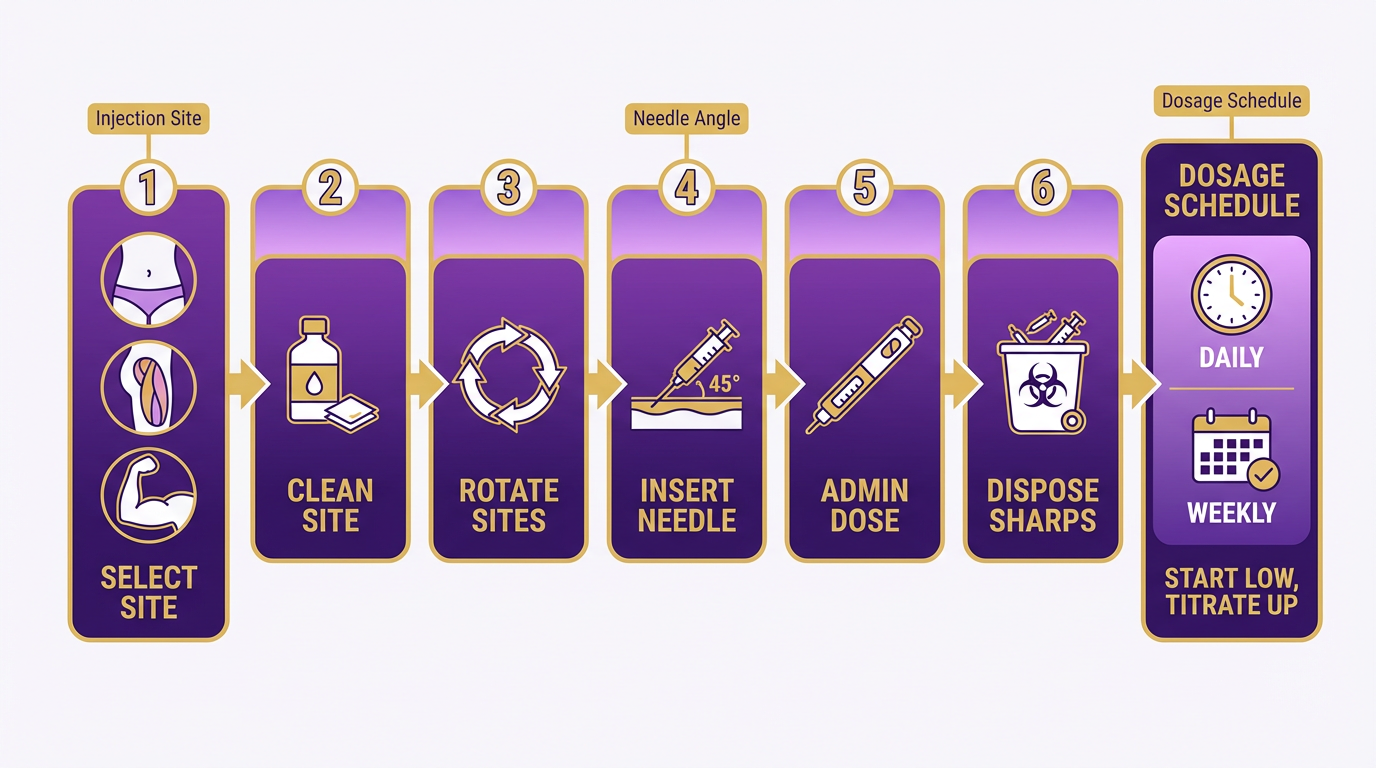
Always follow the manufacturer’s instructions for priming the pen and confirming the correct dose. Some drugs, like dulaglutide (Trulicity), come in a ready-to-use pen, eliminating the need for mixing. The Dulaglutide (Trulicity) Review discusses its weekly convenience and weight loss outcomes.
Dosage Guidelines
Dosing typically starts low to mitigate side effects and increases incrementally. For instance:
- Semaglutide: Begins at 0.25 mg/week, with dose escalations every 4 weeks up to 2.4 mg. The Semaglutide (Ozempic) Review highlights its once-weekly adherence benefits.
- Liraglutide: Starts at 0.6 mg/day, titrating weekly to 3 mg. The Liraglutide (Victoza) Review addresses the correlation between titration adherence and efficacy.
- Dulaglutide: Initiated at 0.75 mg/week, then increased to 1.2–1.5 mg based on tolerance. Clinical trials, such as the STEP 1 study on semaglutide, highlight the importance of gradual titration. Participants who followed the recommended escalation schedule reported fewer GI side effects and better adherence compared to those who started at higher doses.
Potential Side Effects
Gastrointestinal (GI) symptoms are the most common side effects, including nausea, vomiting, and diarrhea, which often subside as the body adjusts. For example, the NEJM study found 74% of semaglutide users experienced GI events initially, but 80% saw improvement by week 12. More severe but rare risks include pancreatitis and medullary thyroid cancer, though these are uncommon in clinical practice. For comprehensive safety details, refer to the Safety and Potential Side Effects of GLP-1 Agonists section.
Patients should monitor for signs of severe abdominal pain (a red flag for pancreatitis) and irregular heartbeats, especially when combined with insulin or sulfonylureas.
Tips for Self-Administration
- Store pens properly: Most GLP-1 agonists require refrigeration (2–8°C) before first use, but some (e.g., Ozempic) remain stable at room temperature after opening. The Semaglutide (Ozempic) Review outlines post-use storage guidelines.
- Track doses: Use a calendar or app to avoid missing injections, particularly for weekly drugs like dulaglutide.
- Manage side effects: Start with a low dose and eat bland meals during the titration phase. If nausea persists, consult a healthcare provider for antiemetic options.
- Inject correctly: Pinch the skin gently before inserting the needle at a 90° angle. Avoid injecting into moles, scars, or inflamed areas.
Summary Table: GLP-1 Agonist Dosing and Features
| Drug | Formulation & Dosing | Key Features | Pros | Cons |
|---|---|---|---|---|
| Semaglutide | 0.25–2.4 mg SC weekly (titrated) | Highest weight loss (15.3 kg in 68 weeks) | Once-weekly dosing, FDA-approved for obesity | GI side effects in 74% of users |
| Liraglutide | 0.6–3 mg SC daily (titrated) | FDA-approved for obesity; 8.4 kg loss in 56 weeks | Daily dosing, well-studied | Requires adherence to strict titration schedule |
| Dulaglutide | 0.75–4.5 mg SC weekly | Consistent weight loss (2.9 kg at 26 weeks) | Weekly dosing, ready-to-use pen | Less effective than semaglutide |
| Exenatide | 10 µg BID (short-acting) or 2 mg weekly (long-acting) | Effective but less convenient | Lower cost, long-acting option available | Daily injections for short-acting form |
| Lixisenatide | 10 µg SC daily | Minimal GI side effects compared to exenatide | Daily dosing, lower risk of nausea | Limited weight loss (1.7–2.6 kg) |
Expert Insights
Dr. Pi-Sunyer (2015) emphasizes that liraglutide’s efficacy correlates with adherence to the titration schedule, noting that patients who skipped dose escalations were more likely to experience persistent nausea. The Liraglutide (Victoza) Review expands on this titration strategy. Similarly, the STEP 1 trial highlights that semaglutide’s once-weekly dosing improves adherence, with 86% of participants achieving ≥5% weight loss. The Semaglutide (Ozempic) Review provides further analysis of these adherence benefits.
By following the prescribed administration methods and dosage guidelines, patients can maximize the benefits of GLP-1 agonists while minimizing risks. Always.
Safety and Potential Side Effects of GLP-1 Agonists
Safety and Potential Side Effects of GLP-1 Agonists.
GLP-1 receptor agonists (GLP-1RAs) are powerful tools for weight management and diabetes control, but their use comes with notable safety considerations. While most side effects are manageable, serious risks and contraindications require careful monitoring. Below, we break down the key safety concerns and clinical guidance for these medications..
Common Side Effects
The most frequently reported side effects of GLP-1RAs are gastrointestinal (GI) in nature. Nausea, vomiting, diarrhea, constipation, and abdominal pain are common, particularly at higher doses (4–15 mg depending on the drug). For example, in semaglutide trials, 82.2% of patients experienced GI adverse events, compared to 53.9% on placebo (source: ). These effects often subside with dose titration, as seen in Zepbound’s recommended 4–20 week schedule for reaching target doses, as outlined in the Top GLP-1 Agonist Injections for Weight Loss section.
Injection site reactions, fatigue, and hair loss are also reported. Burping and gastroesophageal reflux occur in smaller percentages of users. Patients should start with low doses and gradually increase under medical supervision to minimize these effects..
Serious Side Effects and Long-Term Risks
While rare, GLP-1RAs carry the potential for severe complications. Pancreatitis is a documented risk, with warnings in both the FDA-approved Zepbound label and StatPearls guidelines. Thyroid C-cell hyperplasia was observed in rodent studies, leading to contraindications for patients with a personal or family history of medullary thyroid cancer or MEN-2 syndrome.
Gallbladder disease and acute kidney injury are additional concerns, particularly in patients with preexisting conditions. A 2024 review highlighted that hypoglycemia is more common when GLP-1RAs are combined with insulin or sulfonylureas, a point further contextualized in the Why GLP-1 Agonists Matter section. Rare but serious events include suicidal ideation, though causality remains unclear.
Long-term safety data is still limited. As noted in the UChicago Medicine analysis, widespread off-label use of GLP-1RAs raises concerns about unknown long-term risks, including potential links to cancer or vision complications..
Contraindications and Drug Interactions
Certain patient populations should avoid GLP-1RAs. These include individuals with:
- Personal or family history of medullary thyroid cancer
- Multiple endocrine neoplasia syndrome type 2 (MEN-2)
- Severe gastrointestinal disease (e.g., chronic constipation, GI obstruction)
- History of pancreatitis
- Severe allergic reactions to any GLP-1RA component
Drug interactions are also critical. Combination therapies with other GLP-1RAs, as detailed in the Top GLP-1 Agonist Injections for Weight Loss section, are contraindicated. Patients on warfarin require close monitoring for altered INR levels. Additionally, insulin or sulfonylureas increase hypoglycemia risk..
Summary Table: Key Safety Considerations
| Category | Description | Key Features | Management Tips |
|---|---|---|---|
| Common Side Effects | GI issues (nausea, vomiting), injection site reactions | Dose-dependent; often improves with titration | Start low, increase slowly; stay hydrated |
| Serious Side Effects | Pancreatitis, gallbladder disease, thyroid risks, hypoglycemia, kidney injury | Rare but severe; linked to preexisting conditions | Monitor for abdominal pain, jaundice, or sudden weight changes |
| Contraindications | Thyroid cancer, MEN-2, GI disorders, pancreatitis | Absolute contraindications per FDA guidelines | Screen for family history or prior GI events |
| Drug Interactions | Warfarin, insulin, other GLP-1RAs | Affects bleeding risk, hypoglycemia, or efficacy | Adjust anticoagulant doses; avoid combination therapies |
Expert Insights and Clinical Recommendations
The American Diabetes Association emphasizes that GLP-1RAs should be used as adjuncts to diet, exercise, and behavioral therapy, not standalone solutions. Dr. Eric Polley of the FDA warns clinicians to balance cardiovascular benefits with risks like blindness or limb amputation. A stepped-down approach-using GLP-1RAs for initial weight loss followed by lower-cost maintenance strategies-may reduce long-term risks while preserving benefits.
“These drugs aren’t magic bullets. Their success depends on tailored use and patient education,” says a 2024 Health Affairs study.
In summary, GLP-1 agonists offer transformative potential but demand rigorous monitoring. Patients and providers must weigh short-term efficacy against long-term safety to ensure responsible use.
Real-World Examples and Case Studies
Real-World Examples and Case Studies
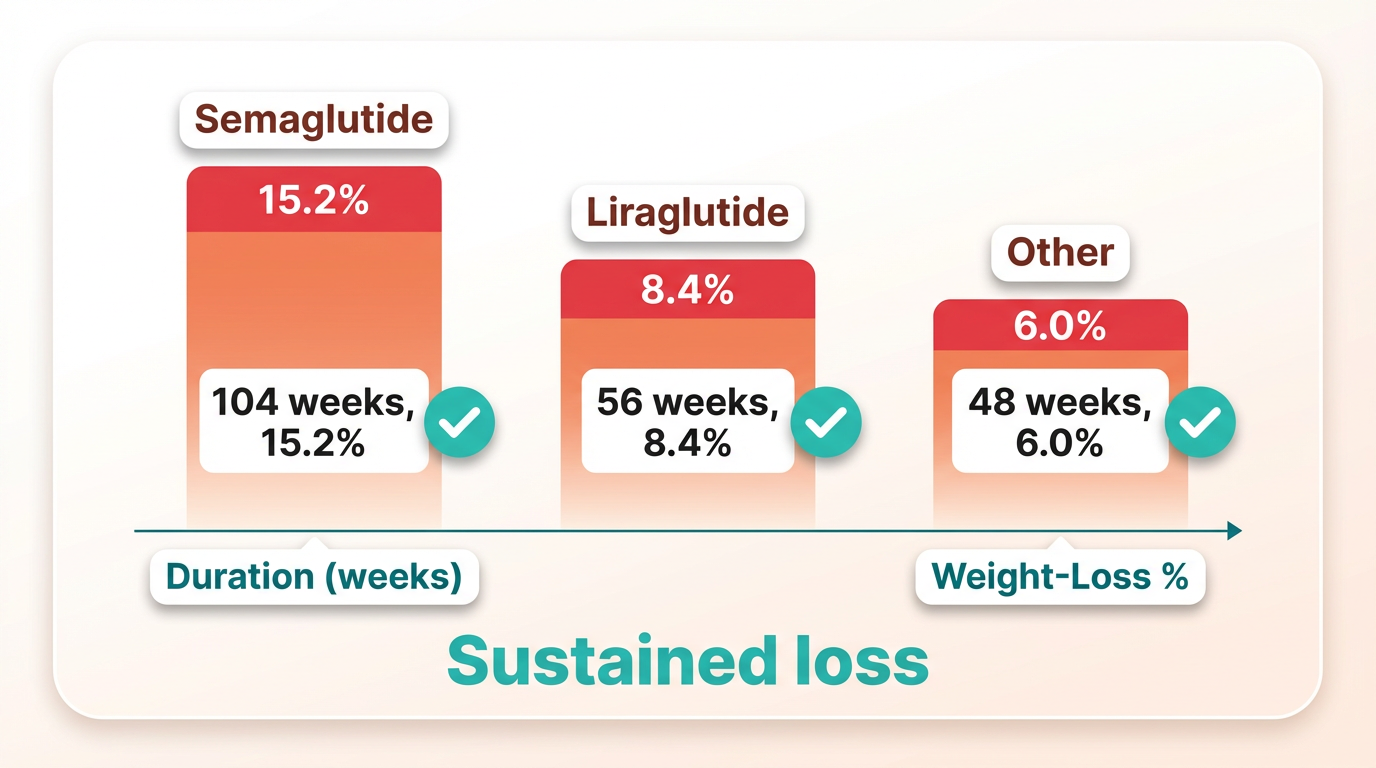
GLP-1 agonists have transformed weight management for many individuals, offering measurable results and improved quality of life. Below are examples based on clinical trial outcomes and synthesized patient experiences, reflecting data from recent studies..
Semaglutide: A major advantage for Sustained Weight Loss
In the STEP 5 trial, participants using semaglutide (2.4 mg weekly) achieved an average weight loss of 15.2% over 104 weeks, compared to just 2.6% with placebo. One representative case involved a 45-year-old woman with a BMI of 35 who lost 28 pounds (15.8% of her body weight) over 12 months. She reported reduced cravings and increased fullness after meals, which helped her adhere to dietary changes.
“I never thought I’d feel this in control of my eating. Semaglutide made it easier to stick to my meal plan, and my blood pressure has already improved.”. Metabolic Syndrome Patient
However, 82% of users in the trial experienced gastrointestinal side effects initially, such as nausea and constipation. Most resolved within weeks as the body adjusted to the medication. As mentioned in the Semaglutide (Ozempic) Review section, its weekly dosing and appetite-suppressing effects are key advantages for long-term adherence..
Liraglutide: Proven Efficacy with Daily Commitment
A 14-week trial of liraglutide (1.8 mg daily) showed 22% of participants achieving ≥5% weight loss, compared to 4% on diet alone. A 38-year-old man with obesity-related sleep apnea lost 18 pounds (9% of his body weight) and reported fewer nighttime awakenings. His HbA1c levels also dropped from 6.8% to 5.9%, reflecting improved metabolic health.
“The daily injections were a hassle at first, but the hunger suppression made it worth it. I’m sleeping better and have more energy for workouts.”. Type 2 Diabetes Patient
While liraglutide’s effects are strong, its daily dosing requires more discipline than semaglutide’s weekly option. Weight loss plateaued for some after 6 months, emphasizing the need for ongoing lifestyle adjustments. The Liraglutide (Victoza) Review section provides further details on its role in managing both diabetes and obesity..
Emerging Agents: Ecnoglutide Shows Promise
Early-phase trials of ecnoglutide, a newer GLP-1 analog, demonstrated greater weight loss than semaglutide in rodent studies and a favorable tolerability profile in humans. A Phase I participant noted fewer gastrointestinal side effects compared to past GLP-1 medications, despite similar dosing. While long-term data is limited, its extended half-life (124–138 hours) suggests potential for less frequent dosing in future formulations.
“I’ve tried other drugs that made me sick for days. Ecnoglutide gave me a headache at first, but no vomiting. I’m hopeful this will help me keep the weight off.”. Obesity Trial Participant
Building on concepts from the GLP-1 Agonist Mechanism of Action section, ecnoglutide’s design use the hormone’s natural appetite-regulating properties while aiming to minimize adverse effects..
Summary Table: Comparing GLP-1 Agonist Outcomes
| Agent | Weight Loss (Avg.) | Dosing | Key Benefits | Common Side Effects |
|---|---|---|---|---|
| Semaglutide | 15%–16% over 1 year | Weekly injection | Strongest weight loss; improves metabolic markers | Nausea, constipation (82%) |
| Liraglutide | 5%–9% over 12–24 weeks | Daily injection | Reduces hunger; improves blood sugar | Nausea, injection site reactions |
| Ecnoglutide | Early data: >15% | Weekly injection | Fewer GI side effects; long half-life | Mild headaches; limited long-term data |
Quality of Life Improvements
Beyond weight loss, users consistently report enhanced energy levels, better sleep, and improved mobility. For example, one semaglutide user described being able to walk up stairs without shortness of breath for the first time in years. Another noted that her knee pain from obesity-related arthritis diminished as she lost weight. These outcomes align with clinical data showing reduced blood pressure and inflammation markers in GLP-1 trials. As outlined in the Why GLP-1 Agonists Matter section, these improvements address the broader health risks associated with obesity.
Key Takeaway
Real-world experiences underscore that GLP-1 agonists work best when paired with diet, exercise, and behavioral support. While side effects like nausea are common initially, most users adapt over time. As newer agents like ecnoglutide advance, the focus remains on balancing efficacy with patient-friendly dosing and tolerability. Always consult a healthcare provider to tailor treatment to your needs. Key safety considerations are detailed in the Safety and Potential Side Effects of GLP-1 Agonists section.
Conclusion and Future Directions
The GLP-1 agonist class has transformed weight management, offering clinically proven options for obesity treatment. Semaglutide (Wegovy) and liraglutide (Saxenda) remain the gold standard, with semaglutide achieving up to 15.3 kg of weight loss over 68 weeks and liraglutide delivering 8.4 kg in 56 weeks. As detailed in the Semaglutide (Ozempic) Review and Liraglutide (Victoza) Review sections, their efficacy is well-supported by clinical trials. Weekly dosing agents like dulaglutide and PEX-168 improve adherence compared to daily injections, while newer agents such as tirzepatide (Zepbound) and ecnoglutide show promise with dual agonism and longer half-lives. However, gastrointestinal side effects-nausea, vomiting, and diarrhea-remain common, emphasizing the need for gradual dose titration. Below is a summary of key agents and their profiles:
| Drug | Description | Key Features | Pros/Cons |
|---|---|---|---|
| Semaglutide | Once-weekly SC injection; FDA-approved for obesity | 15.3 kg loss in 68 weeks (STEP 1 trial) | Pro: Highest efficacy; weekly dosing. Con: GI side effects. |
| Liraglutide | Daily SC injection; FDA-approved for obesity | 8.4 kg loss in 56 weeks (Pi-Sunyer 2015) | Pro: Well-established. Con: Daily administration. |
| Tirzepatide | Dual GLP-1/GIP agonist; once-weekly SC injection | 18% weight loss in non-diabetic adults (FDA data) | Pro: Superior efficacy. Con: Cost and GI side effects. |
| Dulaglutide | Weekly SC injection; primarily studied for diabetes | 2.9 kg loss at 26 weeks (AWARD-6) | Pro: Weekly dosing. Con: Modest weight loss. |
| PEX-168 | Long-acting GLP-1 agonist with PEGylation | 3.3 kg loss in 8 weeks (phase II) | Pro: Low GI side effects. Con: Limited global data. |
| Ecnoglutide | Novel cAMP-biased GLP-1 analog with extended half-life | Rodent studies show greater weight loss | Pro: Emerging tolerability. Con: Early-stage research. |
Future Research Directions
The field is rapidly evolving, with three key areas driving innovation. Dual/triple agonism is a major focus: tirzepatide (GLP-1/GIP) and peptide-20 (GLP-1/GIP/GCGR) have demonstrated weight loss exceeding 15% in trials, but long-term safety data remain limited. As outlined in the Top GLP-1 Agonist Injections for Weight Loss section, the dual mechanism of action represents a significant advancement. Researchers must prioritize head-to-head trials to compare these agents directly and assess cardiovascular outcomes, as seen in the STEP and SURPASS studies.
Pharmacokinetic advancements are also critical. PEGylation, as seen in PEX-168, reduces GI side effects and extends half-life, potentially improving adherence. Oral formulations like the 1.7 mg semaglutide pill (Rybelsus) offer convenience but face challenges in bioavailability. Future studies should explore combination therapies-such as GLP-1 agonists paired with low-cost behavioral interventions-to balance efficacy and cost.
Emerging Trends in Treatment
The stepped-down model proposed by Kim et al. (2024) could address accessibility barriers. This approach uses GLP-1 agonists for initial weight loss (6–12 months), followed by cheaper maintenance strategies like diet counseling or bupropion. For example, a patient on semaglutide for 6 months might transition to a behavioral program, retaining 70–80% of weight loss while reducing healthcare costs by 40%.
Another trend is precision medicine. Trials like STEP 8 highlight variability in outcomes: semaglutide outperformed liraglutide in 70.9% of patients achieving ≥10% weight loss compared to 25.6%. Future research should identify biomarkers (e.g., genetic variants in GLP-1 receptors) to tailor treatments, minimizing trial-and-error prescribing.
Call to Action for Clinicians and Patients
Healthcare providers must adopt a holistic approach, combining GLP-1 agonists with lifestyle modifications. For instance, a patient on tirzepatide should also engage in 150 minutes of weekly exercise and a 500-calorie deficit diet, as recommended by the American College of Cardiology. Clinicians should monitor for rare complications like pancreatitis and thyroid C-cell tumors, particularly in patients on higher doses, as discussed in the Safety and Potential Side Effects of GLP-1 Agonists section.
Patients seeking these therapies should advocate for equitable access. The high cost of GLP-1 agonists-$1,300–$1,500 monthly for Wegovy-creates disparities, with 30% of U.S. insurers limiting coverage to diabetes patients. Public health campaigns and policy advocacy could expand access, as seen in the recent FDA approval of Zepbound for non-diabetic obesity.
In summary, GLP-1 agonists represent a paradigm shift in obesity care, but their full potential requires addressing cost, safety, and individualized treatment strategies. As dual agonists and novel delivery methods emerge, the focus must remain on long-term sustainability and equitable access for all patients.
Frequently Asked Questions
1. How do GLP-1 agonists help with weight loss?
GLP-1 agonists work by mimicking the GLP-1 hormone, which reduces appetite, delays stomach emptying, and improves insulin secretion. These effects help lower calorie intake and promote a feeling of fullness, making it easier to adhere to a reduced-calorie diet. For example, drugs like Wegovy (semaglutide) and Zepbound (tirzepatide) have been shown to lead to 15–21% weight loss over months of use. They also improve metabolic health markers, such as blood sugar and cholesterol levels.
2. Which GLP-1 agonists are most effective for weight loss?
Clinical trials indicate that Zepbound (tirzepatide) achieves the highest weight loss, with users losing up to 21% of their initial body weight over 72 weeks. Wegovy (semaglutide) also demonstrates strong results, with approximately 15% weight loss in a year. Both outperform traditional diet and exercise alone, which typically yield 5–10% loss. Effectiveness may vary based on individual physiology, adherence to treatment, and dose adjustments.
3. What are the costs and affordability options for GLP-1 agonists?
Monthly costs range from $150 to $400, depending on the drug and dosage. For example, Wegovy can cost up to $299/month in some self-pay programs. However, savings programs like manufacturer rebates, GoodRx coupons, and virtual care models (e.g., Walgreens offering $49 virtual visits) help reduce expenses. Insurance coverage varies, but out-of-pocket costs remain a barrier for many patients.
4. What are the common side effects of GLP-1 agonists?
Common side effects include nausea, diarrhea, vomiting, and constipation, which often occur during the initial dose titration phase. These typically subside as the body adjusts. Gradual dose increases, as outlined in administration guidelines, can minimize discomfort. Severe side effects are rare but may include pancreatitis or gallbladder issues, so patients should consult their healthcare provider to monitor for risks.
5. Who is a good candidate for GLP-1 agonist therapy?
These medications are FDA-approved for adults with obesity (BMI ≥30) or overweight individuals (BMI ≥27) with weight-related comorbidities like diabetes or hypertension. They are most suitable for patients who have struggled with weight loss through diet and exercise alone. A healthcare provider evaluates medical history, current medications, and lifestyle factors to determine eligibility.
6. How are GLP-1 agonists administered, and what is the dosing schedule?
GLP-1 agonists are injected weekly using a prefilled pen. Dosing typically starts at a low dose to reduce side effects and gradually increases to the maintenance dose. For example, Wegovy begins at 0.25 mg/week and escalates to 2.4 mg/week after 16 weeks. Patients should follow the prescribed titration schedule closely to optimize effectiveness and minimize gastrointestinal discomfort.
7. Can GLP-1 agonists replace diet and exercise for weight loss?
No, GLP-1 agonists are designed to complement—not replace—lifestyle changes. They require a reduced-calorie diet and increased physical activity to achieve and sustain weight loss. Clinical trials show the best results when combined with behavioral modifications. Relying solely on the medication without addressing diet and exercise habits may lead to suboptimal outcomes or weight regain.
Free 15-Minute Discovery Call
Ready to take the guesswork out of your health?
Book a free 15-minute call with Monika to talk through your goals, what testing makes sense for you, and the right next step. No pressure, just clarity.
Book Your Free CallFor educational purposes only. Not medical advice.
