
Why GLP-1 Drugs Matter
GLP-1 drugs have become a cornerstone in managing type 2 diabetes and obesity, two of the most pressing health challenges globally. With over 37 million Americans living with diabetes and 42% of adults classified as obese, these medications offer a dual solution: stabilizing blood sugar and enabling significant weight loss. Their growing importance stems from their ability to address not just symptoms but underlying metabolic dysfunction, while also reducing risks for heart disease, kidney damage, and fatty liver disease. Let’s break down why they matter..
The Growing Need for GLP-1 Drugs
The prevalence of type 2 diabetes and obesity has surged in recent decades. In the U.S., over 10% of the population has diabetes, and 90% of these cases are type 2. Obesity rates have nearly tripled since the 1970s, with 42% of adults now classified as obese. These conditions are intertwined: obesity drives insulin resistance, a key factor in diabetes, while diabetes complicates weight management. GLP-1 drugs bridge this gap by targeting both.
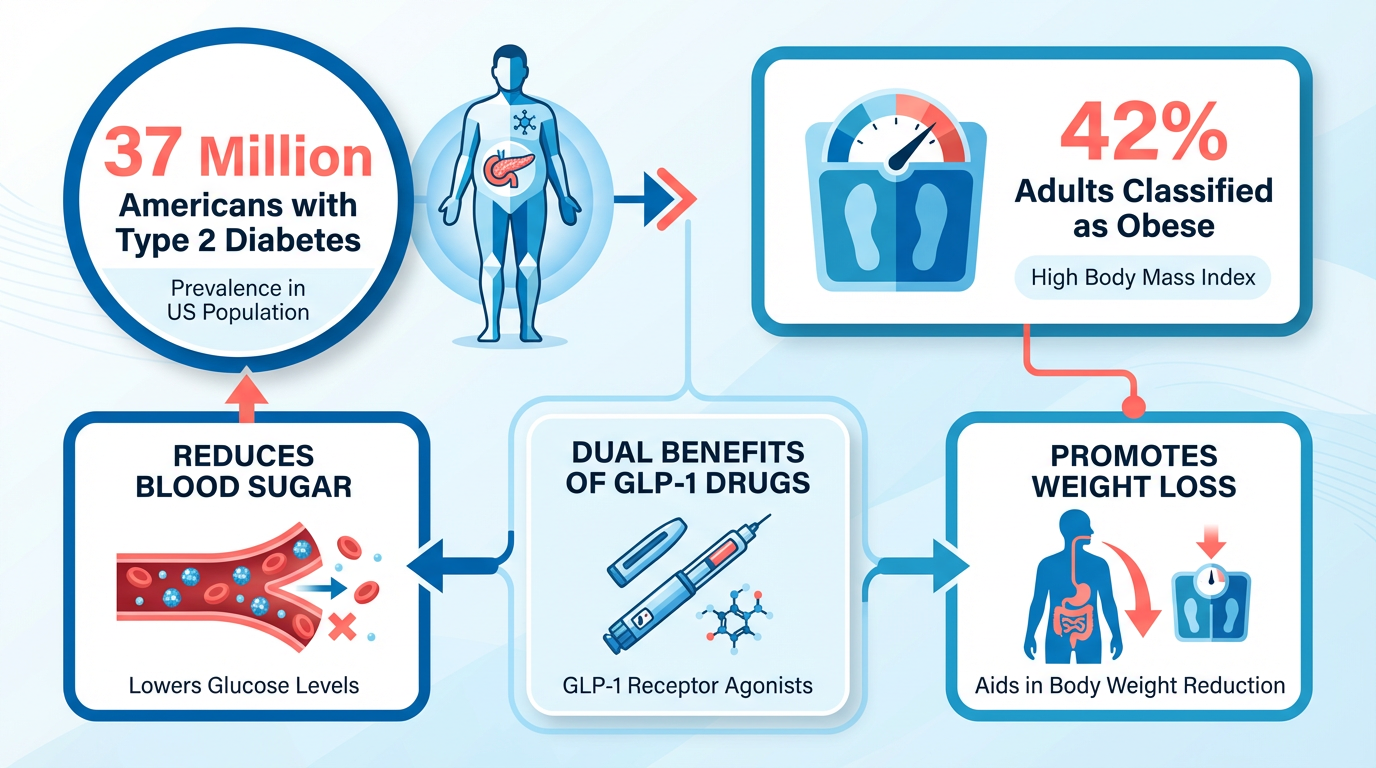
For example, the FDA approved semaglutide for weight management in 2021, marking a shift from diabetes-only use to obesity treatment. Clinical trials show it can reduce body weight by 10–15% in adults with a BMI ≥30 or ≥27 with comorbidities like hypertension or prediabetes. Tirzepatide, a newer dual GLP-1/GIP receptor agonist, achieves 15–20% weight loss, outperforming earlier options. These results are transformative for patients who’ve struggled with traditional weight loss methods..
How GLP-1 Drugs Address Key Health Challenges
GLP-1 drugs mimic the glucagon-like peptide-1 hormone, which naturally lowers blood sugar after meals. As explained in the Introduction to GLP-1 Drugs section, these medications boost insulin release, suppress glucagon, and slow gastric emptying. But their benefits extend beyond glucose control. Studies show they reduce the risk of heart attacks and strokes by 12–20% in patients with cardiovascular disease. They also lower albuminuria (a marker of kidney damage) and improve liver enzymes in non-alcoholic fatty liver disease (NAFLD).
Weight loss is another critical impact. For someone weighing 250 pounds, a 15% reduction translates to 37.5 pounds, which can reverse metabolic syndrome and reduce joint pain, sleep apnea, and diabetes risk. The once-weekly dosing of drugs like semaglutide and tirzepatide (compared to daily injections) improves adherence, while oral semaglutide offers a pill alternative.
However, challenges remain. Gastrointestinal side effects like nausea and diarrhea occur in 20–30% of patients, though often subside over time. Long-term use may also lead to facial fat loss or muscle mass decline, requiring dietary support. Cost is another barrier: monthly expenses range from $900 to $1,300, limiting access for many..
Who Benefits Most and Treatment Considerations
GLP-1 drugs are most effective for patients with BMI ≥30 or ≥27 with weight-related conditions. They’re particularly valuable for those with comorbidities like heart disease, chronic kidney disease, or PCOS. For instance, a 45-year-old woman with type 2 diabetes, obesity, and hypertension might see her A1C drop from 8.5% to 6.5% and lose 20 pounds within a year.
Treatment plans typically start with a low dose, titrating upward to minimize side effects. Semaglutide, for example, begins at 0.25 mg weekly, increasing to 2.4 mg. Patients must also adopt lifestyle changes-like a low-calorie diet and exercise-to sustain results. Discontinuation without these habits often leads to weight regain.
Not all patients are candidates. Contraindications include a history of thyroid cancer or pancreatitis, as detailed in the GLP-1 Drug Interactions and Contraindications section. Clinicians must weigh these risks against benefits, often using a team approach involving dietitians and cardiologists to monitor progress..
Real-World Impact and Cost Considerations
Beyond metrics, GLP-1 drugs improve quality of life. One patient reported reduced snoring and better mobility after losing 25 pounds on semaglutide. Another, a 55-year-old man with heart failure, saw his ejection fraction improve from 35% to 50%. These outcomes align with cardiovascular trials referenced in the GLP-1 Drug Efficacy and Safety section, showing a 20% reduction in major adverse events with liraglutide and semaglutide.
Despite their efficacy, cost remains a hurdle. While insurance often covers diabetes indications, obesity treatment is frequently excluded. For the uninsured, this creates a $10,000+ annual expense, though some manufacturers offer co-pay assistance programs..
Key Comparison: Semaglutide vs. Tirzepatide
| Feature | Semaglutide | Tirzepatide |
|---|---|---|
| Mechanism | GLP-1 agonist | Dual GLP-1/GIP agonist |
| Weight Loss | 10–15% of body weight | 15–20% of body weight |
| Dosing | Weekly injection or daily oral pill | Weekly injection |
| Cost | $900–$1,200/month | $1,000–$1,300/month |
| Cardiovascular | Proven heart-protective effect | Emerging data |
Tirzepatide’s dual action on GIP (glucose-dependent insulinotropic polypeptide) enhances fat metabolism, giving it an edge for weight loss. However, semaglutide remains a top choice for diabetes management due to its long-standing cardiovascular safety profile.
In conclusion, GLP-1 drugs are a major advantage for patients with diabetes and obesity. By integrating metabolic control, weight loss, and organ protection, they address the root causes of chronic disease. Yet, their success hinges on affordability, adherence, and a holistic approach to health. For the right patient, these medications offer a path from chronic illness to renewed vitality.
Introduction to GLP-1 Drugs
GLP-1 receptor agonists (GLP-1 RAs) are a class of medications that mimic the body’s natural glucagon-like peptide-1 hormone. This hormone plays a crucial role in regulating blood sugar and appetite by stimulating insulin release, suppressing glucagon secretion, slowing gastric emptying, and enhancing satiety. These mechanisms make GLP-1 drugs highly effective for managing type 2 diabetes and promoting weight loss. Over the past two decades, research has evolved from using GLP-1 RAs strictly for diabetes to approving them for obesity and related comorbidities like obstructive sleep apnea. Key milestones include the 2017 approval of semaglutide (Ozempic) for diabetes, followed by its 2021 weight-loss formulation (Wegovy), and the 2022 introduction of tirzepatide (Mounjaro/Zepbound), a dual GLP-1/GIP agonist offering enhanced weight-loss benefits.
Mechanism of Action and Historical Context
GLP-1 drugs act on the gut-brain and gut-liver axes. By binding to GLP-1 receptors in the pancreas, brain, and gastrointestinal tract, they reduce post-meal glucose spikes and curb hunger signals. Early GLP-1 therapies like exenatide (Byetta) in 2005 required twice-daily injections, while later formulations extended dosing intervals to weekly. The introduction of oral GLP-1 agents, such as Rybelsus in 2019, expanded accessibility for patients averse to injections. Dual agonists like tirzepatide, approved in 2022, combine GLP-1 with glucose-dependent insulinotropic polypeptide (GIP) pathways, improving metabolic outcomes beyond traditional agents. These advancements reflect a shift toward personalized treatment, balancing efficacy with patient preferences for dosing frequency and route. GLP-1 Drug Classes and Types section provides further details on the categorization of these agents.
Current Market Market and Efficacy
The U.S. market now includes 11 FDA-approved GLP-1 drugs, each tailored to specific needs. For diabetes, options like Ozempic, Trulicity, and Victoza focus on blood-sugar control, with proven cardiovascular benefits in high-risk patients. Weight-loss formulations, including Wegovy (injection and pill) and Zepbound, achieve 15–21% weight reduction over months, outperforming older agents like Saxenda. Dosing varies by drug: weekly injections (e.g., Ozempic, Wegovy) are popular for convenience, while oral tablets (e.g., Rybelsus, Wegovy pill) suit those avoiding needles. GLP-1 Drug Administration and Dosing outlines key considerations for optimizing therapeutic regimens. Cardiovascular advantages are notable-drugs like Trulicity and Semaglutide reduce major adverse cardiovascular events by up to 20%. Cost remains a barrier, but programs like GoodRx can lower monthly expenses to $199–$349, making these therapies more accessible.
Emerging Therapies and Regulatory Oversight
The GLP-1 pipeline includes oral non-peptide agents like orforglipron, currently in Phase 2 trials, and extended-release formulations aiming to further simplify dosing. Regulatory bodies like the FDA require rigorous post-marketing surveillance, especially for newer drugs like Zepbound, which targets both weight loss and sleep apnea. Approval processes emphasize long-term safety data, particularly for dual agonists and adolescent use. For example, Wegovy is now approved for adolescents aged 12–17, reflecting evolving clinical guidelines. GLP-1 Drug Interactions and Contraindications highlights critical patient selection criteria, including avoiding contraindications such as pancreatitis or thyroid cancer history. As research expands into conditions like non-alcoholic fatty liver disease (NAFLD), the role of GLP-1 drugs continues to broaden beyond diabetes and obesity.
| Drug | Indication | Dosing | Weight Loss Efficacy | Cardiovascular Benefit |
|---|---|---|---|---|
| Ozempic | Diabetes | Weekly injection | 4–8% (unapproved) | Reduces MACE risk |
| Wegovy | Weight loss | Weekly injection | 15% | 20% MACE reduction |
| Zepbound | Weight loss/OSA | Weekly injection | 21% | Under study |
| Mounjaro | Diabetes | Weekly injection | >15% (unapproved) | Ongoing trials |
| Saxenda | Weight loss | Daily injection | 8% | Slows CKD progression |
This comparison highlights the diversity of GLP-1 agents, underscoring the need for individualized treatment plans. Whether managing diabetes or targeting obesity, the choice of drug hinges on efficacy, tolerability, and long-term safety-factors that healthcare providers and patients must weigh together.
GLP-1 Drug Classes and Types
GLP-1 receptor agonists (GLP-1 RAs) are categorized into short-acting, long-acting, and oral formulations, each with distinct characteristics, indications, and dosing strategies. These drugs work by mimicking the GLP-1 hormone to regulate blood sugar, suppress appetite, and slow gastric emptying, making them critical for managing type 2 diabetes and obesity, as highlighted in the Why GLP-1 Drugs Matter section. Below is a detailed breakdown of each class.
Short-Acting GLP-1 Drugs
Short-acting GLP-1 drugs are administered daily and are best suited for patients requiring rapid glucose control. Exenatide (Byetta) is a prime example, indicated for type 2 diabetes. It starts at 5 µg twice daily and can be titrated up to 10 µg BID. Key features include:
- Characteristics: Rapid onset and shorter half-life, requiring frequent dosing.
- Indications: Type 2 diabetes management.
- Dosing: Requires gradual titration to minimize gastrointestinal (GI) side effects like nausea.
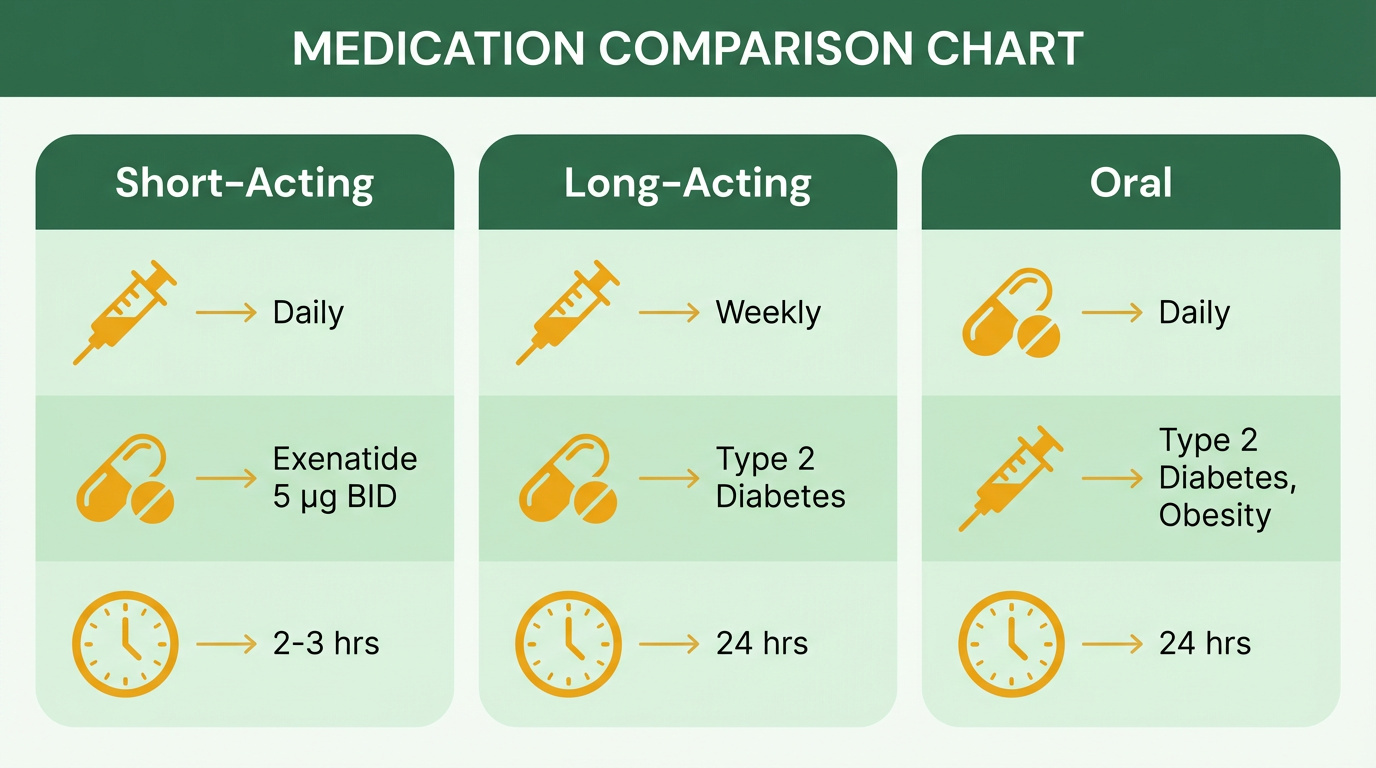
These drugs are less common today due to the availability of longer-acting alternatives but remain an option for patients who prefer daily injections.
Long-Acting GLP-1 Drugs
Long-acting GLP-1 drugs are injected weekly and dominate the market due to their convenience and sustained efficacy. Examples include semaglutide (Ozempic, Wegovy) and tirzepatide (Mounjaro, Zepbound). Key details:
| Drug | Indications | Dosing | Efficacy (Weight Loss) |
|---|---|---|---|
| Semaglutide | Type 2 diabetes, obesity | 0.5–2.4 mg weekly (injectable); 3–14 mg daily (oral) | 15–20% body weight loss |
| Tirzepatide | Type 2 diabetes, obesity | 2.5–15 mg weekly | >20% body weight loss |
| Dulaglutide (Trulicity) | Type 2 diabetes | 0.75–4.5 mg weekly | 5–10% body weight loss |
- Characteristics: Extended duration of action, reducing dosing frequency.
- Indications: Both type 2 diabetes and obesity, with varying FDA approvals (e.g., Wegovy is the only FDA-approved semaglutide for obesity, as detailed in the GLP-1 Drug Efficacy and Safety section).
- Safety: Common GI side effects (nausea, vomiting) but lower risk of hypoglycemia compared to insulin.
Tirzepatide, a dual GLP-1/GIP agonist, shows superior weight loss outcomes in clinical trials, though it shares similar adverse-effect profiles with other long-acting agents.
Oral GLP-1 Drugs
The only oral GLP-1 drug currently available is semaglutide (Rybelsus), approved for type 2 diabetes but not obesity. It is taken daily and requires once-weekly dose titration from 3 mg to a maximum of 14 mg. Key points:
- Characteristics: Tablet formulation avoids injection, but bioavailability is lower than injectables, as discussed in the GLP-1 Drug Administration and Dosing section.
- Indications: Type 2 diabetes only (not approved for weight loss).
- Dosing: Start at 3 mg daily, increasing every four weeks.
Oral formulations are less effective than injectables for weight loss, with studies showing Rybelsus achieves about 5% weight reduction compared to 15–20% with injectable semaglutide.
Combinations and Fixed-Dose Regimens
Fixed-dose combinations of GLP-1 drugs are rare but emerging. Tirzepatide uniquely combines GLP-1 and GIP agonism, enhancing satiety and metabolic effects. For example, Mounjaro (tirzepatide) for diabetes and Zepbound (same active ingredient) for obesity demonstrate the versatility of dual-action agents.
Fixed-dose pairs with other medications (e.g., GLP-1 + metformin) are not yet FDA-approved but are under investigation for optimized diabetes management.
Comparison of GLP-1 Drug Classes
| Feature | Short-Acting | Long-Acting | Oral |
|---|---|---|---|
| Efficacy | Moderate | High (15–20% weight loss) | Lower (5% weight loss) |
| Safety | GI side effects common | Similar GI side effects; tirzepatide shows higher tolerability | GI effects, but less studied |
| Tolerability | Requires daily dosing | Weekly dosing improves adherence | No injection, but lower efficacy |
Long-acting injectables like semaglutide and tirzepatide are preferred for weight loss due to their potency and convenience. Oral options remain limited but offer a non-invasive alternative for diabetes patients.
Key Considerations for Patients
- Cost and Insurance: Long-acting injectables can cost $1,000/month without insurance, while oral options like Rybelsus are similarly priced.
- Side Effects: All classes share GI risks, but tirzepatide’s dual mechanism may reduce appetite more effectively.
- Lifestyle Integration: Weekly injections (long-acting) are more patient-friendly than daily doses (short-acting or oral).
When selecting a GLP-1 drug, clinicians must balance efficacy, route of administration, patient preferences, and insurance coverage. For example, tirzepatide’s superior weight-loss results may justify its cost for patients with severe obesity, while Rybelsus suits those who avoid injections.
By understanding these classes, patients and providers can make informed decisions tailored to individual health goals and comorbidities.
GLP-1 Drug Efficacy and Safety
GLP-1 receptor agonists (GLP-1 RAs) have emerged as a cornerstone in managing type 2 diabetes and obesity, with strong clinical evidence supporting their efficacy and safety. This section compares key GLP-1 drugs, highlighting their performance in trials and real-world settings, adverse events, and risk management strategies..
Clinical Trial Efficacy: Weight Loss and Glycemic Control
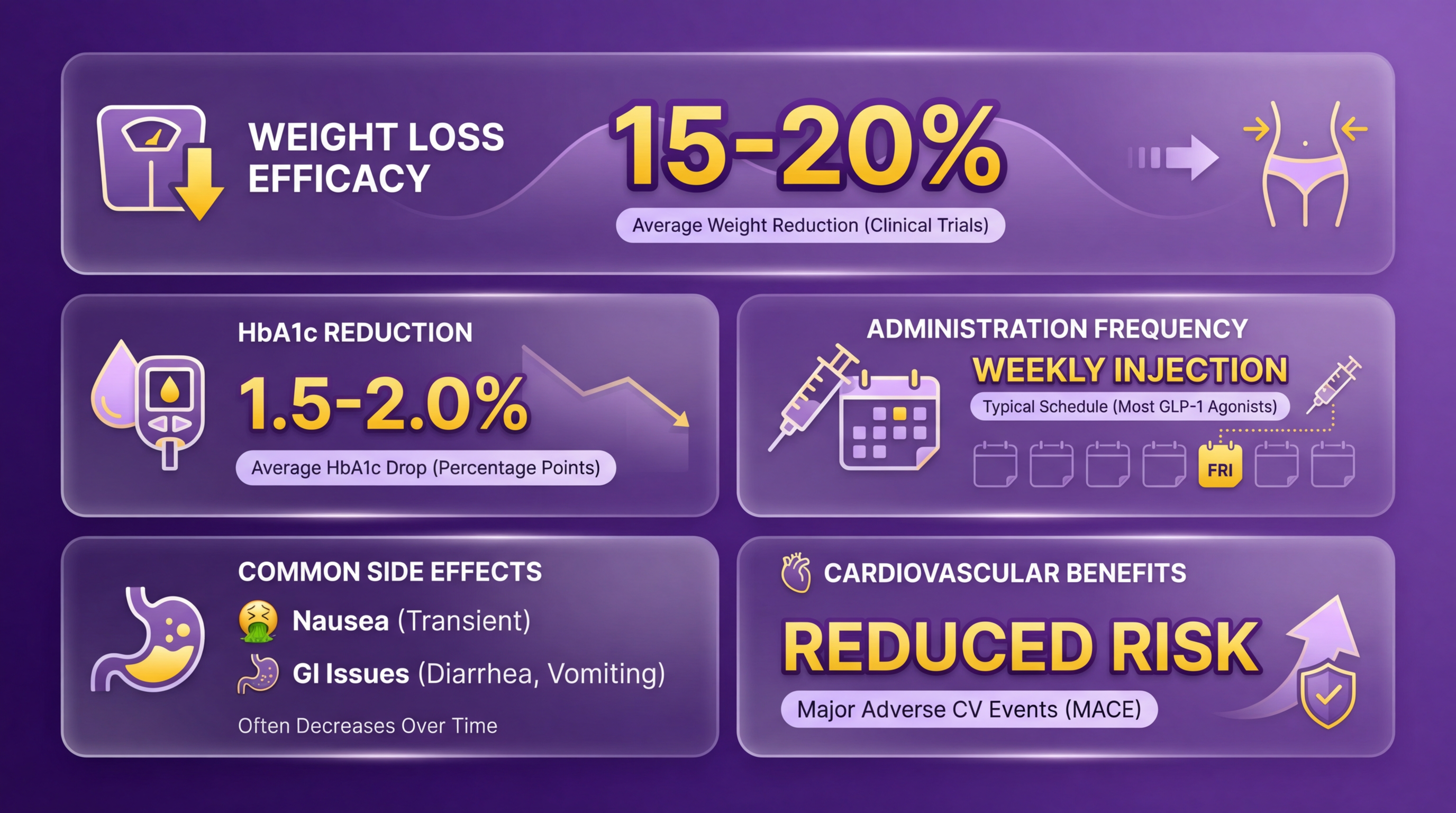
Clinical trials consistently show GLP-1 RAs significantly reduce body weight and improve glycemic control. Semaglutide and tirzepatide, two of the most studied agents, demonstrate superior outcomes compared to older drugs like liraglutide and dulaglutide. As mentioned in the GLP-1 Drug Classes and Types section, the formulation differences (e.g., weekly injectable vs. daily injectable) influence both efficacy and patient adherence.
| Drug | Average Weight Loss (Clinical Trials) | HbA1c Reduction | Mechanism |
|---|---|---|---|
| Semaglutide (weekly injectable) | ~10–15% of body weight | ~1.0–1.5% | GLP-1 agonist |
| Tirzepatide (weekly injectable) | ~15–20% of body weight | ~1.5–2.0% | Dual GLP-1/GIP agonist |
| Liraglutide (daily injectable) | ~5–8% of body weight | ~0.8–1.2% | GLP-1 agonist |
| Dulaglutide (weekly injectable) | ~4–6% of body weight | ~0.7–1.0% | GLP-1 agonist |
Semaglutide and tirzepatide outperform others in weight loss, with tirzepatide’s dual action on GLP-1 and glucose-dependent insulinotropic polypeptide (GIP) receptors likely contributing to its enhanced efficacy. The SUSTAIN and PIONEER trials show semaglutide 2.4 mg weekly achieves a 15.3% weight reduction, while tirzepatide 15 mg weekly reduces weight by 21.4% in non-diabetic patients (BSWHealth Blog, StatPearls)..
Real-World Effectiveness and Adherence
Real-world data reveal a gap between trial outcomes and everyday use. A 2023 study of 4,066 commercially insured adults without diabetes found semaglutide (Ozempic) had a 1-year persistence rate of 47.1%, compared to 19.2% for liraglutide (Saxenda). Key barriers include dosing frequency, side effects, and product shortages. Building on concepts from the GLP-1 Drug Administration and Dosing section, the dosing schedules of these medications directly impact long-term adherence and therapeutic success.
| Drug | 1-Year Persistence Rate | Median Time to Discontinuation |
|---|---|---|
| Semaglutide (Ozempic) | 47.1% | 279 days |
| Liraglutide (Saxenda) | 19.2% | 120 days |
| Dulaglutide (Trulicity) | 30.5% | 210 days |
While trials report >85% adherence, real-world rates drop to ~30–50% due to GI side effects and cost. For example, 23% of liraglutide users discontinue within 6 months in trials, but real-world data show higher dropout rates (StatPearls, BSWHealth Blog)..
Adverse Events: Common and Rare Risks
GLP-1 RAs are generally well-tolerated, but side effects vary by drug and patient profile. As outlined in the GLP-1 Drug Interactions and Contraindications section, specific patient histories (e.g., thyroid conditions) must be considered before initiating therapy.
Common Adverse Events
| Side Effect | Prevalence in Clinical Trials | Notes |
|---|---|---|
| Nausea | 30–50% | Most common; often resolves with dose titration |
| Vomiting | 10–20% | Higher with short-acting agents like exenatide BID |
| Injection-site reactions | 5–10% | More frequent with daily injectables |
Rare but Serious Adverse Events
| Condition | Prevalence | Risk Factors |
|---|---|---|
| Pancreatitis | <1% | History of pancreatitis; avoid in high-risk patients |
| Thyroid C-cell tumors | Animal studies show risk | Contraindicated in patients with familial adenomatous polyposis (FAP) |
| Hypersensitivity reactions | Rare | Discontinue if anaphylaxis occurs |
Long-term use may also lead to lean muscle loss and facial fat redistribution, as noted in BSWHealth’s analysis..
Safety Monitoring and Risk Management
To mitigate risks, healthcare providers use structured strategies:
- Dose Titration: Start low (e.g., 0.25 mg/week for semaglutide) and increase gradually to reduce GI side effects. Detailed titration protocols are described in the GLP-1 Drug Administration and Dosing section.
- Regular Monitoring: Check for pancreatitis symptoms (abdominal pain, nausea) and thyroid function in high-risk patients.
- Contraindications: Avoid in patients with a history of medullary thyroid carcinoma or multiple endocrine neoplasia type 2 (MEN 2).
- Patient Education: Emphasize adherence to dosing schedules and reporting side effects promptly.
For example, the FDA warns against compounded semaglutide due to inconsistent potency and safety risks, urging patients to use FDA-approved formulations (StatPearls)..
Conclusion
GLP-1 RAs like semaglutide and tirzepatide offer the strongest evidence for weight loss and glycemic control, but their use requires balancing efficacy with side-effect profiles and adherence challenges. While tirzepatide shows the highest weight loss in trials, semaglutide’s real-world persistence makes it a practical choice for many. Clinicians must tailor selection based on patient tolerance, comorbidities, and cost, while prioritizing long-term monitoring to ensure safety.
GLP-1 Drug Administration and Dosing
Proper administration of GLP-1 receptor agonists (GLP-1 RAs) is critical to maximizing therapeutic outcomes while minimizing side effects. This section outlines practical guidance for subcutaneous injection techniques, dosing strategies, and special considerations, supported by real-world data and clinical recommendations..

Injection Techniques: Pens, Auto-Injectors, and Site Rotation
GLP-1 drugs are administered via subcutaneous injection, with most formulations delivered using prefilled pens or auto-injectors. For example, Ozempic® and Wegovy® use single-dose pens requiring a fine-gauge needle, while Trulicity® employs a prefilled pen with a built-in safety shield. Auto-injectors, though less common, simplify administration for patients with dexterity challenges. As mentioned in the GLP-1 Drug Classes and Types section, these delivery methods align with the drug’s pharmacokinetic profile, ensuring consistent absorption and efficacy.
Key steps for injection:
- Choose an injection site: Abdomen (2 inches from navel), thigh, or upper arm. Rotate sites to prevent irritation.
- Clean the area: Use alcohol swabs to disinfect the skin.
- Administer the dose: Hold the pen steady, press until the dose is fully delivered (typically 10–15 seconds), then wait 10 seconds before removing the needle.
Avoid injecting into moles, scars, or areas with bruising. Patients should be trained to recognize and manage accidental intravenous or intramuscular injections, which can increase side effects like nausea..
Dosing Strategies: Initiation, Titration, and Maintenance
GLP-1 RAs require careful dose titration to reduce gastrointestinal (GI) side effects and optimize adherence. Below is a summary of common initiation and titration schedules:
| Drug | Starting Dose | Titration Steps | Maintenance Dose |
|---|---|---|---|
| Semaglutide | 0.25 mg/week | Increase by 0.25 mg weekly every 4 weeks* | 1–2.4 mg/week (obesity) |
| Liraglutide | 0.6 mg/day | Increase by 0.6 mg weekly every 1 week | 3 mg/day (obesity) |
| Dulaglutide | 0.75 mg/week | Increase to 1.5 mg after 4 weeks | 1.5–3 mg/week |
| Exenatide ER | 2 mg/week | No titration required | 2 mg/week |
| Tirzepatide | 2.5 mg/week | Increase to 5 mg after 4 weeks, 10 mg after 8 | 10–15 mg/week |
* Semaglutide requires a 16-week titration for obesity (Wegovy®) versus 8 weeks for diabetes (Ozempic®). Titration should pause for severe GI side effects and resume at the previous dose. Building on concepts from the GLP-1 Drug Efficacy and Safety section, this approach balances therapeutic goals with tolerability, as abrupt dose escalation can exacerbate adverse effects.
Real-world adherence data highlights the importance of simplicity: semaglutide (weekly dosing) showed 47.1% persistence at 1 year, compared to 19.2% for liraglutide (daily dosing) in non-diabetic patients. This underscores the benefit of weekly regimens for long-term adherence..
Special Populations: Renal and Hepatic Impairment
Dose adjustments are necessary for patients with renal or hepatic impairment, though guidelines vary by drug:
| Drug | Renal Impairment | Hepatic Impairment |
|---|---|---|
| Semaglutide | No dose adjustment for mild/moderate CKD | Avoid in severe impairment; no data for end-stage |
| Liraglutide | No adjustment for mild CKD; avoid moderate+ | Use caution; limited safety data |
| Dulaglutide | Avoid in moderate CKD (eGFR <30 mL/min) | No specific recommendations |
| Exenatide ER | Contraindicated in moderate CKD | Not studied in severe impairment |
As outlined in the GLP-1 Drug Interactions and Contraindications section, contraindications in renal impairment highlight the need for individualized assessments. For hepatic impairment, most GLP-1 RAs lack strong clinical data. A 2024 review notes that tirzepatide and semaglutide may require dose reductions in severe cases, but providers should prioritize monitoring over strict guidelines.
GLP-1 Drug Interactions and Contraindications
GLP-1 receptor agonists (GLP-1 RAs) interact with several medications and carry specific contraindications, requiring careful evaluation before use. These interactions and warnings can impact treatment safety, particularly in patients with comorbid conditions or those taking multiple drugs. Below is a detailed breakdown of key considerations..
Drug-Drug Interactions
GLP-1 RAs amplify insulin secretion and reduce blood glucose, which can heighten the risk of hypoglycemia when combined with other antidiabetic agents. For example:
- Insulin or sulfonylureas (e.g., glimepiride): The additive hypoglycemic effect necessitates close glucose monitoring and potential dose reductions of insulin or sulfonylureas.
- Oral hypoglycemics (e.g., metformin, DPP-4 inhibitors): While safer than sulfonylureas, these combinations still require caution.
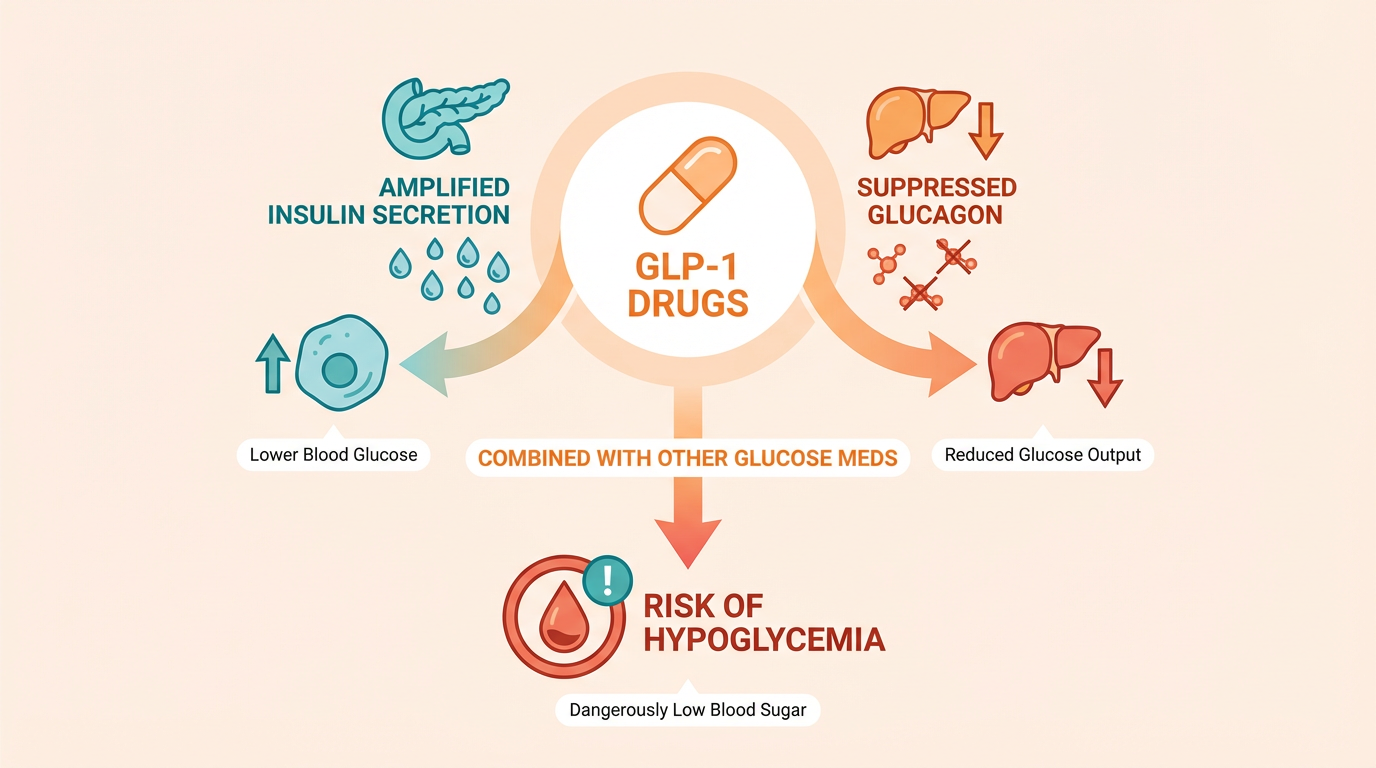
Other interactions include delayed gastric emptying caused by GLP-1 RAs, which may affect the absorption of orally administered medications. Patients on oral hypoglycemics or antibiotics (e.g., metronidazole) should be monitored for altered drug efficacy.
| Medication Class | Interaction Risk | Management Strategy |
|---|---|---|
| Insulin | Increased hypoglycemia | Reduce insulin dose by 10–20% initially |
| Sulfonylureas | Severe hypoglycemia risk | Avoid if possible; use with caution |
| Oral contraceptives | Variable absorption due to delayed gastric emptying | Monitor for contraceptive efficacy |
As mentioned in the GLP-1 Drug Classes and Types section, weekly formulations like exenatide are contraindicated in moderate-to-severe CKD (eGFR <30 mL/min/1.73 m²) due to limited clearance data..
Contraindications
GLP-1 RAs are contraindicated in specific populations due to safety risks:
- Pregnancy and breastfeeding: No GLP-1 RA is approved for use during pregnancy or lactation. Animal studies suggest potential fetal harm, and insufficient human data exist to confirm safety.
- History of pancreatitis: Patients with a prior pancreatitis diagnosis should avoid GLP-1 RAs due to an unconfirmed but observed association with acute pancreatitis in post-marketing reports.
- Severe renal impairment: Weekly formulations like exenatide are contraindicated in moderate-to-severe CKD (eGFR <30 mL/min/1.73 m²) due to limited clearance data, as detailed in the GLP-1 Drug Classes and Types section..
Warnings and Precautions
Serious but rare adverse events require vigilance:
- Thyroid C-cell tumors: Preclinical studies in rodents linked semaglutide to thyroid C-cell tumors. While not proven in humans, the FDA adds a boxed warning for this risk. Patients with a history of medullary thyroid carcinoma should avoid GLP-1 RAs.
- Hypersensitivity reactions: Anaphylaxis, angioedema, and urticaria have been reported, particularly with semaglutide and liraglutide. Discontinue use immediately if symptoms arise.
- Acute kidney injury: Volume depletion from nausea/vomiting (common side effects) may worsen renal function. Monitor creatinine levels in patients with baseline kidney disease.
Building on concepts from the GLP-1 Drug Administration and Dosing section, dose adjustments are critical for patients with renal impairment or those at risk of dehydration..
Special Populations
Elderly Patients
- Higher risk of dehydration and renal dysfunction increases sensitivity to GLP-1 RAs. Start with lower doses (e.g., 0.5 mg weekly semaglutide) and monitor for hypoglycemia.
- Polypharmacy raises interaction risks; prioritize a medication review to eliminate redundant antidiabetic drugs.
Pediatric Patients
- Only semaglutide and tirzepatide are FDA-approved for pediatric obesity (ages 12+). Data on long-term safety in children remain limited.
- Dosing must be weight-adjusted, and growth/development should be tracked closely.
Pregnant Patients
- GLP-1 RAs are classified as Pregnancy Category B (animal risk not confirmed in humans), but no human data support safety. Discontinue use if pregnancy is confirmed..
Strategies to Minimize Risks
- Medication review: Screen for insulin, sulfonylureas, or other drugs that heighten hypoglycemia risk. Replace or adjust doses as needed.
- Monitoring protocols:
- Check HbA1c every 3 months to balance glycemic control and hypoglycemia risk.
- Assess renal function before initiating therapy and annually thereafter.
- Dose adjustments:
- Lower starting doses in elderly or renal-impaired patients, as outlined in the GLP-1 Drug Administration and Dosing section.
- Avoid combining GLP-1 RAs with SGLT2 inhibitors in those with a history of ketoacidosis.
A multidisciplinary team approach-coordinating physicians, pharmacists, and dietitians-ensures safe and effective GLP-1 RA use while mitigating interactions and contraindications. Always prioritize FDA-approved formulations over compounded alternatives to avoid contamination risks.
GLP-1 Drug Access and Affordability
GLP-1 drug access and affordability depend heavily on insurance plans, patient assistance programs, and cost-saving strategies. Understanding these factors helps patients and providers manage coverage gaps and high out-of-pocket expenses, as highlighted in the Why GLP-1 Drugs Matter section, which underscores their critical role in addressing diabetes and obesity.

Insurance Coverage: Plan-Specific Rules and 2026 Changes
Medicare, Medicaid, and private insurers like GEHA shape access to GLP-1 drugs through formularies and prior authorization (PA) requirements. For example, GEHA’s 2026 formulary reclassifies Wegovy and Saxenda as non-preferred for most plans, increasing potential costs for members. Liraglutide (generic) remains accessible but still requires PA, while Zepbound becomes non-formulary, demanding a formulary exception.
| Drug | 2025 Coverage Status | 2026 Coverage Status | PA/Exception Required |
|---|---|---|---|
| Liraglutide (generic) | Preferred | Preferred | PA |
| Wegovy | Preferred | Non-preferred (most plans) | PA |
| Saxenda | Preferred | Non-preferred (most plans) | PA |
| Zepbound | Non-formulary (Elevate) | Non-formulary (all) | Formulary exception |
Patients should verify their plan’s formulary annually. For GEHA members, contacting CVS Caremark (1-844-443-4279) clarifies PA requirements and cost estimates.
Patient Assistance Programs: Bridging the Cost Gap
For those without insurance or high-deductible plans, NovoCare® Pharmacy offers self-pay options starting at $149/month for Wegovy (1.5 mg/4 mg) with free home delivery. Commercially insured patients might pay as little as $25/month for pickup-only prescriptions. Other programs, like GEHA’s 90-day supply option, reduce refill frequency and costs.
Non-profit and manufacturer programs also exist. For instance, Novo Nordisk’s patient assistance covers eligible individuals who meet income criteria, though details aren’t in the provided sources. Patients should explore tools like NovoCare’s “Check Your Coverage” to confirm insurance compatibility before purchasing.
Cost-Effective Alternatives: Generics and Dose Optimization
Generic liraglutide provides a lower-cost alternative to brand-name drugs like Saxenda, as detailed in the GLP-1 Drug Classes and Types section. Biosimilars, though not explicitly mentioned in the sources, may emerge as future options. Dose optimization also matters: the 2025 meta-analysis referenced in the GLP-1 Drug Efficacy and Safety section shows higher GLP-1 doses (e.g., semaglutide 2.4 mg) yield 7.18 kg weight loss, compared to dulaglutide’s 1.23 kg-justifying cost-benefit trade-offs when appropriate.
Strategies for Affordability: Beyond Insurance and Prescriptions
- Medication Adherence: The meta-analysis links longer treatment duration (>1 year) to 8.00 kg weight loss, emphasizing the importance of consistent use.
- Lifestyle Interventions: Combining GLP-1 therapy with diet and exercise enhances outcomes, potentially reducing required medication doses.
- Telemedicine and Home Delivery: Services like NovoCare’s 90-day supply and telehealth consultations simplify access, minimizing clinic visits and delays.
Real-World Example: managing Coverage Shifts
A patient on GEHA’s Elevate plan (2026) seeking Zepbound must file a formulary exception, as it’s non-formulary. If denied, switching to Wegovy (non-preferred but available) could cost more but avoids delays. Meanwhile, a self-pay patient using NovoCare’s $149/month Wegovy option might save compared to a $299/month brand-name alternative.
For those facing high costs, presorted multi-dose packets (GEHA) or 90-day supplies (NovoCare) reduce refill hassles and potential gaps in therapy. Always cross-reference plan documents and use tools like GEHA’s Check Drug Costs or NovoCare’s Savings Link to compare options.
In summary, GLP-1 affordability hinges on proactive planning: review plan changes annually, use patient assistance programs, and discuss dose adjustments with providers. By aligning treatment with both clinical and financial realities, patients can maximize access to these transformative therapies.
Frequently Asked Questions
1. How do GLP-1 drugs help with both type 2 diabetes and obesity?
GLP-1 drugs mimic the glucagon-like peptide-1 hormone, which naturally lowers blood sugar after meals. These medications boost insulin release, suppress glucagon, and slow gastric emptying. For diabetes, this helps stabilize blood sugar levels. For obesity, they reduce appetite and calorie intake, leading to significant weight loss. Additionally, GLP-1 drugs lower risks of heart disease, kidney damage, and fatty liver disease, making them a dual-purpose solution.
2. Which GLP-1 drugs are most effective for weight loss?
According to clinical trials, tirzepatide and semaglutide are among the most effective. Tirzepatide, a dual GLP-1/GIP receptor agonist, achieves 15–20% weight loss, while semaglutide results in 10–15% weight loss in adults with a BMI ≥30 or ≥27 with comorbidities. Both are FDA-approved for weight management, with tirzepatide showing slightly higher efficacy in recent studies.
3. What are the common side effects of GLP-1 drugs?
The most frequent side effects include nausea, vomiting, diarrhea, constipation, and decreased appetite, particularly during the initial weeks of treatment. These gastrointestinal issues often subside as the body adjusts. Severe side effects like pancreatitis or gallbladder disease are rare but should be discussed with a healthcare provider before starting treatment.
4. How do I know if a GLP-1 drug is right for me?
GLP-1 drugs are typically recommended for adults with type 2 diabetes or obesity (BMI ≥30) or overweight individuals (BMI ≥27) with at least one comorbidity like hypertension or prediabetes. A healthcare provider will evaluate your medical history, current medications, and treatment goals to determine if a GLP-1 drug aligns with your needs.
5. What is the difference between injectable and oral GLP-1 drugs?
Most GLP-1 drugs, such as semaglutide (Ozempic, Wegovy) and tirzepatide (Mounjaro), are administered via once-weekly injections. However, oral semaglutide (Rybelsus) is available as a pill for type 2 diabetes. The oral option may be preferred for patients who dislike injections, though it requires daily dosing and has similar efficacy.
6. How long does it take to see results from GLP-1 drug treatment?
Weight loss typically becomes noticeable after 8–12 weeks of consistent use, with maximum results achieved around 6 months. For diabetes management, blood sugar control may improve within weeks. Individual results vary based on adherence, dosage adjustments, and lifestyle factors like diet and exercise.
7. Are GLP-1 drugs safe for long-term use?
GLP-1 drugs are generally safe for long-term use when prescribed appropriately. Clinical trials show sustained benefits for blood sugar control and weight management over multiple years. However, long-term safety data is still evolving, and patients should monitor for potential side effects and consult their provider annually for reassessment.
Free 15-Minute Discovery Call
Ready to take the guesswork out of your health?
Book a free 15-minute call with Monika to talk through your goals, what testing makes sense for you, and the right next step. No pressure, just clarity.
Book Your Free CallFor educational purposes only. Not medical advice.
