
Key Takeaways
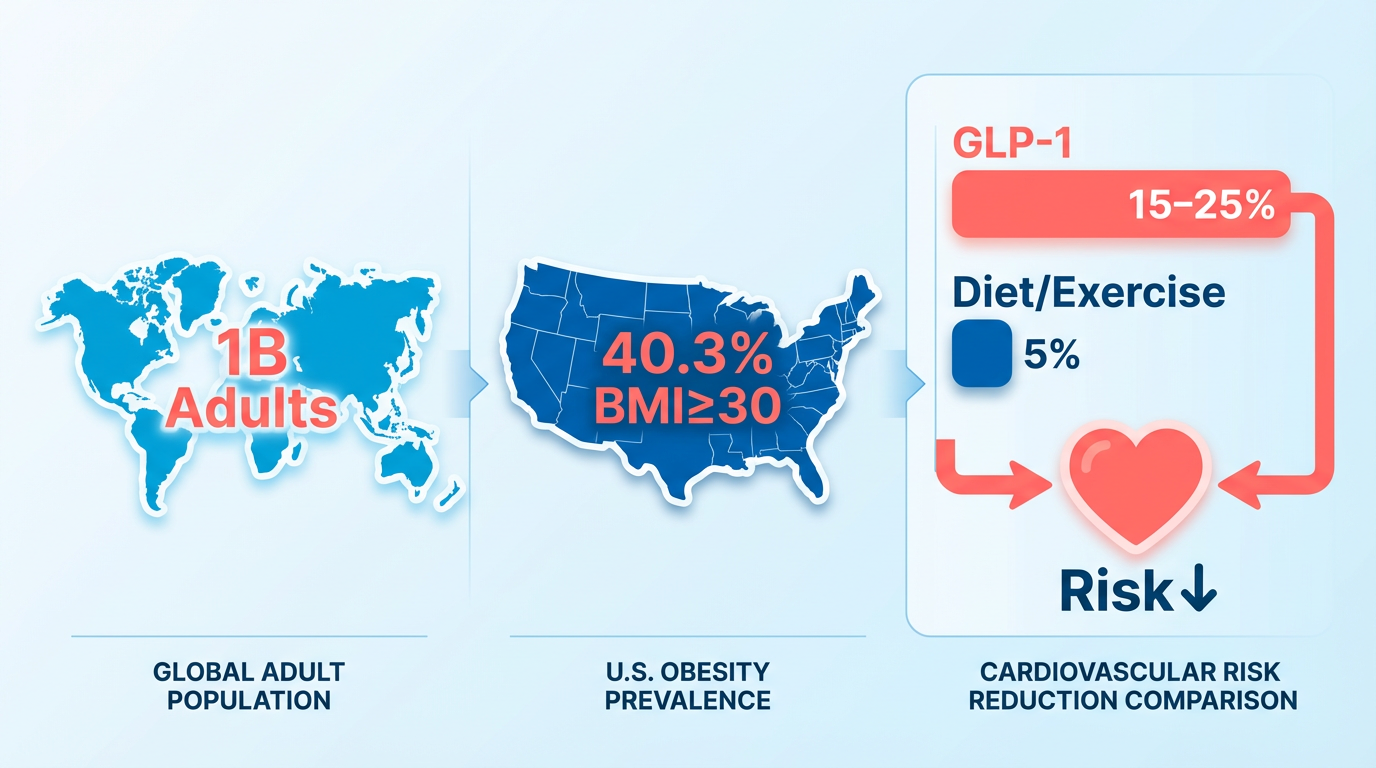
- GLP1 agonists achieve 15–25% average weight loss, exceeding diet/exercise’s 5% and reducing cardiovascular risk.
- Tirzepatide, a dual GLP1/GIP agonist, produces 20.9% weight loss, outperforming semaglutide and liraglutide.
- Over 1 billion adults globally are obese, with 40.3% of U.S. adults having a BMI ≥30.
- Obesity-related costs will reach $3 trillion annually by 2030, driving demand for effective therapies like GLP1 agonists.
- Subcutaneous administration is standard for GLP1 agonists, with dosing tailored to individual patient needs.
- These drugs lower blood pressure, improve lipid profiles, and reduce type 2 diabetes risk in addition to weight loss.
- GLP1 agonists slow gastric emptying and target brain appetite-regulating hormones to address obesity holistically.
Related Video
Watch: Role of GLP-1 Receptor Agonists for Weight Loss by Harvard Medical School Continuing Education
Why GLP1 Agonists Matter
GLP1 agonists have emerged as a transformative force in health optimization, offering a bridge between lifestyle interventions and surgical weight-loss solutions. With over 1 billion adults worldwide classified as obese and 40.3% of U.S. adults having a BMI of 30 or higher, the need for effective therapies is urgent. GLP1 agonists like semaglutide and tirzepatide achieve 15–25% weight loss on average-far surpassing the 5% typically seen with diet and exercise alone-while reducing cardiovascular risk, a leading cause of obesity-related mortality. As detailed in the GLP1 Agonist Administration and Dosage section, these medications are primarily delivered subcutaneously, with dosing strategies tailored to individual patient needs.
How GLP1 Agonists Address the Obesity Crisis
The global obesity burden is not just a health issue but an economic one, projected to cost $3 trillion annually by 2030. GLP1 agonists tackle this crisis by targeting appetite-regulating hormones in the brain, slowing gastric emptying, and improving metabolic health. For example, tirzepatide (a dual GLP1/GIP agonist) produces 20.9% weight loss in clinical trials, outperforming semaglutide and liraglutide. These drugs also lower blood pressure, improve lipid profiles, and reduce the risk of type 2 diabetes, making them a cornerstone for holistic health optimization. Building on concepts from the GLP1 Agonist Classification and Types section, dual agonists like tirzepatide represent an advanced therapeutic approach by combining GLP-1 and GIP pathways for enhanced efficacy.
Real-World Impact and Cardiovascular Benefits
Beyond weight loss, GLP1 agonists have proven life-saving cardiovascular benefits. Semaglutide’s SELECT trial showed a 20% reduction in major adverse cardiovascular events (MACE), while tirzepatide trials indicate similar or greater improvements in heart failure outcomes. For patients with obesity-related conditions like fatty liver disease or sleep apnea, these medications offer dual advantages: weight reduction and direct metabolic improvements. However, real-world effectiveness is 20–30% lower than trial results due to gastrointestinal side effects and cost barriers. As noted in the Safety and Side Effects of GLP1 Agonists section, GI side effects remain a significant challenge, prompting strategies like gradual dose titration to improve adherence.
Who Benefits Most from GLP1 Agonists?
GLP1 agonists are recommended for adults with a BMI ≥30 or ≥27 with comorbidities such as diabetes, hypertension, or cardiovascular disease. They are also FDA-approved for adolescents aged 12 and older, with clinical trials showing a 16.1% reduction in BMI. Patients who struggle with traditional weight-loss methods-such as those with severe obesity or metabolic syndrome-see the most profound benefits. The GLP1 Agonist List: Long-Acting Options section provides a detailed comparison of agents like semaglutide and tirzepatide, highlighting their efficacy and cost considerations.
| Drug | Average Weight Loss | Key Features | Pros | Cons |
|---|---|---|---|---|
| Semaglutide | 14.9% (STEP-160) | Once-weekly injection; cardiovascular benefits | Proven MACE reduction; flexible dosing | Cost: $14,080/year; GI side effects |
| Tirzepatide | 20.9% (SURMOUNT-1) | Dual GLP1/GIP agonist; highest efficacy | Superior weight loss; metabolic benefits | Limited availability; $8,126/year |
| Liraglutide | 8% (SCALE trial) | Daily injection; lower cost | Affordable; well-established safety | Less effective than newer agents |
Overcoming Challenges for Long-Term Success
Despite their efficacy, GLP1 agonists face hurdles. High costs ($1,000–$1,500/month) and limited insurance coverage-Medicare only covers them with comorbidities-restrict access. Additionally, 64% of patients discontinue use within a year due to nausea or financial strain. Clinicians recommend starting therapy early, combining it with structured behavioral programs, and advocating for policy changes to expand coverage. The WHO emphasizes that GLP1 agonists are not a standalone solution but part of a broader ecosystem of care, including nutrition counseling and mental health support. As new agents like retatrutide (with 24.2% weight loss in trials) enter the market, the focus remains on equitable access and integrating these therapies into primary care for sustainable outcomes.
In summary, GLP1 agonists matter because they address the root causes of obesity while delivering measurable health improvements. Their role in reducing cardiovascular risk, improving metabolic health, and offering a middle-ground alternative to bariatric surgery makes them indispensable for modern health optimization strategies.
Introduction to GLP1 Agonists
GLP1 agonists are a class of medications that mimic the glucagon-like peptide-1 (GLP-1) hormone, playing a critical role in regulating blood sugar, appetite, and digestion. These drugs are primarily used to manage type 2 diabetes and obesity, with growing evidence supporting their cardiovascular and renal benefits. By activating GLP-1 receptors in the pancreas, brain, and gut, they enhance glucose-dependent insulin secretion, suppress glucagon release, delay gastric emptying, and increase satiety. This section breaks down their science, evolution, and clinical impact.
What Makes GLP1 Agonists Unique?
GLP1 agonists stand out for their multifaceted mechanism. They stimulate insulin production only when blood glucose is elevated, minimizing hypoglycemia risk. Simultaneously, they reduce glucagon secretion, which lowers hepatic glucose output. Beyond metabolic effects, these drugs slow stomach emptying, reducing post-meal blood sugar spikes, and act on the brain’s hypothalamus to curb hunger. For example, semaglutide (Ozempic) has shown to reduce body weight by up to 15% in clinical trials, making it a cornerstone for obesity treatment. As detailed in the GLP1 Agonist Therapeutic Uses section, their role in obesity management is expanding rapidly.
The cardiovascular benefits are equally significant. Studies show GLP1 agonists improve heart function, lower blood pressure, and reduce infarct size. The LEADER and SUSTAIN-6 trials demonstrated a 13–20% reduction in major adverse cardiovascular events (MACE) with liraglutide and semaglutide, respectively. These findings have shifted guidelines, now recommending these drugs for patients with atherosclerotic cardiovascular disease.
Evolution of GLP1 Agonists: From Diabetes to Obesity
Initially developed for type 2 diabetes, GLP1 agonists have expanded into obesity management and chronic kidney disease (CKD) treatment. The first FDA-approved agent, exenatide (Byetta), debuted in 2005 as a twice-daily injection. Subsequent advancements introduced longer-acting formulations like liraglutide (Victoza) in 2010 and dulaglutide (Trulicity) in 2017.
A major breakthrough came in 2021 with the FDA approval of semaglutide (Rybelsus) as the first oral GLP1 agonist. By 2025, tirzepatide (Mounjaro), a dual GLP-1/GIP agonist, emerged as a leader in weight loss and glycemic control. The WHO’s 2025 guideline further solidified their role in obesity, classifying them as essential medicines for high-risk patients. Today, 12 agents are approved globally, with over 40 in development. As outlined in the GLP1 Agonist Administration and Dosage section, these formulations vary widely in administration frequency and route.
Clinical Applications and Key Players
GLP1 agonists are now first-line therapies for type 2 diabetes when metformin is ineffective or contraindicated. For obesity, the American Diabetes Association (ADA) and WHO recommend high-dose liraglutide (Saxenda) and semaglutide (Wegovy), which achieve 5–12% weight loss. Beyond these, their use in heart failure and CKD is expanding. For instance, semaglutide has shown to slow CKD progression by reducing albuminuria, while dulaglutide improves left-ventricular ejection fraction in heart failure patients.
| Drug | Description | Key Features | Pros/Cons |
|---|---|---|---|
| Liraglutide | Once-daily injection; approved for diabetes and obesity | Weight loss up to 6–8% | High tolerability; daily dosing may reduce adherence |
| Semaglutide | Weekly injection or oral; strongest weight loss data | Oral option improves adherence | Costly; GI side effects common |
| Tirzepatide | Dual GLP-1/GIP agonist; weekly injection | Superior glycemic control and weight loss | Newer agent; long-term safety data limited |
| Dulaglutide | Weekly injection; cardiovascular benefits well-proven | Reduces MACE risk by 13% | Less weight loss than semaglutide |
| Exenatide | Twice-daily or weekly; one of the earliest agents | Cost-effective option | More frequent dosing; higher GI side effects |
Building on concepts from the GLP1 Agonist Classification and Types section, the table above highlights the diversity in drug design and application.
Safety and Implementation Considerations
While generally safe, GLP1 agonists require monitoring for gastrointestinal side effects like nausea and constipation. Rare but serious risks include pancreatitis and gallbladder disease, particularly with long-term use. Renal function must also be checked, as some agents (e.g., exenatide) are contraindicated in severe CKD.
The WHO emphasizes pairing GLP1 agonists with intensive behavioral therapy for optimal results. Clinicians must address cost barriers and ensure equitable access, as production capacity currently covers only 10% of global obesity patients. Emerging oral agents like orforglipron aim to improve affordability and adherence, but their long-term safety remains under study. As noted in the Safety and Side Effects of GLP1 Agonists section, gastrointestinal issues are the most common adverse effects reported in clinical practice.
In summary, GLP1 agonists represent a transformative class of drugs bridging diabetes, obesity, and cardiovascular care. Their evolution from injectable diabetes treatments to oral, dual-action obesity therapies underscores their versatility. As research advances, their role in global health will likely expand further-though challenges in accessibility and long-term safety persist. For insights into future innovations, refer to the Future Directions and Emerging Trends section.
GLP1 Agonist Classification and Types
Understanding GLP1 agonists begins with their classification, which organizes these medications based on mechanism, duration of action, and therapeutic applications. This framework helps clinicians and patients choose the most effective treatment tailored to individual needs.
How Are GLP1 Agonists Classified?
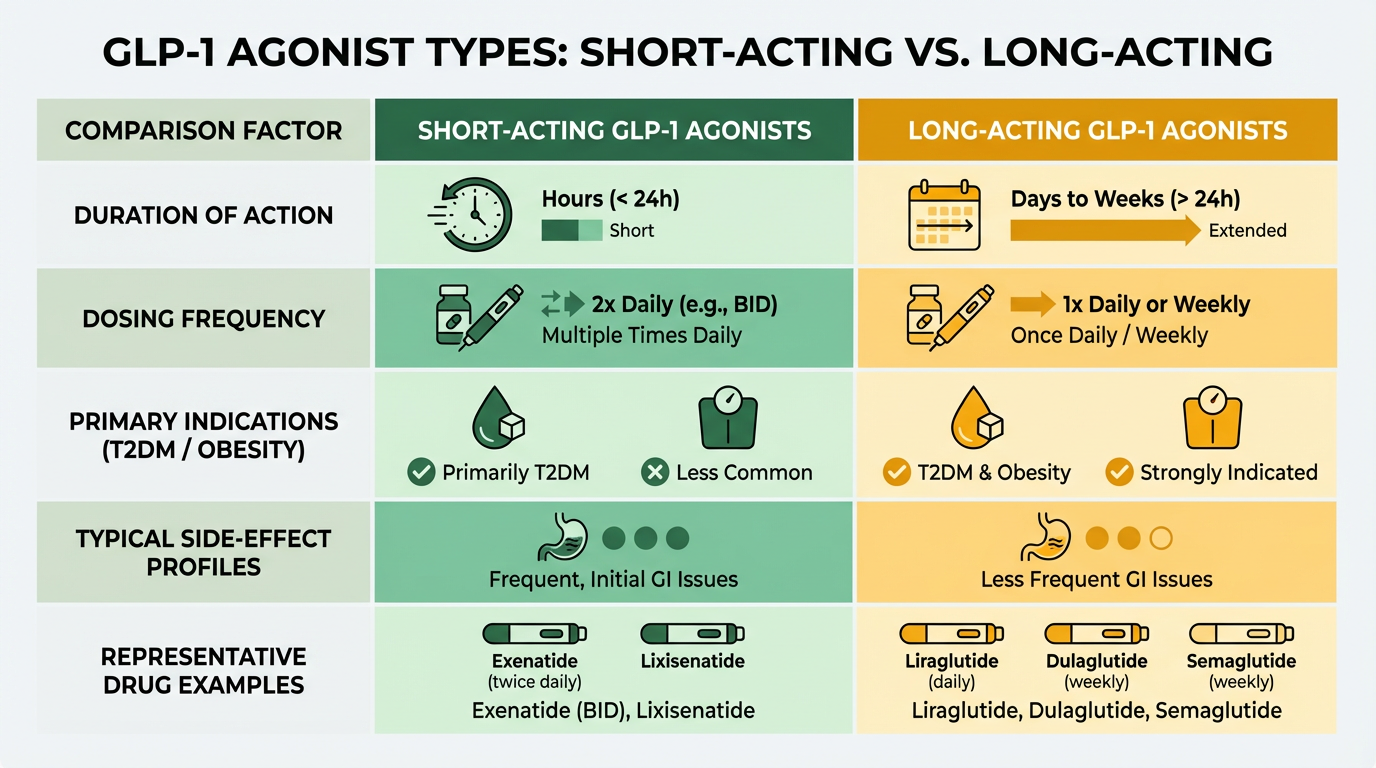
GLP1 agonists fall into two primary categories based on duration of action: short-acting and long-acting. Short-acting agents are typically used for type 2 diabetes management, as they align with mealtime glucose control. Long-acting formulations, designed for weekly administration, are approved for both diabetes and obesity, offering convenience and sustained metabolic benefits. Additionally, mechanism-based classifications distinguish standard GLP1 agonists from dual receptor agonists like tirzepatide, which also activate the glucose-dependent insulinotropic polypeptide (GIP) receptor. As mentioned in the GLP1 Agonist Therapeutic Uses section, these medications are transforming treatment for diabetes, obesity, and cardiovascular health.
Short-Acting GLP1 Agonists: Daily Dosing for Diabetes
Short-acting GLP1 agonists require daily administration and are optimized for post-meal glucose regulation. Examples include liraglutide (Saxenda for obesity, Victoza for diabetes) and exenatide (Byetta). These agents delay gastric emptying and stimulate insulin secretion but are less effective for weight loss compared to long-acting variants.
Key Features:
- Dosing: Daily subcutaneous injections
- Use Case: Primarily type 2 diabetes management
- Pros: Rapid onset of action, effective for postprandial glucose control
- Cons: Less convenient than weekly options, limited weight loss impact
Long-Acting GLP1 Agonists: Weekly Dosing for Obesity and Diabetes
Long-acting agents dominate obesity treatment due to their prolonged effects and ease of use. Semaglutide (Wegovy for obesity, Ozempic for diabetes) and dulaglutide (Trulicity) are injected weekly, while tirzepatide (Mounjaro/Zepbound), a dual GLP1-GIP agonist, offers superior weight loss outcomes. These medications slow digestion, enhance satiety, and improve cardiovascular health. Building on concepts from the GLP1 Agonist Administration and Dosage section, weekly dosing improves adherence compared to daily injections, a critical factor for long-term success.
Key Features:
- Dosing: Weekly subcutaneous injections
- Use Case: Obesity and type 2 diabetes
- Pros: Significant weight loss (up to 20.9% with tirzepatide), cardiovascular benefits
- Cons: Higher cost, potential gastrointestinal side effects
Comparative Efficacy and Safety Profiles
Clinical trials highlight varying efficacy across agents. Liraglutide achieves 8% weight loss, semaglutide reaches 14.9%, and tirzepatide leads with 20.9% (based on average results from STEP and SURMOUNT trials). Safety profiles are generally favorable, though common side effects include nausea and diarrhea. Dual agonists like tirzepatide may reduce hypoglycemia risk and improve glycemic control compared to single-pathway agents. As discussed in the Safety and Side Effects of GLP1 Agonists section, all GLP1 agonists carry risks of gastrointestinal intolerance, though these often diminish with dose titration.
| Agent | Description | Key Features | Pros/Cons |
|---|---|---|---|
| Liraglutide | Human GLP1 analog (Saxenda/Wegovy) | Daily dosing for obesity/diabetes | Pros: FDA-approved, moderate weight loss Cons: Daily injections |
| Semaglutide | Modified GLP1 analog (Wegovy/Ozempic) | Weekly dosing, oral formulation available | Pros: High efficacy, cardiovascular benefits Cons: Cost, GI side effects |
| Tirzepatide | Dual GLP1-GIP agonist (Mounjaro/Zepbound) | Weekly dosing, superior weight loss | Pros: Dual mechanism, 20.9% weight loss Cons: Newer agent, higher cost |
| Exenatide | Exendin-4-based (Byetta/Bydureon) | BID or weekly dosing | Pros: Long-standing safety data Cons: Less effective for weight loss |
| Dulaglutide | GLP1 analog (Trulicity) | Weekly dosing | Pros: Convenient, cardiovascular benefits Cons: Moderate weight loss |
What Makes Long-Acting Agents More Effective for Weight Loss?
Long-acting GLP1 agonists outperform short-acting variants in obesity treatment due to their sustained appetite suppression and metabolic effects. For example, semaglutide and tirzepatide are titrated to higher doses over weeks, maximizing satiety signals in the brain. Their weekly dosing also improves adherence compared to daily injections, a critical factor for long-term success.
Safety Considerations Across Classes
All GLP1 agonists carry risks of gastrointestinal intolerance, though these often diminish with dose titration. Tirzepatide and semaglutide show low hypoglycemia risk when used alone, but caution is needed when combined with insulin or sulfonylureas. Contraindications include a history of thyroid cancer, pancreatitis, or severe gastrointestinal disease. Patients should also be monitored for gallbladder issues, particularly with long-term use. As outlined in the Safety and Side Effects of GLP1 Agonists section, these medications are generally well-tolerated but require careful monitoring for adverse effects.
By understanding these classifications and trade-offs, healthcare providers can tailor GLP1 agonist therapy to individual patient profiles, balancing efficacy, convenience, and safety.
GLP1 Agonist Therapeutic Uses
GLP-1 agonists are transforming treatment for diabetes, obesity, and cardiovascular health. These drugs mimic the gut hormone GLP-1 to regulate blood sugar, suppress appetite, and lower heart disease risk. Below is a structured overview of their therapeutic uses, supported by clinical data and real-world insights..
How GLP-1 Agonists Treat Diabetes
GLP-1 receptor agonists (GLP-1 RAs) are first-line therapies for type 2 diabetes (T2DM), particularly for patients with cardiovascular risk or kidney disease. They lower HbA1c by approximately 1%, reduce insulin resistance, and protect pancreatic beta cells. Key benefits include:
- Cardiovascular protection: Trials like SELECT (semaglutide) show a 20% reduction in major adverse cardiovascular events (MACE).
- Weight neutrality: Unlike insulin, GLP-1 RAs avoid weight gain, with modest 2.9 kg weight loss on average.
- FDA approval: Liraglutide, semaglutide, and dulaglutide are approved for T2DM, with dosing ranging from daily (liraglutide) to weekly (semaglutide), as outlined in the GLP1 Agonist Classification and Types section..
Role in Weight Management and Obesity
GLP-1 agonists are now cornerstone treatments for obesity, offering weight loss far exceeding traditional methods. The 2025 ACC guidance highlights their superiority over lifestyle interventions alone:
| Medication | Dosing | Avg. Weight Loss | Key Features |
|---|---|---|---|
| Semaglutide | 2.4 mg weekly | 14.9% (STEP-160) | Proven cardiovascular benefits, detailed in the GLP1 Agonist List: Long-Acting Options section |
| Tirzepatide | 15 mg weekly | 20.9% (SURMOUNT-1) | Dual GLP-1/GIP agonist |
| Liraglutide | 3 mg daily | 8% (SCALE trial) | Cost-effective option, referenced in the GLP1 Agonist List: Short-Acting Options section |
Real-world effectiveness: A 2025 study found tirzepatide users lost 15–21% of body weight, while semaglutide users lost 10.9–14.9%. However, real-world adherence is lower than trial results-36% of users remain on therapy after one year due to gastrointestinal side effects and cost..
Beyond Diabetes and Weight Loss
GLP-1 agonists demonstrate broader therapeutic potential:
- Heart failure with preserved ejection fraction (HFpEF): Semaglutide reduces hospitalization risk by 30% in trials like STEP-HFpEF.
- Non-alcoholic fatty liver disease (NAFLD): The ESSENCE trial reported 63% of patients achieved resolution of metabolic dysfunction-associated steatotic liver disease (MASLD) with semaglutide.
- Pediatric use: Semaglutide is FDA-approved for adolescents ≥12 years, with STEP-TEENS showing a 16.1% BMI reduction. Administration details for this population are further covered in the GLP1 Agonist Administration and Dosage section..
Safety Profile and Limitations
While effective, GLP-1 agonists require careful monitoring:
- Common side effects: Nausea, vomiting, and diarrhea affect ~29% of users, often mitigated by slow dose titration, as discussed in the Safety and Side Effects of GLP1 Agonists section.
- Contraindications: Avoid in patients with a history of medullary thyroid cancer, pancreatitis, or severe gastrointestinal disorders.
- Cost barriers: Annual costs exceed $10,000 in the U.S., with Medicare covering only obesity-related comorbidities-not standalone obesity..
Case Studies and Clinical Evidence
- SURMOUNT-1 Trial: Tirzepatide 15 mg achieved 20.9% weight loss versus 12.8% with semaglutide, highlighting its potency.
- SELECT Trial: Semaglutide reduced MACE by 20% in patients with cardiovascular disease, independent of weight loss.
- Real-world user data: 84% of current users reported achieving weight goals, but 25% discontinued due to side effects or cost. Further examples are explored in the Real-World Examples and Case Studies section..
Practical Recommendations
- Prioritize tirzepatide or semaglutide for maximal weight loss and cardiovascular benefits.
- Combine with behavioral therapy: The WHO emphasizes pairing GLP-1 agonists with structured diet and exercise programs.
- Monitor long-term: Gallbladder disease risk increases with prolonged use; regular imaging is advised.
GLP-1 agonists represent a paradigm shift in metabolic medicine. By integrating these agents into multidisciplinary care, clinicians can address diabetes, obesity, and cardiovascular risk with unprecedented efficacy.
GLP1 Agonist List: Short-Acting Options
Short-acting GLP-1 agonists are designed for daily administration, offering rapid onset of action and shorter half-lives compared to their long-acting counterparts. As mentioned in the GLP1 Agonist List: Long-Acting Options section, this distinction in pharmacokinetics influences patient preferences for dosing flexibility and side effect profiles..
What Are Short-Acting GLP-1 Agonists?
Short-acting GLP-1 agonists bind to the GLP-1 receptor to stimulate insulin secretion, slow gastric emptying, and reduce appetite. Their shorter half-lives (typically 6–10 hours) allow for daily dosing, which may improve tolerability for some patients. For a foundational explanation of how GLP-1 agonists work, refer to the Introduction to GLP1 Agonists section.
Mechanism of Action:
- Enhances glucose-dependent insulin secretion.
- Suppresses glucagon release.
- Delays gastric emptying.
- Activates hypothalamic appetite regulation..
Choosing the Right Short-Acting GLP-1 Agonist
Patients and providers should consider the following when selecting a short-acting agent:
- Route of administration: Oral (orforglipron) vs. injection (liraglutide, semaglutide). For detailed administration guidelines, refer to the GLP1 Agonist Administration and Dosage section.
- Tolerability: Semaglutide may require slower titration to minimize side effects.
- Cost and access: Liraglutide is more widely available, while orforglipron faces regulatory delays.
GLP1 Agonist List: Long-Acting Options
Real-world example: In the STEP-HFpEF trial, patients with heart failure and preserved ejection fraction lost 9.5% of body weight and showed improved diastolic function, as detailed in the Real-World Examples and Case Studies section.
The SURMOUNT-5 trial compared tirzepatide (15 mg weekly) to semaglutide (2.4 mg weekly), showing 21.7% vs. 16.0% weight loss at 52 weeks. Building on concepts from the Real-World Examples and Case Studies section, this trial highlights the evolving market of GLP-1 agonist efficacy.
Building on concepts from the GLP1 Agonist Administration and Dosage section, all agents require gradual dose escalation to minimize gastrointestinal side effects, ensuring patient tolerance and adherence.
GLP1 Agonist Administration and Dosage
Administering GLP-1 agonists requires precise attention to injection techniques, dosage titration, and patient-specific factors. These medications are primarily delivered subcutaneously, with some oral options now available, and dosing regimens vary by drug. Below is a structured breakdown of administration protocols, supported by clinical guidelines and real-world insights.
Injection Techniques and Devices
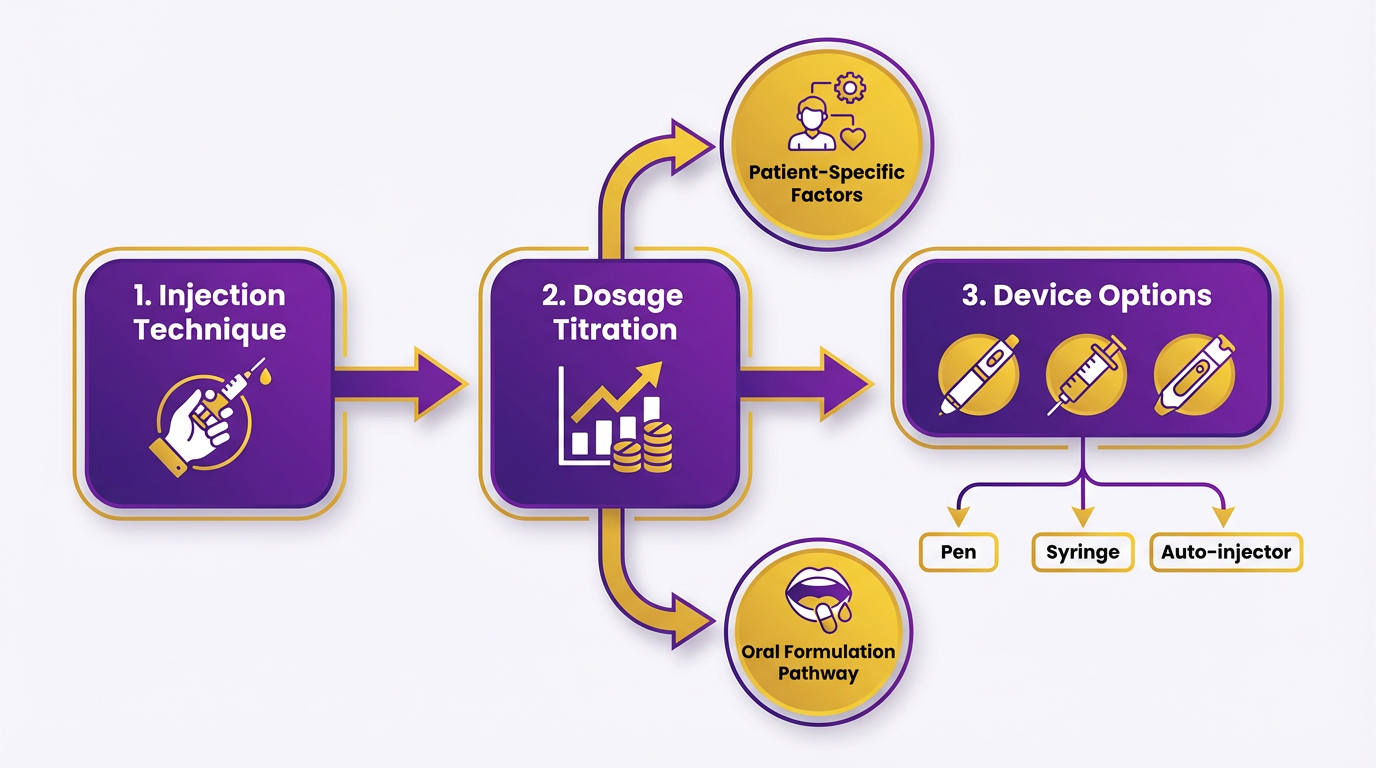
Subcutaneous injections are the standard route for most GLP-1 agonists, though devices and techniques differ. Patients typically use single-dose pens with prefilled cartridges, ensuring ease of use and dose accuracy. Needle gauges range from 28 to 32-gauge, minimizing injection discomfort. Proper injection sites include the abdomen, thigh, or upper arm, with rotation of sites recommended to prevent lipodystrophy or irritation.
Oral semaglutide (Rybelsus) is the exception, designed for gastrointestinal absorption. Patients must take it on an empty stomach with water, avoiding food, drinks, or other medications for 30 minutes afterward. For injectables, patients should be educated on priming the pen before first use, proper hand hygiene, and disposal of sharps to reduce infection risks.
Dosage Regimens and Titration Schedules
Dosage titration is critical to minimize gastrointestinal side effects and improve adherence. Most GLP-1 agonists start at a low dose, gradually increasing to the target therapeutic level:
- Semaglutide (Ozempic/Wegovy): Weekly subcutaneous injections starting at 0.25 mg, titrated up to 2 mg. For obesity management, the maximum dose is 2.4 mg weekly.
- Tirzepatide (Mounjaro): Weekly subcutaneous injections beginning at 2.5 mg, escalating to 15 mg over 16–24 weeks.
- Liraglutide (Saxenda): Daily subcutaneous injections starting at 0.6 mg, increasing weekly to 3 mg.
- Dulaglutide (Trulicity): Weekly subcutaneous dose of 0.75–1.5 mg, with no titration required.
- Exenatide (Bydureon): Weekly subcutaneous dose of 2 mg, or twice-daily (BID) injections at 10 mcg.
Titration periods often span 4–8 weeks, with adjustments based on tolerability. Real-world studies show that extended titration (e.g., 16 weeks instead of 8) reduces side effects and improves retention rates. As mentioned in the Safety and Side Effects of GLP1 Agonists section, gastrointestinal adverse events are common during titration and require proactive management.
Administration Routes and Implications
Subcutaneous administration is favored for its predictable absorption and ease of self-injection. However, oral semaglutide offers a non-invasive alternative, though it requires strict adherence to fasting protocols. Patients with severe renal impairment should avoid weekly exenatide due to renal excretion concerns. For those with moderate CKD, dose adjustments are necessary, as outlined in StatPearls guidelines.
The choice of administration route also impacts patient preference and adherence. Real-world data from the 2025 MedRxiv study reveal that 76% of current users access GLP-1 agonists privately online, often due to limited NHS availability, highlighting disparities in access. As highlighted in the Real-World Examples and Case Studies section, these access challenges can influence treatment outcomes and equity in care. Clinicians must consider cost, patient comfort, and lifestyle when selecting a formulation.
Patient Education and Adherence Strategies
Educating patients on proper injection techniques, side-effect management, and the importance of gradual dose escalation is essential. Common adverse events like nausea and vomiting often resolve with titration but require proactive management, such as antiemetic use or temporary dose holds. As outlined in the GLP1 Agonist Therapeutic Uses section, adherence to these strategies is critical for optimizing outcomes in both diabetes and obesity management.
Behavioral support frameworks, including weekly check-ins and digital tracking tools, improve adherence. Healthcare providers should emphasize regular follow-up appointments to monitor treatment progress and adjust dosages as needed. Addressing psychosocial factors, such as counseling for medication-related anxiety or connecting patients with support groups, can further enhance adherence and long-term success.
Summary Table: GLP-1 Agonist Administration and Dosage
| Drug | Route | Dosing Frequency | Titration Schedule | Key Considerations |
|---|---|---|---|---|
| Semaglutide | Subcutaneous | Weekly | 0.25 mg → 2 mg over 16 weeks | Avoid with severe renal disease; oral option available |
| Tirzepatide | Subcutaneous | Weekly | 2.5 mg → 15 mg over 24 weeks | Requires extended titration for tolerability |
| Liraglutide | Subcutaneous | Daily | 0.6 mg → 3 mg weekly | Daily injections may lower adherence |
| Dulaglutide | Subcutaneous | Weekly | 0.75–1.5 mg (no titration) | No titration needed; stable dosing |
| Exenatide | Subcutaneous | Weekly/BID | BID: 10 mcg → 20 mcg; weekly: 2 mg | Avoid in severe CKD; BID requires more injections |
Pros/Cons: Subcutaneous options offer flexibility but require injection training. Oral semaglutide improves adherence for some patients but demands strict fasting. Weekly regimens (e.g., dulaglutide) enhance convenience compared to daily injections. Cost and insurance coverage remain significant barriers, as noted in real-world studies.
By aligning administration protocols with patient preferences and clinical guidelines, healthcare providers can optimize the efficacy and tolerability of GLP-1 agonists.
Safety and Side Effects of GLP1 Agonists
The most frequently reported adverse effects of GLP-1 agonists are gastrointestinal, including nausea, vomiting, diarrhea, and injection-site reactions. These symptoms often occur early in treatment and typically diminish as the body adjusts. For example, StatPearls notes that ~10% of patients discontinue therapy due to GI intolerance, with nausea being the most common culprit. As mentioned in the GLP1 Agonist Administration and Dosage section, starting at the lowest dose and titrating gradually is a standard strategy to mitigate these effects.
Emerging evidence suggests a correlation between prolonged GLP-1 agonist use and cholelithiasis, with incidence rates up to 5% in some cohorts, necessitating regular abdominal ultrasound monitoring for high-risk patients. Building on concepts from the Real-World Examples and Case Studies section, real-world data (e.g., from the 2025 study in MedRxiv) show higher dropout rates-up to 25%-due to cost, side effects, and inadequate support.
Pediatric studies (e.g., STEP-TEENS) confirm safety in adolescents ≥12 years but emphasize the need for monitoring growth, bone health, and lean mass due to weight loss affecting body composition. This aligns with the GLP1 Agonist Therapeutic Uses section, which highlights the expanding role of these agents in younger populations.
Real-World Examples and Case Studies
1. Clinical Trial Case Studies: Weight Loss and Comorbidities
What do clinical trials reveal about GLP-1 agonist efficacy?
Trials like SURMOUNT-1 and STEP provide strong data on weight loss and metabolic benefits. In SURMOUNT-1, tirzepatide (15 mg weekly) achieved 20.9% weight loss over 72 weeks, outperforming semaglutide. As mentioned in the GLP1 Agonist Classification and Types section, tirzepatide functions as a dual GLP-1/GIP agonist, which may enhance satiety and glucose regulation. The STEP program, which included semaglutide, demonstrated sustained weight maintenance in patients with type 2 diabetes. These trials highlight the importance of long-term adherence and monitoring for optimal results.
Key Features:
- Tirzepatide: Dual GLP-1/GIP agonist with 15–21% weight loss in trials.
- Semaglutide: 10.9–14.9% weight loss and metabolic improvements in diabetes.
- Trial Design: Multicenter, randomized, placebo-controlled for strong outcomes.
Pros/Cons:
- Pros: Sustained weight loss, cardiovascular risk reduction, FDA approval for adolescents.
- Cons: High cost, gastrointestinal side effects, limited long-term safety data..
2. Real-World User Experiences: Barriers and Adherence
How do real-world users manage GLP-1 therapy?
A 2025 UK survey of 624 users revealed critical insights. 80% of current users were on tirzepatide, while 31% discontinued due to cost or side effects. As noted in the Safety and Side Effects of GLP1 Agonists section, gastrointestinal side effects remain a common challenge, with 29% of current users reporting adverse effects. Notably, 76% accessed medications privately, highlighting disparities in healthcare access. Among those who stopped therapy, 45% regained weight, emphasizing the need for behavioral support. Regional variations in access, such as limited NHS coverage, further complicate equitable treatment.
Key Features:
- Cost: £2,000–£4,000 annually for private prescriptions.
- Side Effects: 29% of current users vs. 38% of former users experienced adverse effects.
- Adherence: Only 36% remained on therapy after one year.
Pros/Cons:
- Pros: Improved quality of life, mental health, and dietary habits.
- Cons: High cost, social stigma, and limited NHS availability..
3. Integrated Care Models: Dietitian-Led Support
How do dietitians optimize GLP-1 therapy outcomes?
Qualitative research with dietitians highlights the importance of personalized nutrition plans and mental health integration. Building on concepts from the GLP1 Agonist Therapeutic Uses section, these models emphasize the role of dietary adjustments in mitigating side effects and enhancing efficacy. For example:
- A patient with nausea was advised to eat small, low-fat meals, reducing side effects.
- Visual tools like “weight-loss journey” charts improved adherence by 60%.
- Referrals to psychologists helped address body image issues, sustaining lifestyle changes.
Key Features:
- Structured Programs: Step-by-step dietary and exercise plans.
- Communication Tools: Visual aids and metaphors for patient education.
- Mental Health Support: Psychological referrals for motivation and self-esteem.
Pros/Cons:
- Pros: Enhanced adherence, reduced side effects, holistic care.
- Cons: Requires dedicated resources and multidisciplinary teamwork.
Future Directions and Emerging Trends
The future of GLP-1 agonists is rapidly evolving, driven by advancements in drug delivery, combination therapies, and expanded therapeutic applications. Researchers are focusing on improving patient adherence, enhancing efficacy, and addressing unmet medical needs. Below, we explore key trends shaping the next phase of GLP-1 therapy development.
What Novel Formulations Are Being Explored?
Answer: Oral and long-acting formulations are emerging to improve patient convenience and compliance.
Oral GLP-1 agonists, such as orforglipron and oral semaglutide, eliminate the need for injections, addressing a major barrier to therapy initiation. These formulations use advanced absorption technologies to withstand gastric digestion, achieving comparable efficacy to injectable counterparts. Long-acting depot formulations, like semaglutide once-monthly injections, reduce dosing frequency, improving adherence. As mentioned in the GLP1 Agonist List: Long-Acting Options section, these formulations build on existing weekly and monthly dosing strategies to further simplify regimens while maintaining weight loss and cardiovascular benefits observed in trials like SURMOUNT-1 and SELECT.
How Are Combination Therapies Advancing?
Answer: Dual and triple receptor agonists are showing superior weight loss and metabolic outcomes.
Dual GLP-1/GIP agonists like tirzepatide (Mounjaro/Zepbound) have demonstrated up to 20.9% weight loss, outperforming GLP-1 monotherapy. Emerging triple agonists (GLP-1/GIP/glucagon) such as retatrutide achieved 24.2% weight loss in phase 2 trials, offering even greater efficacy. Fixed-dose combinations, like CagriSema (semaglutide + amylin analog), target multiple metabolic pathways simultaneously. Building on concepts from the GLP1 Agonist Classification and Types section, these combinations reflect the diversification of therapeutic strategies to address complex metabolic conditions. These combinations not only enhance weight loss but also improve glycemic control and cardiovascular outcomes, as seen in the SURMOUNT-5 trial comparing tirzepatide to semaglutide.
What Emerging Indications Are Being Studied?
Answer: Beyond obesity and diabetes, GLP-1 agonists are being tested for neurodegeneration and heart failure.
While established for weight management and type 2 diabetes, GLP-1 agonists are now under investigation for non-alcoholic steatohepatitis (NASH), heart failure with preserved ejection fraction (HFpEF), and Alzheimer’s disease. The SUMMIT trial showed semaglutide reduced heart failure hospitalizations in HFpEF patients. In neurology, early-phase trials suggest potential neuroprotective effects via anti-inflammatory and metabolic pathways. Research is also exploring dosing optimization for younger patients to ensure safety and efficacy across developmental stages. As discussed in the GLP1 Agonist Therapeutic Uses section, these expanded applications highlight the versatility of GLP-1 agonists beyond their original indications.
What Ongoing Trials Will Shape the Future?
Answer: Large-scale cardiovascular and real-world effectiveness trials will clarify long-term benefits.
Key trials like SURPASS-CVOT (tirzepatide) and SELECT (semaglutide) are evaluating cardiovascular outcomes in non-diabetic obesity populations. The SURMOUNT-MO trial will assess tirzepatide’s efficacy in metabolic syndrome. Real-world studies, such as ESSENCE, are examining long-term adherence and effectiveness, which are critical given the 36% one-year retention rate observed for semaglutide. Pediatric trials like STEP-TEENS and SURMOUNT-Pediatrics will further define safety and dosing in younger populations. Building on concepts from the GLP1 Agonist Administration and Dosage section, these trials aim to refine dosing protocols for diverse patient cohorts.
Summary Table: Emerging GLP-1 Trends
| Trend | Description | Key Features | Pros/Cons |
|---|---|---|---|
| Oral Formulations | Tablets or capsules replacing injections | Improved adherence, reduced injection fear | Early-phase data, higher cost than injectables |
| Triple Receptor Agonists | GLP-1/GIP/glucagon agonists (e.g., retatrutide) | 20–25% weight loss in trials | Limited long-term safety data |
| Fixed-Dose Combinations | Dual agonists (e.g., tirzepatide) and multi-drug combos (e.g., CagriSema) | Target multiple metabolic pathways | Higher efficacy but increased side-effect risk |
| Neurological Applications | Trials for Alzheimer’s and Parkinson’s disease | Potential neuroprotection via metabolic effects | Early-phase, unproven long-term outcomes |
| Pediatric Expansion | Use in adolescents with obesity (e.g., semaglutide) | 16.1% BMI reduction in STEP-TEENS | Requires long-term safety monitoring |
What Challenges Remain?
Despite progress, accessibility and affordability persist. The WHO estimates GLP-1 therapies could reach only 10% of those in need due to high costs and limited manufacturing. Innovations like pooled procurement and generic production post-patent expiry (e.g., semaglutide’s 2026 patent expiration) are critical for global equity. Clinicians must also address GI side effects and medication persistence, as real-world weight loss lags 20–30% behind trial results. As outlined in the Safety and Side Effects of GLP1 Agonists section, managing adverse events remains a key consideration for sustained therapeutic success.
The Road Ahead
The trajectory of GLP-1 therapy is clear: personalized, combination, and patient-centric approaches will dominate. As dual/triple agonists enter phase 3 trials and oral formulations gain approval, the focus will shift to integrating these therapies into multidisciplinary care models. Clinicians, policymakers, and researchers must collaborate to ensure equitable access and long-term sustainability. As the WHO emphasizes, GLP-1 agonists are not a cure-all but a cornerstone of a broader ecosystem addressing obesity’s root causes.

Frequently Asked Questions
1. What is the average weight loss achieved by GLP-1 agonists?
GLP-1 agonists achieve 15–25% average weight loss, exceeding diet/exercise’s 5% and reducing cardiovascular risk. Tirzepatide, a dual agonist, produces 20.9% weight loss in clinical trials.
2. Which GLP-1 agonist is most effective for weight loss?
Tirzepatide, a dual GLP-1/GIP agonist, is most effective, achieving 20.9% weight loss, outperforming semaglutide and liraglutide in clinical studies.
3. How do GLP-1 agonists work to reduce weight?
GLP-1 agonists slow gastric emptying, target brain appetite-regulating hormones, lower blood pressure, improve lipid profiles, and reduce type 2 diabetes risk while promoting weight loss.
4. What is the standard administration method for GLP-1 agonists?
GLP-1 agonists are administered subcutaneously, with dosing tailored to individual patient needs for optimal efficacy and safety.
5. What are the broader health benefits of GLP-1 agonists?
Beyond weight loss, GLP-1 agonists improve lipid profiles, lower blood pressure, and reduce the risk of type 2 diabetes while decreasing cardiovascular mortality.
6. How do GLP-1 agonists compare to traditional weight-loss methods?
GLP-1 agonists deliver 15–25% weight loss, far surpassing diet/exercise’s 5% average, and address metabolic health issues like type 2 diabetes and hypertension.
7. What drives the growing demand for GLP-1 agonists?
Obesity-related costs will reach $3 trillion annually by 2030, driving demand for therapies like GLP-1 agonists, which effectively address health and economic burdens of obesity.
Free 15-Minute Discovery Call
Ready to take the guesswork out of your health?
Book a free 15-minute call with Monika to talk through your goals, what testing makes sense for you, and the right next step. No pressure, just clarity.
Book Your Free CallFor educational purposes only. Not medical advice.
