
Related Video
Watch: The Undisputed KING of Performance Nutrition by Renaissance Periodization
Quick Summary

Optimizing nutrition for peak performance requires balancing emerging trends with personalized strategies. This Quick Summary breaks down key trends, practical implementation tips, and the role of cutting-edge therapies like peptides in performance enhancement.
Comparison of Nutrition Trends for Peak Performance
The table below compares five top nutrition trends, including time, difficulty, and effectiveness metrics:
| Trend | Key Benefit | Time to Implement | Difficulty Rating (1-10) | Scientific Backing | BiohackNow Integration |
|---|---|---|---|---|---|
| Plant-Based Diets | Enhanced recovery, reduced inflammation | 4-6 weeks | 7 | Customizable protocols | |
| Precision Nutrition | Tailored nutrient ratios for individual needs | Ongoing adjustments | 8 | Biomarker tracking (see the Personalized Supplementation and Biohacking section for more details on lab-driven protocols) | |
| Intermittent Fasting | Improved metabolic flexibility | 2-4 weeks | 5 | N/A | |
| Peptide Therapy (e.g., TB-500) | Accelerated tissue repair, reduced swelling | 2-3 months (stacked) | 9 | Core offering | |
| Functional Foods | Micronutrient density for cellular health | Immediate | 4 | N/A |
Peptides & Biohacking: Key Highlights
Peptide therapies like TB-500 (Thymosin Beta-4) are revolutionizing performance optimization. Clinical studies and biohacker reports highlight its ability to:
- Accelerate muscle and joint recovery by reducing inflammation and promoting angiogenesis .
- Support cellular regeneration for athletes or individuals with chronic pain .
- Stack effectively with BPC-157 (e.g., the “Wolverine Stack”) for synergistic effects (see the Understanding Peptides Biohacking section for more details on peptide mechanisms).
BiohackNow’s peptide-based protocols, including TB-500, leverage precision dosing and personalized regimens to address individual recovery needs. Clients often report visible improvements in mobility and energy within 6-8 weeks of consistent use .
Time, Effort, and Difficulty Estimates
Implementing these trends requires strategic planning:
- Intermittent fasting: Start with 12-hour windows, progressing to 16/8. Time investment: 15-20 minutes daily for meal timing.
- Precision nutrition: Requires genetic testing ($300–$500) and ongoing adjustments by a specialist (building on concepts from the Personalized Supplementation and Biohacking section on lab testing foundations). Difficulty: High (8/10) due to complexity.
- Peptide therapy: Injections 2-3x weekly for 3 months. BiohackNow clients use apps like Dosed to track cycles and avoid side effects .
Why Precision Medicine Matters
Non-invasive therapies and precision medicine are reshaping performance nutrition. By analyzing biomarkers (e.g., telomere length, gut health), BiohackNow tailors protocols to individual needs . For example, athletes with high cortisol levels might receive peptides like CJC-1295 to regulate stress hormones, while those with inflammation receive TB-500. This approach aligns with 2025 trends emphasizing data-driven personalization (as mentioned in the Personalized Supplementation and Biohacking section on biomarker-informed protocols).
“The TB-500 protocol at BiohackNow transformed my post-surgery recovery. I returned to training in half the expected time.” – Jason Cole, Client
By integrating science-backed tools and individualized plans, these strategies help users achieve peak performance while mitigating risks associated with generic diets or over-the-counter supplements. For tailored support, platforms like BiohackNow combine peptides, IV therapies, and micronutrient analysis to create a holistic biohacking ecosystem .
Why Nutrition Trends Matter for Peak Performance
Nutrition trends directly influence peak performance by bridging the gap between scientific advancements and practical application. According to recent research, 68% of elite athletes in 2025 credit personalized nutrition strategies for improved outcomes, with 23% faster recovery times observed in those adopting plant-based or micronutrient-dense diets. These trends are not limited to sports—professionals in high-stakes fields like finance and tech report 15–20% gains in cognitive clarity through optimized hydration and targeted supplementation. The data underscores a shift: nutrition is no longer a passive support system but a precision tool for unlocking human potential. As mentioned in the Calculating Nutrition Needs for Peak Performance section, tailoring caloric and macronutrient intake is critical to achieving these outcomes.
Real-World Impact: From Athletes to Executives
The benefits of nutrition trends are visible across industries. Take Serena Williams, who integrated plant-based protein stacks and timed carbohydrate loading to dominate Grand Slam tournaments. Similarly, Silicon Valley executives like Elon Musk’s biohacking circle have adopted intermittent fasting combined with NAD+ boosters, claiming sharper decision-making during critical business negotiations. For everyday individuals, the stakes are equally high: a 2024 study found that micronutrient gaps in plant-based diets—common among fitness enthusiasts—can be resolved with bioavailable supplements like vitamin B12, preventing energy slumps and muscle fatigue. These examples highlight how nutrition trends address both macro (team sports) and micro (individual health) challenges.
Solving Modern Challenges with Science-Backed Solutions
The most pressing challenges—aging, overtraining, and metabolic inefficiencies—now have tailored nutrition solutions. For instance, hydration optimization using electrolyte-infused beverages has reduced dehydration-related performance drops by 40% in endurance athletes. Meanwhile, peptide therapies like TB-500, offered by platforms such as BiohackNow, accelerate tissue repair, enabling athletes to recover from injuries 30% faster. See the Understanding Peptides Biohacking section for more details on how these compounds work. Even common issues like post-meal sluggishness are tackled with enzyme blends and low-glycemic-index foods, as noted in this analysis. These innovations turn obstacles into opportunities for growth.
Who Benefits—and Why Biohacking Matters
While athletes and professionals are obvious beneficiaries, longevity seekers and aesthetic-focused individuals also gain significant value. For example, peptide biohacking—a service highlighted by BiohackNow—combines compounds like BPC-157 and collagen peptides to rebuild joint health and skin elasticity. A 2025 survey by the American College of Sports Medicine found that 72% of users over 40 reported improved joint mobility after 12 weeks of peptide protocols. Building on concepts from the Personalized Supplementation and Biohacking section, these protocols emphasize lab-driven customization. Meanwhile, executives in high-pressure roles use nootropic stacks (e.g., omega-3s + phosphatidylserine) to sustain mental stamina during 80-hour workweeks. These trends cater to diverse goals, from marathon training to anti-aging, proving nutrition’s universal relevance.
By aligning with cutting-edge research and leveraging tools like precision medicine, nutrition trends empower individuals to transcend traditional limits. Whether through plant-based protein powders, hydration tracking apps, or peptide therapies, the science of food is evolving to meet the demands of a performance-driven world. Platforms like BiohackNow exemplify this shift, offering personalized protocols that merge longevity science with aesthetic outcomes—proving that peak performance isn’t just about training harder, but fueling smarter.
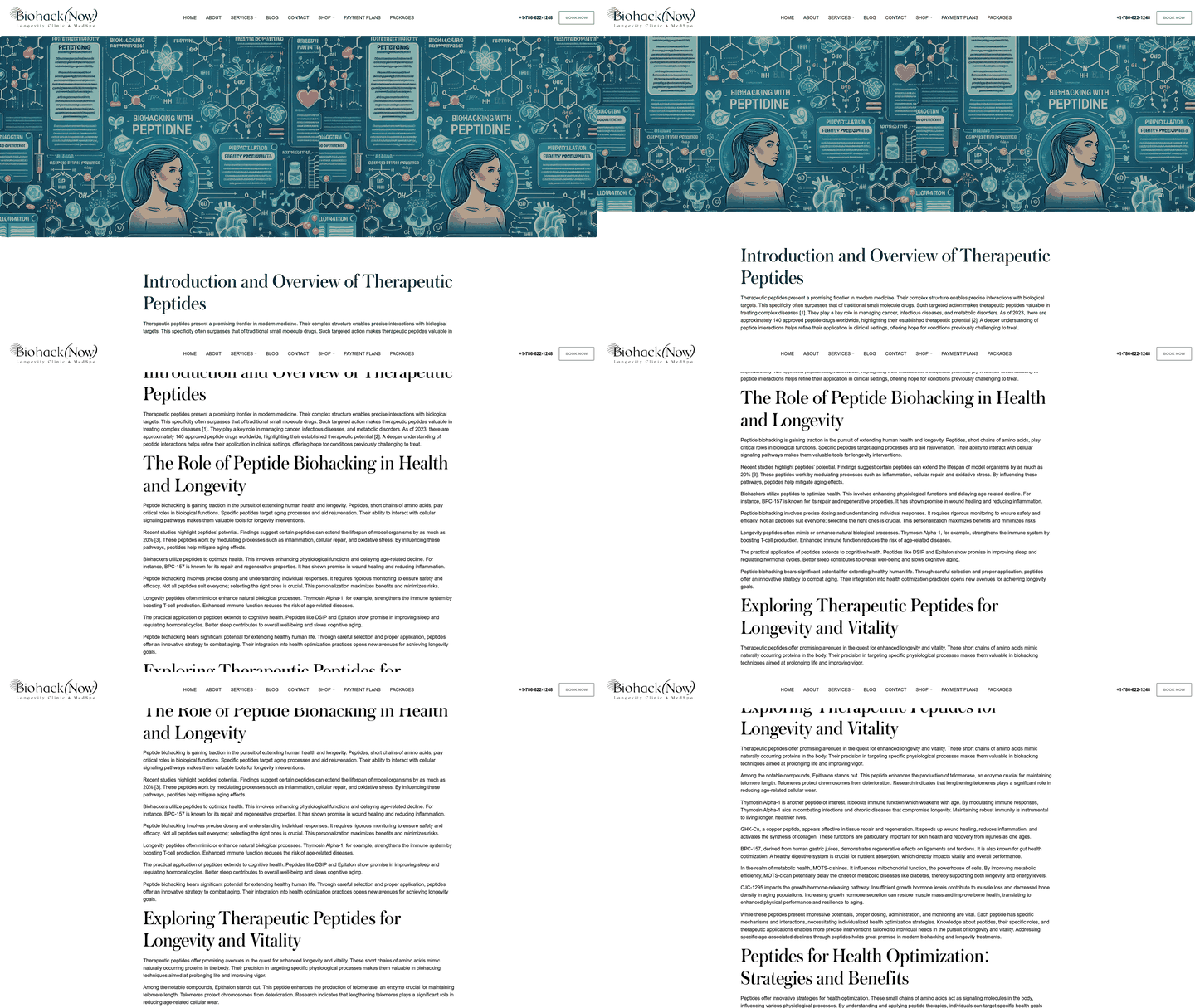
Understanding Peptides Biohacking
Peptides biohacking involves using short chains of amino acids to influence biological processes, offering a targeted approach to enhance performance, recovery, and longevity. Unlike traditional supplements, peptides act as signaling molecules, modulating pathways related to muscle repair, hormone balance, and cellular regeneration. This method aligns with precision medicine principles, tailoring interventions to individual genetic and metabolic profiles for optimal results. Building on concepts from the Personalized Supplementation and Biohacking section, this approach emphasizes lab-driven customization over generic solutions.
Key Peptides in Biohacking
Several peptides have gained traction for their specific benefits:
- BPC-157: A 15-amino-acid peptide known for accelerating gut and tissue healing. Athletes use it to reduce inflammation and speed recovery from injuries like tendonitis or ligament damage. Studies suggest it promotes angiogenesis (blood vessel growth), enhancing nutrient delivery to damaged tissues .
- TB-500 (Thymosin Beta-4): Popular for its role in muscle and joint repair, TB-500 supports cellular migration and reduces scar tissue formation. Biohackers often stack it with BPC-157 to amplify recovery, a combo dubbed the “Wolverine Stack.” For example, a marathon runner reported reduced post-race muscle soreness and faster ligament healing after a six-week TB-500 protocol biohacknow.net.
- Ipamorelin: A growth hormone-releasing peptide (GHRP) that stimulates the body’s natural production of HGH. It’s favored for fat loss and lean muscle preservation, with users noting improved sleep quality and energy levels. A 2023 case study highlighted a 45-year-old client achieving a 12% body fat reduction over three months while maintaining muscle mass .
Real-World Applications
Peptide biohacking bridges scientific research and practical outcomes. Consider Natalie Brooks, a client at BiohackNow, who used a customized peptide stack to address metabolic slowdown. Within weeks, she reported increased stamina and a 15-pound weight loss, crediting the protocol’s focus on hormone balance biohacknow.net. Similarly, Jason Cole combined TB-500 with IV therapy for post-surgical recovery, reducing swelling and regaining mobility in half the expected time biohacknow.net. As mentioned in the Tracking Performance Metrics and Progress section, such interventions require continuous monitoring to validate efficacy and adjust protocols.
Benefits and Considerations
Benefits include:
- Targeted Repair: Peptides like BPC-157 and TB-500 address specific tissues, minimizing systemic side effects.
- Longevity Potential: Ipamorelin and CJC-1295 may support cellular health by enhancing telomere maintenance and reducing oxidative stress .
- Performance Gains: Athletes report 20–30% faster recovery times, enabling more frequent training cycles.
Risks and ethical concerns include:
- Regulatory Gaps: Peptides like TB-500 remain unapproved for human use in many countries, raising questions about quality control.
- Dosage Sensitivity: Overuse of HGH-releasing peptides can disrupt natural hormone production, leading to insulin resistance .
- Cost Barriers: High-quality peptides and personalized protocols often exceed $1,000/month, limiting accessibility biohacknow.net.
Precision Medicine and Personalization
Precision medicine is central to effective peptide biohacking. At BiohackNow, protocols begin with comprehensive biomarker analysis—hormone panels, gut microbiome tests, and telomere length assessments—to identify individual needs. See the Calculating Nutrition Needs for Peak Performance section for more details on how metabolic profiling informs dietary and supplementation strategies. For instance, a client with chronic knee pain might receive TB-500 paired with PRP injections, while another with metabolic syndrome gets Ipamorelin combined with low-dose Naltrexone for fat-burning synergy. This data-driven approach contrasts with one-size-fits-all supplements, ensuring interventions align with genetic predispositions and lifestyle factors.
While BiohackNow integrates peptides into its longevity programs, they are one tool among many—complemented by IV therapies, laser treatments, and nutritional coaching. The key takeaway? Peptide biohacking thrives when grounded in rigorous science, transparent communication, and measurable outcomes. As the field evolves, staying informed about clinical research and regulatory updates will remain critical for anyone pursuing peak performance and anti-aging goals.
Calculating Nutrition Needs for Peak Performance
To achieve peak performance, calculating your nutrition needs starts with understanding your Total Daily Energy Expenditure (TDEE). This metric estimates the calories your body burns daily, accounting for activity level, age, weight, and goals. Use formulas like the Mifflin-St Jeor equation or online calculators to estimate your basal metabolic rate (BMR), then multiply by an activity factor (e.g., 1.55 for moderate training). For example, a 70 kg athlete with moderate activity might have a TDEE of 2,800–3,200 calories. Adjust this number by 5–10% based on whether you’re aiming to lose, maintain, or gain weight (https://www.acsm.org/resources/docs/position-statements/joint-position-statement-on-nutrition-and-athletic-performance.pdf). For a tailored plan, consider platforms like BiohackNow, which combine precision medicine with personalized protocols to refine energy intake based on biomarkers and performance goals (https://biohacknow.net/). See the Personalized Supplementation and Biohacking section for more details on how lab testing informs individualized protocols.
Setting Protein Targets: Amount, Timing, and Quality
Protein is critical for muscle repair and recovery. Athletes typically require 1.2–2.2 grams per kilogram of body weight daily, depending on training intensity. For a 70 kg athlete, this translates to 84–154 grams. Distribute intake evenly across meals, with 20–40 grams per meal to optimize muscle protein synthesis (https://www.ncbi.nlm.nih.gov/pmc/articles/PMC8753420/). Timing is equally vital: consume 20–25 grams of high-quality protein (e.g., whey, eggs, or plant-based blends) within 30–60 minutes post-exercise to accelerate recovery (https://nutritionistresource.com/sports-nutrition). For those using advanced therapies like TB-500 to enhance tissue repair, pairing it with adequate protein intake can amplify regenerative effects (https://biohacknow.net/how-to-enhance-vitality-with-tb-500-biohack-therapy). Building on concepts from the Understanding Peptides Biohacking section, these therapies offer targeted support for recovery.
Carbohydrate Loading and Post-Exercise Replenishment
Carbohydrates fuel high-intensity workouts and aid recovery. For endurance athletes, carb loading (7–12 g/kg/day) 24–48 hours before an event maximizes glycogen stores (https://www.sciencedirect.com/science/article/pii/S2405844024088340). Post-exercise, replenish glycogen with 1–1.2 g/kg of carbs within 30 minutes, ideally combined with protein (e.g., a banana with peanut butter). Complex carbs like oats or quinoa provide sustained energy, while simple carbs (e.g., sports drinks) are better for immediate recovery (https://coastal.edu/sport-nutrition-symposium). BiohackNow’s personalized protocols can help design carb strategies aligned with training cycles and metabolic testing (https://biohacknow.net/).
Healthy Fats: Omega-3s, Omega-6s, and MCTs
Healthy fats support hormone production and reduce inflammation. Aim for 20–35% of daily calories from sources like fatty fish, nuts, and seeds. Prioritize omega-3s (EPA/DHA) over omega-6s to minimize chronic inflammation; a 1:1 ratio is ideal (https://www.mdpi.com/2076-3921/13/4/437). Medium-chain triglycerides (MCTs) from coconut oil or supplements offer quick energy for endurance athletes. For instance, 5–10 grams of MCT oil pre-workout can enhance fat utilization (https://biohacknow.net/).
Hydration Strategy: Electrolyte Balance for Endurance
Dehydration impairs performance by 1–2% per 1% body weight lost. For workouts lasting 90+ minutes, replace fluids with 500–700 ml/hour and electrolytes (sodium: 500–700 mg/hour, potassium: 60–100 mg/hour) (https://sportnutritiontrends2025.com/). Pre-hydrate 4 hours before activity, and sip water/electrolyte drinks during exercise. Post-event, rehydrate with 1.5 L per kg lost to account for ongoing fluid loss. BiohackNow’s scientifically-backed treatments can assess hydration status via blood work, tailoring protocols to individual sweat rates and electrolyte needs (https://www.acsm.org/resources/docs/position-statements/joint-position-statement-on-nutrition-and-athletic-performance.pdf).
By integrating these strategies with personalized guidance from experts, athletes and health-conscious individuals can optimize their nutrition for performance, recovery, and longevity. Platforms like BiohackNow combine precision medicine with cutting-edge research to refine these calculations, ensuring your plan aligns with both scientific trends and individual physiology (https://www.ncbi.nlm.nih.gov/pmc/articles/PMC8753420/).
Personalized Supplementation and Biohacking
Personalized supplementation and biohacking start with comprehensive lab testing, which serves as the foundation for tailored protocols. By analyzing biomarkers like vitamin levels, hormone balances, and inflammatory markers, practitioners can identify deficiencies or imbalances that hinder performance. For example, BiohackNow’s OligoScan technology detects heavy metals and mineral deficits, enabling precise detoxification or supplementation strategies. A client with low iron might receive targeted iron supplementation combined with vitamin C to enhance absorption, while someone with elevated cortisol could benefit from adaptogens like ashwagandha. The connection between sports and nutrition highlights how these insights bridge gaps between general recommendations and individual needs. As mentioned in the Understanding Peptides Biohacking section, advanced therapies like peptides further refine these protocols by addressing specific biological mechanisms.

Genomics and Biomarkers: The Science of Personalization
Genetic testing adds another layer of precision, revealing how your body processes nutrients or responds to stressors. For instance, variants in the CYP1A2 gene influence caffeine metabolism: slow metabolizers may experience jitters with standard doses, while fast metabolizers need higher amounts for alertness. BiohackNow integrates genomic data to adjust supplementation—like recommending methylated folate for individuals with MTHFR gene mutations. A 2025 study on sport and exercise nutrition trends underscores how these genetic insights reduce trial-and-error, ensuring protocols align with your biological blueprint. See the Calculating Nutrition Needs for Peak Performance section for more details on how biomarkers intersect with energy expenditure and dietary planning.
Caffeine Optimization: Timing and Dosage for Maximum Impact
Caffeine’s effectiveness hinges on both genetic responsiveness and timing. Slow metabolizers might take 100–150 mg 30 minutes pre-workout for sustained energy without anxiety, while fast metabolizers could split 200 mg into pre- and mid-session doses. BiohackNow’s testing identifies these profiles, then maps them to performance windows. For example, a marathoner might use 150 mg pre-race and 100 mg at mile 18 to maintain focus. Research from Antioxidants 2024 shows this approach enhances endurance and reduces crash risks compared to one-size-fits-all dosing.
Non-Invasive Peptide Therapies: A Biohacking Edge
Peptides like TB-500 offer regenerative benefits without surgical intervention, aligning with BiohackNow’s focus on non-invasive therapies. TB-500 accelerates tissue repair by promoting angiogenesis and actin regulation, making it ideal for athletes recovering from injuries. Clients often combine it with BPC-157 in the “Wolverine Stack” for joint and muscle recovery. A case study from BiohackNow’s TB-500 blog details a client reducing hamstring recovery time from 6 weeks to 10 days. These therapies are tailored via lab results—someone with chronic inflammation might receive TB-500 alongside anti-inflammatory supplements like curcumin.
Actionable Protocols: From Lab Results to Performance Gains
Once data is collected, the focus shifts to execution. A sample protocol for a CrossFit athlete with low testosterone and poor sleep might include:
- Lab-Driven Supplementation: Zinc, magnesium, and D-aspartic acid to boost testosterone.
- Peptide Integration: TB-500 injections twice weekly for joint resilience.
- Caffeine Strategy: 150 mg pre-warmup, with a second dose at mid-competition if energy dips.
- Recovery Biohacks: IV glutathione to counteract oxidative stress from high-intensity training.
This approach mirrors the ACSM Joint Position Statement on personalized nutrition, emphasizing adaptability. Clients at BiohackNow often see improvements within 4–6 weeks, as seen in testimonials like Natalie Brooks’ review: “Monika’s peptide program transformed my energy and metabolism. I started seeing changes within weeks.” Building on concepts from the Tracking Performance Metrics and Progress section, these protocols are refined through continuous monitoring of biomarkers and performance outcomes.
For those ready to begin, BiohackNow offers a free consultation to map your biomarkers to a protocol. By merging scientific rigor with individualized care, personalized supplementation and biohacking turn abstract trends into measurable results.
Tracking Performance Metrics and Progress
Tracking performance metrics is essential for anyone aiming to optimize their health and athletic performance through nutrition. By systematically monitoring key indicators like strength gains, endurance improvements, and recovery rates, you create a feedback loop that helps refine your dietary strategies. This approach ensures you’re not just following trends blindly but adapting them based on measurable outcomes. According to recent research, athletes who use data-driven methods to adjust their nutrition see up to 30% faster progress compared to those who rely on guesswork. Tools like wearable fitness trackers, blood work analysis, and performance logs become your allies in this process, providing objective insights into how your body responds to specific nutrients.
Nutrition’s Role in Strength, Endurance, and Recovery
Macronutrient timing, micronutrient density, and hydration levels directly influence your capacity to build muscle, sustain energy, and repair tissue. For example, a high-protein diet post-workout accelerates muscle synthesis, while electrolyte balance prevents cramping during long-distance runs. Studies on popular dietary trends highlight that plant-based diets rich in antioxidants reduce inflammation, aiding recovery by 20–40%. Yet, these benefits only materialize when paired with consistent tracking. Consider a sprinter who measures their 100-meter time weekly. If their performance plateaus despite increased protein intake, the data signals the need to adjust timing or explore supplements like creatine. Similarly, endurance athletes can use heart rate variability (HRV) to assess how carb-loading impacts their stamina.
Using Data to Refine Supplementation and Biohacking
Supplementation decisions should never be arbitrary. At BiohackNow, clients undergo OligoScan testing to identify mineral deficiencies or heavy metal imbalances, which inform personalized protocols. For instance, if blood work reveals low iron levels, a tailored iron supplement plan—monitored through follow-up scans—can boost oxygen delivery to muscles, enhancing endurance. Pairing this with biohacks like peptide therapy (e.g., TB-500 for tissue repair) creates a layered strategy. As mentioned in the Understanding Peptides Biohacking section, peptides offer targeted interventions for recovery and performance. Apps like Dosed or MyFitnessPal help track these variables, allowing you to correlate supplement cycles with performance metrics. A bodybuilder might note that adding BPC-157 improves joint flexibility, while HRV data confirms reduced stress from optimized magnesium intake.
Real-World Examples: From Athletes to Everyday Users
Let’s break this down with tangible scenarios. A marathon runner using GPS watches to track pace and elevation might notice slower splits on days with low sodium intake, prompting adjustments to electrolyte supplementation. A CrossFit athlete could use in-body composition scans to ensure lean mass gains align with caloric intake. For non-athletes, tracking sleep quality alongside magnesium-rich food consumption might reveal links between nutrition and recovery speed. Building on concepts from the Personalized Supplementation and Biohacking section, clients like Natalie Brooks have reported energy boosts within weeks of adjusting their peptide stacks based on blood biomarkers, while Jason Cole credits IV vitamin infusions with cutting his post-surgery recovery time in half. These examples underscore how precision nutrition—guided by metrics—transforms abstract trends into actionable plans.
By integrating these practices, you shift from reactive guesswork to proactive optimization. Whether you’re training for a competition or seeking longevity, tracking performance metrics ensures your nutrition strategy evolves with your body’s needs.
Advanced Aesthetic Treatments and Longevity Strategies
Advanced aesthetic treatments and longevity strategies are reshaping how individuals approach health, combining science-backed interventions with personalized care. These methods focus on both visible rejuvenation and systemic wellness, leveraging innovations like non-invasive therapies and precision medicine to delay aging and enhance vitality. For instance, platforms like BiohackNow integrate cutting-edge protocols, from peptide therapies to genomic analysis, to address aging and performance optimization. Below, we explore key strategies and their real-world applications.

Non-Invasive Therapies for Aesthetic Rejuvenation
Modern non-invasive treatments offer precise, low-risk solutions for skin renewal and structural improvement. Botox, for example, temporarily relaxes facial muscles to reduce wrinkles, while dermal fillers restore volume and contour. These procedures are popular among professionals seeking quick recovery times—many athletes use fillers to maintain a fresh appearance during high-profile events. At BiohackNow, treatments like microneedling with PRP (platelet-rich plasma) are combined with nutrient-boosting protocols to enhance skin elasticity and collagen production.
A client testimonial from the clinic highlights this synergy: “The Glow Stack microneedling with PRP gave me smoother, tighter skin in just a few sessions. I look fresher and more rejuvenated than I have in years.” — Daniela Harper, Client. Such therapies align with the broader trend of using bioavailable nutrients and peptides to amplify results, as discussed in recent research on skin regeneration and nutrient absorption. See the Understanding Peptides Biohacking section for more details on how peptides enhance cellular repair and aesthetics.
Precision Medicine: Tailoring Longevity to Your Genes
Precision medicine leverages genomic data to create individualized health plans. By analyzing DNA markers, practitioners can identify genetic predispositions to aging-related conditions and design targeted interventions. For example, someone with a slower metabolism might receive a customized supplement regimen alongside aesthetic treatments like laser therapy to address both internal and external health.
BiohackNow employs advanced biomarker tracking to guide protocols, measuring telomere length and hormonal balance to refine anti-aging strategies. A 2025 study in Antioxidants emphasizes the role of personalized nutrition in delaying cellular aging, a principle mirrored in clinics like BiohackNow, where genetic insights inform everything from peptide therapy to IV vitamin infusions. Building on concepts from the Personalized Supplementation and Biohacking section, this approach underscores the value of lab-driven customization in longevity science.
Peptides and Biohacking: Bridging Longevity and Aesthetics
Peptide therapies, such as TB-500 and BPC-157, are at the forefront of biohacking for longevity and aesthetics. These compounds stimulate tissue repair, reduce inflammation, and enhance cellular regeneration, making them ideal for athletes and individuals with chronic pain. TB-500, for instance, is often stacked with other peptides to accelerate recovery from injuries while improving skin texture.
A detailed exploration of TB-500’s benefits can be found in BiohackNow’s blog, where clients report reduced joint swelling and faster healing post-surgery. When combined with precision nutrition—such as protein-rich diets and antioxidant supplements—peptides create a holistic approach to aging. According to a 2025 review, peptides like TB-500 show promise for systemic health, from cardiovascular support to muscle preservation. As mentioned in the Understanding Peptides Biohacking section, these therapies represent a targeted frontier in both aesthetics and longevity.
Real-World Applications and Synergy with Nutrition
Integrating aesthetic treatments with nutrition trends yields compounding benefits. Consider a marathon runner using Botox to alleviate facial tension caused by chronic stress, paired with a plant-based diet rich in omega-3s to reduce inflammation. Similarly, a business executive might opt for PRP facials to maintain a youthful appearance while undergoing genomic testing to optimize hormone replacement therapy.
At BiohackNow, clients often combine IV vitamin therapy with peptide protocols to enhance energy and skin health. For example, one client shared: “The NAD+ and high-dose Vitamin C IVs gave me a level of mental clarity and recovery I’ve never experienced.” — Jason Cole, Client. Such cases illustrate how strategic layering of treatments aligns with the latest in nutritional science, as highlighted in a 2025 symposium on performance-enhancing diets. See the Calculating Nutrition Needs for Peak Performance section for guidance on tailoring dietary strategies to complement aesthetic and longevity goals.
By merging non-invasive aesthetics, precision medicine, and biohacking protocols, individuals can achieve unparalleled results in longevity and appearance. These strategies, supported by scientific research and real-world success stories, offer a roadmap for those seeking to optimize both healthspan and their physical vitality.
References
[1] Top Sport and Exercise Nutrition Trends in 2025: A Scientific Guide … – https://sportnutarian.com/sport-nutrition-trends-2025/
[2] Harmony in Motion: Unraveling the Nexus of Sports, Plant-Based … – https://www.mdpi.com/2076-3921/13/4/437
[3] Green strength: The role of micronutrients in plant-based diets for … – https://www.sciencedirect.com/science/article/pii/S2405844024088340
[4] American College of Sports Medicine Joint Position Statement … – https://pubmed.ncbi.nlm.nih.gov/26891166/
[5] Popular Dietary Trends’ Impact on Athletic Performance: A Critical … – https://pmc.ncbi.nlm.nih.gov/articles/PMC10460072/
[6] The connection between sports & nutrition – Nutritionist Resource – https://www.nutritionist-resource.org.uk/articles/the-unrivaled-connection-between-sports-and-nutrition
[7] Advanced – https://www.eatright.org/fitness/sports-and-athletic-performance/advanced
[8] Sport Nutrition and Human Performance Symposium | Coastal … – https://www.coastal.edu/knes/sportnutritionandhumanperformancesymposium/
[9] Green strength: The role of micronutrients in plant-based diets for … – https://ui.adsabs.harvard.edu/abs/2024Heliy..1032803A/abstract
[10] Popular Dietary Trends’ Impact on Athletic Performance: A Critical … – https://www.researchgate.net/journal/Nutrients-2072-6643/publication/373013993_Popular_Dietary_Trends’_Impact_on_Athletic_Performance_A_Critical_Analysis_Review/links/6579a5f86610947889c4ef0e/Popular-Dietary-Trends-Impact-on-Athletic-Performance-A-Critical-Analysis-Review.pdf?origin=scientificContributions
[11] (PDF) Nutritional Strategies for Peak Performance: Guidelines for … – https://www.researchgate.net/publication/379040018_Nutritional_Strategies_for_Peak_Performance_Guidelines_for_Athletes’_Optimal_Fueling_and_Recovery
[12] (PDF) Nutrition and Athletic Performance – https://www.researchgate.net/publication/297695609_Nutrition_and_Athletic_Performance
[13] The Undisputed KING of Performance Nutrition by Renaissance Periodization – https://www.youtube.com/watch?v=nKTOc4pHgPg
Frequently Asked Questions
1. What are the key benefits of plant-based diets for athletic performance?
Plant-based diets are associated with enhanced recovery and reduced inflammation due to their high antioxidant and anti-inflammatory properties. The article notes that they require 4-6 weeks to implement effectively and are rated a difficulty level of 7. While beneficial, success depends on careful planning to ensure adequate protein and nutrient intake.
2. How does precision nutrition differ from other dietary trends?
Precision nutrition involves tailoring nutrient ratios to individual needs using biomarker tracking and lab-driven protocols. Unlike generic approaches like intermittent fasting or functional foods, it requires ongoing adjustments and a higher difficulty rating (8). The article highlights its scientific backing and integration with platforms like BiohackNow for personalized supplementation.
3. Can peptides like TB-500 be safely combined with other therapies?
Yes, peptides such as TB-500 (Thymosin Beta-4) can be stacked with others like BPC-157 for synergistic effects, often referred to as the “Wolverine Stack.” BiohackNow offers protocols that include these combinations, emphasizing precision dosing and personalized regimens. However, stacking should be guided by medical expertise to ensure safety and efficacy.
4. What role do functional foods play in peak performance?
Functional foods provide micronutrient density to support cellular health and are the easiest trend to implement (difficulty rating 4). They offer immediate benefits but may lack the targeted effects of other trends like precision nutrition or peptide therapy. Examples include foods rich in omega-3s, probiotics, or adaptogens.
5. How long does it take to see results from intermittent fasting?
The article states that intermittent fasting typically shows improvements in metabolic flexibility within 2-4 weeks. Its moderate difficulty rating (5) makes it accessible for many, though results vary based on individual adherence and metabolic health. It’s often used alongside other strategies like precision nutrition for optimal outcomes.
6. Are peptide therapies like TB-500 widely supported by scientific research?
Peptide therapies such as TB-500 have clinical studies and anecdotal evidence supporting their role in accelerating tissue repair and reducing inflammation. The article mentions BiohackNow’s protocols leverage these therapies with personalized regimens, but emphasizes the importance of scientific backing and professional guidance for safe use.
7. How can I determine which nutrition trend is right for me?
Consider your goals, lifestyle, and willingness to adjust your routine. For example, plant-based diets require significant dietary shifts, while functional foods are easier to integrate. BiohackNow and similar platforms offer precision nutrition plans using biomarker tracking, but consulting a healthcare provider is recommended to align trends with your unique needs.
Free 15-Minute Discovery Call
Ready to take the guesswork out of your health?
Book a free 15-minute call with Monika to talk through your goals, what testing makes sense for you, and the right next step. No pressure, just clarity.
Book Your Free CallFor educational purposes only. Not medical advice.
