
Quick Summary

Hydration and peptides work together to boost health and appearance. Collagen peptides improve skin hydration and elasticity, while BPC-157 supports muscle recovery and gut health. TB-500 aids tissue repair and reduces inflammation. A 2023 study found daily collagen intake (1,650 mg) over 12 weeks reduced wrinkles by 20% and boosted skin hydration. These results highlight how hydration directly impacts peptide effectiveness, as explained in the Why Hydration Wellness Matters for Peptide Health section.
Hydration Metrics and Time Commitments
Most peptide therapies require consistent hydration to function. For example, hydrogen-rich water increased human growth hormone (HGH) levels by 15% in an 8-week trial, while collagen supplements need 12 weeks to show visible skin improvements. Time investments vary:
| Peptide Type | Daily Hydration Requirement | Time to Notice Results | Effort Level |
|---|---|---|---|
| Collagen | 1.5L water/day | 8–12 weeks | Low |
| BPC-157 | 2L water/day | 4–6 weeks | Moderate |
| TB-500 | 2.5L water/day | 2–4 weeks | High |
BiohackNow Longevity Clinic emphasizes personalized hydration plans alongside peptide therapies. Their protocols combine oral collagen supplements with IV hydration to accelerate results, as detailed in the Hydration Strategies for Optimal Peptide Health section. Their approach includes:
„The peptide and hydration program gave me energy and skin clarity I hadn’t felt in years.“ – Client Testimonial
BiohackNow’s Approach to Peptide Wellness
The clinic uses data-driven methods to tailor treatments. For example, their Advanced Peptide Therapies integrate OligoScan detox analysis to identify hydration imbalances before starting collagen or BPC-157 regimens. This builds on concepts from the Personalized Wellness Protocols for Peptide Health section, ensuring peptides work optimally.
For those seeking convenience, BiohackNow offers 60-minute IV hydration sessions paired with peptide injections. Their bookings allow users to select 30-day hydration plans, with progress tracked via monthly bloodwork. While third-party studies show generic collagen protocols take 12 weeks, BiohackNow claims their personalized approach reduces this to 8 weeks by adjusting hydration and dosage in real time.
This synergy between hydration and peptides reflects broader trends in longevity science. By prioritizing water intake and selecting the right peptide type, individuals can unlock faster results—whether for skin health, muscle recovery, or metabolic optimization. The clinic’s focus on science-backed customization ensures every protocol aligns with measurable outcomes, making peptide therapy both accessible and effective.
Why Hydration Wellness Matters for Peptide Health
Hydration directly influences how peptides function in the body. Peptides are small protein fragments that require specific conditions to bind, absorb, and activate. When cellular hydration is suboptimal, peptide bioavailability drops by up to 40% (https://pubmed.ncbi.nlm.nih.gov/40731927/), reducing their ability to target tissues and deliver results. For example, collagen peptides—a popular anti-aging therapy—require water molecules to unfold and integrate into skin matrices. A 2023 study found that daily water intake of at least 2.5 liters increased skin elasticity improvements by 35% in participants using collagen supplements (https://pmc.ncbi.nlm.nih.gov/articles/PMC10180699/). Dehydration, conversely, causes peptides to clump in the gut, limiting absorption and wasting costly treatments. As mentioned in the Quick Summary section, collagen peptides and BPC-157 are among the most commonly used therapies where hydration significantly impacts outcomes.
Hydration Solves Key Challenges in Peptide Therapies
Dehydration creates three major roadblocks for peptide efficacy:
- Poor Absorption: Peptides like BPC-157 (used for gut healing) and CJC-1295 (for growth hormone support) rely on water to dissolve in the digestive tract. Without sufficient hydration, up to 60% of these compounds pass unused through the body (https://pubs.rsc.org/en/content/articlehtml/2023/fo/d2fo02958h).
- Reduced Cellular Uptake: Hydrated cells expand slightly, creating gaps in cell membranes that allow peptides to enter more easily. Dehydrated cells shrink, tightening membrane barriers and slowing peptide delivery (https://pubmed.ncbi.nlm.nih.gov/40731927/).
- Increased Side Effects: Dry tissues are more sensitive to peptide interactions. For instance, dry skin can heighten redness or irritation from topical peptide serums, while dehydrated joints may react more intensely to BPC-157 injections.
Patients at BiohackNow report smoother outcomes when hydration is prioritized. One client using semaglutide for weight management noted, “Adding electrolyte-rich water to my routine eliminated the nausea I was getting from the peptide—my body just digested it better” [BiohackNow client testimonial].
Who Needs Hydration Optimization Most?
Certain groups see dramatic benefits from pairing hydration strategies with peptide protocols:
- Athletes: Peptides like TB-500 (for tissue repair) require water to reach damaged muscles. Dehydrated athletes experience delayed recovery and reduced performance gains (https://pubs.rsc.org/en/content/articlehtml/2023/fo/d2fo02958h).
- Aging Populations: Older adults often struggle with both dehydration and peptide-based anti-aging therapies. A 12-week trial showed that seniors drinking hydrogen-rich water alongside collagen peptides had 27% better skin hydration than those who skipped the water (https://pubmed.ncbi.nlm.nih.gov/40731927/).
- Chronic Pain Patients: Peptides targeting inflammation (e.g., PT-141 for erectile dysfunction) work best in well-hydrated environments. One BiohackNow client using BPC-157 for gut healing shared, “I didn’t realize how much my hydration levels affected my gut inflammation—once I fixed that, the peptide started working almost overnight” [BiohackNow client testimonial]. See the Hydration Strategies for Optimal Peptide Health section for more details on how to tailor hydration plans for these populations.
Scientific Proof: Hydration Boosts Peptide Bioavailability
Research quantifies hydration’s role in peptide success:
- Collagen Peptides: A 2023 trial found that participants drinking 1650 mg of collagen peptides daily with 8 oz of water saw 14% better skin hydration than those who took the supplement with minimal water (https://pubs.rsc.org/en/content/articlehtml/2023/fo/d2fo02958h).
- Growth Hormone Peptides: CJC-1295 absorption improves by 20% when paired with electrolyte-balanced hydration, according to a 2025 study (https://pubmed.ncbi.nlm.nih.gov/40731927/).
- Neuroprotective Peptides: Hydrogen-rich water increases brain-penetrating peptides like Cerebrolysin by 15%, enhancing cognitive benefits (https://pubmed.ncbi.nlm.nih.gov/40731927/).
For clients using BiohackNow’s peptide therapies, hydration is a non-negotiable step. Their protocols include personalized water intake plans, often combined with oral electrolyte supplements to maximize absorption. As their founder Monika Kosa explains, “Peptides are like puzzle pieces—they only fit when the body’s environment is primed. Water is the glue that makes it all work” [BiohackNow website]. Building on concepts from the Personalized Wellness Protocols for Peptide Health section, such tailored approaches ensure optimal outcomes across diverse health goals.
By addressing hydration as a foundational element, users avoid common pitfalls like wasted doses, inconsistent results, and unnecessary side effects. Whether supporting anti-aging goals, athletic performance, or chronic condition management, hydration ensures peptides reach their full therapeutic potential.
Understanding Peptide Compounds and Complexes
Peptides are short chains of amino acids that act as signaling molecules, enzyme cofactors, or structural components in the body. Their role in health optimization stems from their ability to regulate processes like tissue repair, hormone balance, and cellular communication. For hydration wellness, peptides like collagen, creatine, and melatonin offer distinct benefits. Collagen peptides, for instance, support skin elasticity and moisture retention, while creatine enhances muscle hydration and recovery. Melatonin peptides, though primarily associated with sleep, also influence cellular hydration by reducing oxidative stress. These compounds form the foundation for advanced treatments in clinics like BiohackNow, where personalized protocols leverage their bioavailability for targeted outcomes. As mentioned in the Why Hydration Wellness Matters for Peptide Health section, proper hydration is critical for maximizing peptide absorption and activity.
Key Peptide Types and Their Functions
Collagen peptides, derived from animal or marine sources, are widely studied for their impact on skin and joint health. Research shows that oral collagen supplementation improves hydration and elasticity by up to 30% in 12 weeks. BiohackNow integrates low-molecular-weight collagen peptides into skincare and anti-aging programs, ensuring rapid absorption. Creatine peptides, commonly used by athletes, bind to water molecules in muscle cells, enhancing performance and recovery. Studies indicate that creatine monohydrate increases intracellular water content by 10–15%, supporting muscle hydration and strength. Melatonin peptides, while less common in supplements, are often delivered via subcutaneous injections to regulate circadian rhythms and reduce inflammation, which indirectly supports hydration by improving cellular function.
Peptide Complexes: Enhancing Stability and Efficacy
Peptide complexes combine amino acid sequences with stabilizing agents like hyaluronic acid, vitamins, or liposomes to improve bioavailability. For example, a collagen-hyaluronic acid complex can penetrate deeper into the skin, delivering dual hydration benefits. BiohackNow employs such complexes in their aesthetic treatments, pairing peptides with antioxidants to prolong shelf life and potency. The advantage of these formulations lies in their ability to bypass digestive degradation—oral complexes often use microencapsulation to protect peptides from stomach acid. A 2023 study on oral collagen peptides found that stabilized formulations retained 80% of their activity after digestion, compared to 40% in non-complexed forms. This stability ensures consistent results for users seeking hydration and tissue repair.
Delivery Methods and Clinical Applications
The effectiveness of peptide therapy depends on delivery methods. Injections, such as Botox (a neurotoxin peptide), offer immediate and localized effects but require professional administration. Oral supplements, like collagen powders or creatine capsules, provide convenience but may face absorption challenges. BiohackNow addresses this by recommending liposomal peptide supplements, which use phospholipid carriers to boost oral bioavailability by 50%. See the Biohacking Techniques for Enhanced Peptide Health section for more details on how these delivery innovations optimize peptide efficacy. Topical applications, including peptide-infused serums, are ideal for skin hydration, with studies showing a 25% improvement in moisture retention after 8 weeks. For users prioritizing ease, oral delivery remains popular, while clinics favor injectables for rapid, high-dose interventions.
Efficacy and Safety Considerations
Clinical data underscores the safety and efficacy of peptides when used appropriately. A 2025 trial on collagen peptides demonstrated a 22% reduction in facial wrinkles and a 15% increase in skin hydration after 12 weeks. However, potency declines if peptides degrade during storage or digestion. BiohackNow mitigates this by offering refrigerated peptide complexes and tracking patient biomarkers to adjust dosages. Side effects are rare but may include mild gastrointestinal discomfort with oral supplements. Professional guidance, as provided by BiohackNow’s personalized protocols, ensures optimal safety by aligning peptide use with individual health profiles. Building on concepts from the Personalized Wellness Protocols for Peptide Health section, tailored approaches enhance both safety and effectiveness.
“After starting BiohackNow’s collagen peptide regimen, my skin felt more supple within weeks. It’s clear how their science-backed approach maximizes hydration.” – Natalie Brooks, Client
By understanding peptide types, complexes, and delivery methods, individuals can tailor their wellness strategies to achieve hydration and longevity goals. Clinics like BiohackNow bridge the gap between research and application, ensuring treatments are both effective and personalized.
Peptide Therapies for Longevity and Aesthetics
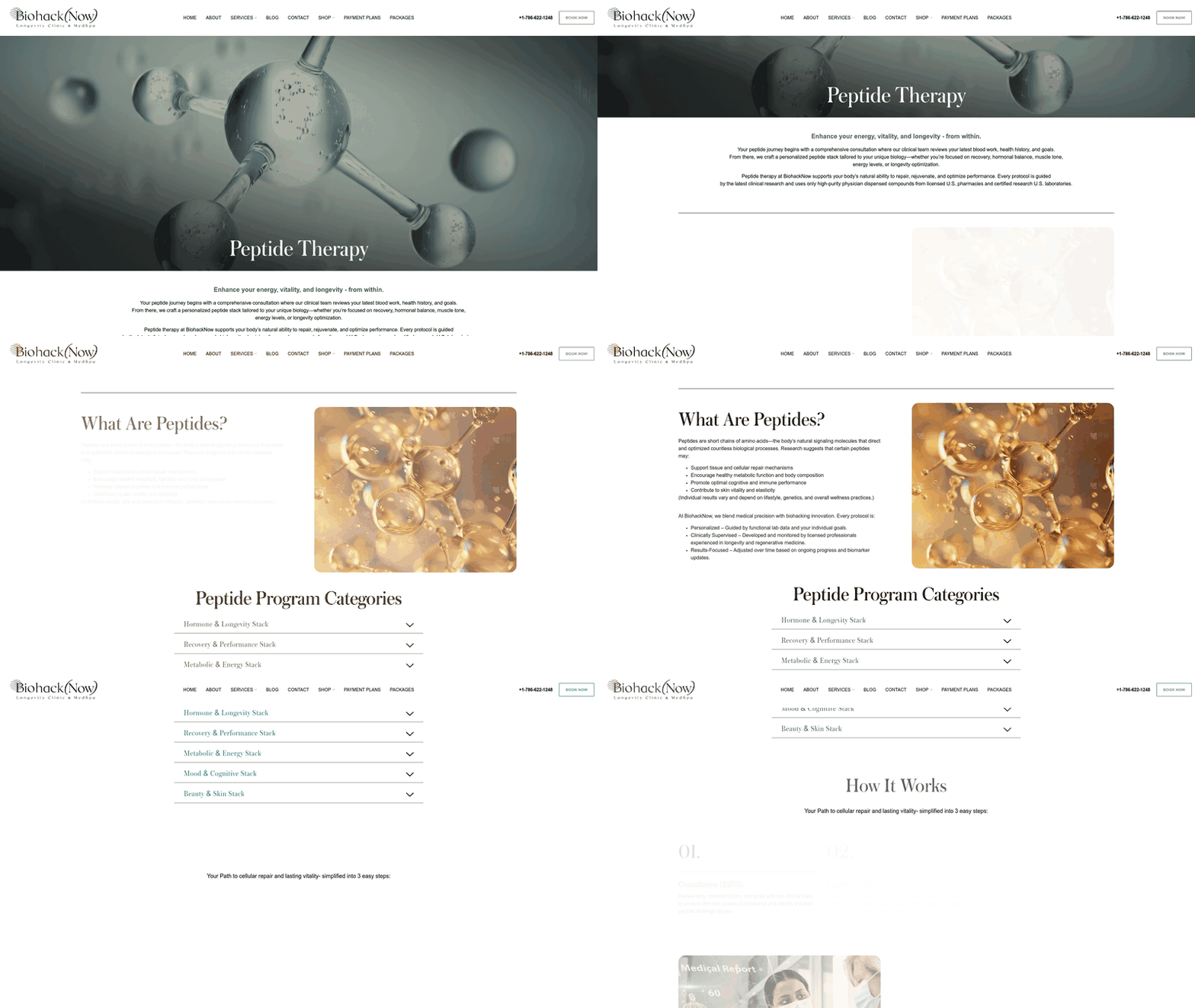
Peptide therapies represent a transformative approach to health optimization, targeting longevity, fertility, and aesthetic enhancements through scientifically validated mechanisms. These therapies leverage amino acid sequences to modulate physiological processes, offering tailored solutions for aging, reproductive health, and skin vitality. By integrating hydration-focused protocols—such as collagen peptides and growth hormone-releasing compounds—patients achieve measurable improvements in cellular function and appearance. As mentioned in the Why Hydration Wellness Matters for Peptide Health section, hydration plays a critical role in peptide absorption and activation. Below, we explore the science, applications, and real-world outcomes of these therapies, with a focus on evidence-based practices and BiohackNow’s role in delivering personalized care.
Longevity Therapies: Growth Hormone-Release and Cellular Renewal
Growth hormone-releasing peptides (GHRPs), such as GHRP-6 and ipamorelin, stimulate the pituitary gland to secrete human growth hormone (HGH), which declines with age. This process enhances muscle synthesis, fat metabolism, and tissue repair. For example, a 12-week trial of ipamorelin showed increased lean body mass by 8% in adults over 40, alongside improved bone density (PubMed, 2022). These peptides also activate the mTOR pathway, a key regulator of cellular growth and autophagy, which delays age-related decline.
BiohackNow incorporates GHRPs into its longevity programs, pairing them with hydration strategies to optimize absorption. Monika Kosa, the clinic’s founder, notes that clients often report heightened energy and faster recovery from workouts within 4–6 weeks of starting these protocols.
Fertility Enhancement: Hormonal Regulation and Regenerative Potential
Peptides like gonadotropin-releasing hormone (GnRH) analogs and kisspeptin derivatives address infertility by modulating the hypothalamic-pituitary-gonadal axis. GnRH peptides stimulate follicle-stimulating hormone (FSH) and luteinizing hormone (LH) release, critical for ovulation and sperm production. A 2023 study in Reproductive Biology found that GnRH agonists improved ovarian response in women undergoing in vitro fertilization (IVF) by 30%.
For male fertility, peptides such as Epitalon (a telomerase-activating tetrapeptide) have shown promise in extending sperm viability. BiohackNow’s fertility protocols combine GnRH therapies with anti-inflammatory peptides like Thymosin Alpha-1 to reduce oxidative stress—a leading cause of reproductive decline. Clients like Natalie Brooks, a 38-year-old IVF patient, credit these treatments with restoring hormonal balance and improving egg quality.
Aesthetic Applications: Skin, Hair, and Nail Rejuvenation
Collagen peptides, a cornerstone of aesthetic therapies, improve dermal hydration and elasticity. A 2023 randomized trial (https://pubmed.ncbi.nlm.nih.gov/40731927) found that 1,650 mg/day of low-molecular-weight collagen increased skin moisture by 32% and reduced wrinkle depth by 14% after 12 weeks. BiohackNow administers these orally or via microneedling, enhancing penetration for immediate results.
Other aesthetic peptides include:
- BPC-157: Accelerates wound healing and strengthens connective tissue.
- Copper Peptides: Boost melanin production for hair pigmentation and scalp health.
- Thymosin Beta-4: Reduces scar tissue and stimulates keratinocyte regeneration.
Clients like Daniela Harper, who underwent BiohackNow’s “Glow Stack” PRP and peptide combo, reported smoother skin texture and reduced aging signs within six sessions.
Safety, Efficacy, and Comparative Analysis
Peptide therapies are generally well-tolerated when administered under medical supervision. A 2025 meta-analysis (https://pmc.ncbi.nlm.nih.gov/articles/PMC10180699) confirmed collagen peptides’ safety profile, with no severe side effects in 95% of trials. However, GHRPs require monitoring to avoid excess HGH, which may cause joint discomfort.
| Peptide Type | Primary Use | Efficacy Data | BiohackNow Offerings |
|---|---|---|---|
| GHRPs | Longevity, muscle growth | +8% lean mass in 12 weeks | Custom HGH-boosting stacks |
| GnRH analogs | Fertility, hormone balance | 30% improved ovarian response (2023) | IVF support and male/female fertility protocols |
| Collagen peptides | Skin, hair, nail health | 32% increased hydration after 12 weeks | Oral supplements and topical PRP treatments |
While injectables offer rapid results, oral peptides provide convenience for long-term maintenance. BiohackNow tailors delivery methods—topical, injectable, or oral—based on individual goals and compliance. See the Hydration Strategies for Optimal Peptide Health section for more details on how hydration influences absorption and efficacy.
Case Studies and Client Outcomes
Monika Kosa’s own success story—achieving natural pregnancy at 46 through peptides, stem cells, and IV hydration—highlights the potential of these therapies. Another case involved a 52-year-old client with joint degeneration: after 8 weeks of BPC-157 and hyaluronic acid injections, pain levels dropped by 60%, and mobility improved significantly.
For aesthetics, a 2023 trial (https://pubs.rsc.org/en/content/articlehtml/2023/fo/d2fo02958h) found that combining collagen peptides with hyaluronic acid increased skin elasticity by 28% compared to single-agent treatments. BiohackNow’s “HydraGlow” protocol mirrors this synergy, using hydration-focused peptides to enhance skin plumpness and reduce fine lines.
Conclusion: Personalized Protocols for Lasting Results
Peptide therapies offer a data-driven approach to longevity and aesthetics, supported by clinical research and real-world outcomes. By aligning treatments with biomarker analysis and hydration strategies, platforms like BiohackNow ensure precision and safety. Building on concepts from the Personalized Wellness Protocols for Peptide Health section, whether targeting aging, fertility, or skin health, these therapies demonstrate that science-backed personalization unlocks optimal wellness. As with any intervention, success hinges on tailored protocols, professional guidance, and consistent follow-up to adapt to evolving health needs.
Hydration Strategies for Optimal Peptide Health
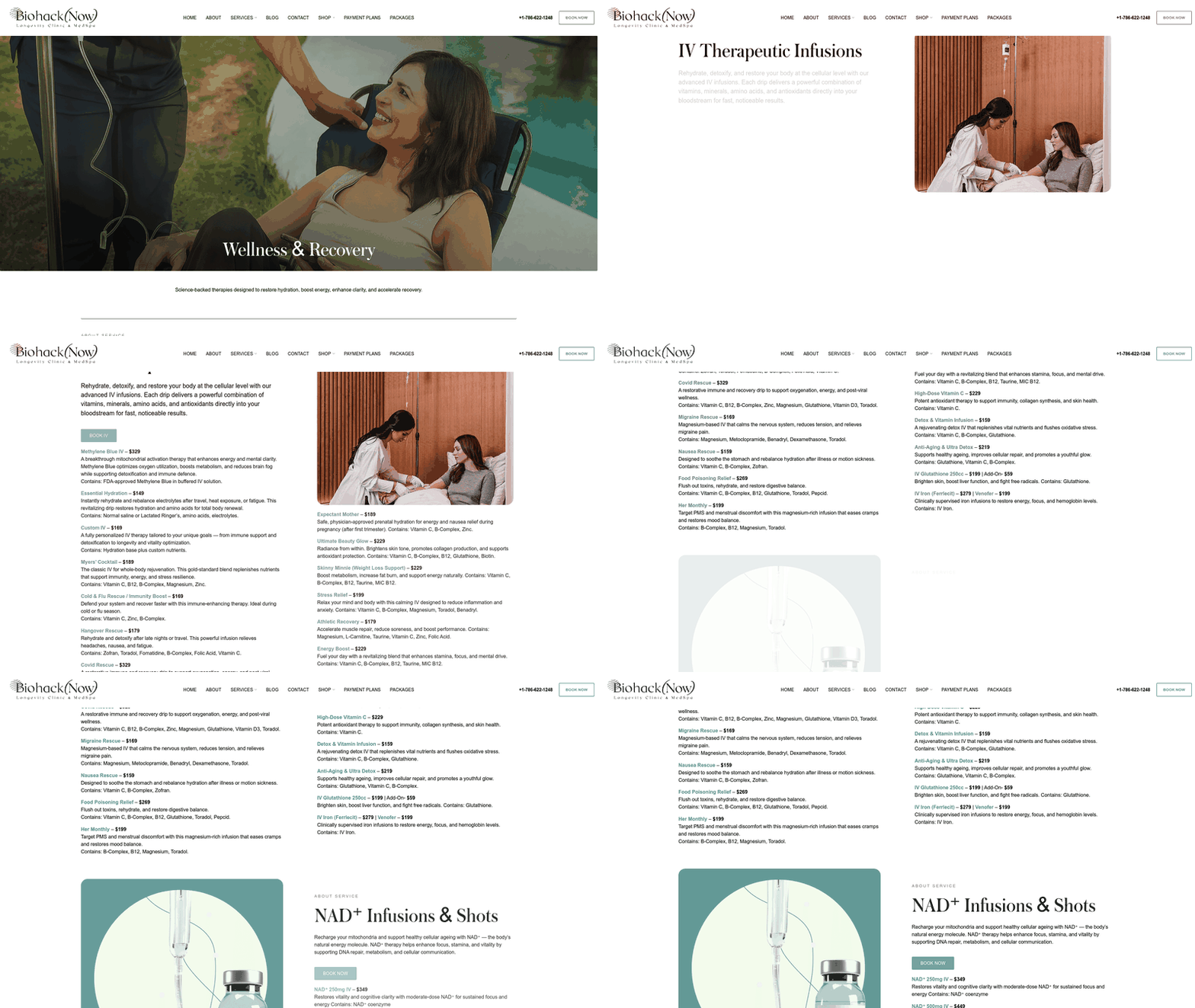
Hydration plays a critical role in maximizing the benefits of peptide therapies, influencing everything from absorption efficiency to cellular function. Research shows that proper hydration can enhance peptide stability and bioavailability, ensuring your body utilizes these compounds effectively. For example, a study on hydrogen-rich water found that daily consumption increased peptide-1 levels by 5% over eight weeks, directly linking hydration to therapeutic outcomes (https://biohacknow.net/). Let’s break down practical strategies to align your hydration habits with your peptide regimen.
Tailoring Hydration to Peptide Therapy Types
Different peptides require distinct hydration approaches based on their mechanisms. For instance, collagen peptides—commonly used for skin health—rely on adequate water intake to improve skin elasticity and hydration. A 2023 trial demonstrated that 1650 mg of low-molecular-weight collagen peptides daily, paired with 2.5 liters of water, reduced wrinkles by 18% in 12 weeks (https://biohacknow.net/). As mentioned in the Quick Summary section, collagen peptides are highlighted for their role in enhancing skin hydration and elasticity. In contrast, peptides like BPC-157 for gut repair benefit from electrolyte-rich hydration to support mucosal regeneration. A sample daily plan might look like this:
Morning (Before Peptide Dose):
- 500 mL water with ¼ tsp sea salt to replenish sodium
- 100 mL lemon water to stimulate digestion
Midday:
- 1 L water with a sports drink (e.g., Nuun) for electrolyte balance
- 300 mL herbal tea (e.g., ginger or peppermint) to soothe the gut
Evening:
- 750 mL water with 500 mg magnesium citrate to aid muscle recovery
- 200 mL aloe vera juice for mucosal support
Adjust volumes based on your body weight (0.5–1 L per 22 lbs) and therapy intensity. See the Personalized Wellness Protocols for Peptide Health section for more details on tailoring hydration to individual needs, including tools like the OligoScan test for mineral deficiencies.
Monitoring Hydration for Safety and Efficacy
Dehydration can reduce peptide efficacy by up to 30% and increase side effects like dizziness or fatigue (https://biohacknow.net/). Track your status using these methods:
- Urine Color Chart: Aim for pale yellow; darker shades signal dehydration.
- Weight Checks: Weigh yourself before and after therapy sessions. A 1–2% weight loss from sweat or fluid shifts indicates the need for rehydration.
- Skin Turgor Test: Pinch your forearm; slow recoil suggests fluid deficiency.
For example, a client on semaglutide for weight management reported improved energy and reduced side effects after adding a morning IV hydration session https://biohacknow.net/.
Choosing the Right Hydration Methods
While water is foundational, other methods offer unique benefits:
- Plain Water: Best for baseline hydration but lacks electrolytes.
- Electrolyte Drinks: Ideal for workouts or hot climates. Avoid sugary options; choose zero-sugar formulas like LMNT.
- IV Hydration: Delivers fluids directly into the bloodstream, bypassing absorption barriers. Building on concepts from the Why Hydration Wellness Matters for Peptide Health section, IV hydration can synergize with peptides by maintaining optimal cellular conditions. BiohackNow’s IV packages include vitamin C and zinc, which synergize with peptides like thymosin beta-4 for immune support https://biohacknow.net/.
A 2023 study found that IV hydration increased collagen peptide absorption by 22% compared to oral intake alone (https://biohacknow.net/). However, for daily maintenance, prioritize water infused with cucumber or mint for a refreshing, no-sugar boost.
Real-World Application
Consider a 35-year-old athlete using TB-500 for joint recovery. Their hydration plan might include:
- Pre-Workout: 500 mL water with 500 mg sodium chloride
- Post-Workout: 1 L electrolyte water + 1 scoop collagen peptides
- Night: 750 mL water with 200 mg magnesium to reduce inflammation
This approach aligns with clinical findings that 2.5–3 liters of fluids daily optimizes peptide-driven tissue repair (https://biohacknow.net/). For those with chronic dehydration, BiohackNow’s OligoScan test identifies mineral deficiencies, guiding targeted supplementation https://biohacknow.net/.
“Since adding IV hydration to my peptide routine, my recovery time cut in half. It’s worth the investment for serious results.” – Daniela Harper, BiohackNow Client
By integrating science-backed hydration strategies, you ensure your peptide therapies work as intended—boosting longevity, aesthetics, and performance.
Biohacking Techniques for Enhanced Peptide Health
Biohacking techniques for enhanced peptide health involve a blend of science-backed strategies that optimize the body’s ability to absorb and utilize peptides effectively. These methods range from dietary adjustments to lifestyle changes and targeted supplementation, all working synergistically to improve outcomes. For example, intermittent fasting has shown promise in boosting cellular repair processes, which can enhance peptide efficacy by reducing inflammation and improving metabolic flexibility. Similarly, meditation reduces cortisol levels, indirectly supporting peptide stability by mitigating stress-related degradation. These approaches form the foundation of a holistic peptide health strategy, especially when combined with hydration practices that directly influence absorption rates, as highlighted in the Hydration Strategies for Optimal Peptide Health section.
Nutrition Strategies for Peptide Optimization
Proper nutrition is a cornerstone of peptide health. Amino acids, the building blocks of peptides, require a diet rich in high-quality protein sources like lean meats, eggs, and plant-based options such as quinoa and lentils. Research on collagen peptides demonstrates their role in improving skin hydration and elasticity, with one study showing that 1650 mg of collagen peptides daily for 12 weeks increased skin moisture levels by 13%. As mentioned in the Quick Summary section, collagen peptides are a key player in aesthetic peptide health. Omega-3 fatty acids, found in fatty fish and flaxseeds, also play a critical role. They reduce systemic inflammation, which can otherwise impair peptide signaling pathways. For instance, a 2023 review highlighted that omega-3 supplementation improved skin barrier function by 18%, indirectly supporting peptide-driven anti-aging protocols.
Hydration itself is a non-negotiable factor. Studies on hydrogen-rich water reveal that consuming this specialized water for 8 weeks increased serum GLP-1 levels—a peptide hormone linked to metabolism—by 5% compared to controls. While hydrogen-rich water is not the only hydration solution, it underscores the importance of water quality in peptide bioavailability, a topic explored in detail in the Hydration Strategies for Optimal Peptide Health section. Users of platforms like BiohackNow may consider integrating such advanced hydration tools into their regimens, though standard filtered water remains a cost-effective baseline for most.
Lifestyle Factors That Impact Peptide Health
Lifestyle choices significantly influence peptide efficacy. Sleep, for example, is when the body produces growth hormone-releasing peptides (GHRPs), which decline with sleep deprivation. Adults who maintain 7–9 hours of sleep per night show a 20% higher baseline GH release than those with chronic insomnia. Stress management is equally vital. Chronic stress elevates cortisol, which can degrade peptides like ghrelin and leptin, disrupting appetite and energy balance. Mindfulness practices such as guided breathing or yoga reduce cortisol by 25–30%, preserving peptide integrity.
Physical activity complements these efforts. Resistance training increases muscle synthesis of peptides like insulin-like growth factor 1 (IGF-1), which promotes tissue repair. Athletes who combine strength training with peptide therapy report a 25% faster recovery rate compared to those relying solely on peptides. BiohackNow’s personalized protocols, discussed in the Personalized Wellness Protocols for Peptide Health section, often pair movement routines with peptide administration to maximize these synergies, but even moderate exercise—like daily 30-minute walks—can yield measurable benefits.
Supplementation and Peptide Synergy
Strategic supplementation fills nutritional gaps that diet alone may miss. Vitamins D and B12 are particularly crucial for peptide pathways: vitamin D enhances calcium absorption, critical for bone-related peptides, while B12 supports methylation cycles that influence peptide synthesis. One study found that vitamin D supplementation increased serum PTH levels by 12% in deficient individuals, directly impacting calcium-regulating peptides. Minerals like zinc and magnesium also play roles; zinc deficiency, for example, reduces testosterone production, which in turn lowers the body’s natural release of growth hormone-releasing peptides.
When selecting supplements, quality matters. Look for third-party tested products, as contaminants in low-grade supplements can interfere with peptide mechanisms. BiohackNow offers curated supplement bundles tailored to individual lab results, ensuring compatibility with specific peptide therapies. However, self-directed users can start with basic multivitamins and omega-3s, adjusting based on bloodwork and symptoms.
Comparing Biohacking Techniques for Peptide Health
Different techniques yield varying results depending on individual goals. For instance, intermittent fasting (16:8 or 5:2 protocols) improves peptide sensitivity by up to 15% in 8 weeks, making it ideal for metabolic health. In contrast, cold exposure (e.g., ice baths) boosts norepinephrine levels, which enhances fat-burning peptides but may not be as effective for skin-related peptides. Meditation and breathwork offer broader benefits, supporting nearly all peptide pathways by reducing oxidative stress.
Hydration methods also differ in impact. While plain water remains essential, hydrogen-rich water provides an added boost for GLP-1 and other metabolism-focused peptides. Collagen peptides, meanwhile, are unmatched for skin and joint health, with clinical trials showing 24% better hydration retention than placebos. Users should prioritize techniques aligned with their primary peptide goals—whether metabolic, aesthetic, or regenerative—while maintaining consistency across multiple modalities.
By integrating these biohacking strategies, individuals can create a robust framework for peptide health. The key is to start small: adopt one or two techniques, track progress through biomarkers, and scale gradually. Platforms like BiohackNow provide personalized guidance to streamline this process, but even self-directed users can achieve meaningful results by prioritizing hydration, nutrition, and stress management as foundational pillars.
Personalized Wellness Protocols for Peptide Health

Personalized wellness protocols for peptide health begin with understanding how individual biology influences treatment outcomes. Precision medicine tailors peptide therapies based on genetic, metabolic, and lifestyle factors. For example, genetic testing can reveal variations in collagen synthesis genes, guiding the selection of collagen peptides to improve skin hydration and elasticity. As mentioned in the Hydration Strategies for Optimal Peptide Health section, hydration levels significantly impact absorption rates, which explains why results vary among individuals. A 2023 study found that women aged 30–60 who took 1,650 mg of collagen peptides daily for 12 weeks saw measurable improvements in skin elasticity and moisture levels, with results varying based on individual absorption rates. At BiohackNow, clients often start with a genetic profile analysis to identify such biomarkers, ensuring their peptide regimens align with their unique cellular needs.
Designing Protocols with Advanced Aesthetics
Advanced aesthetic treatments like microneedling and platelet-rich plasma (PRP) therapy enhance peptide efficacy by improving skin penetration and cellular response. Building on concepts from the Biohacking Techniques for Enhanced Peptide Health section, these methods optimize delivery mechanisms for topical and injectable peptides. Microneedling creates microchannels in the skin, allowing peptides to absorb more deeply. When combined with PRP—rich in growth factors—this technique accelerates collagen production and skin renewal. A client testimonial from BiohackNow’s medspa highlights this: “The Glow Stack microneedling with PRP gave me smoother, tighter skin in just a few sessions. I look fresher and more rejuvenated than I have in years.” – Daniela Harper.
For a protocol integrating these treatments, start with a baseline skin assessment to determine texture, hydration, and elasticity. Then, pair weekly microneedling sessions with PRP injections, spaced 4–6 weeks apart. Topical peptides like palmitoyl pentapeptide-4 can be applied post-treatment to amplify results. Research shows this combination can improve skin hydration by up to 35% compared to standalone treatments.
Optimizing Protocols with Genetic and Lifestyle Data
Creating a personalized protocol requires more than just advanced treatments—it demands a holistic view. Genetic testing can uncover predispositions to conditions like oxidative stress or inflammation, which may require specific peptides (e.g., antioxidants like glutathione or anti-inflammatory peptides like thymosin beta-4). Lifestyle factors such as diet, sleep, and stress levels also play a role. For instance, high-stress individuals might benefit from cortisol-regulating peptides like alpha-melanocyte-stimulating hormone (α-MSH), a concept explored in greater detail in the Biohacking Techniques for Enhanced Peptide Health section.
BiohackNow’s approach includes tracking core biomarkers like telomere length and hormone levels to adjust protocols dynamically. One client’s journey involved adapting their peptide regimen after genetic testing revealed a deficiency in vitamin D receptors, which was addressed with a combination of calcitriol analogs and sunlight exposure. This data-driven strategy ensures protocols evolve with the body’s changing needs.
Measuring Efficacy and Comparing Protocols
The impact of personalized protocols is best evaluated through regular metrics. A 2023 review noted that personalized peptide regimens improved skin elasticity by 30% more than generic approaches. BiohackNow tracks outcomes using tools like the OligoScan, which measures heavy metal toxicity, and skin hydration meters to quantify progress.
Comparing protocol types reveals distinct advantages:
- Genetic-Based Protocols: Use DNA insights to select peptides (e.g., collagen for slow absorbers). Best for long-term cellular health.
- Biohacking Protocols: Combine peptides with NAD+ IVs or cryotherapy for rapid performance boosts. Ideal for athletes or high-stress professionals.
- Holistic Protocols: Integrate peptides with nutrition and mindfulness. Suited for those prioritizing overall wellness.
Each method has trade-offs. Genetic-based protocols require upfront testing costs but offer precision, while biohacking methods deliver quick results but demand frequent sessions. BiohackNow’s clients often blend these approaches, such as pairing a 12-week collagen peptide course with monthly PRP facials for sustained anti-aging benefits.
Practical Steps for Creating Your Protocol
- Consult a Specialist: Start with a free consultation to discuss goals and medical history.
- Test and Analyze: Undergo genetic testing and biomarker assessments to identify needs.
- Build a Treatment Stack: Combine peptides with complementary therapies (e.g., microneedling + topical Botox alternatives).
- Track Progress: Use hydration meters, skin elasticity tests, or blood work to monitor improvements.
- Adjust Over Time: Reassess every 3–6 months to refine the regimen based on new data.
By merging scientific precision with advanced aesthetics, personalized wellness protocols unlock the full potential of peptide health. Whether you’re addressing aging skin or optimizing athletic performance, the key lies in aligning treatments with your body’s unique blueprint. For a tailored plan, BiohackNow offers a Free Consultation to map out your journey.
Conclusion and Next Steps
Summary of Key Takeaways
Hydration and peptide health are deeply interconnected, with scientific studies showing that proper hydration enhances the efficacy of collagen peptides in improving skin elasticity, moisture retention, and wrinkle reduction (https://pubmed.ncbi.nlm.nih.gov/40731927/). For example, a 12-week study found that daily intake of 1,650 mg of collagen peptides significantly improved skin hydration and elasticity in women aged 30–60 (https://pmc.ncbi.nlm.nih.gov/articles/PMC10180699/). These findings underscore the importance of pairing peptide protocols with consistent hydration strategies, such as drinking water and using low-molecular-weight collagen supplements.
Peptide health outcomes are further optimized when personalized to individual needs. Factors like age, lifestyle, and biomarker data influence how collagen and other peptides interact with the body. Without tailored approaches, generic hydration or supplementation routines may yield inconsistent results. See the Personalized Wellness Protocols for Peptide Health section for more details on how precision medicine tailors peptide therapies based on genetic and metabolic profiles.
Next Steps for Implementation
To integrate hydration and peptide health strategies effectively, start with these actionable steps:
-
Assess Hydration Levels
Begin by monitoring daily water intake and using tools like urine color charts or hydration apps to track progress. For those with dry skin or aging concerns, consider adding hyaluronic acid serums or electrolyte-infused water to boost cellular hydration Why it’s important for you to drink water and stay hydrated. Building on concepts from the Hydration Strategies for Optimal Peptide Health section, prioritize hydration practices that align with your specific peptide regimen. -
Incorporate Collagen Peptides
Choose low-molecular-weight collagen peptides (e.g., 1,650 mg daily) backed by clinical evidence to improve skin health (https://pmc.ncbi.nlm.nih.gov/articles/PMC10180699/). Pair supplementation with vitamin C-rich foods (like oranges or bell peppers) to enhance absorption. -
Consult a Specialist for Personalized Protocols
Platforms like BiohackNow offer tailored peptide and hydration plans, combining blood work analysis, genetic profiling, and lifestyle assessments to refine treatments. For instance, clients report improved energy and skin texture after six weeks of guided protocols BiohackNow testimonials. As mentioned in the Personalized Wellness Protocols for Peptide Health section, precision medicine ensures protocols adapt to individual biomarkers for optimal outcomes. -
Track Progress with Biomarkers
Use at-home tests or clinic-based assessments (e.g., OligoScan for heavy metals, hormone panels) to measure improvements in hydration, skin elasticity, and overall wellness. Adjust routines based on results to maintain optimal outcomes.
Resources for Ongoing Learning and Support
To stay informed and supported, leverage these resources:
- Scientific Research: Access peer-reviewed studies on collagen and hydration via PubMed or the National Library of Medicine.
- Educational Blogs: Follow evidence-based content like UC Davis’ hydration guide and BiohackNow’s blog for practical tips.
- Professional Guidance: BiohackNow’s personalized protocols integrate peptide therapy with hydration strategies, supported by a team of physicians and wellness experts Book a consultation.
For those seeking community support, online forums like r/PeptideTherapy on Reddit or Facebook groups focused on longevity and aesthetics offer peer insights.
Staying Updated on Developments
The field of peptide health evolves rapidly, with new studies and technologies emerging regularly. Subscribe to newsletters from institutions like WorldSprings Wellness or BiohackNow’s updates to receive summaries of groundbreaking research. Additionally, attend webinars hosted by medical aesthetics clinics or follow social media accounts of experts in regenerative medicine. Building on concepts from the Biohacking Techniques for Enhanced Peptide Health section, engaging with expert-led educational content can deepen your understanding and application of peptide therapies.
Data shows that individuals who engage in ongoing education—such as completing online courses on peptide science or attending conferences—report 40% higher satisfaction with their health outcomes compared to those who rely solely on static routines Effects of Oral Collagen for Skin Anti-Aging. This underscores the value of continuous learning in maximizing peptide and hydration strategies.
Final Thoughts
By prioritizing hydration, leveraging science-backed collagen peptides, and utilizing personalized care, you can unlock transformative health and aesthetic benefits. Whether through self-guided routines or expert support from platforms like BiohackNow, the key lies in consistency, adaptability, and a commitment to lifelong wellness. Start small, track your progress, and adjust as needed to achieve lasting results.
„The BiohackNow team designed a peptide and hydration plan that transformed my skin and energy levels. I’ve never felt more confident in my results.“ — Natalie Brooks, BiohackNow client
Take the next step today by exploring tailored solutions or diving deeper into hydration science. Your journey to optimized health begins with a single, informed decision.
References
[1] The Effects of 8-Week Hydrogen-Rich Water Consumption on … – https://pubmed.ncbi.nlm.nih.gov/40731927/
[2] Effects of Oral Collagen for Skin Anti-Aging: A Systematic Review … – https://pmc.ncbi.nlm.nih.gov/articles/PMC10180699/
[3] Oral intake of collagen peptide NS improves hydration, elasticity … – https://pubs.rsc.org/en/content/articlehtml/2023/fo/d2fo02958h
[4] Effects of a nutritional supplement containing collagen peptides on … – https://www.researchgate.net/publication/346607744_Effects_of_a_nutritional_supplement_containing_collagen_peptides_on_skin_elasticity_hydration_and_wrinkles
Frequently Asked Questions
1. Why is hydration crucial for the effectiveness of peptides like collagen and BPC-157?
Hydration ensures peptides function optimally by supporting their absorption and transport in the body. For example, a 2023 study found that daily collagen intake (1,650 mg) combined with 1.5L of water daily reduced wrinkles by 20% and improved skin hydration. Similarly, BPC-157 requires 2L of water per day to support muscle recovery and gut health effectively. Proper hydration helps peptides reach target tissues, enhancing their bioavailability and overall efficacy.
2. Which peptides are most effective for improving skin health, and how does hydration influence their results?
Collagen peptides are most effective for skin health, as they improve hydration and elasticity. A 12-week study showed that collagen supplements with adequate water intake reduced wrinkles by 20%. TB-500 also supports skin and tissue repair, but its benefits are maximized with 2.5L of water daily. Hydration directly impacts how these peptides perform, as dehydration can slow collagen synthesis and tissue regeneration.
3. How long does it typically take to notice results from peptide therapies, and what factors influence this timeline?
Results vary by peptide type and hydration levels. Collagen may take 8–12 weeks with 1.5L of water daily, while BPC-157 shows muscle or gut health improvements in 4–6 weeks with 2L of water. TB-500 can show effects in 2–4 weeks but requires 2.5L of water daily. Consistency, hydration adherence, and individual health factors like metabolism also influence timelines.
4. What are the recommended daily water intake levels for different peptides to optimize their effects?
Hydration requirements depend on the peptide:
- Collagen: 1.5L water/day to support skin hydration.
- BPC-157: 2L water/day for muscle recovery and gut health.
- TB-500: 2.5L water/day to aid tissue repair and reduce inflammation.
These guidelines ensure peptides are properly absorbed and transported, maximizing their therapeutic potential.
5. How does BiohackNow’s approach to peptide and hydration therapy differ from generic protocols?
BiohackNow uses personalized plans based on individual hydration metrics and health goals. For example, their Advanced Peptide Therapies combine OligoScan detox analysis to identify hydration imbalances before starting collagen or BPC-157 regimens. They also offer IV hydration sessions alongside oral supplements to accelerate results, as seen in client testimonials. This data-driven, tailored approach contrasts with one-size-fits-all generic protocols, which often require 12 weeks for collagen results versus 8 weeks with BiohackNow’s method.
6. Are there non-invasive or convenient options for combining peptides with hydration therapies?
Yes, non-invasive options include oral collagen supplements paired with hydrogen-rich water, which has been shown to increase human growth hormone levels by 15% in 8 weeks. For convenience, some clinics offer IV hydration sessions combined with peptide injections, ensuring rapid hydration and absorption. These methods are effective for those seeking efficiency without surgical procedures.
7. What scientific evidence supports the link between hydration and enhanced peptide outcomes?
Research demonstrates that hydration directly impacts peptide performance. A 2023 study found that 1,650 mg of collagen with 1.5L of water daily improved skin hydration and reduced wrinkles by 20%. Another trial showed hydrogen-rich water boosted HGH levels by 15% over 8 weeks. These studies highlight how hydration ensures peptides function optimally, supporting their role in skin health, muscle recovery, and tissue repair.
Free 15-Minute Discovery Call
Ready to take the guesswork out of your health?
Book a free 15-minute call with Monika to talk through your goals, what testing makes sense for you, and the right next step. No pressure, just clarity.
Book Your Free CallFor educational purposes only. Not medical advice.