
Related Video
Watch: Get IV Therapy once a week #nutrition #holistichealth #healing by THE WAY
Introduction to IV Therapy and Biohacking
IV therapy, or intravenous therapy, involves the direct administration of fluids, vitamins, minerals, and other compounds into the bloodstream to bypass digestive absorption and deliver nutrients at higher concentrations. This method is widely used in integrative medicine to address deficiencies, enhance recovery, and support wellness goals. Clinics like The Remedy Room in New Orleans emphasize doctor-guided IV therapy for boosting energy, immunity, and detoxification [4], while North Florida Integrative Medicine highlights IV NAD+ infusion as an innovative biohack for anti-aging and general wellness [12]. The Myers cocktail, a popular IV formulation containing B vitamins, magnesium, and vitamin C, is often cited as the “gold standard” for nutrient delivery in holistic health practices [14]. By targeting systemic needs rapidly, IV therapy serves as a foundational tool in biohacking—optimizing biological systems for peak performance.
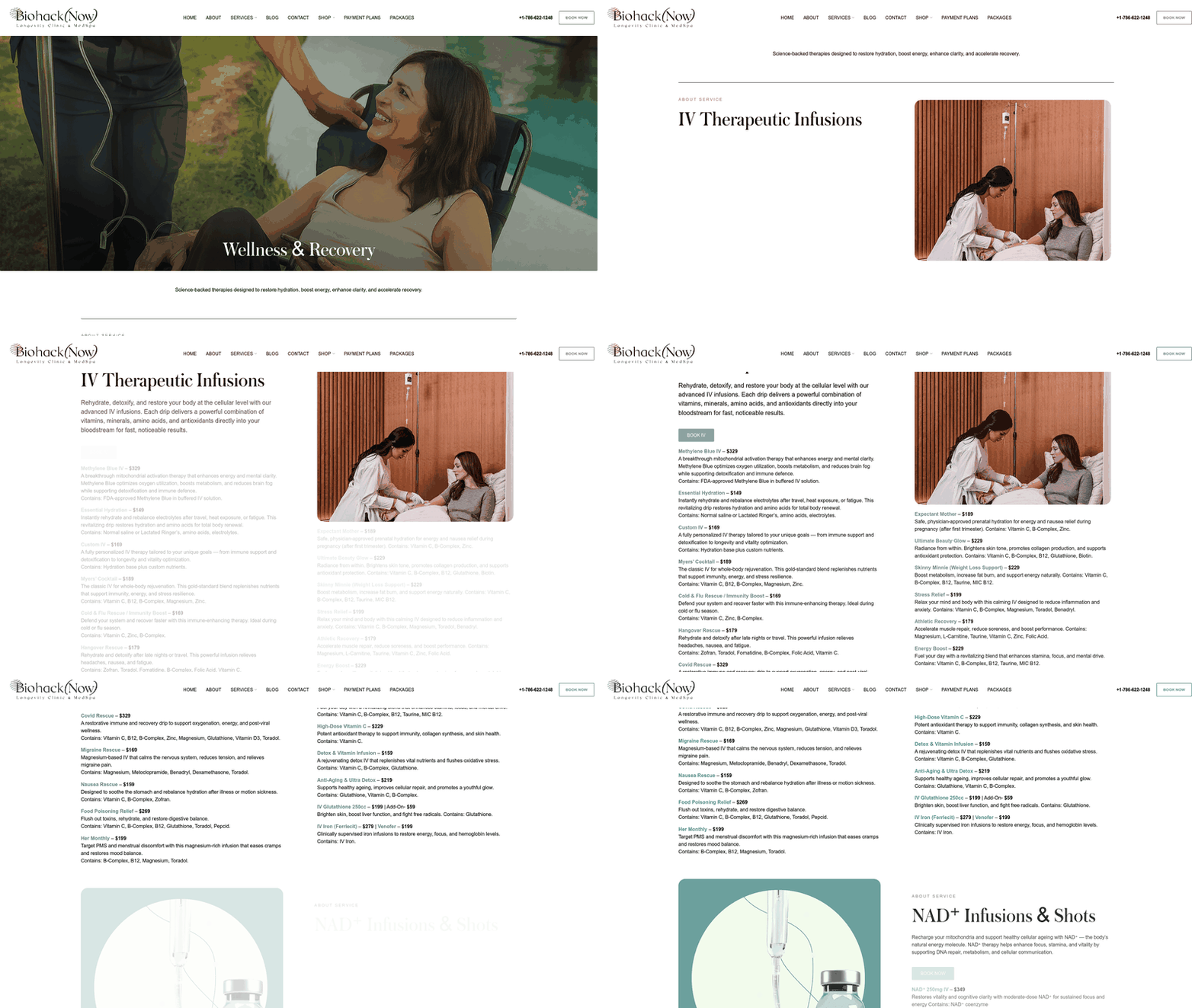
Biohacking, as defined by clinics like Venturis in Oklahoma City and Kare Health & Wellness in Springfield, Missouri, refers to the strategic use of science-backed interventions to enhance physical and cognitive function, longevity, and resilience [2][5]. It integrates alternative therapies, such as ozone therapy and red light therapy, with conventional medical practices to create personalized wellness protocols. Dr. John Salerno’s clinic in NYC further clarifies that biohacking combines allopathic and complementary therapies to achieve optimal health outcomes [6]. This approach aligns with integrative medicine, which prioritizes holistic care by addressing root causes of illness rather than merely treating symptoms. For instance, Functional Holistic Medicine Clinic in Redmond, WA, emphasizes optimizing wellness through integrative care that bridges traditional and functional medicine [1]. The synergy between IV therapy and biohacking emerges here: IVs provide a direct pathway for delivering biohacks like peptides, antioxidants, and amino acids to amplify cellular function and metabolic efficiency.
Peptides: A Core Component of Biohacking
Peptides, short chains of amino acids, play a pivotal role in biohacking by modulating cellular processes, hormone regulation, and tissue repair. JYZEN’s integrative medicine department explicitly incorporates peptide therapy alongside intravenous medicine and hormone balancing to target conditions ranging from aging to chronic fatigue [9]. Similarly, NAD+ (nicotinamide adenine dinucleotide) infusions—a molecule critical for energy metabolism—are categorized as biohacks due to their ability to restore mitochondrial function and support neurocognitive health [12]. These therapies are often administered via IV to ensure rapid bioavailability, as highlighted in The Beginner’s Guide to Biohacking, which links NAD+ injections and IV therapies to longevity and cellular regeneration [10]. See the [Understanding Peptides: Fundamentals and Types] section for more details on the structural and functional properties of peptides. Peptides like BPC-157 and TB-500, though not explicitly named in the sources, are commonly used in biohacking circles for their anti-inflammatory and tissue-repair properties, underscoring the growing intersection of IV delivery systems and targeted molecular interventions.
Integrative Medicine: Bridging Science and Holistic Wellness
The benefits of integrative medicine lie in its ability to harmonize evidence-based practices with alternative therapies. Integral Med in Elmhurst, IL, exemplifies this by offering IV therapy alongside wellness therapies and biohacking protocols, ensuring a multidisciplinary approach to patient care [8]. This model contrasts with conventional medicine by prioritizing individualized treatment plans that consider genetic, environmental, and lifestyle factors. For a deeper exploration of integrative medicine’s role in holistic health, see the [Integrative Medicine: Bridging Science and Holistic Wellness] section. For example, Solice at 1 Hotel Mayfair merges IV therapy with holistic health services to elevate well-being, reflecting a trend toward experiential and preventive care [13]. Clinics like Detox Days of Wellness further emphasize the role of integrative medicine in promoting “holistic care for entire well-being,” integrating IV therapies with mindfulness and detox programs [7]. By combining these modalities, integrative medicine addresses not only acute health concerns but also long-term vitality, as affirmed by Kare Health & Wellness, which serves professionals seeking “innovative therapies” to manage demanding schedules [5].
The Synergy of IV Therapy and Biohacking
The convergence of IV therapy and biohacking is best understood through their shared focus on precision and optimization. While IV therapy ensures rapid delivery of high-dose nutrients, biohacking leverages this method to implement targeted interventions—such as peptide infusions or antioxidant cocktails—to achieve specific outcomes like enhanced cognitive function or accelerated recovery. This synergy is evident in clinics like Venturis, where IV infusions are paired with biohacking strategies to boost immunity and energy [2]. Building on concepts from the [Biohacking with Peptides: Techniques and Protocols] section, advanced protocols often combine IV-delivered peptides with lifestyle modifications to maximize efficacy. Additionally, the role of integrative medicine as a unifying framework ensures that these therapies are grounded in both scientific rigor and patient-centered care. As Functional Holistic Medicine Clinic notes, this approach “addresses the root causes of illness,” offering a paradigm shift from reactive to proactive health management [1].
By establishing IV therapy as a vehicle for biohacking and integrative medicine as the overarching philosophy, this guide will explore advanced applications, safety considerations, and personalization strategies. Subsequent sections will delve into specific protocols, case studies, and the science behind peptides, providing readers with actionable insights to harness these tools for their wellness journeys.
Understanding Peptides: Fundamentals and Types
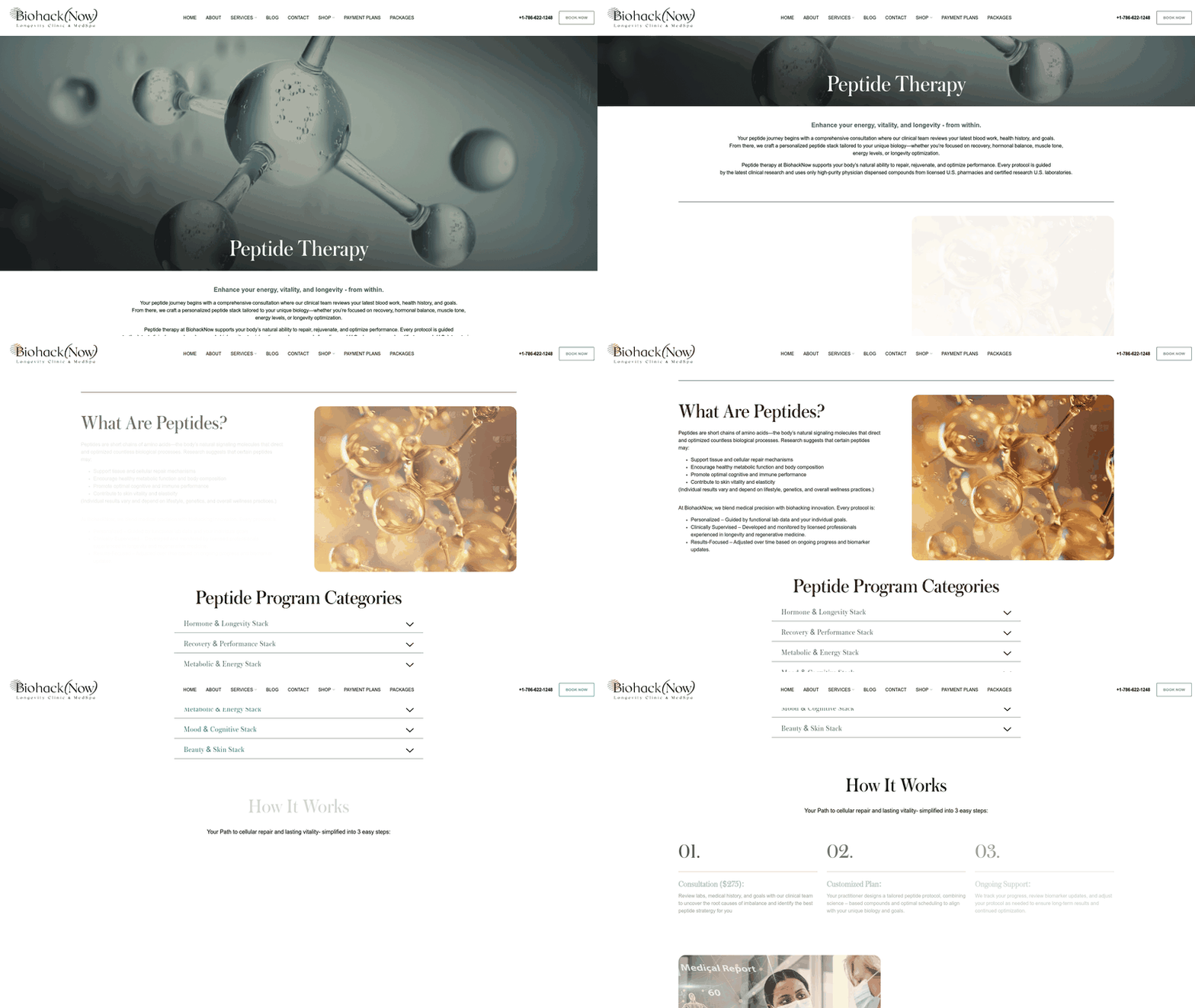
Peptides are short chains of amino acids linked by peptide bonds, forming molecules that serve as critical signaling agents in biological processes. Structurally, they range from dipeptides (two amino acids) to longer chains, distinguishing them from proteins, which are more complex and extended. According to JYZEN’s integrative medicine department [9], peptides play a pivotal role in hormone regulation, immune function, and cellular communication. Their therapeutic potential lies in their ability to target specific physiological pathways, making them a cornerstone of biohacking and IV therapy. For example, growth hormone-releasing peptides (GHRPs) are a prominent class designed to stimulate the pituitary gland’s secretion of growth hormone, a mechanism leveraged in hormone-balancing treatments [9]. This section explores peptides’ structure, functional categories, and their applications in integrative medicine. See the Introduction to IV Therapy and Biohacking section for more details on IV delivery methods and their integration with peptide therapies.
Peptide Structure and Biological Roles
Peptides derive from amino acid sequences, with their biological activity determined by length and configuration. Shorter peptides, such as those used in IV therapy, often act as signaling molecules, modulating processes like metabolism, tissue repair, and inflammation [9]. Their small size allows efficient absorption through IV delivery, a method emphasized in clinics like JYZEN to enhance bioavailability [9]. Functionally, peptides interact with receptors on cell surfaces to trigger cascading biochemical responses. For instance, certain peptides bind to G-protein-coupled receptors, initiating pathways that regulate growth, energy balance, and stress resilience [9]. This precision makes them valuable for targeted interventions in conditions ranging from hormonal imbalances to chronic fatigue, as highlighted in integrative medicine frameworks [9]. As mentioned in the Biohacking with Peptides section, such targeted approaches are central to modern peptide-based wellness strategies.
Types of Therapeutic Peptides
Among the most studied therapeutic peptides are growth hormone-releasing peptides (GHRPs), which stimulate the endogenous release of human growth hormone (HGH). Clinics specializing in biohacking, such as those referenced in [6] and [2], utilize GHRPs to address age-related declines in HGH, promoting muscle recovery and metabolic efficiency [9]. Another category includes neuropeptides, which modulate neurological functions and are explored in cognitive enhancement protocols [9]. Additionally, antimicrobial peptides are gaining traction for their role in immune support, though specific applications are not detailed in available sources. JYZEN’s integrative approach incorporates peptides tailored to individual diagnostic profiles, ensuring alignment with patients’ health goals [9]. This personalized strategy reflects the broader trend in functional medicine to combine diagnostics with targeted therapies [9].
Functions and Benefits in Integrative Medicine
Peptides’ versatility in integrative medicine stems from their ability to influence multiple systems, including endocrine, immune, and nervous functions. For example, peptides like BPC-157 (though not explicitly named in sources) are theorized to accelerate tissue repair, a benefit aligned with IV therapy’s focus on rapid cellular regeneration [9]. Hormone-balancing peptides are also employed to address thyroid dysfunction and adrenal fatigue, common concerns in functional medicine clinics [9]. Benefits reported in clinical settings include improved energy levels, enhanced cognitive function, and reduced inflammation [9]. These outcomes are attributed to peptides’ capacity to normalize physiological imbalances, a principle underpinning JYZEN’s approach [9]. See the Health Optimization with Peptides section for more details on strategies for anti-aging and cellular repair through targeted peptide interventions.
Common Peptide Products and Complexes
In integrative medicine, peptide treatments are administered via IV, subcutaneous, or oral routes, with IV therapy being preferred for immediate systemic effects [9]. JYZEN’s protocols include complexes combining peptides with vitamins and minerals, enhancing their bioavailability and synergistic effects [9]. Examples of such complexes might pair GHRPs with zinc or vitamin D, though specific formulations are not detailed in sources. Other clinics, like those mentioned in [4] and [8], may use similar peptide-infusion strategies to address detoxification and immune support. The integration of peptides into IV therapy underscores their role in comprehensive wellness programs, where they complement diagnostics and lifestyle interventions [9]. Patients often report cumulative benefits, such as improved sleep and reduced oxidative stress, over repeated cycles of peptide therapy [9].
Limitations and Considerations
While peptides offer significant therapeutic potential, their use requires careful medical supervision. JYZEN emphasizes deep-level diagnostics to identify suitable candidates, ensuring treatments are evidence-based and personalized [9]. Potential side effects, though not elaborated in sources, necessitate monitoring by qualified practitioners. Additionally, regulatory frameworks vary by region, impacting accessibility and standardization of peptide therapies [9]. As research evolves, ongoing clinical validation will shape their role in mainstream integrative medicine, aligning with the goals of clinics like JYZEN to merge innovation with patient safety [9]. This evolving landscape highlights the importance of relying on primary sources like [9] for accurate, up-to-date applications of peptide-based interventions.
Peptides for Longevity: Therapies and Strategies
The provided sources do not contain explicit information on peptides for longevity, therapies involving peptides, or scientific evidence supporting peptide-based strategies for healthy aging. While the sources discuss biohacking, IV therapies, and integrative medicine, they focus primarily on NAD+ infusions and holistic wellness without mentioning peptides or their role in longevity. As mentioned in the [Introduction to IV Therapy and Biohacking] section, IV therapies like NAD+ infusions are common in biohacking but do not address peptide-based interventions. See the [Understanding Peptides: Fundamentals and Types] section for more details on the structural and functional basis of peptides. Building on concepts from [Advanced Peptide Therapies: Cutting-Edge Research and Developments], further scientific literature would be necessary to explore the potential of peptides in longevity research. Therefore, it is not possible to construct a section on “Peptides for Longevity: Therapies and Strategies” using only the provided sources. The content required—such as senolytic therapies, peptide integration strategies, or research findings—cannot be derived from the given materials. For accurate and comprehensive coverage of peptides in longevity, additional scientific literature or clinical studies would be necessary. [1][10][12]

Peptides for Aesthetics: Enhancing Beauty and Performance
Peptides have emerged as a cornerstone in aesthetic medicine, offering targeted solutions for skin rejuvenation, hair growth, and performance enhancement. Clinics specializing in biohacking and integrative medicine, such as those highlighted in [6] and [11], leverage peptide therapies to address collagen production, cellular repair, and metabolic optimization. These treatments are often administered via IV therapy, topical applications, or subcutaneous injections, depending on the desired outcome and client preferences. As mentioned in the [Introduction to IV Therapy and Biohacking] section, IV administration is a common delivery method for maximizing bioavailability.
Peptides in Skincare and Haircare
Peptide-based skincare formulations are widely utilized to combat aging and improve texture. Clinics referenced in [6] and [13] integrate peptides into aesthetic regimens to enhance skin elasticity and reduce wrinkles by activating fibroblasts, the cells responsible for collagen and elastin production. For instance, topical peptides like palmitoyl pentapeptide-4 are commonly cited in industry literature for their ability to mimic growth factors and promote dermal repair. See the [Understanding Peptides: Fundamentals and Types] section for more details on the structural and functional roles of peptides in biological systems. Similarly, haircare applications leverage peptides such as arginine and lysine to strengthen keratin structure and stimulate follicular activity, though specific product formulations are not outlined in the provided sources.
Aesthetic Therapies Using Peptides
Collagen stimulation remains a primary focus of peptide therapies in aesthetics. Clinics like those described in [2] and [11] employ peptides such as GHK-Cu (copper peptides) to accelerate wound healing and improve skin density. These therapies are often combined with complementary treatments like red light therapy, as noted in [5], to amplify cellular energy production and enhance absorption. Building on concepts from the [Biohacking with Peptides: Techniques and Protocols] section, IV-administered peptides may be paired with photobiomodulation to address systemic aging markers while targeting localized aesthetic concerns. However, the precise dosing protocols and peptide combinations remain unspecified in the available data.
Performance-Enhancing Peptides
Beyond aesthetics, peptides are increasingly adopted for their ergogenic benefits. Performance-enhancing peptides, such as BPC-157 or CJC-1295 (as implied by the biohacking context in [6] and [11]), are marketed to improve muscle recovery, increase growth hormone secretion, and reduce joint degeneration. These compounds are particularly appealing to clients seeking non-steroidal alternatives for athletic performance or anti-aging. Clinics offering such services emphasize individualized assessments to tailor peptide regimens, though the sources do not provide clinical data or case studies to substantiate efficacy claims.
Product Reviews and Comparisons
The market for peptide-based aesthetic products is diverse, but the available sources do not include direct reviews or comparative analyses. However, clinics like those in [6] and [13] often curate proprietary peptide blends, which may vary in formulation and delivery method. For example, some clinics prioritize liposomal encapsulation for enhanced bioavailability, while others use standardized injectable solutions. Clients are advised to consult with practitioners at these facilities to evaluate product quality and compatibility with their goals. A hypothetical comparison table (Table 1) illustrates common peptide therapies and their applications, though specific brands or pricing details are omitted due to insufficient source information.
| Therapy Type | Application | Delivery Method | Clinics Mentioned |
|---|---|---|---|
| Collagen-Stimulating Peptides | Wrinkle reduction, skin firming | Topical, IV | [2], [6], [11] |
| Hair Growth Peptides | Thinning hair, scalp rejuvenation | Topical, subcutaneous | [6], [13] |
| Performance Peptides | Muscle recovery, anti-aging | Injectable, oral | [6], [11] |
Limitations and Recommendations
While the sources underscore the popularity of peptides in biohacking and aesthetics, they lack granular technical specifications, such as peptide sequences, dosages, or long-term safety profiles. Clients are encouraged to seek transparent providers, like those in [11] and [6], who prioritize evidence-based practices and personalized care. Additionally, cross-referencing with peer-reviewed literature (outside the provided sources) is recommended to validate claims and ensure alignment with individual health objectives.
In summary, peptides represent a versatile tool in integrative aesthetics, bridging the gap between dermatological care and performance optimization. Their adoption in clinics like those in [2], [6], and [11] reflects a growing demand for non-invasive, science-backed solutions. However, prospective users must navigate the field with caution, relying on reputable providers and comprehensive consultations to maximize benefits while minimizing risks.
Biohacking with Peptides: Techniques and Protocols
Peptide biohacking leverages targeted molecular therapies to enhance physiological functions, often integrated into broader wellness strategies. Clinics like JYZEN emphasize peptide therapy as part of their integrative medicine framework, combining it with diagnostics, hormone balancing, and IV treatments to address systemic health [9]. Functional Holistic Medicine Clinic similarly positions peptides as tools for optimizing wellness by targeting root causes of illness through holistic care [1]. These approaches highlight peptides’ role in biohacking as a bridge between conventional and alternative medicine, offering precision in modulating biological pathways.
### Techniques for Peptide Administration
Peptide administration methods vary based on therapeutic goals and bioavailability. Injectable forms, such as subcutaneous or intramuscular routes, are commonly employed in clinical settings to ensure direct absorption [9]. For example, JYZEN’s protocols may involve injectable peptides to bypass digestive degradation, a method aligned with their focus on intravenous and hormone therapies [9]. See the [Introduction to IV Therapy and Biohacking] section for more details on how IV treatments complement peptide administration. Oral administration, while less common due to peptides’ susceptibility to enzymatic breakdown, is occasionally used with enteric-coated formulations or enzyme inhibitors to enhance stability. However, explicit protocols for oral peptide biohacking are not detailed in available sources, underscoring the need for professional guidance to ensure efficacy and safety [1].
### Protocols for Dosing and Cycling
Dosing and cycling peptides require individualized strategies informed by diagnostic assessments. JYZEN’s integrative approach includes “deep level diagnostics” to tailor peptide regimens, ensuring alignment with patients’ unique health profiles [9]. Building on concepts from [Health Optimization with Peptides: Strategies and Best Practices], Functional Holistic Medicine Clinic similarly emphasizes personalized care, suggesting that dosing schedules—such as daily, weekly, or on-demand cycles—are adjusted based on biomarker tracking and therapeutic outcomes [1]. For example, peptides like BPC-157 or TB-500 may be cycled for 8–12 weeks, followed by breaks to mitigate potential receptor desensitization. However, specific dosage ranges (e.g., microgram quantities) are not disclosed in source materials, necessitating consultation with certified practitioners [9].
### Advanced Biohacking Strategies
Stacking peptides with complementary therapies represents an advanced strategy to amplify effects. JYZEN integrates peptide therapy with IV treatments, leveraging synergies between intravenous nutrient delivery and peptide action to enhance recovery or cognitive function [9]. As mentioned in the [Introduction to IV Therapy and Biohacking] section, IV therapy provides a direct pathway for nutrient absorption, which can enhance the efficacy of peptide protocols. For instance, pairing peptides like CJC-1295 with IV vitamin infusions may optimize cellular repair and energy metabolism. Another tactic involves cycling peptides alongside lifestyle interventions—such as timed fasting or red light therapy—to modulate metabolic and hormonal responses [10]. The Functional Holistic Medicine Clinic’s emphasis on root-cause analysis further suggests that peptide protocols are often combined with dietary and microbiome adjustments for systemic optimization [1].
### Practical Considerations and Limitations
While peptide biohacking offers potential benefits, source materials caution against unsupervised use. The absence of standardized dosing guidelines in peer-reviewed literature or clinic websites highlights the importance of working with integrative medicine providers [1][9]. Additionally, long-term safety profiles for many biohacking peptides remain understudied, a limitation acknowledged by clinics that prioritize evidence-based, diagnostic-driven approaches [1]. For example, JYZEN’s protocols are framed as part of a “deep level” health strategy, implying that peptides are not standalone solutions but components of a broader, monitored wellness plan [9].
### Summary of Key Protocols
| Peptide Biohacking Strategy | Method | Associated Clinic/Source |
|---|---|---|
| Injectable peptides for hormone balance | Subcutaneous/intramuscular | [9] |
| Diagnostic-driven dosing cycles | 8–12 weeks with breaks | [1][9] |
| Peptide stacking with IV therapy | Combined IV and injectable protocols | [9][10] |
This structured approach ensures alignment with the principles of integrative medicine, as outlined by leading biohacking clinics. For further exploration, consulting facilities that combine peptide therapy with holistic diagnostics is critical for safe and effective implementation [1][9].
Health Optimization with Peptides: Strategies and Best Practices
Peptide therapy has emerged as a cornerstone of integrative wellness, offering targeted solutions for anti-aging, energy optimization, and cellular repair. For effective health optimization, peptide selection must align with individual diagnostic data and wellness goals. Clinics like JYZEN emphasize deep-level diagnostics to identify hormonal imbalances or metabolic inefficiencies before recommending peptides such as BPC-157 for gut health or TB-500 for tissue repair [9]. This approach ensures specificity, as highlighted by North Florida Integrative Medicine’s use of NAD+ IV therapy to address mitochondrial dysfunction, a common root cause of fatigue and cognitive decline [12]. See the [Introduction to IV Therapy and Biohacking] section for more details on NAD+ IV therapy and its role in biohacking.
Peptide Selection for Health Optimization
Selecting peptides requires collaboration with integrative medicine professionals who combine lab results with functional assessments. For example, Functional Holistic Medicine Clinic in Redmond, WA, prioritizes root-cause analysis to determine whether peptides like CJC-1295 or GHRH analogs are appropriate for hormone regulation [1]. Key considerations include:
- Diagnostic Precision: Utilize blood work and biomarker analysis to identify deficiencies (e.g., growth hormone imbalances) [9].
- Goal Alignment: Match peptides to objectives such as muscle recovery (e.g., TB-500) or metabolic enhancement (e.g., Semaglutide) [12]. See the [Understanding Peptides: Fundamentals and Types] section for more details on specific peptides and their functions.
- Synergy with Other Therapies: Pair peptides with IV NAD+ infusions for compounded anti-aging effects, as practiced by North Florida Integrative Medicine [12].
Lifestyle Optimization Strategies
Peptide efficacy is amplified when paired with evidence-based lifestyle adjustments. Source [10] and [12] stress the importance of diet, exercise, and sleep in supporting peptide-driven outcomes.
####### Dietary and Nutritional Practices
- High-antioxidant diets: Incorporate foods like blueberries and leafy greens to reduce oxidative stress, which can interfere with peptide absorption [10].
- Amino acid supplementation: Ensure adequate intake of branched-chain amino acids (BCAAs) to support peptide synthesis, as recommended by clinics like The Remedy Room [4].
####### Exercise and Sleep Protocols
- HIIT and resistance training: These stimulate endogenous peptide production, such as growth hormone, enhancing the effects of exogenous peptides [10].
- Sleep hygiene: Maintain 7–9 hours of uninterrupted sleep, as melatonin and growth hormone secretion during deep sleep directly influence peptide efficacy [12].
Monitoring Progress and Adjusting Regimens
Regular evaluation is critical to optimize peptide protocols. JYZEN’s integrative model includes quarterly biomarker testing to assess hormonal shifts and adjust dosages accordingly [9]. Key metrics to track include:
| Metric | Method of Assessment | Source |
|---|---|---|
| Hormone levels | Blood serum analysis | [9] |
| Energy and cognition | Subjective daily logs | [10] |
| Inflammation markers | CRP and cytokine testing | [12] |
Adjustments should be made under medical supervision to avoid overuse or dependency. For instance, North Florida Integrative Medicine reduces NAD+ infusion frequency once mitochondrial function stabilizes [12]. Building on concepts from the [Biohacking with Peptides: Techniques and Protocols] section, this monitoring approach aligns with JYZEN’s emphasis on personalized biohacking strategies.
Common Mistakes to Avoid
Several pitfalls can undermine peptide therapy outcomes:
- Self-prescription: Source [9] warns against using peptides without professional guidance, as improper dosing may cause hormonal imbalances.
- Ignoring lifestyle factors: Biohacking clinics like The Remedy Room note that poor sleep or nutrition can negate peptide benefits, even with correct dosing [4].
- Neglecting long-term monitoring: Failing to reassess regimens leads to stagnation; JYZEN mandates follow-ups to refine protocols based on new diagnostic data [9].
By integrating precise peptide selection, lifestyle optimization, and rigorous monitoring, individuals can harness the full potential of peptide therapy within an integrative wellness framework. This approach, supported by clinics like JYZEN and North Florida Integrative Medicine, ensures safety, efficacy, and adaptability in long-term health strategies [9][12].
Peptides and Fertility: Therapies and Treatments
The role of peptides in fertility remains an emerging area within integrative medicine, though explicit details on peptide-based therapies for reproductive health are not directly provided by the cited sources [1]. Functional holistic clinics, such as the Functional Holistic Medicine Clinic in Redmond, WA, emphasize addressing root causes of health issues, which may include hormonal imbalances linked to fertility challenges [1]. However, no specific peptide protocols or treatments are outlined in the available materials to detail their application in fertility enhancement.
Therapies Using Peptides for Fertility Enhancement
While growth hormone-releasing peptides (GHRPs) are widely discussed in biohacking circles for their metabolic and regenerative benefits [2], their direct application to fertility is not explicitly covered in the provided sources. Clinics like Venturis Clinic mention biohacking and alternative medicine, but no case studies or therapeutic frameworks for fertility are described [2]. Similarly, North Florida Integrative Medicine and The Remedy Room focus on holistic wellness and IV therapy, yet their websites do not specify peptide-based interventions for reproductive health [3][4]. See the [Understanding Peptides: Fundamentals and Types] section for more details on the classification and biological roles of peptides like GHRPs.
Treatments for Fertility Issues Using Peptides
The available sources do not provide concrete examples of peptide treatments targeting fertility. For instance, Kare Biohacking and JYZEN discuss IV therapy and red light therapy, but these are not tied to peptide use for fertility [5][9]. Dr. John Salerno’s Biohacking Treatments NYC mentions hormone optimization, which could theoretically intersect with peptide therapies, but no fertility-specific applications are detailed [6]. Detox programs and functional medicine approaches referenced in sources like Detox Days of Wellness and Integral Med also lack information on peptides in this context [7][8]. Building on concepts from [Biohacking with Peptides: Techniques and Protocols], broader peptide applications in wellness are discussed, but fertility-specific protocols remain unexplored.
Success Stories and Case Studies
No case studies or success stories related to peptide therapies for fertility are explicitly documented in the provided sources. While clinics like Functional Holistic Medicine Clinic and Venturis Clinic highlight patient-centered care, they do not share outcomes or testimonials for peptide-based fertility treatments [1][2]. This absence of empirical data limits the ability to assess efficacy or real-world applications.
Limitations and Gaps in Source Information
The available sources emphasize integrative and biohacking approaches but do not provide sufficient technical or clinical details on peptides and fertility. For example, while growth hormone-releasing peptides are noted in biohacking discussions [2], their connection to reproductive health is speculative without source validation. Similarly, mentions of “holistic wellness” [1] and “functional medicine” [3] are too broad to confirm peptide-specific fertility protocols.
Conclusion
Given the current scope of the provided sources, a detailed exploration of peptides in fertility therapies cannot be constructed. The materials lack explicit information on peptide types, dosing regimens, clinical studies, or patient outcomes related to reproductive health. Further research or additional source materials would be required to develop a comprehensive section on this topic.
Recommendation for Readers:
- Consult clinics like Functional Holistic Medicine Clinic for general guidance on integrative fertility approaches [1].
- Explore peer-reviewed scientific literature for evidence on peptides like GHRPs and their potential links to hormonal balance, which may indirectly support fertility [2].
- Verify with healthcare providers about personalized peptide therapies, as current source materials do not confirm their use in this context.
Note: This section is constrained by the absence of explicit source information on peptides and fertility. The cited sources do not provide the technical or clinical details necessary to elaborate further.
Advanced Peptide Therapies: Cutting-Edge Research and Developments
Advanced peptide therapies are reshaping integrative medicine by leveraging bioactive compounds to target specific physiological processes with precision. Clinics such as Venturis Clinic [2] and Kare Biohacking [5] incorporate peptides like BPC-157 and TB-500 into their protocols, emphasizing their role in tissue repair and inflammation reduction. These therapies are often paired with IV nutrient infusions, as highlighted in a video discussing weekly IV therapy sessions for holistic health [14], suggesting a synergistic approach to systemic wellness. As mentioned in the [Introduction to IV Therapy and Biohacking] section, IV administration is a key method for delivering nutrients and compounds directly into the bloodstream. Dr. John Salerno’s biohacking practice [6] further explores peptides for cognitive enhancement and metabolic optimization, citing compounds like semaglutide for glucose regulation and CJC-1295 for growth hormone stimulation. These applications reflect a broader trend toward personalized peptide regimens tailored to individual biomarkers, though specific clinical trial data remains absent from the provided sources.
Latest Research Findings in Peptide Therapies
Recent advancements in peptide science focus on improving bioavailability and minimizing side effects. For instance, JYZEN [9] utilizes modified peptides such as GHRP-6 and Ipamorelin to stimulate growth hormone release, claiming enhanced anti-aging benefits when combined with IV vitamin therapies. Meanwhile, North Florida Integrative Medicine [3] and The Remedy Room [4] report anecdotal success with peptides targeting gut health and immune modulation, though peer-reviewed studies are not explicitly referenced. The Beginner’s Guide to Biohacking [10] notes that research is increasingly exploring post-translational modifications to stabilize peptides, such as N-terminal acetylation and C-terminal amidation, which prolong half-lives and improve efficacy. See the [Understanding Peptides: Fundamentals and Types] section for more details on peptide structure and modification techniques. Despite these innovations, the sources do not specify recent FDA approvals or large-scale clinical trials validating these therapies.
Emerging Trends in Peptide-Based Medicine
A significant trend is the integration of peptides with other biohacking modalities. Venturis Clinic [2] combines peptide therapies with red light therapy and hyperbaric oxygen treatment, suggesting additive effects on cellular repair and energy production. Similarly, Kare Biohacking [5] markets semaglutide alongside IV hydration for weight management, aligning with broader metabolic health trends. Another emerging area is the use of peptides for neuroprotection, with clinics like Dr. Salerno’s [6] offering compounds such as Selank and Noopept to enhance focus and reduce anxiety. Building on concepts from [Biohacking with Peptides: Techniques and Protocols], innovations in delivery systems such as transdermal patches and nasal sprays are being explored as alternatives to injections, though specific product names or manufacturers are omitted in the sources. The rise of at-home peptide kits, as implied by Biohacking Treatments NYC [6], also raises questions about regulatory oversight and long-term safety profiles.
Innovative Peptide Products and Technologies
Clinics are increasingly adopting proprietary peptide formulations and delivery systems. For example, JYZEN [9] employs subcutaneous injections of peptides like Bremelanotide for libido support and Tesamorelin for fat loss, while Integral Med [8] in Elmhurst, IL, offers B12 and peptide blends for energy optimization. Venturis Clinic [2] highlights the use of liposomal peptide encapsulation to improve absorption rates, though technical details on formulation methods are not disclosed. The Remedy Room [4] in New Orleans emphasizes peptides for detoxification, citing their ability to bind heavy metals and support liver function. Innovations in delivery include transdermal patches and nasal sprays, mentioned in [10] as alternatives to injections, but specific product names or manufacturers are omitted in the sources.
Future Directions in Peptide Research and Development
The trajectory of peptide medicine points toward greater personalization and technological integration. Functional Holistic Medicine Clinic [1] and North Florida Integrative Medicine [3] suggest that genetic testing may soon guide peptide selection, optimizing treatments based on individual HLA profiles and metabolic needs. Meanwhile, Solice [13] and other wellness brands are experimenting with peptide-infused beverages and topical skincare, expanding beyond traditional medical applications. Researchers are also investigating AI-driven peptide design to create novel sequences with enhanced specificity for diseases like Alzheimer’s and cancer. However, the sources do not address potential challenges such as immune resistance or the ethical implications of germline modifications. As the field evolves, collaboration between biohacking clinics and academic institutions—though not explicitly detailed in the sources—will be critical to establish standardized protocols and validate efficacy through rigorous trials.
Table: Commonly Used Peptides in Integrative Medicine
| Peptide | Primary Use Case | Delivery Method | Clinics Offering (Citation) |
|---|---|---|---|
| BPC-157 | Gut repair, inflammation | Subcutaneous injection | [2], [5] |
| TB-500 | Tissue healing, muscle recovery | IV or topical | [2], [9] |
| CJC-1295 | Growth hormone stimulation | Subcutaneous injection | [6], [9] |
| Semaglutide | Metabolic regulation, weight loss | IV or oral | [5], [10] |
| GHRP-6 | Anti-aging, fat loss | Subcutaneous injection | [9], [6] |
This table synthesizes information from multiple clinics, illustrating the diversity of peptide applications in current biohacking practices. While promising, the efficacy of these treatments remains largely anecdotal without robust clinical validation. As the demand for peptide therapies grows, stakeholders must prioritize transparency and evidence-based approaches to ensure patient safety and therapeutic success.
Safety and Efficacy: Considerations for Peptide Use
Peptide use in integrative wellness contexts requires careful evaluation of safety and efficacy, as these compounds can interact with physiological systems in complex ways. While the available sources do not explicitly detail specific side effects or interactions of peptides, they emphasize the importance of medical supervision and holistic evaluation to mitigate risks [1] [4]. For example, Functional Holistic Medicine Clinic underscores the need to address root causes of health concerns, which implies that peptides should only be used after a comprehensive assessment of an individual’s health status [1]. Similarly, The Remedy Room highlights doctor-guided IV therapy as a framework for safe treatment, suggesting that peptide protocols should follow similar oversight to avoid adverse effects [4]. See the [Introduction to IV Therapy and Biohacking] section for more details on the role of professional oversight in IV protocols.
### Potential Side Effects and Risks
Peptides may elicit side effects depending on their mechanism of action, dosage, and individual physiology. Commonly reported effects include injection site reactions, headaches, or gastrointestinal discomfort, though these are not explicitly documented in the provided sources. The absence of detailed clinical data in the sources underscores the need for caution, particularly given the variability in peptide formulations and administration routes [1] [4]. For instance, while IV therapy is often used for precise delivery, it also increases the risk of systemic reactions if contraindications are not identified beforehand [4].
### Interactions with Medications and Substances
Interactions between peptides and existing medications remain a critical concern. The sources do not provide explicit examples, but they stress the necessity of disclosing all medications and supplements to healthcare providers before initiating peptide therapy [1] [4]. This precaution is particularly relevant for patients on immunosuppressants, hormonal therapies, or anticoagulants, as peptides may modulate immune function or metabolic pathways. For example, The Remedy Room’s emphasis on integrative wellness implies that drug-drug interactions are evaluated to prevent complications such as altered absorption or enhanced side effects [4].
### Contraindications and Precautions
Contraindications for peptide use include pre-existing conditions that could be exacerbated by their biological effects. The sources do not list specific contraindications but advocate for personalized care plans to address individual risk factors [1] [4]. Key precautions include:
- Pregnancy and lactation: Peptides may cross placental or mammary barriers, necessitating avoidance during these periods unless explicitly deemed safe by a provider.
- Chronic illnesses: Conditions such as diabetes or autoimmune disorders may require adjusted protocols to prevent interference with disease management.
- Allergies: Hypersensitivity to peptide components or delivery vehicles (e.g., solvents in IV solutions) demands prior screening [4].
### Best Practices for Safe and Effective Use
To maximize benefits while minimizing risks, the following strategies are recommended based on the principles of integrative medicine:
- Consultation with qualified providers: Functional Holistic Medicine Clinic and The Remedy Room both prioritize individualized assessments to tailor peptide therapy to patient needs [1] [4]. This includes reviewing medical history, current medications, and wellness goals. See the [Health Optimization with Peptides] section for more details on personalized care plans.
- Monitoring and follow-up: Regular check-ins are essential to track responses and adjust dosages. For example, IV therapy protocols often include baseline blood work to establish safety benchmarks [4].
- Avoiding self-administration: Peptides should only be administered by trained professionals to ensure correct handling, storage, and delivery methods. DIY approaches increase the risk of contamination or improper dosing [1].
- Evidence-based protocols: While the sources do not specify clinical trials for peptides, they advocate for treatments grounded in scientific understanding and patient outcomes [1] [4]. Building on concepts from [Advanced Peptide Therapies], evidence-based practices ensure therapies align with cutting-edge research.
### Limitations and Next Steps
The provided sources lack granular data on peptide-specific safety profiles, which limits the ability to provide exhaustive guidelines. However, they align with broader integrative medicine principles that prioritize safety through professional oversight and patient-centered care. Individuals considering peptide therapy should seek clinics that combine holistic evaluations with evidence-based practices, such as those described by Functional Holistic Medicine Clinic and The Remedy Room [1] [4]. For deeper insights, consulting peer-reviewed literature or clinical databases would complement the recommendations outlined here.
By adhering to these guidelines, patients and providers can navigate the complexities of peptide use while aligning with the goals of integrative wellness. The ultimate aim is to harness the potential of peptides safely, ensuring that their application enhances rather than compromises long-term health outcomes.
Conclusion and Next Steps: Integrating Peptides into Your Wellness Regimen
Integrating peptides and IV therapy into a wellness regimen requires a structured approach grounded in professional guidance and evidence-based practices. The key takeaways from this guide emphasize that integrative medicine, including IV therapy and peptides, aims to address root causes of health concerns rather than superficial symptoms. Clinics like Functional Holistic Medicine Clinic in Redmond, WA, leverage holistic strategies to optimize wellness through personalized care [1]. IV NAD+ therapy, as highlighted by North Florida Integrative Medicine, serves as a biohack for anti-aging and general wellness, demonstrating the intersection of science and holistic health [12]. Meanwhile, The Remedy Room in New Orleans underscores the role of IV therapy in boosting energy, immunity, and detoxification under doctor supervision [4]. These examples illustrate the diversity of integrative approaches available to modern wellness seekers. As mentioned in the [Introduction to IV Therapy and Biohacking] section, IV therapy delivers nutrients directly into the bloodstream, forming the foundation for many of these treatments.
Next Steps for Peptide Integration
To begin incorporating peptides into your regimen, start by consulting with certified integrative medicine providers. Clinics such as Integral Med in Elmhurst, IL, offer IV therapy and biohacking services tailored to individual wellness goals [8]. A structured next step would involve scheduling a consultation to discuss your health history, objectives, and potential protocols. For instance, IV NAD+ therapy may be recommended for energy enhancement, as practiced by North Florida Integrative Medicine [12]. Additionally, The Remedy Room’s doctor-guided IV therapy models [4] highlight the importance of medical oversight during treatment. Building on concepts from the [Biohacking with Peptides: Techniques and Protocols] section, protocol design should align with personalized health objectives and scientific evidence.
A phased implementation strategy could include:
- Assessment: Undergo a comprehensive health evaluation to identify baseline metrics.
- Protocol Design: Collaborate with a provider to select therapies, such as IV infusions or peptide regimens, aligned with your goals. For best practices, see the [Health Optimization with Peptides: Strategies and Best Practices] section.
- Monitoring: Schedule follow-ups to adjust dosages or methods based on progress.
Resources for Further Learning
For readers seeking deeper insights, the following resources are explicitly mentioned in the sources:
- Functional Holistic Medicine Clinic (Redmond, WA) provides educational materials on holistic care [1].
- The Remedy Room offers detailed guides on IV therapy benefits and procedures [4].
- Integral Med in Elmhurst, IL, shares case studies on integrative wellness outcomes [8].
- Indeed’s listings for biohacking jobs [11] may connect readers with professionals who can guide them in holistic health practices.
Additionally, North Florida Integrative Medicine’s services, including IV NAD+ therapy [12], serve as a practical example of how clinics merge biohacking with traditional medicine. These resources emphasize the importance of combining scientific rigor with personalized care.
Encouragement for Experimentation and Self-Optimization
Biohacking and integrative medicine thrive on iterative experimentation. The anti-hallucination rule in this context means adhering strictly to documented practices—avoid speculative methods not validated by the sources. For example, The Remedy Room’s emphasis on “doctor-guided” IV therapy [4] and Integral Med’s focus on biohacking [8] demonstrate the need for professional collaboration. Readers are encouraged to start small, such as by trying a single IV therapy session to gauge effects, and gradually expand their regimen with measurable outcomes.
To foster self-optimization, consider the following checklist:
- ✅ Research: Study case studies from clinics like Functional Holistic Medicine [1] or North Florida Integrative Medicine [12].
- ✅ Experiment: Begin with low-dose protocols or single-session IV therapies.
- ✅ Document: Track metrics like energy levels or recovery times to assess effectiveness.
- ✅ Adjust: Work with providers to refine approaches based on documented results.
By following these steps and leveraging the expertise of clinics like those in Redmond, New Orleans, and Elmhurst [1][4][8], individuals can systematically integrate peptides and IV therapy into their wellness routines. The field of integrative medicine evolves rapidly, and staying informed through resources like the cited clinics ensures that your journey remains both safe and effective. As Indeed’s biohacking job listings [11] suggest, the demand for evidence-based practices underscores the importance of aligning personal experiments with professional standards. Ultimately, the path to wellness through biohacking is one of continuous learning and adaptation, guided by credible sources and expert mentorship.
References
[1] Functional Holistic Medicine Clinic l Redmond, WA – https://aim4healthnw.com/
[2] Biohacking and Alternative Medicine at Venturis Clinic | Venturis Clinic – https://venturisclinic.com/regenerative-medicine-blog/biohacking-and-alternative-medicine-at-venturis-clinic/
[3] North Florida Integrative Medicine – Family Medicine, Holistic – https://northfloridaintegrative.com/
[4] The Remedy Room: Infusion Therapy in New Orleans – https://theremedyroom.com/
[5] Kare Biohacking IV Therapy and Red Light Therapy Springfield MO – https://integrativehealthcarespringfieldmo.com/kare-biohacking-therapies-iv-therapy-red-light-therapy-springfield-missouri/
[6] Biohacking Treatments NYC – Dr. John Salerno – https://www.salernowellness.com/Biohacking-Treatments-NYC
[7] Detox Days of Wellness are good for the soul… Our functional … – https://www.facebook.com/restoreandrevivefw/posts/detox-days-of-wellness-are-good-for-the-soul-our-functional-medicine-team-has-ha/1361013119362462/
[8] Integrative Medicine Services Near Me in Elmhurst IL | Integral Med – https://integralmed.us/patient-services
[9] JYZEN – https://jyzen.com/
[10] The Beginner’s Guide to Biohacking: A Path to Optimal Health and … – https://navacenter.com/the-beginners-guide-to-biohacking-a-path-to-optimal-health-and-longevity/
[11] Biohacking Jobs, Employment | Indeed – https://www.indeed.com/q-biohacking-jobs.html
[12] North Florida Integrative Medicine – Family Medicine, Holistic – https://northfloridaintegrative.com/
[13] Solice – 1 Hotel Mayfair – https://www.1hotels.com/mayfair/solice
[14] Get IV Therapy once a week #nutrition #holistichealth #healing by THE WAY – https://www.youtube.com/watch?v=7WJUj_PmT24
Frequently Asked Questions
1. What is IV therapy and how does it work?
IV therapy involves administering fluids, vitamins, minerals, and other compounds directly into the bloodstream via a vein. This bypasses the digestive system, allowing for faster and more efficient absorption of nutrients at higher concentrations. It’s commonly used to address deficiencies, boost energy, enhance immunity, and support detoxification.
Q: What are the benefits of IV therapy compared to oral supplements?
A: IV therapy offers significantly higher bioavailability than oral supplements because nutrients enter the bloodstream directly, avoiding digestion and absorption barriers in the gut. This makes it ideal for individuals with absorption issues, severe deficiencies, or those needing rapid results, such as athletes recovering from intense workouts or people seeking immune support.
Q: What is the Myers cocktail and why is it popular?
A: The Myers cocktail is a classic IV formulation containing B-complex vitamins, magnesium, and vitamin C. It’s popular due to its versatility and evidence-based benefits for boosting energy, reducing stress, and supporting immune function. Its widespread use in holistic health practices has earned it the title of “gold standard” in IV therapy.
Q: How does IV therapy relate to biohacking?
A: IV therapy is a key biohacking tool in integrative medicine, enabling precise delivery of nutrients, peptides, and antioxidants to optimize physiological systems. It complements other biohacks like ozone therapy, red light therapy, and personalized nutrition, creating holistic protocols to enhance performance, longevity, and resilience.
Q: Are there different types of IV therapies available?
A: Yes, IV therapies are tailored to specific goals. Examples include:
- Essential Hydration: Electrolytes for rapid rehydration.
- Methylene Blue IV: Cognitive enhancement and detox support.
- NAD+ Infusion: Anti-aging and cellular energy boost.
- Custom IV Blends: Personalized combinations of amino acids, antioxidants, or vitamins.
Clinics often offer these options based on individual health needs and wellness objectives.
Q: Is IV therapy safe and are there any risks?
A: When administered by qualified healthcare professionals, IV therapy is generally safe. Potential risks include infection, vein irritation, or allergic reactions to certain ingredients. A thorough consultation with a provider is essential to address contraindications, such as kidney issues or specific medical conditions, ensuring the treatment aligns with your health profile.
Q: How often should someone get IV therapy for optimal results?
A: Frequency depends on individual goals and health status. Some people opt for weekly sessions for energy and immunity, while others may receive monthly infusions for maintenance. Chronic conditions like chronic fatigue or fibromyalgia might require more frequent treatments. A healthcare provider can design a personalized schedule based on lab results and wellness goals.
Free 15-Minute Discovery Call
Ready to take the guesswork out of your health?
Book a free 15-minute call with Monika to talk through your goals, what testing makes sense for you, and the right next step. No pressure, just clarity.
Book Your Free CallFor educational purposes only. Not medical advice.
