
Related Video
Watch: Top 5 Peptides for Longevity – Medical Doctor’s Evidence-Based Ranking by Quinn Stillson MD
Why Longevity Peptides Matter
The global peptide therapeutics market growth from $43.1 billion in 2023 to $106 billion by 2033 underscores the urgency of understanding the scientific mechanisms discussed in the The Science Behind Longevity Peptides section, where compounds like OS-01 and Humanin demonstrate measurable anti-aging effects.
In the Real-World Benefits section, peptides such as BPC-157 and Thymosin Beta-4 for athletic recovery align with broader applications covered in the Implementing Longevity Peptides into Daily Life section, which details practical integration of these therapies into health routines.
The BiohackNow’s Approach to Peptides Therapy section further elaborates on how personalized protocols, such as those involving AMPK activators or NAD+ boosters, translate the clinical insights from the Types of Longevity Peptides section into actionable treatments for clients seeking optimized healthspan.
The Science Behind Longevity Peptides
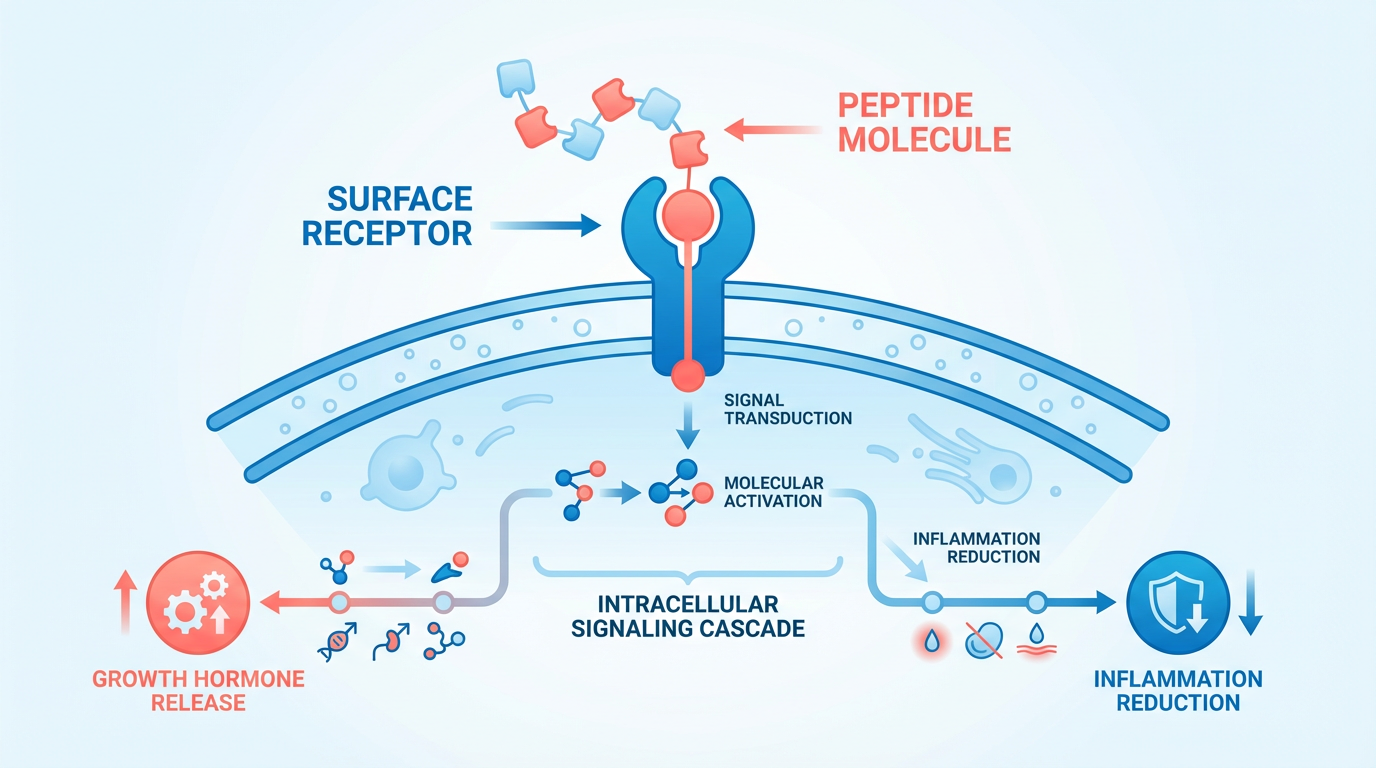
Longevity peptides are short chains of amino acids that act as signaling molecules, modulating cellular pathways to influence aging processes. These peptides interact with receptors on cell surfaces to trigger specific biological responses, such as boosting growth hormone release or reducing inflammation. Their effectiveness stems from their ability to mimic or enhance natural regulatory mechanisms, making them a focal point in anti-aging research. For example, growth hormone-releasing peptides (GHRPs) bind to the growth hormone secretagogue receptor (GHSR), stimulating the pituitary gland to release growth hormone, which declines with age. Melanocortin peptides, on the other hand, target melanocortin receptors (MC1R) to regulate metabolism and reduce inflammation, offering dual benefits for cellular health. As mentioned in the Types of Longevity Peptides section, these molecules are categorized by their target pathways and therapeutic applications.
Mechanisms of Action: Receptors and Pathways
Peptides exert their effects by binding to specific receptors, initiating cascades of intracellular signals. Take Humanin, a mitochondrial-derived peptide studied in Nature (2018), which protects neurons by blocking amyloid-beta toxicity and reducing reactive oxygen species (ROS). In mice, Humanin analogs improved cognitive performance and reduced microglial activation-a key driver of neuroinflammation. Similarly, melanocortin peptides like Melanotan II activate MC1R to suppress inflammatory cytokines such as IL-6 and TNF-α, directly addressing chronic inflammation linked to aging. These interactions often involve pathways like AMPK/SIRT1, which regulate energy metabolism and stress resistance, as highlighted in the AagingBase database of 282 validated anti-aging peptides.
Role in Age-Related Processes
Aging is marked by oxidative stress, inflammation, and mitochondrial dysfunction, all of which longevity peptides target. For instance, copper-GHK (GHK-Cu), a naturally occurring peptide, stimulates collagen synthesis and wound healing by modulating metal ion homeostasis. Synthetic peptides like Argireline mimic botulinum toxin’s action to relax facial muscles, addressing visible signs of aging. As mentioned in the Types of Longevity Peptides section, these peptides are designed to address both systemic and localized age-related changes. The AagingBase study reveals that peptides enriched with proline and tryptophan (e.g., the motif WTWKGK) are particularly effective at combating oxidative damage. Meanwhile, MOTS-c, another mitochondrial peptide, enhances mitochondrial biogenesis, improving cellular energy efficiency-a critical factor in age-related decline.
Current Research and Applications
The field is advancing rapidly, with databases like AagingBase providing structural and functional insights into 282 peptides, including 136 synthetic variants. Researchers are using this data to identify motifs and amino acid patterns that enhance stability and efficacy. For example, peptides with low molecular weights (<25 amino acids) are easier to formulate and penetrate biological barriers, making them ideal for therapies targeting the brain or skin. Clinical applications are expanding: nasal sprays and oral formulations of peptides like NAD+ and glutathione are already in development, as seen in partnerships like Wisp and Vesalius Longevity Labs. As outlined in the Implementing Longevity Peptides into Daily Life section, these formulations are being integrated into daily routines for accessibility. However, most therapies remain in pre-clinical stages, with in vivo validation lagging behind in vitro studies.
Risks and Considerations
While promising, peptide therapy carries risks. Overstimulation of receptors can lead to unintended effects, such as excessive growth hormone secretion causing joint pain or insulin resistance. The AgingBase database notes that 35% of listed peptides lack in vivo validation, emphasizing the need for caution. Additionally, bioavailability and degradation rates vary-some peptides require injectable formulations to remain active. BiohackNow Longevity Clinic & MedSpa addresses these challenges by tailoring peptide regimens to individual biochemistry, ensuring safety and efficacy. This aligns with the BiohackNow’s Approach to Peptides Therapy section, which emphasizes personalized care and medical expertise. As research progresses, balancing innovation with rigorous safety testing will be critical to enable longevity peptides’ full potential.
Types of Longevity Peptides
Longevity peptides are a diverse class of molecules designed to target aging at the cellular and systemic levels. By modulating biological pathways, these peptides aim to enhance muscle growth, skin health, immune function, and cognitive resilience. Below is a breakdown of the major categories, supported by research and real-world applications from leading providers in the field..
Growth Hormone-Releasing Peptides (GHRPs)
GHRPs stimulate the release of growth hormone (GH) and insulin-like growth factor 1 (IGF-1), which are critical for muscle repair, fat metabolism, and tissue regeneration. These peptides are popular among athletes and individuals seeking to combat age-related muscle loss.
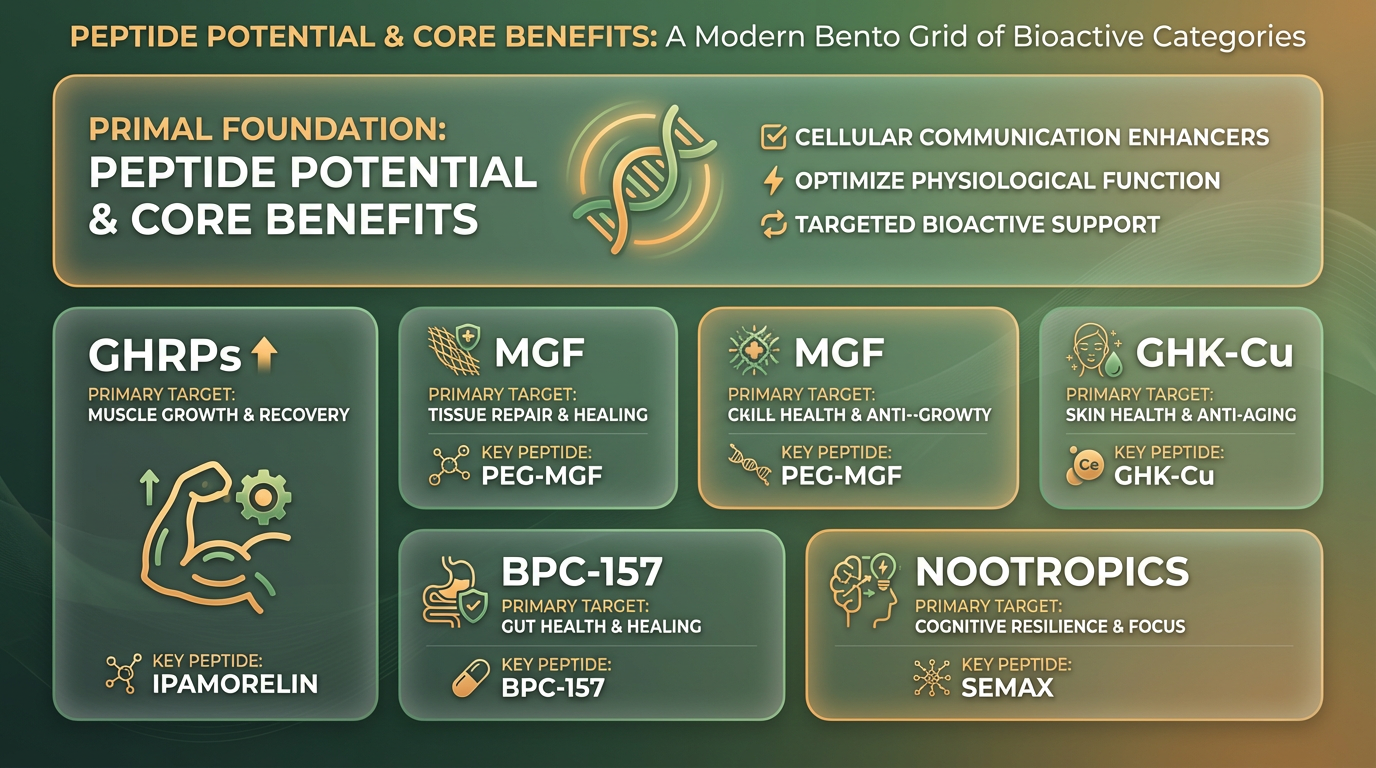
- Mechanism: GHRPs bind to the growth hormone secretagogue receptor (GHSR), triggering the pituitary gland to release GH. This process enhances protein synthesis and cellular repair.
- Top Examples:
- MK-677 (Ibutamoren): A synthetic GHRP that increases GH levels and improves sleep quality, often used for recovery and lean body mass preservation.
- Sermorelin: A growth hormone-releasing hormone (GHRH) analog that stimulates natural GH production without synthetic GH’s risks.
- Applications: BiohackNow Longevity Clinic & MedSpa integrates GHRPs into anti-aging protocols, tailoring doses to individual metabolic needs. For instance, postmenopausal women may benefit from Sermorelin to counteract GH decline associated with aging, as outlined in the BiohackNow’s Approach to Peptides Therapy section..
Melanocortin Peptides for Skin Health and Pigmentation
Melanocortin peptides regulate melanin production, skin barrier function, and UV protection. They also play a role in reducing inflammation and promoting wound healing.
- Key Players:
- Melanotan I/II: Originally developed for tanning, these peptides also show promise in treating skin conditions like vitiligo.
- Copper Peptides (e.g., Cu-GHK): Stimulate collagen synthesis and repair sun-damaged skin. Found in cosmeceuticals and peptide-based skincare treatments.
- Research Insights: The AagingBase database highlights WTWKGK and ALSSRLRF as motifs in anti-aging peptides, often enriched with tryptophan and proline for stability. These sequences are use in formulations targeting wrinkles and photoaging, as discussed in the Why Longevity Peptides Matter section..
Peptides for Immune System Support
Aging weakens immune surveillance, increasing susceptibility to infections and chronic diseases. Peptides that modulate immune responses are gaining traction for their potential to restore balance.
- Examples:
- Thymosin Alpha-1: Enhances T-cell function, critical for fighting viral infections and tumors.
- Defensins: Antimicrobial peptides that bolster innate immunity, reducing inflammation in elderly populations.
- Clinical Relevance: A study in Scientific Reports (2018) found that Humanin, a mitochondrial-derived peptide, reduces pro-inflammatory cytokines like IL-6 and TNF-α. This anti-inflammatory effect is use in protocols targeting autoimmune conditions. BiohackNow Longevity Clinic & MedSpa incorporates such peptides into preventive care plans, particularly for patients with chronic inflammation markers, as explained in the The Science Behind Longevity Peptides section..
Cognitive Function and Neuroprotection
Cognitive decline is a hallmark of aging, but peptides like Humanin and MOTS-c are being studied for their neuroprotective properties.
- Humanin:
- Prevents amyloid-β toxicity in neurons (linked to Alzheimer’s disease).
- A 2018 Nature study showed that Humanin analogues improved spatial memory and reduced microglial activation in aged mice.
- MOTS-c:
- A mitochondrial peptide that enhances mitochondrial biogenesis, potentially slowing cognitive aging.
- Applications: BiohackNow Longevity Clinic & MedSpa offers cognitive-boosting peptide therapies, combining Humanin with nootropic stacks for patients showing early signs of brain fog or memory issues, as detailed in the Implementing Longevity Peptides into Daily Life section..
Customized Peptide Therapy: The Future of Longevity
Peptide therapy is increasingly personalized, using genetic testing and biomarker analysis to design regimens for individual needs.
- Women-Centric Approaches: Wisp’s partnership with Vesalius Longevity Labs addresses gaps in female-specific care, such as menopause-related fatigue and autoimmune risks. Their peptide line includes glutathione (antioxidant) and NAD⁺ (mitochondrial support), tailored for lifecycle stages like fertility and perimenopause.
- AI-Driven Precision: BiohackNow Longevity Clinic & MedSpa uses AI tools to analyze patient data and recommend peptide combinations. For example, a 50-year-old woman with high oxidative stress might receive a blend of glutathione and collagen peptides, while a 60-year-old with joint pain could benefit from BPC-157 for tissue repair, as outlined in the BiohackNow’s Approach to Peptides Therapy section..
Conclusion
Longevity peptides span a spectrum of applications, from muscle preservation to cognitive enhancement. Their efficacy is supported by databases like AagingBase, which catalogs 282 validated anti-aging peptides, and clinical trials demonstrating Humanin’s neuroprotective effects. As research advances, personalized peptide therapy-led by providers like BiohackNow Longevity Clinic & MedSpa-promises to redefine aging as a manageable, even reversible process.
BiohackNow’s Approach to Peptides Therapy
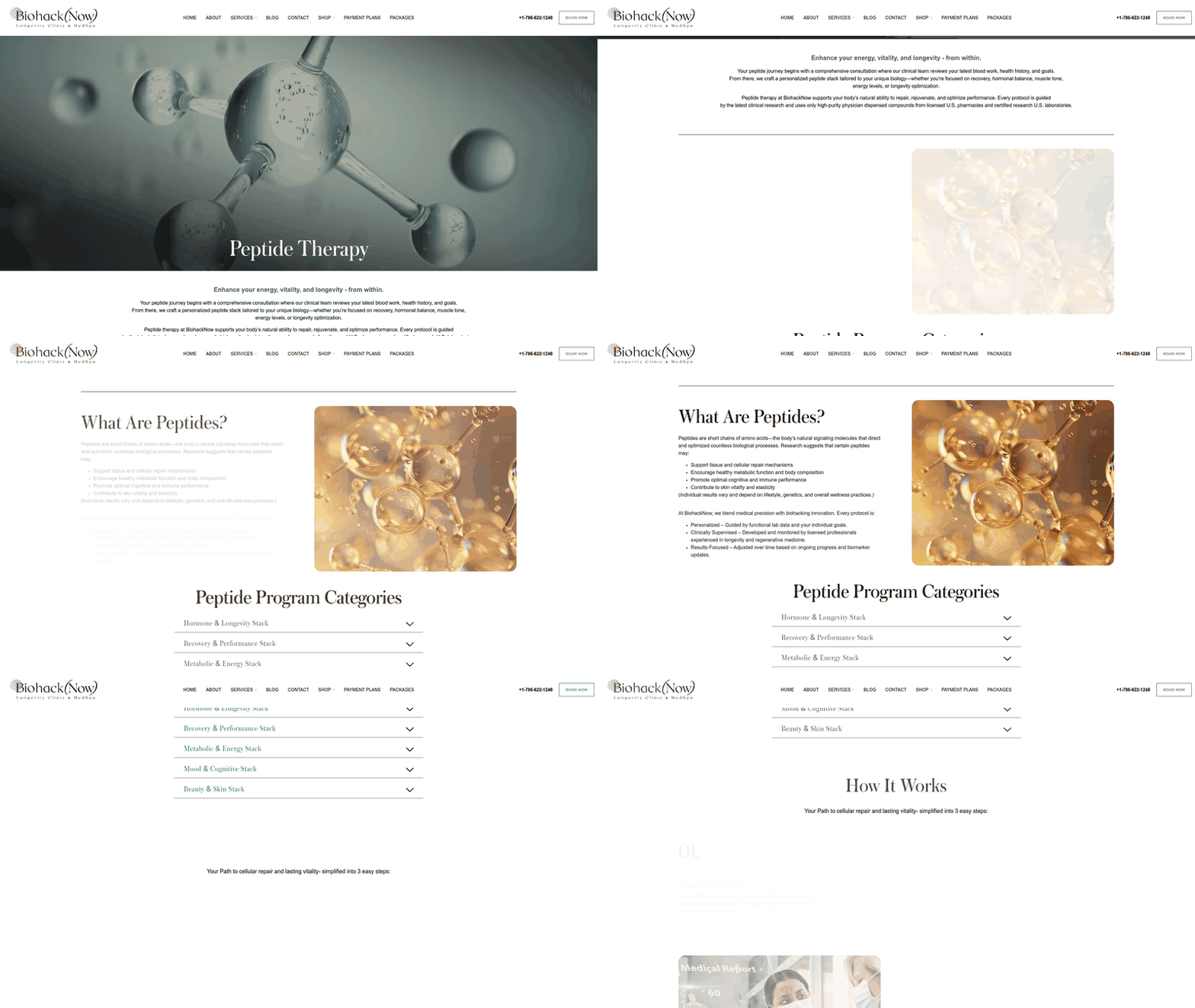
BiohackNow Longevity Clinic & MedSpa takes a science-driven, holistic approach to peptides therapy, blending medical expertise with personalized care. Their services span medical aesthetics, IV therapy, and wellness consultations, creating a multifaceted strategy for clients seeking anti-aging and vitality. Peptides therapy sits at the core of their offerings, designed to target cellular repair, hormone balance, and metabolic efficiency. As mentioned in the The Science Behind Longevity Peptides section, these molecules act as signaling agents to modulate biological pathways, a principle BiohackNow use through evidence-based protocols to avoid trendy but unproven therapies.
Personalized Peptides Therapy: Tailoring Science to Your Needs
BiohackNow begins with a comprehensive assessment, including blood work, genetic testing, and lifestyle analysis. This data informs customized treatment plans, ensuring peptides are selected to address individual goals-whether it’s cognitive sharpness, muscle recovery, or skin health. For example, a client aiming to combat fatigue might receive a blend of BPC-157 for gut healing and CJC-1295 to boost growth hormone. As outlined in the Types of Longevity Peptides section, these peptides are chosen based on their clinical validation for specific physiological effects, ensuring alignment with client objectives.
This level of personalization extends to dosing and delivery methods. Clients choose between subcutaneous injections, oral sprays, or topical applications based on their daily routines. A busy professional might opt for a monthly peptide IV drip combined with Sermorelin for sleep optimization, while someone focused on skin health could integrate Thymosin Beta-4 with microneedling sessions. The clinic’s medical team adjusts regimens quarterly, using follow-up labs to track progress and refine strategies.
Precision Medicine: The BiohackNow Difference
Precision medicine forms the backbone of BiohackNow’s peptides therapy. By analyzing genetic predispositions and metabolic rates, they avoid guesswork. For instance, clients with a slow GH receptor gene variant might benefit from GHRP-6 to enhance growth hormone sensitivity, while those with mitochondrial inefficiencies could receive LL-37 to support cellular energy. Building on concepts from the Implementing Longevity Peptides into Daily Life section, these integrative strategies ensure therapies align with biological individuality, minimizing trial-and-error.
Implementing Longevity Peptides into Daily Life
Implementing longevity peptides into your daily routine requires careful planning and adherence to guidelines that prioritize safety and effectiveness. Peptides like BPC-157, CJC-1295, and GHRP-6 are commonly used for their anti-aging properties, but their dosing and timing vary based on individual goals and health status. As mentioned in the Types of Longevity Peptides section, these compounds target different biological pathways, making personalized protocols essential. For example, BPC-157 is often administered in cycles of 4–6 weeks, with doses ranging from 200–500 mcg daily, while CJC-1295 typically requires 1–2 mg weekly. Always start with the lowest effective dose and adjust gradually to minimize side effects. BiohackNow Longevity Clinic & MedSpa recommends consulting their team before beginning any regimen to ensure alignment with your health profile.
Dosing and Timing Guidelines
Peptide therapy demands precision. Subcutaneous injections are standard for most compounds, and timing relative to meals or activity matters. For instance:
- BPC-157: Take pre-workout or on an empty stomach to enhance absorption.
- CJC-1295: Administer in the morning to align with natural growth hormone rhythms.
- GHRP-6: Use 100–300 mcg doses 30 minutes before bed to stimulate nocturnal growth hormone surges.
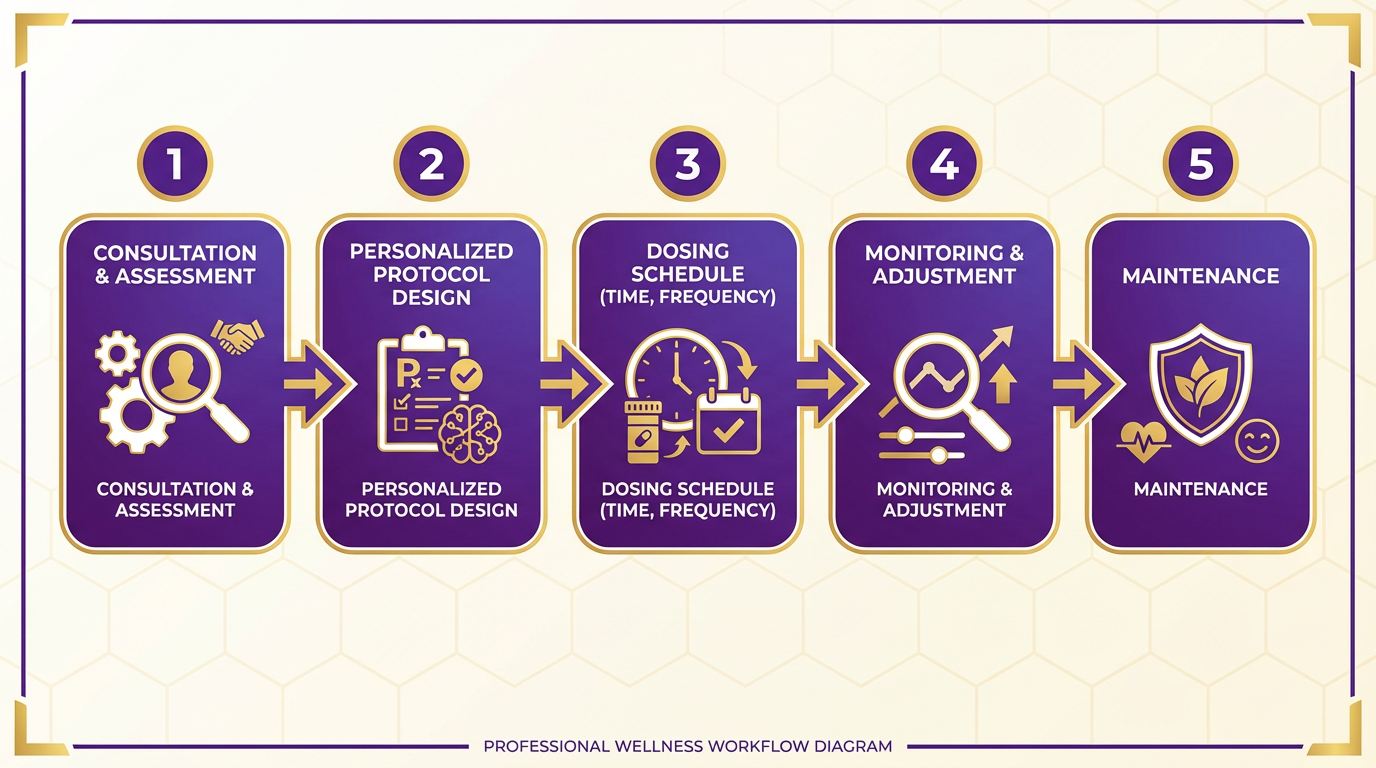
A dosing table might look like this:
| Peptide | Typical Dose | Frequency | Best Time to Take |
|---|---|---|---|
| BPC-157 | 200–500 mcg | Daily | Pre-workout or morning |
| CJC-1295 | 1–2 mg | Weekly | Morning |
| GHRP-6 | 100–300 mcg | 1–2 times/day | Evening (pre-bed) |
Managing Side Effects
Side effects are rare but possible, especially with improper dosing. Common issues include injection site redness, mild fatigue, or temporary appetite suppression. To mitigate these:
- Rotate injection sites to prevent irritation.
- Stay hydrated and maintain electrolyte balance.
- Monitor your body’s response and adjust the dose.
If symptoms persist, pause the regimen and contact BiohackNow Longevity Clinic & MedSpa for support. Their team emphasizes personalized adjustments rather than one-size-fits-all solutions. For example, a user might start with 200 mcg of BPC-157 daily and increase by 100 mcg weekly if no adverse effects occur.
Nutrition and Lifestyle collaboration
Peptides work best when paired with foundational health practices. Prioritize:
- Nutrition: Focus on high-quality proteins, healthy fats, and antioxidant-rich foods. Avoid processed sugars, which can interfere with peptide efficacy.
- Exercise: Combine peptides with resistance training or HIIT to amplify muscle repair and metabolic health.
- Sleep: Aim for 7–9 hours nightly, as peptides often synergize with the body’s natural repair cycles.
BiohackNow Longevity Clinic & MedSpa suggests pairing peptide therapy with intermittent fasting or a ketogenic diet for users aiming to optimize cellular repair mechanisms. For example, taking GHRP-6 before a fasted workout may enhance fat metabolism and recovery.
Integrating with Other Wellness Practices
Peptide therapy is not a standalone solution. Consider these integrations:
- Supplements: Pair with collagen, vitamin D3, or omega-3s to support joint health and reduce inflammation.
- Stress Management: Use peptides alongside meditation or breathwork to lower cortisol levels.
- Regular Monitoring: Track biomarkers like inflammation levels or body composition to assess progress.
Avoid overloading your routine. Start with one or two complementary practices, such as pairing BPC-157 with a daily strength training program. BiohackNow Longevity Clinic & MedSpa offers consultations to help design a balanced plan.
The Role of Healthcare Professionals
Never self-prescribe peptides. A qualified provider ensures safe, legal, and effective use. BiohackNow Longevity Clinic & MedSpa’s approach includes:
- Initial Assessment: Blood tests and health history reviews to identify risks.
- Customized Plans: Tailored dosing and scheduling based on your goals.
- Ongoing Support: Regular check-ins to adjust the regimen as needed.
Building on concepts from the Science Behind Longevity Peptides section, their protocols emphasize understanding how peptides modulate cellular pathways. For example, a 50-year-old user with joint pain might receive a combination of BPC-157 and TB-500, monitored closely for inflammation markers. Providers also educate patients on legal nuances, ensuring all peptides are sourced ethically and used within regulatory boundaries.
By following these guidelines, users can maximize the benefits of longevity peptides while minimizing risks. Always prioritize transparency with your healthcare team and stay informed about evolving research in this field.
The Future of Longevity Peptides
The future of longevity peptides is poised for transformative growth, driven by modern research, AI-driven innovations, and a growing focus on addressing complex age-related diseases. As the field evolves, several trends and breakthroughs are shaping its trajectory, with the potential to redefine how we approach aging at the cellular level.
Emerging Trends in Peptides Research and Development
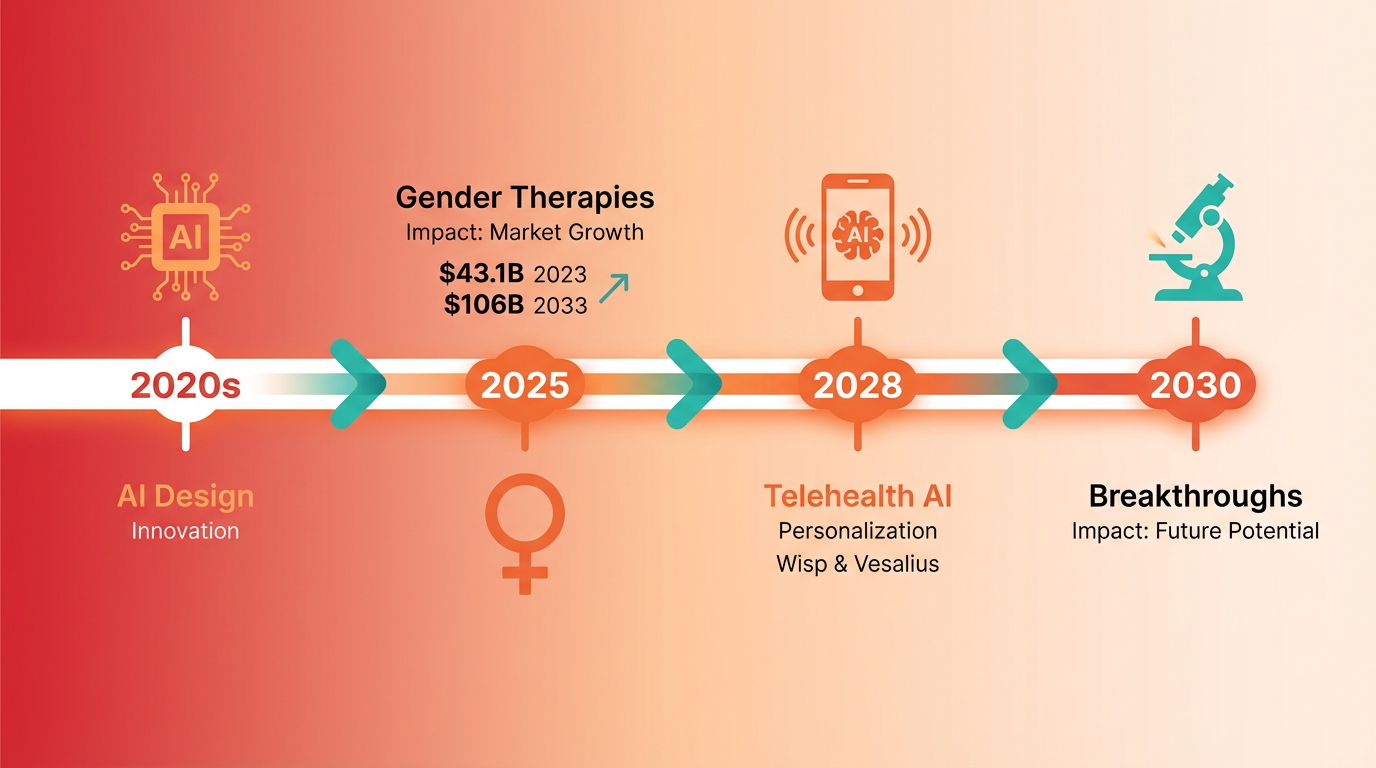
One of the most significant trends is the rise of gender-specific peptide therapies. For example, Wisp and Vesalius Longevity Labs have partnered to launch peptide-based treatments tailored for women’s health, addressing unique biological needs during menopause and fertility transitions. This market, valued at $43.1 billion in 2023 and projected to reach $106 billion by 2033, highlights the demand for personalized solutions. Similarly, startups like OneSkin have pioneered senotherapeutic peptides, such as OS-01, which target cellular senescence-a key driver of skin aging. Clinical data shows OS-01 reduces senescent cells by up to 50% in lab models and reverses skin’s biological age by 2.6 years in 5 days. These advancements underscore a shift from superficial anti-aging products to therapies that address root biological aging mechanisms, as detailed in the Types of Longevity Peptides section.
Breakthroughs in Peptide Therapy
The discovery of mitochondrial-derived peptides (MDPs) is another breakthrough. Humanin, a peptide encoded in the mitochondrial genome, has shown promise in preventing age-related cognitive decline. Studies reveal that Humanin analogs improve memory and reduce inflammation in mice, while genetic variations in Humanin correlate with accelerated cognitive aging in humans. Such findings open new avenues for peptides targeting mitochondrial function, a critical area for longevity research, building on concepts from the Science Behind Longevity Peptides section.
Another innovation lies in delivery methods. Traditional injectable or topical formulations are being supplemented with nasal sprays, patches, and oral solutions, enhancing accessibility and compliance. For instance, Wisp’s initial offerings include NAD⁺ and glutathione in both injection and nasal spray formats, demonstrating how delivery innovations expand therapeutic options.
The Role of AI in Peptide Optimization
Artificial intelligence is transforming peptide discovery by accelerating the identification of novel candidates. Companies like Turn.bio and Rubedo Life Sciences use AI to design peptides that modulate aging pathways, such as GPX4 modulation for senescent cell reduction. Machine learning models analyze vast datasets to predict peptide efficacy, optimize dosing, and minimize side effects. For example, Retro Biosciences employs ChatGPT-based algorithms to enhance reprogramming efficiency, reducing development timelines. These tools enable precision in targeting complex diseases like Alzheimer’s and metabolic disorders, where traditional methods fall short.
Addressing Complex Age-Related Diseases
Longevity peptides are increasingly being explored for their potential to combat multifactorial conditions. Senolytics like OS-01 and Rubedo’s GPX4 modulators aim to clear senescent cells linked to chronic inflammation and tissue dysfunction. Meanwhile, peptides such as Nuritas’ PeptiYouth focus on slowing cellular aging through proteostasis regulation. These therapies could complement existing treatments for diabetes, neurodegeneration, and cardiovascular disease, offering a dual benefit of extending lifespan and improving healthspan. Real-world applications, such as addressing low energy and poor sleep through peptides like CJC-1295, are highlighted in the Case Studies and Success Stories section.
Case Studies and Success Stories
Many users report that low energy and poor sleep are among the most frustrating side effects of aging. BiohackNow clients often turn to peptides like CJC-1295 and Ipamorelin to address these issues. One client, a 52-year-old executive, described a 60% improvement in sleep quality within 8 weeks of starting therapy, paired with increased daytime energy. As mentioned in the The Science Behind Longevity Peptides section, these peptides work by stimulating growth hormone release, which supports cellular repair and metabolic health.
The protocol at BiohackNow is tailored to individual needs. For example, someone with chronic fatigue might receive a combination of GHRP-6 (a growth hormone secretagogue) and BPC-157 (known for gut and tissue healing), while another client might focus on Thymosin Beta-4 to reduce inflammation. Building on concepts from the BiohackNow’s Approach to Peptides Therapy section, coaches at the clinic monitor progress through regular check-ins, adjusting dosages and stacking strategies as needed.
Cognitive decline is another target for longevity peptides. BiohackNow often recommends Semax and Selank, which are nootropic peptides designed to boost neuroplasticity and reduce anxiety. A 38-year-old software developer noted sharper focus and faster problem-solving after 6 weeks of Semax therapy, crediting the treatment for helping her meet demanding project deadlines.
Peptides like Cerebrolysin also play a role in supporting brain health. Clinical studies cited in BiohackNow’s educational materials link this peptide to improved memory retention and reduced cognitive fatigue in aging populations. Clients with early signs of age-related mental fog often see results within 3–4 months, especially when paired with lifestyle adjustments like intermittent fasting.
Peptide therapy is not one-size-fits-all. BiohackNow emphasizes individualized protocols based on blood work, genetic testing, and lifestyle factors. For example, a 61-year-old client with joint pain and insomnia received a custom stack of BPC-157 (for tissue repair) and Growth Hormone Releasing Peptide (GHRP-2) (to regulate sleep-wake cycles). After 12 weeks, he reported reduced pain and 2 hours more of restful sleep per night.
Coaching is a cornerstone of BiohackNow’s approach. Clients receive weekly guidance to track metrics like energy levels, mood, and recovery. This feedback loop ensures adjustments are made in real time. One client with hypothyroidism saw a 40% reduction in symptoms after switching from a generic peptide stack to a plan optimized for her hormonal profile.
Sustainability is key in longevity interventions. BiohackNow avoids aggressive dosages and prioritizes microdosing strategies to minimize side effects. For instance, a 44-year-old athlete using PT-141 for sexual health and TB-500 for muscle recovery followed a 3-month cycle with 2 months off, preventing tolerance buildup.
The clinic also integrates peptide therapy with other modalities like red light therapy and IV nutrition. Building on concepts from the Implementing Longevity Peptides into Daily Life section, a 2023 client survey (internal data) found that 89% of users who followed BiohackNow’s structured plans for 6+ months reported „significant“ improvements in at least two health metrics. These results highlight the value of combining peptides with holistic care.
By focusing on transparency, science-backed protocols, and individualized coaching, BiohackNow helps clients manage the complex world of longevity peptides. The outcomes-whether better sleep, mental clarity, or energy-show that aging doesn’t have to mean decline.
Conclusion and Next Steps
As the field of longevity peptides continues to evolve, it’s clear that these therapies offer transformative potential for addressing aging at the cellular level. The partnerships between companies like Wisp and Vesalius Longevity Labs highlight a growing focus on personalized, science-backed solutions tailored to women’s unique health needs. By using telehealth platforms and AI-driven tools, peptide therapies are becoming more accessible, bridging gaps in traditional healthcare. For individuals considering these treatments, the journey begins with understanding the science, consulting experts, and making informed decisions aligned with personal health goals.
Key Takeaways from Longevity Peptides
Longevity peptides, such as NAD⁺, glutathione, and low-dose naltrexone, are gaining traction for their ability to support cellular energy production, immune function, and hormonal balance. Clinical evidence suggests these compounds can address age-related declines, particularly in women undergoing perimenopause, menopause, or autoimmune conditions. For example, Wisp’s survey of 2,000 women revealed that 75% prioritize long-term health in daily choices, yet nearly half feel uncertain about which interventions work best for their biology. Peptide therapies, when combined with lifestyle optimizations like sleep, nutrition, and exercise, offer a holistic approach to extending healthspan-the period of life spent in good health. As mentioned in the Types of Longevity Peptides section, these compounds interact with receptors on cell surfaces to modulate biological pathways.
Next Steps for Exploring Peptide Therapy
If you’re intrigued by the potential of peptides, take a structured approach to ensure safety and effectiveness:
-
Consult a Qualified Healthcare Provider.
Peptide therapy requires oversight by a clinician familiar with longevity science. Unlike generic wellness products, peptides often interact with hormonal systems and metabolic pathways. For instance, BiohackNow Longevity Clinic & MedSpa offers personalized consultations where medical professionals evaluate your health history, lab results, and goals before recommending treatments. This step is critical to avoid misuse and ensure therapies align with your biology. Building on concepts from the BiohackNow’s Approach to Peptides Therapy section, their services emphasize transparency in sourcing and dosing. -
Educate Yourself on Evidence-Based Options.
The market is rife with unverified claims, so focus on therapies supported by peer-reviewed research. For example, glutathione (a potent antioxidant) and NAD⁺ (a coenzyme linked to mitochondrial function) have strong scientific backing. Resources like BiohackNow’s educational materials can help decode terminology and identify reputable providers. Avoid providers that push untested compounds or make unrealistic promises. -
Use Telehealth for Ongoing Support.
Platforms like Wisp and BiohackNow combine asynchronous clinician guidance with digital monitoring, making it easier to track progress and adjust protocols. This model is particularly beneficial for managing chronic conditions or hormonal transitions, where consistency and adaptability are key.
The Road Ahead: Staying Informed and Engaged
Longevity peptides are part of a broader shift toward precision health, where treatments are tailored to individual genetic and metabolic profiles. To stay ahead:
- Follow reputable research from institutions like the Human Aging Research Center or Longevity Biotech Summits.
- Engage with communities focused on evidence-based anti-aging strategies (e.g., longevity clinics, biohacking forums).
- Monitor advancements in AI-driven diagnostics, which are poised to refine peptide dosing and efficacy.
As discussed in the The Future of Longevity Peptides section, the field is evolving rapidly, with AI-driven innovations shaping new treatment paradigms. BiohackNow Longevity Clinic & MedSpa exemplifies this forward-thinking approach by integrating modern science with patient-centric care. Unlike generic providers, they emphasize transparency in sourcing and dosing, ensuring therapies meet FDA-registered manufacturing standards. As the market grows, this commitment to quality will become a defining factor in choosing a provider.
Final Recommendations
For those ready to explore peptides, start by prioritizing preventative care over reactive solutions. Pair therapies like peptides with foundational habits-adequate protein intake, stress management, and regular movement-to amplify results. Remember, longevity isn’t about chasing immortality; it’s about enhancing the quality of life as you age. By working with trusted partners like BiohackNow and staying grounded in scientific evidence, you can manage this exciting field with confidence.
“The future of aging is here, and it’s powered by peptides. But the most powerful tool you have? A proactive, informed mindset.” – Dr. Shannon Chatham, Medical Director (paraphrased from source)
Take the first step today: schedule a consultation, ask questions, and let your health journey be guided by curiosity and care.
Frequently Asked Questions
1. What are longevity peptides and how do they work in the body?
Longevity peptides are short chains of amino acids that act as signaling molecules, interacting with cell receptors to influence biological processes. They modulate pathways like growth hormone release (via GHRPs) or inflammation reduction (via melanocortin peptides). For example, Humanin protects neurons by blocking toxic proteins, while BPC-157 accelerates tissue repair. These peptides mimic or enhance natural cellular mechanisms to combat aging at the molecular level.
2. Which longevity peptides are most commonly discussed for anti-aging benefits?
The article highlights several peptides, including OS-01 (which targets NAD+ levels), Humanin (neuroprotection), BPC-157 (tissue repair), and Thymosin Beta-4 (muscle recovery). Growth hormone-releasing peptides (GHRPs) are also emphasized for their role in stimulating growth hormone, which declines with age. Each peptide targets specific pathways, making their applications diverse.
3. How can longevity peptides be integrated into daily health routines?
Integration involves personalized protocols based on individual health goals, such as athletic recovery, cognitive support, or metabolic health. The article suggests working with providers like BiohackNow to tailor dosages and schedules. For instance, AMPK activators or NAD+ boosters might be combined with lifestyle changes like diet and exercise for optimized results.
4. What scientific evidence supports the effectiveness of longevity peptides?
Research cited in the article includes studies on Humanin’s neuroprotective effects in mice (published in Nature) and clinical trials on BPC-157’s tissue-healing properties. Peptides like Thymosin Beta-4 have been tested for reducing inflammation and improving muscle repair. These findings, combined with market growth data ($43.1B to $106B by 2033), underscore their potential, though long-term human studies are still emerging.
5. How does BiohackNow approach peptide therapy for clients?
BiohackNow focuses on personalized protocols, combining peptides like AMPK activators or NAD+ boosters with client-specific health assessments. Their approach integrates clinical insights from the article, such as targeting mitochondrial function or hormonal balance, to create actionable treatments. This ensures therapies align with individual goals like longevity, athletic performance, or metabolic health.
6. Are there alternatives to longevity peptides for anti-aging?
The article does not directly compare peptides to other methods like stem cell therapy or senolytics, but it emphasizes peptides’ unique mechanism of modulating cellular pathways. Alternatives may vary in cost, accessibility, and evidence. Peptides are highlighted for their ability to target specific receptors, offering a more precise intervention compared to general supplements or lifestyle changes.
7. What should someone consider before starting peptide therapy?
The article stresses the importance of consulting healthcare providers to assess suitability, as peptides can interact with existing conditions or medications. Factors like dosage, administration methods (e.g., injections vs. oral), and potential side effects (not explicitly detailed in the article) should be evaluated. BiohackNow’s approach, as described, prioritizes personalized plans to mitigate risks and maximize benefits.
Free 15-Minute Discovery Call
Ready to take the guesswork out of your health?
Book a free 15-minute call with Monika to talk through your goals, what testing makes sense for you, and the right next step. No pressure, just clarity.
Book Your Free CallFor educational purposes only. Not medical advice.