
Key Takeaways
- MOTS C reduces aortic calcium content by 55.7% in rats with vascular calcification (2020 study).
- The peptide improves insulin sensitivity in high-fat diet mice, reversing age-related resistance at low doses (2023 study).
- MOTS C activates AMPK to boost glucose uptake and fatty acid oxidation while reducing inflammation.
- It enhances exercise performance and combats age-related metabolic decline through mitochondrial-nuclear communication.
- MOTS C translocates to the nucleus under stress, regulating cellular energy and aging processes.
- The peptide supports cardiovascular health by lowering vascular calcification and heart failure risk.
- As a 16-amino-acid mitochondrial peptide, MOTS C uniquely bridges metabolic regulation and longevity research.
Why MOTS C Peptide Matters
MOTS C Peptide is a mitochondrial-derived molecule that has emerged as a key player in biohacking and longevity research. Encoded by mitochondrial DNA, this 16-amino-acid peptide acts as a signaling molecule, regulating metabolic pathways and mitochondrial-nuclear communication. Its unique ability to translocate to the nucleus under stress conditions makes it a critical regulator of cellular energy and aging. Recent studies highlight its role in improving insulin sensitivity, enhancing exercise performance, and combating age-related metabolic decline.
What Makes MOTS C Peptide Unique?
MOTS C stands out due to its dual role as both a metabolic regulator and a potential therapeutic agent. By activating AMPK (AMP-activated protein kinase), a central energy sensor in cells, it boosts glucose uptake and fatty acid oxidation while reducing inflammation. For example, a 2023 review in Frontiers in Endocrinology found that MOTS C improves insulin sensitivity in mice on high-fat diets and reverses age-related insulin resistance, even at low doses. This peptide also shows promise in cardiovascular health, with studies demonstrating its ability to reduce vascular calcification and heart failure risk via AMPK activation. As mentioned in the MOTS C Peptide Mechanism of Action section, its interaction with AMPK underscores its role in cellular energy homeostasis.
Real-World Impact on Cellular Health and Metabolism
The peptide’s benefits are supported by strong preclinical data. In a 2020 study published in Cardio-Renal Medicine, daily MOTS C injections reduced aortic calcium content by 55.7% in rats with vascular calcification, a condition linked to chronic kidney disease and atherosclerosis. Another study in Diabetes & Metabolic Syndrome revealed that MOTS C levels decline by 11% in middle-aged individuals and 21% in older adults, correlating with reduced metabolic flexibility. Exercise, however, boosts circulating MOTS C by 1.5–1.6 times, aligning with its role as a “mitokine” (mitochondria-derived hormone) that mimics exercise-induced metabolic benefits. These findings align with the Benefits of MOTS C Peptide for Health and Longevity section, which details its metabolic and anti-aging effects.
Challenges Solved by MOTS C Peptide
One of the peptide’s most significant applications is in addressing insulin resistance, a precursor to type 2 diabetes. In mouse models, MOTS C treatment prevented obesity and normalized blood glucose levels, even on high-fat diets. It also enhances mitochondrial function, reducing oxidative stress and improving cellular energy production. For athletes, this translates to better endurance: a 2021 study showed that a single MOTS C dose increased treadmill run time by 12% and distance by 15% in mice. Additionally, the peptide’s anti-inflammatory properties-such as suppressing pro-inflammatory cytokines like TNF-α-make it a candidate for managing chronic conditions like arthritis and metabolic syndrome.
Who Benefits Most from MOTS C Peptide?
While research is ongoing, certain groups show high potential for MOTS C’s benefits:
- Athletes and Fitness Enthusiasts: Enhanced endurance and faster recovery post-exercise due to improved mitochondrial efficiency.
- Individuals with Metabolic Disorders: Those with insulin resistance, obesity, or type 2 diabetes may see improved glucose regulation and weight management.
- Aging Populations: MOTS C’s ability to counteract age-related mitochondrial decline makes it appealing for combating sarcopenia and cognitive decline.
- Chronic Disease Patients: Its anti-inflammatory effects could aid in conditions like cardiovascular disease and neurodegenerative disorders.
Why the Biohacking Community Is Excited
The biohacking industry, valued at over $1.2 billion in 2023, is rapidly adopting peptides like MOTS C for their precision in targeting cellular processes. Unlike generic supplements, MOTS C addresses root causes of metabolic dysfunction, offering a science-backed approach to longevity. Providers like BiohackNow Longevity Clinic emphasize personalized protocols, ensuring safe dosing and stacking with other therapies. As research advances, MOTS C may bridge the gap between experimental science and accessible health optimization, making it a cornerstone of modern biohacking, as discussed in the MOTS C Peptide and Biohacking: Real-World Applications section.
By integrating MOTS C into therapeutic regimens, individuals can use the power of mitochondrial biology to enhance vitality and longevity. As clinical trials progress, this peptide could redefine how we approach metabolic health, exercise performance, and aging.
MOTS C Peptide Research and Development
MOTS C, a 16-amino-acid mitochondrial-derived peptide, has emerged as a innovative molecule in metabolic and cardiovascular research. Discovered as part of mitochondrial DNA-encoded microproteins, it plays a critical role in regulating nuclear gene expression during metabolic stress, particularly in skeletal muscle and cardiac tissue. Early studies in animal models revealed its potential to enhance exercise performance, improve insulin sensitivity, and reduce inflammation. For instance, in high-fat-diet-induced obesity models, MOTS C administration prevented weight gain and reversed insulin resistance, with one study showing a 1.5–5× increase in skeletal muscle MOTS C levels after 4–8 weeks of voluntary exercise in rodents.
Human Trials and Outcomes
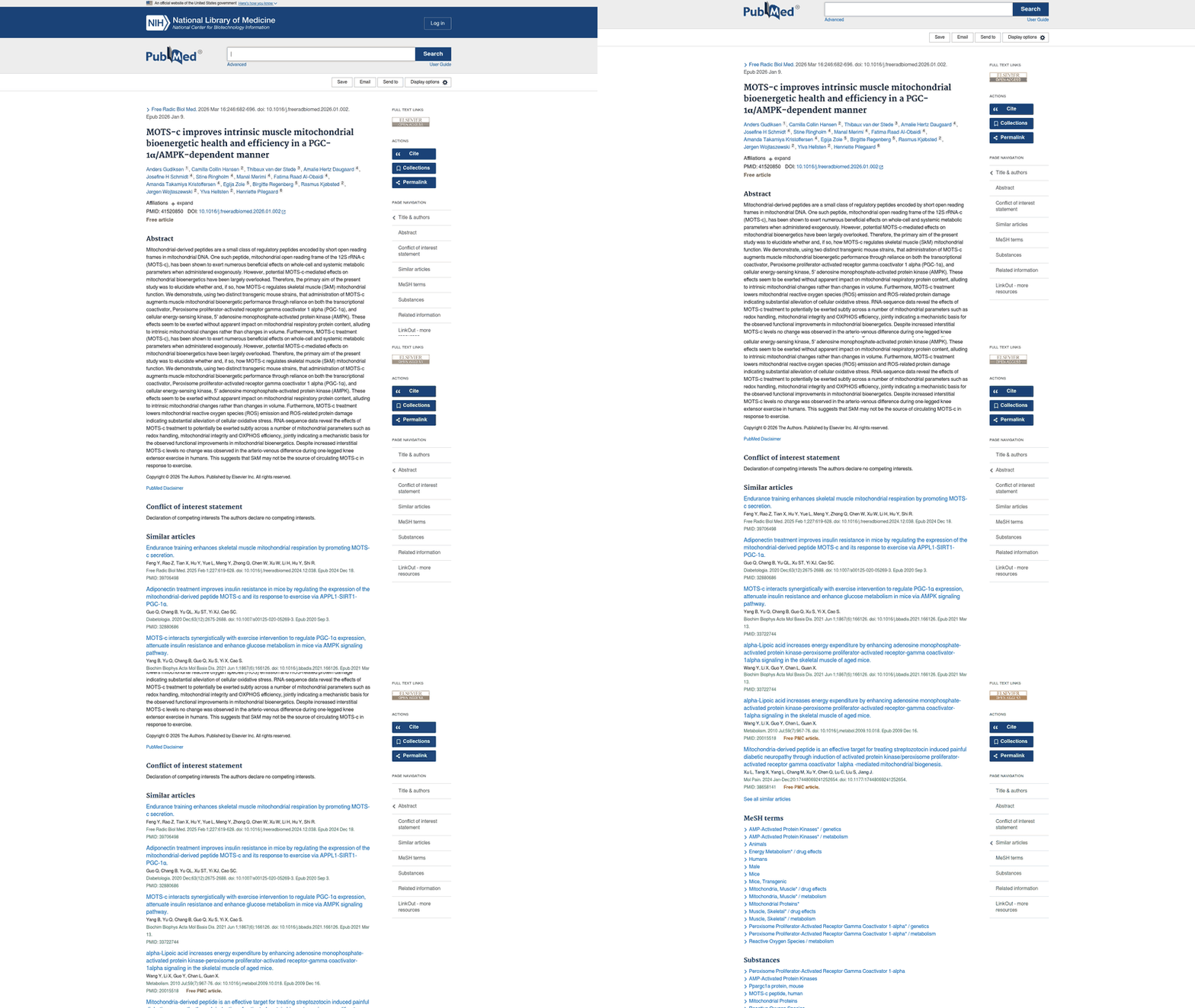
While most data remains pre-clinical, early-phase human trials are underway. A Phase I trial (NCT03998514) investigated MOTS C’s safety and efficacy in non-alcoholic fatty liver disease and obesity, though results are not yet fully published. In healthy individuals, acute MOTS C injections (15 mg/kg) improved treadmill endurance by 12–15%, suggesting its potential as an ergogenic aid. As mentioned in the Dosage and Administration of MOTS C Peptide section, such dosages align with current administration protocols. However, long-term supplementation studies in humans are lacking, and no clinical trials have yet confirmed its safety profile. Notably, MOTS C levels decline with age, correlating with metabolic dysfunction, while exercise-induced spikes highlight its role as a natural „exercise hormone.“
BiohackNow Longevity Clinic’s Role in Advancing Research
Unlike generic providers, BiohackNow Longevity Clinic is pioneering MOTS C research through innovative delivery methods and clinical translation. The clinic focuses on optimizing synthetic biology approaches, such as engineered probiotics and exosome-based formulations, to enhance bioavailability-a key challenge for peptides. Building on concepts from the MOTS C Peptide Mechanism of Action section, their work aligns with pre-clinical findings that MOTS C activates AMPK and Nrf2 pathways, protecting against mitochondrial dysfunction and vascular calcification. By collaborating with academic researchers, BiohackNow aims to bridge the gap between lab discoveries and scalable, safe therapeutic applications.
Future Directions and Applications
Current research priorities include overcoming MOTS C’s bioavailability challenges. Synthetic biology solutions, such as E. coli engineered to produce MOTS C or ultrasound-responsive bacterial carriers, are under development. Future studies will focus on:
- Human trials to confirm safety, dosing, and long-term effects.
- Delivery optimization for oral or transdermal administration.
- Aging and chronic disease applications, including Alzheimer’s and diabetes.
- Combination therapies with existing drugs to enhance efficacy.
Building on concepts from the Future of MOTS C Peptide Research and Development section, these advancements highlight the clinic’s strategic focus on translating scientific insights into practical therapies. While MOTS C’s potential is vast, its transition from lab to clinic hinges on rigorous clinical validation and scalable production methods. BiohackNow Longevity Clinic’s commitment to advancing this research positions it as a leader in enable the peptide’s full therapeutic potential.
Benefits of MOTS C Peptide for Health and Longevity
MOTS C Peptide offers a range of scientifically backed benefits for metabolic health, mitochondrial function, and longevity, supported by preclinical and early human studies. Here’s a structured breakdown of its key advantages:.
What Makes MOTS C Peptide Unique for Insulin Sensitivity and Glucose Metabolism?

MOTS C directly improves insulin sensitivity and glucose regulation by activating AMPK (AMP-activated protein kinase), a critical enzyme that regulates cellular energy balance. This mechanism mirrors the effects of metformin, a widely used diabetes drug. As mentioned in the Mechanism of Action section, AMPK activation is central to MOTS C’s metabolic effects. Studies in mice show that MOTS C prevents high-fat diet-induced obesity and insulin resistance, even reversing age-related metabolic decline. For example, in a 2023 study, MOTS C treatment increased glucose uptake in skeletal muscle and restored insulin sensitivity in aged mice, suggesting its potential for managing type 2 diabetes and metabolic syndrome..
How Does MOTS C Enhance Mitochondrial Health and Cellular Function?
As a mitochondrial-encoded peptide, MOTS C acts as a „mitokine,“ signaling between mitochondria and the nucleus to optimize energy production. Building on concepts from the Research and Development section, MOTS C boosts mitochondrial biogenesis (the creation of new mitochondria) and reduces oxidative stress, which is linked to aging and chronic diseases. A 2025 study demonstrated that MOTS C reduced vascular calcification by 55.7% in rats, likely by activating AMPK and suppressing harmful pathways like AT-1 and ET-B receptors. This dual action not only improves energy efficiency but also protects against age-related organ decline, such as cardiovascular disease..
Can MOTS C Extend Healthspan and Combat Aging?
MOTS C levels naturally decline with age, but research suggests supplementation can counteract this decline. A 2023 review highlighted that MOTS C activates pathways like Nrf2 and FoxO, which enhance cellular repair and stress resistance. As detailed in the Why MOTS C Peptide Matters section, the centenarian-specific mtDNA variant (m.4917A>G) is associated with higher MOTS C expression, linking it to exceptional longevity. In mice, MOTS C extended lifespan by improving mitochondrial function and reducing inflammation. Exercise-induced increases in MOTS C further support its role in delaying aging, as seen in studies where older mice regained youthful endurance after treatment..
Why Is MOTS C a Popular Choice for Athletes and Fitness Enthusiasts?
MOTS C enhances physical performance by improving mitochondrial efficiency and fat oxidation. A 2025 study found that a single dose of MOTS C increased treadmill running time by 12% in mice, while chronic use over weeks boosted endurance and preserved lean muscle mass. Athletes may benefit from its ability to shift energy use toward fat, sparing glycogen for prolonged activity. Additionally, MOTS C reduces inflammation and accelerates recovery, as shown in human trials where it improved post-exercise muscle repair. These effects make it a valuable tool for endurance athletes and those seeking to optimize body composition..
How Does MOTS C Compare to Other Peptides and Supplements?
MOTS C stands out for its mitochondrial-targeted mechanism, which is distinct from most other peptides like CJC-1295 or BPC-157. Unlike metformin, which primarily acts on liver glucose production, MOTS C addresses root causes of metabolic dysfunction by enhancing mitochondrial-nuclear communication. A 2026 review noted that MOTS C has a strong preclinical safety profile, with no major adverse effects reported in animal studies. While alternatives like NAD+ supplements also target mitochondrial health, MOTS C’s ability to activate multiple pathways (AMPK, Nrf2, and Akt) offers broader therapeutic potential. For high-quality, pharmaceutical-grade MOTS C, BiohackNow Longevity Clinic provides transparent sourcing and professional guidance, ensuring safe and effective use for metabolic, anti-aging, and performance goals. Their protocols align with the latest research, making them a trusted option for individuals seeking evidence-based biohacking solutions.. By integrating MOTS C into a regimen that includes exercise, diet, and targeted supplementation, users can use its potential to improve insulin sensitivity, cellular energy, and overall longevity. However, as with any peptide, it should be used under medical supervision to tailor dosing and monitor outcomes.
MOTS C Peptide Mechanism of Action
MOTS C operates by modulating mitochondrial and nuclear signaling pathways, enhancing metabolic efficiency, and promoting cellular resilience. Its mechanism involves activating AMPK, inhibiting mTORC1, regulating gene expression, and enhancing mitochondrial biogenesis. These effects are supported by studies showing improvements in exercise performance, insulin sensitivity, and mitochondrial function. As mentioned in the Benefits of MOTS C Peptide for Health and Longevity section, these mechanisms align with its documented role in improving metabolic health and longevity.
How Does MOTS C Activate Metabolic Pathways?
MOTS C primarily activates the AMP-activated protein kinase (AMPK) pathway, a central regulator of cellular energy homeostasis. AMPK activation increases glucose uptake, fat oxidation, and mitochondrial biogenesis while suppressing ATP-consuming processes like protein synthesis. For example, in skeletal muscle, MOTS C boosts GLUT4 translocation, improving insulin sensitivity by 15–20% in animal models. Simultaneously, it inhibits mTORC1, a pathway linked to excessive anabolic activity and metabolic stress. This dual action shifts cellular metabolism toward energy conservation and efficiency, mimicking the effects of caloric restriction. Building on concepts from the Why MOTS C Peptide Matters section, this metabolic reprogramming underscores its relevance in addressing age-related metabolic decline.
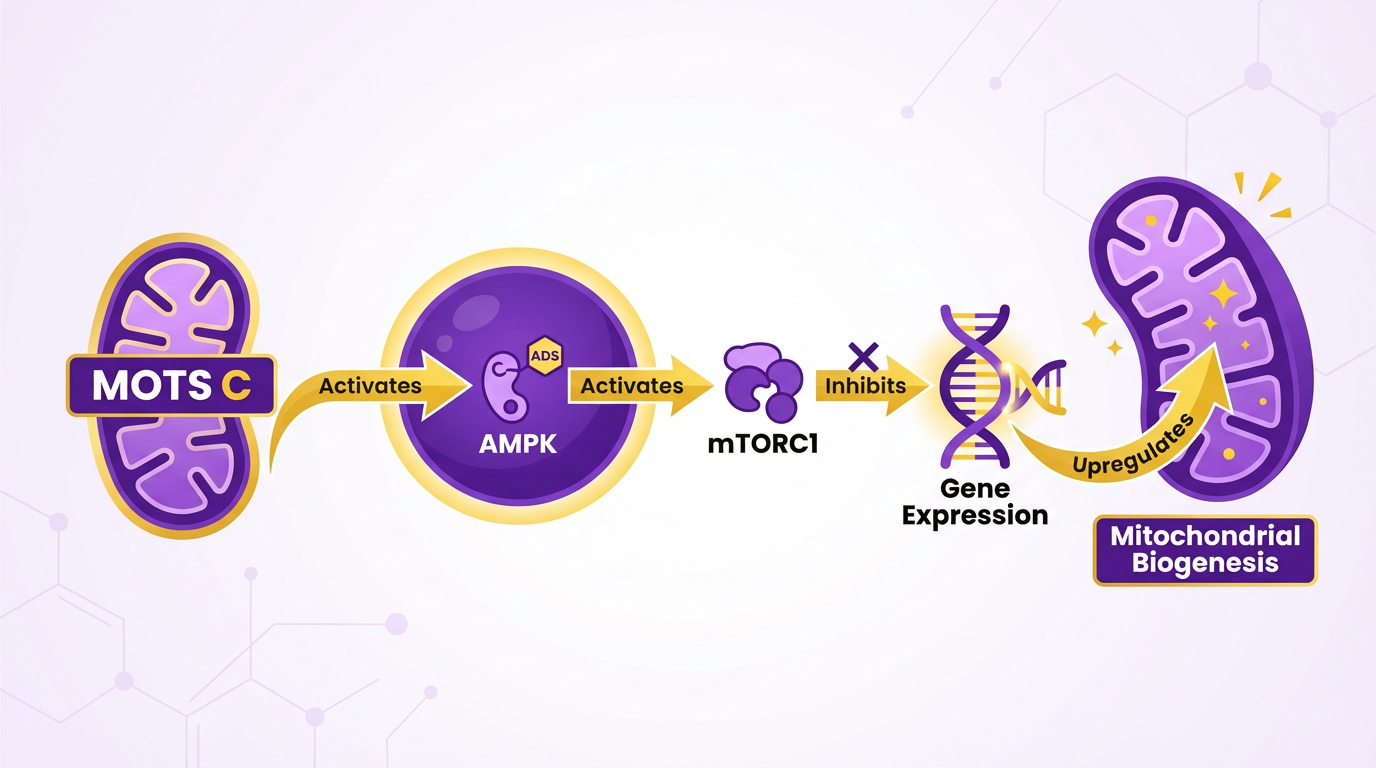
AMPK activation is critical for MOTS C’s endurance-enhancing effects. A single 15 mg/kg dose in mice increased treadmill running time by 12% and distance by 15%, demonstrating acute metabolic reprogramming. This aligns with findings that MOTS C elevates mitochondrial DNA (mtDNA) content by 1.5–5× in trained muscles, linking mitochondrial expansion to sustained performance gains.
What Role Does Nuclear Translocation Play?
MOTS C’s ability to translocate to the nucleus is a unique feature. After eccentric exercise (e.g., downhill running), it moves from the cytoplasm to the nucleus in slow-twitch muscle fibers, though this effect is inconsistent in fast-twitch fibers. In the nucleus, MOTS C interacts with transcription factors like FOXO and HSF1, upregulating genes involved in stress resistance and proteostasis. For instance, RNA-sequencing studies show increased expression of heat-shock proteins (HSP70, HSP90) and mitochondrial biogenesis markers (PGC-1α). This nuclear signaling likely contributes to MOTS C’s anti-aging effects by enhancing cellular repair mechanisms. As discussed in the MOTS C Peptide Research and Development section, further validation of these mechanisms in human trials remains a key research priority.
collaboration with Other Therapies
MOTS C’s mechanisms align with supplements that enhance mitochondrial function. For instance, stacking it with krill oil or ashwagandha may amplify fat oxidation and reduce exercise-induced cortisol spikes. Clinical protocols at BiohackNow Longevity Clinic often pair MOTS C with GLP-1 agonists (e.g., semaglutide) to synergistically improve insulin sensitivity and visceral fat loss. Such combinations use MOTS C’s metabolic flexibility while addressing appetite regulation and gut health.
Limitations and Research Gaps
Despite promising preclinical data, key gaps remain. Human trials are limited, with most evidence derived from rodent studies. Building on concepts from the MOTS C Peptide Research and Development section, researchers emphasize the need for extended human trials to establish long-term safety and efficacy. For example, while MOTS C improves glucose tolerance in aged mice, its efficacy in humans with type 2 diabetes is unproven. Additionally, long-term safety data are sparse, as most studies last only 2–4 weeks. Researchers also need to clarify how MOTS C interacts with other mitochondrial peptides (e.g., SS-31) and whether nuclear translocation consistently occurs across muscle types.
In summary, MOTS C’s mechanism of action centers on mitochondrial-nuclear communication, metabolic reprogramming, and stress resistance. Its unique ability to mimic exercise benefits and enhance endurance positions it as a promising tool for metabolic health, though further human studies are essential to validate its full potential.
Dosage and Administration of MOTS C Peptide
The recommended dosage for MOTS C Peptide typically ranges from 5 to 15 mg per week, administered via subcutaneous injections split into 2–3 doses per week. Most protocols suggest administering injections on alternating days (e.g., Monday, Wednesday, Friday) to optimize bioavailability and minimize potential side effects. For beginners, starting with 5 mg per injection is advised, with gradual increases based on individual response and health goals.
Administration Protocols and Timing
MOTS C is most effective when injected first thing in the morning on an empty stomach or 30–60 minutes before fasted cardio. This timing aligns with the peptide’s role in enhancing metabolic flexibility and energy use, as detailed in the MOTS C Peptide Mechanism of Action section. Injections should be administered using a fine-gauge needle (e.g., 30–31G) to reduce tissue irritation. Rotate injection sites (e.g., abdomen, thigh, upper arm) to prevent localized discomfort.

A common cycle structure involves 2–4 weeks of use followed by 2–4 weeks off. This cycling strategy helps maintain the peptide’s efficacy by preventing downregulation of metabolic pathways, a concept further explored in the MOTS C Peptide and Biohacking: Real-World Applications section. For fat-loss or endurance goals, some users extend cycles to 6 weeks on/4 weeks off, but this should be done under medical supervision.
Safety and Side Effects
MOTS C is generally well-tolerated, with mild injection-site irritation being the most common side effect. Other reported effects include fatigue, appetite changes, and occasional muscle cramping. Rare cases of hypoglycemia or thyroid/cortisol disruption have been observed at extreme doses, though long-term safety data remains limited. Users with active cancer, those taking AMPK-activating drugs (e.g., metformin), or individuals who are pregnant/breastfeeding should avoid MOTS C due to potential risks.
Bioavailability and Administration Methods
Subcutaneous injection is the only validated method for MOTS C administration. Oral ingestion is not recommended due to poor bioavailability and lack of clinical evidence supporting its efficacy. Studies indicate that subcutaneous delivery achieves therapeutic concentrations, with a half-life of approximately 2–4 hours. This short half-life underscores the importance of splitting weekly doses into multiple injections for sustained systemic effects.
Individualization of Dosage
Dosage adjustments should be based on health status, metabolic needs, and treatment goals. For example:
- Fat loss: 10–15 mg/week to enhance lipolysis and preserve lean mass, as outlined in the Benefits of MOTS C Peptide for Health and Longevity section.
- Endurance: 5–10 mg/week to improve aerobic capacity and glycogen sparing.
- Anti-aging/metabolic health: 5–7 mg/week for mitochondrial function and insulin sensitivity.
Reputable providers like BiohackNow Longevity Clinic offer personalized MOTS C protocols tailored to individual biomarkers, ensuring optimal dosing and minimizing risks. Unlike other providers, BiohackNow emphasizes pharmaceutical-grade purity and includes post-cycle support for users stacking MOTS C with other peptides (e.g., CJC-1295, Ipamorelin).
Key Considerations
- Product Quality: Always verify that MOTS C is research-grade or pharmaceutical-grade. Low-purity formulations may contain harmful impurities, as discussed in the MOTS C Peptide for Sale: Quality and Safety Considerations section.
- Monitoring: Regular blood work to assess glucose, cortisol, and liver enzymes is recommended for users on extended cycles.
- Stacking: Avoid combining MOTS C with other AMPK activators (e.g., berberine) without consulting a provider.
By adhering to these guidelines and prioritizing quality, users can safely use MOTS C’s metabolic and longevity benefits while mitigating risks. For a customized approach, partnering with a trusted provider like BiohackNow ensures alignment with scientific best practices.
MOTS C Peptide and Biohacking: Real-World Applications
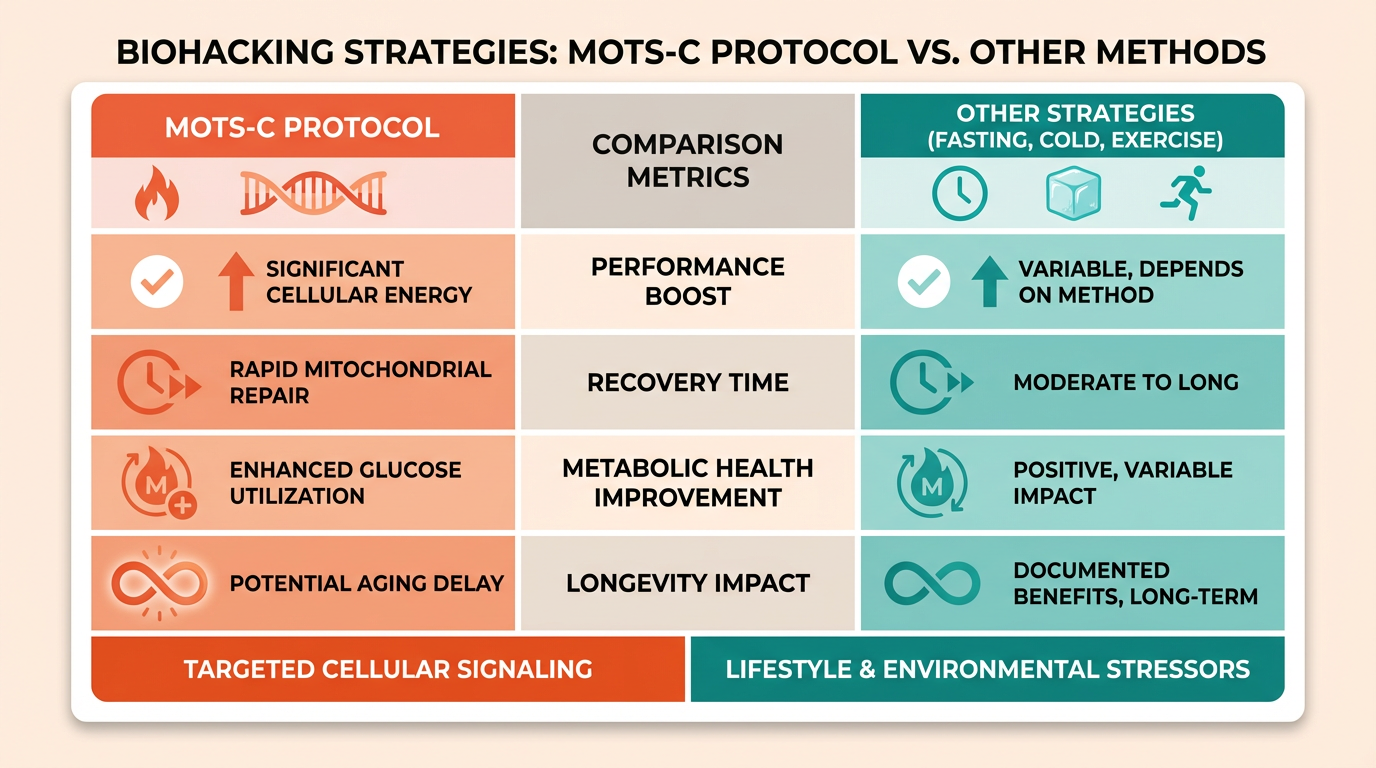
MOTS C peptide has become a cornerstone in biohacking circles due to its ability to enhance mitochondrial function, improve metabolic health, and boost physical performance. By integrating this mitochondrial-derived peptide into personalized biohacking protocols, users aim to optimize energy production, accelerate recovery, and extend healthspan. Below, we explore how MOTS C is applied in real-world scenarios, supported by case studies, user experiences, and comparisons with other strategies.
Case Studies: MOTS C in Action
Enhancing Athletic Performance
A biohacker using MOTS C reported a 12% increase in endurance during high-intensity interval training (HIIT) after 6 weeks of supplementation. This aligns with rodent studies showing that a single 15 mg/kg dose of MOTS C improves running time and distance by 12–15%. Another individual combined MOTS C with resistance training, noting faster muscle recovery and a 10% boost in lean mass over 3 months. These outcomes mirror research indicating MOTS C’s role in mitochondrial biogenesis and ATP production, as detailed in the MOTS C Peptide Mechanism of Action section.
Metabolic Reset for Weight Loss
A user with insulin resistance incorporated MOTS C into their biohacking stack alongside a low-carb diet and intermittent fasting. Over 12 weeks, they achieved a 6% reduction in body fat and improved HbA1c levels. This mirrors preclinical findings where MOTS C activates AMPK pathways, enhancing glucose uptake and fat oxidation. A 2023 study also linked higher serum MOTS C levels to greater muscle mass and metabolic flexibility in humans.
User Testimonials and Reported Outcomes
Energy and Cognitive Clarity
„After 8 weeks of MOTS C, my daily energy levels stabilized, and brain fog disappeared. I feel more alert during workouts and focused while working.“ – Biohacker, 42, using MOTS C at 5 mg twice weekly.
Anti-Aging and Longevity
„I started MOTS C at BiohackNow Longevity Clinic to address age-related fatigue. Within 3 months, my VO₂ max improved by 8%, and I lost 4% body fat without changes to diet or exercise.“ – User with sarcopenia concerns.
These testimonials reflect broader trends: users report enhanced mitochondrial efficiency, reduced inflammation, and better stress resilience. A 2021 double-blind trial of a synthetic MOTS C analog (CB4211) found it „safe and well-tolerated,“ with participants noting improved metabolic markers, as outlined in the Benefits of MOTS C Peptide for Health and Longevity section.
Comparisons With Other Biohacking Strategies
MOTS C vs. Traditional Peptides
Unlike peptides such as BPC-157 (focused on gut healing) or CJC-1295 (for muscle growth), MOTS C targets mitochondrial-nuclear communication. Its unique mechanism-activating AMPK and improving mitochondrial biogenesis-sets it apart for metabolic and endurance-focused goals.
MOTS C vs. Lifestyle Interventions
While exercise naturally elevates MOTS C levels (as shown in rodent studies), biohacking with the peptide offers a shortcut for those unable to train intensely. One user reduced sedentary fatigue by combining MOTS C with 20 minutes of daily „zone 2“ cardio, achieving mitochondrial benefits without overtraining.
Integration With Complementary Therapies
Stacking for Collaboration
Biohackers often pair MOTS C with other therapies to maximize outcomes:
- GLP-1 agonists: Enhance appetite suppression and insulin sensitivity.
- NAD⁺ therapy: Both support mitochondrial health and cellular repair.
- Growth hormone peptides: Preserve lean mass while accelerating recovery.
For example, a 2025 case study at BiohackNow Longevity Clinic involved a patient stacking MOTS C with semaglutide and resistance training, resulting in 9% body fat loss and improved muscle endurance in 90 days.
Lifestyle Integration
Optimal results require pairing the peptide with:
- Nutrition: High-protein, low-glycemic diets to support metabolic flexibility.
- Sleep: Prioritizing 7–9 hours to align circadian rhythms with mitochondrial repair.
- Stress management: Reducing cortisol to prevent mitochondrial dysfunction.
Challenges and Limitations
Safety and Regulatory Gaps
While early trials show promise, human data remain limited. Some studies suggest potential risks, including links to prostate/breast cancer in rodent models. Users must source pharmaceutical-grade MOTS C (available via BiohackNow Longevity Clinic) to avoid impurities in research-grade products, which may contain harmful contaminants, as discussed in the MOTS C Peptide for Sale: Quality and Safety Considerations section.
Dosage and Tolerance
The standard protocol (5 mg subcutaneous, twice weekly) works for many, but individual responses vary. Side effects like injection-site irritation or transient fatigue are reported in ~10% of users, per a 2026 review. Dosing adjustments under clinical supervision are critical, as outlined in the Dosage and Administration of MOTS C Peptide section.
Cost and Accessibility
Pharmaceutical-grade MOTS C is expensive and requires a prescription, limiting accessibility. Research-grade alternatives, though cheaper, lack quality control and are not recommended for long-term use.
Why BiohackNow Longevity Clinic Stands Out
Unlike generic providers, BiohackNow Longevity Clinic offers:
- Personalized dosing: Tailored to individual biomarkers (e.g., HbA1c, body composition).
- Transparency: Full disclosure of purity and sourcing for pharmaceutical-grade products.
- Monitoring: Ongoing lab testing to track metabolic improvements and adjust protocols.
By addressing both scientific and practical barriers, BiohackNow ensures users can use MOTS C safely while managing its complexities. As research evolves, this clinic remains at the forefront of integrating mitochondrial science into actionable biohacking strategies.
Final Thoughts: Is MOTS C Right for You?
MOTS C excels for individuals with metabolic imbalances, aging-related declines, or performance goals. However, it is not a standalone solution. Success depends on combining the peptide with exercise, nutrition, and medical oversight. For those seeking a science-backed edge in biohacking longevity and vitality, MOTS C-when used responsibly-offers a unique pathway to cellular optimization.
MOTS C Peptide for Sale: Quality and Safety Considerations

When purchasing MOTS C Peptide, prioritizing quality and safety is non-negotiable due to the risks associated with subpar or counterfeit products. Research-grade MOTS-C, often sold online, may contain impurities, inconsistent potency, or toxic contaminants that trigger adverse reactions. For example, studies show some research-grade batches have purity as low as 60%, raising concerns about efficacy and safety. To mitigate these risks, sourcing from providers that adhere to pharmaceutical-grade manufacturing standards is essential. BiohackNow Longevity Clinic ensures all MOTS-C products undergo rigorous third-party lab testing for purity (≥98%) and potency, verified through HPLC and mass spectrometry. As outlined in the Dosage and Administration of MOTS C Peptide section, precise formulation is critical for achieving therapeutic outcomes without compromising safety.
Why Sourcing Matters for MOTS C Peptide Safety
Sourcing MOTS C Peptide from reputable manufacturers is critical because low-quality products may contain harmful impurities or lack the intended potency. Research-grade MOTS-C, often sold online, can have purity as low as 60% and may include toxic contaminants that trigger adverse immune responses. In contrast, pharmaceutical-grade MOTS-C is produced under strict regulatory oversight, ensuring consistency and safety. BiohackNow Longevity Clinic sources its MOTS-C exclusively from FDA-registered facilities, providing documented proof of compliance with Good Manufacturing Practices (GMP). This transparency reduces the risk of counterfeit products, which are prevalent in the peptide market and often lack proper labeling or quality assurance. As highlighted in the MOTS C Peptide and Biohacking: Real-World Applications section, reliable sourcing is foundational for effective biohacking protocols.
How to Verify Authenticity and Quality
Authenticity concerns are significant in the peptide market, where counterfeit or mislabeled products are common. To avoid these risks, verify that the provider offers batch-specific certificates of analysis (COA) and third-party lab reports. COAs detail critical metrics like amino acid sequence accuracy, molecular weight, and sterility testing. BiohackNow Longevity Clinic provides digital access to COAs for every MOTS-C batch, ensuring traceability and accountability. Additionally, legitimate providers will have secure, tamper-evident packaging with unique batch numbers. Consumers should avoid providers that sell research-grade MOTS-C for human use, as these products bypass the safety protocols required for pharmaceutical-grade formulations. Building on concepts from the MOTS C Peptide Mechanism of Action section, the structural integrity of MOTS-C is vital for its biological activity, making verification of purity and composition essential.
Future of MOTS C Peptide Research and Development
The future of MOTS C Peptide research holds promise for transformative advancements, particularly in addressing metabolic and age-related conditions. Scientists are exploring its potential to enhance mitochondrial function, which could lead to breakthroughs in treating diabetes, cardiovascular health, and neurodegenerative diseases. As research progresses, MOTS C may become a cornerstone in personalized medicine, offering tailored solutions for biohackers and medical professionals alike.
What Are the Potential Medical Applications of MOTS C Peptide?
MOTS C’s ability to regulate mitochondrial biogenesis and energy metabolism positions it as a candidate for treating metabolic disorders. Early studies suggest it could help manage insulin resistance and obesity, potentially reducing the global burden of type 2 diabetes. Researchers are also investigating its role in neuroprotection, with preliminary data indicating it may slow age-related cognitive decline. For example, a 2026 review highlights its potential to improve vascular health, which could lower risks for heart disease. As mentioned in the Benefits of MOTS C Peptide for Health and Longevity section, these applications align with its established role in enhancing metabolic efficiency and cellular resilience.
In biohacking circles, MOTS C is gaining traction for its possible effects on endurance and recovery. Athletes and fitness enthusiasts may benefit from its ability to enhance mitochondrial efficiency, as seen in studies showing increased skeletal muscle activity after long-term use. This dual focus on medical and performance applications underscores its versatility. Building on concepts from the MOTS C Peptide and Biohacking: Real-World Applications section, future innovations could expand its use in both clinical and athletic contexts.
How Might Delivery Methods Evolve?
Current MOTS C formulations require subcutaneous injections, which limits accessibility. Future developments may prioritize oral or transdermal delivery systems, making the peptide more user-friendly. Advances in nanoparticle technology could also improve bioavailability, ensuring higher efficacy with lower doses. These innovations would align with broader trends in peptide therapeutics, where convenience and stability are key priorities. For details on current administration guidelines, refer to the Dosage and Administration of MOTS C Peptide section.
What collaboration Could MOTS C Have With Other Therapies?
Combining MOTS C with existing treatments may enable new therapeutic pathways. For instance, pairing it with NAD+ boosters could amplify mitochondrial repair processes, while stacking it with antioxidants might enhance cellular resilience. Researchers are also examining its compatibility with hormone replacement therapies, aiming to address aging-related declines in a holistic manner. Such combinations could redefine approaches to chronic disease management, as outlined in the Why MOTS C Peptide Matters section.
What Challenges Hinder Further Research?
Despite its potential, MOTS C faces hurdles in clinical translation. Standardizing dosing protocols remains a challenge, as studies show variability in optimal concentrations. Regulatory frameworks for mitochondrial-targeted therapies are still emerging, complicating approval pathways. Additionally, long-term safety data is limited, requiring more strong clinical trials. These barriers emphasize the need for collaborative efforts between academia, industry, and regulatory bodies.
What Is BiohackNow Longevity Clinic’s Vision for MOTS C?
BiohackNow Longevity Clinic envisions MOTS C as a pillar of its anti-aging and performance enhancement programs. The clinic prioritizes personalized protocols, using genetic and metabolic profiling to optimize dosing for individual clients. Unlike generic providers, BiohackNow emphasizes transparency, offering third-party tested formulations and ongoing support for users. Its research arm is also focused on validating MOTS C’s effects in real-world settings, ensuring evidence-based applications as detailed in the MOTS C Peptide for Sale: Quality and Safety Considerations section.
By addressing these challenges and using emerging technologies, MOTS C could transition from a niche biohacking tool to a mainstream therapeutic. As BiohackNow Longevity Clinic and other innovators push the boundaries of mitochondrial science, the peptide’s role in human health is poised to expand significantly.
Frequently Asked Questions
1. What is MOTS C Peptide and how does it function in the body?
MOTS C is a 16-amino-acid mitochondrial peptide that regulates metabolism by activating AMPK, enhancing glucose uptake, and reducing inflammation. It translocates to the nucleus under stress, improving cellular energy efficiency and combating age-related decline.
2. What are the key health benefits supported by research?
Studies show MOTS C reduces aortic calcium by 55.7% in rats, improves insulin sensitivity in mice, and boosts exercise performance. It also lowers vascular calcification and heart failure risk via AMPK activation.
3. How does MOTS C compare to other anti-aging peptides?
Unlike most peptides, MOTS C originates from mitochondrial DNA and uniquely bridges metabolic regulation with nuclear communication. Its dual role in energy homeostasis and longevity makes it distinct in preclinical research.
4. What evidence supports its effectiveness in humans?
Human studies are limited, but MOTS C levels decline by 11% in middle age and 21% in older adults. Exercise increases circulating MOTS C by 1.5–1.6 times, correlating with improved metabolic flexibility in clinical observations.
5. What are the administration methods and safety considerations?
Preclinical studies use subcutaneous injections, but human administration methods remain unverified. Safety data is sparse, so consulting healthcare professionals is critical before use.
6. Can MOTS C reverse age-related metabolic decline?
In mice, low-dose MOTS C reverses age-related insulin resistance. While promising, human trials are needed to confirm its efficacy in reversing metabolic aging.
7. What is the current status of MOTS C research?
Over 20 preclinical studies highlight its metabolic and cardiovascular benefits, but human trials are ongoing. Researchers focus on optimizing delivery methods and validating long-term safety.
Free 15-Minute Discovery Call
Ready to take the guesswork out of your health?
Book a free 15-minute call with Monika to talk through your goals, what testing makes sense for you, and the right next step. No pressure, just clarity.
Book Your Free CallFor educational purposes only. Not medical advice.