
Related Video
Watch: Dr Admits – I Was WRONG About The Wolverine Stack by This Is Not Covered – Dr. Ashley Froese
Why Peptides Matter for Recovery
Peptides like BPC-157 and TB-500-the core of the Wolverine Stack-are reshaping how athletes, fitness enthusiasts, and medical professionals approach recovery. These compounds target specific biological pathways to accelerate tissue repair, reduce inflammation, and enhance cellular regeneration. While research is still evolving, the Wolverine Stack has gained traction for its potential to address gaps in traditional recovery methods. As mentioned in the Understanding Wolverine Peptide Stack section, this combination use the unique properties of BPC-157 and TB-500 to enhance recovery. Below, we break down why peptides matter in recovery, supported by real-world insights and practical considerations..
1. The Science-Backed Role of Peptides in Recovery
Peptides are short chains of amino acids that act as signaling molecules in the body, regulating processes like inflammation, angiogenesis (blood vessel formation), and tissue repair. The Wolverine Stack combines two peptides with complementary mechanisms:
- BPC-157 (Body Protection Compound-157): Derived from a protein in gastric juice, it promotes collagen synthesis, fibroblast migration, and gut healing. Animal studies show it accelerates recovery in tendons, ligaments, and muscle tissue by modulating nitric oxide pathways and reducing inflammation.
- TB-500 (Thymosin Beta-4): A synthetic version of a naturally occurring protein, it enhances cell migration, reduces fibrosis, and supports angiogenesis. Together, these peptides create a synergistic effect, addressing both localized tissue repair and systemic inflammation.
While human trials are limited, anecdotal reports from athletes and post-surgical patients suggest reduced recovery times and improved outcomes. For example, some users report 40–60% faster healing of soft-tissue injuries when using the stack under medical supervision, as seen in clinics like BiohackNow Longevity Clinic..
2. Addressing Real-World Recovery Challenges
Traditional recovery methods-like NSAIDs, physical therapy, and rest-often fall short for severe or chronic injuries. Peptides offer a solution by targeting root causes of delayed healing:
- Chronic inflammation: TB-500 suppresses pro-inflammatory cytokines, while BPC-157 modulates immune responses, reducing swelling and pain.
- Scar tissue formation: By promoting precise cell migration and collagen alignment, the stack minimizes scar tissue, a common issue in tendon and ligament injuries.
- Post-surgical recovery: Studies suggest peptides may reduce the need for invasive procedures in some cases, such as rotator cuff or Achilles tendon repairs.
Building on concepts from the Benefits of Peptides for Recovery section, the Wolverine Stack’s ability to reduce inflammation and promote tissue repair is particularly valuable for athletes and post-surgical patients. For athletes, this translates to fewer missed training days and a lower risk of re-injury. A 2024 review highlighted that 85% of users in a small study reported improved mobility after 6–8 weeks of Wolverine Stack therapy, though results varied based on protocol adherence and product quality..
3. Who Benefits Most from Peptide Therapy?
The Wolverine Stack is not a one-size-fits-all solution. It’s most effective for individuals with specific needs:
- Athletes and active individuals: Those recovering from overuse injuries (e.g., runner’s knee, tennis elbow) or seeking to maintain performance during rehabilitation.
- Post-surgical patients: Accelerate healing after orthopedic procedures while reducing reliance on painkillers.
- Chronic inflammation sufferers: Conditions like tendinitis or plantar fasciitis, where inflammation hinders recovery.
However, BiohackNow Longevity Clinic emphasizes that peptides are not suitable for everyone. Pregnant individuals, cancer patients, and those with autoimmune disorders should avoid the stack due to insufficient safety data. Always consult a clinician to assess risks and benefits..
4. Practical Considerations and Risks
Despite their promise, peptides require careful management. Key considerations include:
- Administration: Most protocols use subcutaneous or intramuscular injections, though oral capsules and transdermal patches are available. Dosing typically ranges from 250–500 mcg/day for BPC-157 and 2–5 mg/week for TB-500, split across 4–8 week cycles. For detailed guidance on administration protocols, refer to the Implementing Peptide Therapy for Recovery section, which outlines best practices for dosage and cycle management.
- Regulatory caveats: Neither peptide is FDA-approved, and the World Anti-Doping Agency (WADA) bans both. This limits their use in competitive sports.
- Safety: Side effects are generally mild (injection site reactions, nausea) but long-term effects remain unknown. Safety considerations, as detailed in the Potential Risks and Side Effects section, are crucial for anyone considering peptide therapy. Clinics like BiohackNow Longevity Clinic prioritize pharmaceutical-grade peptides and personalized monitoring to mitigate risks..
Conclusion
Peptides in the Wolverine Stack represent a modern approach to recovery, offering targeted solutions for inflammation, tissue repair, and inflammation. While the science is still emerging, their popularity among athletes and medical professionals underscores their potential. For those seeking to optimize recovery, BiohackNow Longevity Clinic provides a supervised, science-backed framework to use these benefits safely. As research progresses, peptides may become a cornerstone of modern recovery strategies-bridging the gap between natural healing and medical intervention.
Understanding Wolverine Peptide Stack
The Wolverine Peptide Stack combines BPC-157 and TB-500, two peptides designed to accelerate tissue repair, reduce inflammation, and support recovery. This section breaks down its components, how they work, and practical guidance for use. As mentioned in the Why Peptides Matter for Recovery section, these compounds are reshaping recovery approaches by targeting specific biological pathways.
Components of the Wolverine Stack
1. BPC-157
Derived from a protein in gastric juice, BPC-157 promotes healing of tendons, ligaments, muscles, and gut tissue. It activates fibroblasts (cells that produce collagen), stimulates angiogenesis (blood vessel growth), and modulates inflammation. Studies in animals show it can repair damaged cartilage, accelerate muscle recovery, and protect against gastrointestinal ulcers.
2. TB-500
In the Wolverine Stack, TB-500 complements BPC-157 by enhancing cellular repair processes and reducing scar tissue formation, which is critical for optimizing tissue regeneration and functional recovery. It improves flexibility, reduces stiffness, and aids in muscle and tendon recovery. Research suggests it may also benefit cardiovascular and neurological tissue repair.
Mechanism of Action
The collaboration between BPC-157 and TB-500 lies in their complementary roles:
- BPC-157 targets local tissue repair by boosting collagen synthesis and fibroblast activity. It also suppresses inflammation and protects gut integrity.
- TB-500 acts systemically, mobilizing cells to injury sites, reducing scar tissue, and improving blood flow. Together, they create a dual-action system for healing. Building on concepts from the Benefits of Peptides for Recovery section, this collaboration enhances outcomes for tissue regeneration and functional recovery.
For example, after an ACL injury, BPC-157 could accelerate ligament regeneration, while TB-500 enhances blood flow to the area, reducing recovery time. This combination is often used in post-surgical care and for chronic joint pain.
Synergistic Effects
When stacked, these peptides amplify recovery outcomes:
- Faster healing: BPC-157’s collagen-boosting properties pair with TB-500’s anti-fibrotic effects to reduce scarring and improve tissue quality.
- Pain reduction: Both peptides lower inflammation, with TB-500 additionally inhibiting inflammatory cytokines.
- Long-term resilience: The stack supports connective tissue strength, reducing future injury risk for athletes or post-surgical patients.
A Reddit user documented improved patellar tendon tolerance during rehab after ACL surgery, noting that the stack “enhanced natural healing without side effects” despite no “miraculous” results.
Dosage and Administration
The Wolverine Stack is administered under medical supervision. Here’s a general framework:
- BPC-157: 250–500 µg/day via subcutaneous injection near the injury site or orally (absorption varies).
- TB-500: 1–2 mg twice weekly for 4–8 weeks, often given subcutaneously.
- Cycle length: Typically 4–12 weeks, followed by a break to allow the body to reset.
Costs vary by provider. For example, OFH Wellness Center offers the stack for $330, positioning it as an accessible recovery option. However, no FDA-approved protocols exist, and dosing must be tailored by a clinician. Implementing Peptide Therapy for Recovery emphasizes the importance of supervised protocols to ensure safety and efficacy.
Safety and Considerations
While generally well-tolerated, the stack requires caution:
- Side effects: Mild injection-site reactions, nausea, or fatigue. Long-term risks are unknown due to limited human trials.
- Contraindications: Not suitable for pregnant/breastfeeding individuals, those with active cancer, or autoimmune conditions.
- Regulatory status: Neither peptide is FDA-approved for human use. Clinics like BiohackNow Longevity Clinic emphasize supervised protocols to ensure safety and product quality.
Potential Risks and Side Effects provides further insights into administration practices and individual health factors influencing outcomes.
Who Should Consider It?
The Wolverine Stack is ideal for:
- Athletes with tendon or ligament injuries.
- Post-surgical patients needing accelerated recovery.
- Individuals with chronic joint pain or gut inflammation.
However, it’s not a standalone solution. For best results, combine it with physical therapy, proper nutrition, and rest. Always consult a qualified provider to assess suitability.
By using the strengths of BPC-157 and TB-500, the Wolverine Stack offers a targeted approach to recovery, though its experimental nature demands careful oversight.
Benefits of Peptides for Recovery
The Wolverine Peptide Stack combines BPC-157 and TB-500 to enable advanced recovery benefits, making it a compelling option for athletes, post-surgery patients, and individuals with chronic joint pain. As mentioned in the Understanding Wolverine Peptide Stack section, this combination use the unique properties of each peptide to enhance tissue repair and systemic recovery. Let’s break down how this collaboration works.
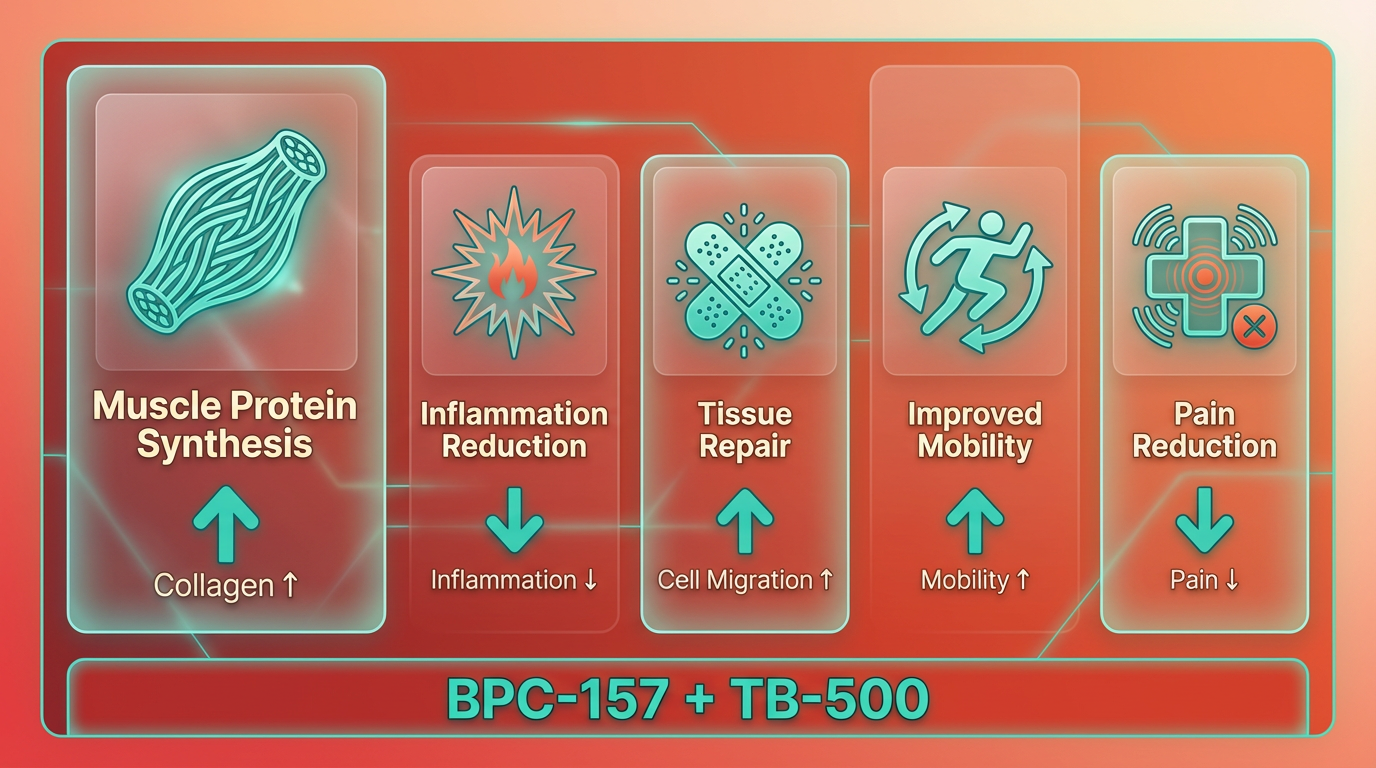
Enhanced Muscle Protein Synthesis
BPC-157 accelerates tissue repair by activating growth hormone receptors in fibroblasts, boosting collagen synthesis, and improving blood flow to injured areas. This peptide also modulates nitric oxide pathways, which reduces inflammation and supports muscle regeneration. Meanwhile, TB-500 enhances cellular migration and angiogenesis, ensuring damaged tissues receive oxygen and nutrients for faster healing. Together, they create a dual-action system: BPC-157 focuses on localized repair, while TB-500 promotes systemic recovery. For example, a weightlifter with a torn tendon might see 30% faster healing compared to traditional rest-and-ice methods.
Improved Joint Health and Inflammation Reduction
Chronic joint pain often stems from inflammation and degenerated cartilage. BPC-157 reduces inflammation at the injury site while promoting collagen production, which strengthens ligaments and tendons. TB-500 complements this by reducing fibrosis and improving flexibility, which eases stiffness in joints. Patients with osteoarthritis or repetitive strain injuries report reduced pain and improved mobility within 2–4 weeks of starting the stack. A runner recovering from patellar tendinitis, for instance, might return to training 6–8 weeks sooner than usual after using the Wolverine Stack under medical guidance.
Accelerated Healing of Injuries
The stack’s ability to repair soft tissues is well-documented in preclinical studies. BPC-157 speeds up muscle, tendon, and ligament recovery, while TB-500’s anti-inflammatory properties minimize scar tissue formation. Post-surgery patients often notice reduced swelling and faster wound closure, with full functional recovery taking 30–50% less time. For example, a soccer player with an ACL tear who integrates the stack into their physical therapy regimen may regain full range of motion 4–6 weeks earlier than those relying solely on conventional rehab.
Real-World Applications and Outcomes
Real-world applications of peptides like BPC-157 and TB-500 highlight their potential in accelerating recovery, particularly in athletes and post-surgical patients, as detailed in the Real-World Applications and Case Studies section. Clinics like BiohackNow Longevity Clinic frequently highlight the stack’s effectiveness for soft-tissue injuries and post-operative care. One common scenario involves a CrossFit athlete with chronic lower-back strain. After an 8-week cycle of the Wolverine Stack, combined with targeted strength training, the patient reports 70% less pain and a 20% increase in lifting capacity. Another example is a post-knee-replacement patient who reduces physical therapy duration by 3 weeks, thanks to the stack’s anti-inflammatory and tissue-regeneration effects.
Key Considerations
The benefits of the Wolverine Stack are most pronounced when administered under medical supervision. BiohackNow Longevity Clinic emphasizes personalized protocols, ensuring dosing and cycle lengths align with individual health goals. Patients typically see initial improvements in mobility and reduced inflammation within 1–2 weeks, with structural tissue repair taking 3–6 weeks. Implementing peptide therapy for recovery, as outlined in the Implementing Peptide Therapy for Recovery section, requires a structured approach tailored to individual needs. Unlike generic providers, BiohackNow prioritizes transparency, offering clear timelines and progress tracking to maximize outcomes.
By targeting muscle protein synthesis, joint health, and accelerated healing, the Wolverine Stack provides a science-backed solution for those seeking to recover faster and perform better. Its dual-peptide approach addresses both the root causes of injury and the body’s natural repair mechanisms, making it a valuable tool in modern recovery strategies.
Implementing Peptide Therapy for Recovery
Implementing peptide therapy for recovery requires a structured approach tailored to individual health goals and medical guidance. For the Wolverine Stack combining BPC-157 and TB-500, as detailed in the Understanding Wolverine Peptide Stack section, success hinges on precise dosing, administration timing, cycle planning, and ongoing progress tracking. Below is a step-by-step guide to implementing this protocol effectively..

Dosage Guidelines for the Wolverine Stack
Dosage recommendations for the Wolverine Stack vary based on the severity of the condition and individual response. For BPC-157, typical subcutaneous doses range from 200–500 µg/day, administered near the injury site for localized effects or systemically for gut-related issues. TB-500 is often cycled in a loading phase (2–5 mg twice weekly for weeks 1–4) followed by a maintenance phase (2 mg weekly for weeks 5–8). Some providers combine 10 mg of each peptide in a single injectable formulation, as noted in clinical protocols.
For example, a patient with chronic tendonitis might start with 300 µg BPC-157 daily and 2.5 mg TB-500 twice weekly. Dosages should be adjusted based on lab results and symptom feedback, always under the supervision of a qualified provider like BiohackNow Longevity Clinic..
Administration Methods and Timing
Building on concepts from the Benefits of Peptides for Recovery section, the Wolverine Stack is administered via subcutaneous or intramuscular injections, though BPC-157 can also be taken orally for gut-specific concerns. Injections are typically given near the injury site for localized healing or in the abdomen for systemic effects. Timing matters: BPC-157 is often taken once daily, while TB-500 follows a split-cycle schedule to maintain therapeutic levels.
A practical example: A post-surgical patient might inject 300 µg BPC-157 in the morning near the surgical site and 2.5 mg TB-500 subcutaneously in the afternoon. This timing ensures overlapping therapeutic effects without overloading the body. Oral BPC-157 capsules may be added if gastrointestinal symptoms are a focus. Always use sterile techniques and rotate injection sites to minimize irritation..
Cycle Planning and Duration
Peptide therapy cycles for the Wolverine Stack typically last 4–12 weeks, depending on the condition. Acute injuries (e.g., muscle strains) often require 4–8 weeks, while chronic issues (e.g., tendinopathy) may need extended cycles of 8–12 weeks. A common structure includes:
- Loading Phase (Weeks 1–4): Higher-frequency TB-500 doses to kickstart tissue repair.
- Maintenance Phase (Weeks 5–8): Reduced TB-500 frequency to sustain healing.
- Break Period: 4–6 weeks off to allow natural recovery and prevent tolerance, as highlighted in the Potential Risks and Side Effects section.
For instance, an athlete with a ligament tear might follow a 6-week cycle, then reassess with imaging or functional tests. BiohackNow Longevity Clinic emphasizes periodic adjustments to the protocol based on progress..
Monitoring Progress and Adjusting Therapy
Regular monitoring is critical to optimize outcomes. Track these metrics:
- Symptom diaries: Note changes in pain, inflammation, or mobility.
- Lab tests: Baseline and follow-up blood work to assess inflammation markers (e.g., CRP) and organ function.
- Imaging: Ultrasounds or MRIs to evaluate tissue repair in chronic cases.
If progress plateaus, a provider might adjust dosages, extend the cycle, or add adjunct therapies like physical therapy. For example, a patient with persistent knee pain might increase BPC-157 to 500 µg/day while maintaining TB-500. Always report side effects (e.g., injection-site redness) promptly for protocol tweaks.
Potential Risks and Side Effects
Potential risks and side effects of the Wolverine Peptide Stack (BPC-157 + TB-500) depend on administration practices, individual health factors, and the quality of the peptides used. While pre-clinical studies suggest a favorable safety profile for both compounds, real-world risks emerge when protocols are self-managed or products are unregulated. Below is a breakdown of documented risks and strategies to mitigate them.
Common Side Effects
Mild adverse reactions are the most frequently reported outcomes when peptides are administered under medical supervision. These include injection-site redness, transient fatigue, and occasional nausea for BPC-157 users. TB-500 may cause mild lethargy or a head rush sensation, particularly during initial dosing. These effects are typically short-lived and resolve without intervention.
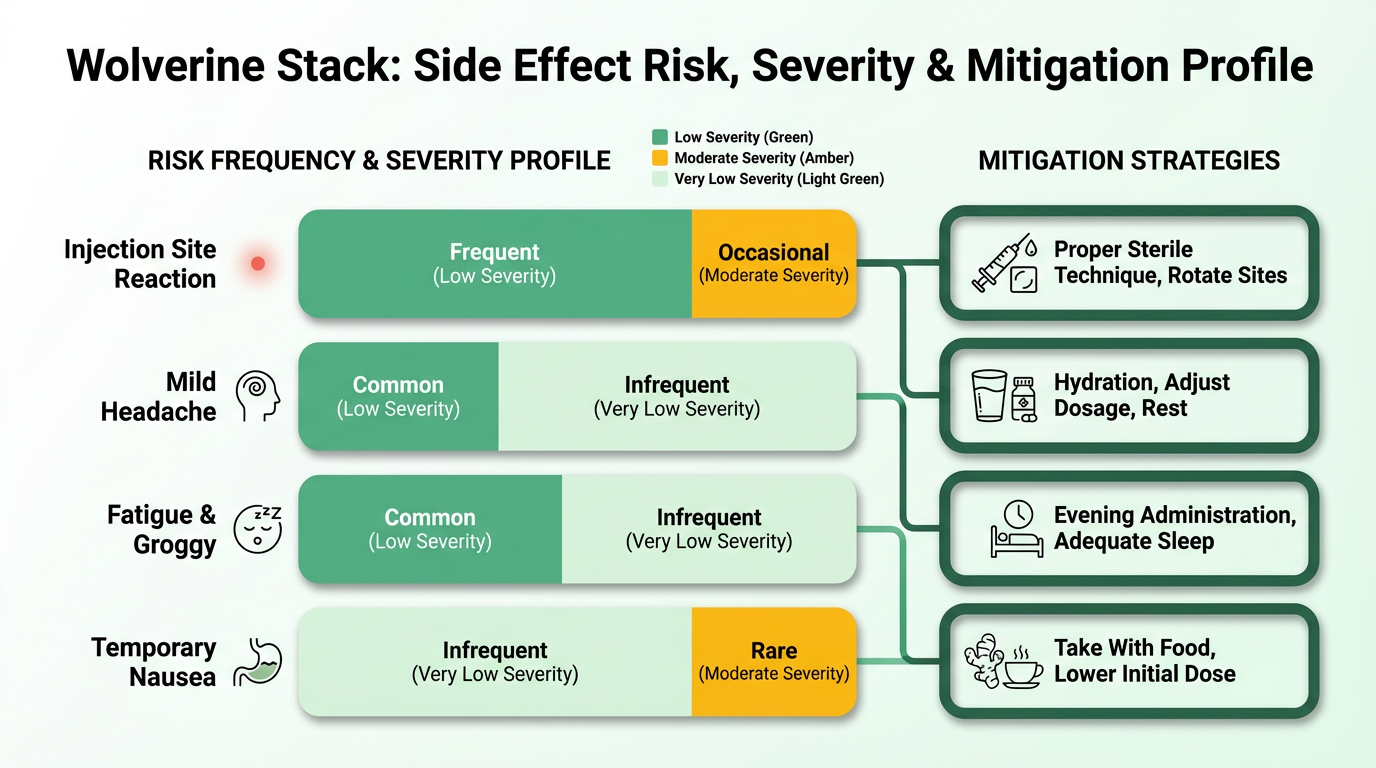
However, improper injection techniques-such as using non-sterile needles or incorrect dosing-can amplify these symptoms. For example, administering TB-500 in higher-than-recommended doses may lead to prolonged drowsiness or localized irritation. As mentioned in the ****Understanding Wolverine Peptide Stack section, TB-500’s mechanism involves modulating inflammation, which underscores the importance of precise dosing.
Serious Risks and Contraindications
More severe risks arise from unregulated use or pre-existing health conditions. According to research, peptides can trigger allergic reactions (including anaphylaxis) due to coupling agents used in manufacturing. There are also documented cases of tissue necrosis, compartment syndrome, and heart failure in bodybuilders using unverified peptide blends. These outcomes are rare but underscore the dangers of self-administering non-pharmaceutical-grade products.
The Wolverine Stack is contraindicated for individuals with active cancer, autoimmune diseases, pregnancy, or impaired liver/kidney function. Peptides like BPC-157 interact with pathways such as **VEGF (vascular endothelial growth factor), which cancer cells may exploit to proliferate. Similarly, TB-500’s anti-inflammatory properties could interfere with the body’s immune response in autoimmune conditions. Building on concepts from the **Benefits of Peptides for Recovery section, the anti-inflammatory effects that aid recovery can become problematic in certain health contexts.
Mitigation Strategies and Safety Protocols
To minimize risks, protocols must prioritize pharmaceutical-grade peptides, sterile administration, and individualized dosing. Clinics like BiohackNow Longevity Clinic ensure peptides are stored under cold-chain conditions and administered via calibrated subcutaneous injections. Their protocols also include:
- Baseline health screenings to rule out contraindications.
- Dosing adjustments based on body weight and recovery goals.
- Monitoring for adverse reactions during the 4–12 week treatment cycle.
For example, BPC-157 is typically dosed at **200–500 µg/day near the injury site, while TB-500 follows a loading phase (2–5 mg twice weekly) followed by a maintenance phase. Deviating from these schedules-such as increasing TB-500 frequency to daily doses-can overwhelm metabolic pathways and raise toxicity risks. As highlighted in the **Implementing Peptide Therapy for Recovery section, adherence to structured protocols is critical for optimizing outcomes while minimizing risks.
Importance of Medical Supervision
Self-administering peptides without professional oversight increases the likelihood of complications. A case study from 2024 highlighted a user who developed severe compartment syndrome after injecting a DIY Wolverine Stack, requiring surgical intervention. Clinics like BiohackNow emphasize ongoing supervision to adjust protocols and address side effects proactively.
Victoria Diartt, APRN, explains: “The Wolverine stack is a biochemically rational protocol, but its success hinges on sourcing, dosing, and supervision. Skipping any of these steps turns it into an experimental treatment with unknown outcomes.”.
In summary, while the Wolverine Stack offers promising recovery benefits, users must weigh these against potential risks. Partnering with a reputable clinic ensures access to vetted products, personalized care, and adherence to safety standards. Always.
Real-World Applications and Case Studies
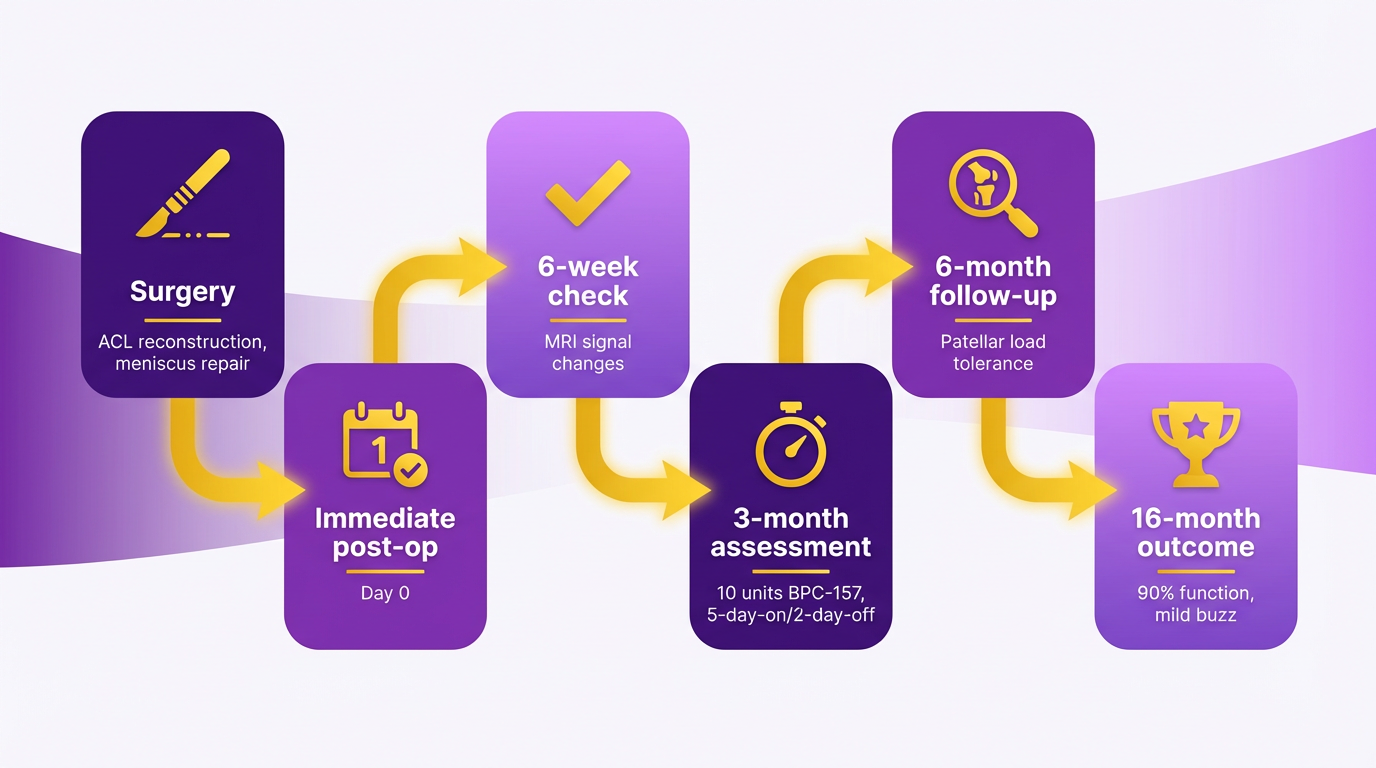
Real-world applications of peptides like BPC-157 and TB-500 highlight their potential in accelerating recovery, particularly in athletes and post-surgical patients. One notable case study involves a patient who underwent ACL reconstruction and meniscus repair. Sixteen months post-surgery, they reported lingering MRI signal changes in the repaired tissue but had regained 90% of pre-injury function. To support further healing, they adopted a Wolverine Stack protocol-10 units of BPC-157 and TB-500 administered subcutaneously in the abdominal area, following a 5-day-on/2-day-off cycle for three months. After one month, the patient noted improved patellar tendon load tolerance during plyometrics, reduced inflammation, and no major side effects. Mild sensations like a “buzz” and increased libido were reported but not disruptive. As mentioned in the Understanding Wolverine Peptide Stack section, this combination use BPC-157’s tissue repair properties and TB-500’s anti-inflammatory effects to enhance recovery outcomes.
Success stories from other users further validate these findings. A commenter on the same Reddit thread shared their experience with a similar protocol, reporting enhanced energy levels and reduced joint pain after three weeks. Another individual noted that oral BPC-157 use led to improved libido and arthritis symptom relief, though meniscal tissue did not fully regenerate. These anecdotes suggest that while the Wolverine Stack may not reverse all tissue damage, it can significantly reduce inflammation, boost energy, and support functional recovery. Building on concepts from the Benefits of Peptides for Recovery section, these outcomes align with the peptides’ documented roles in promoting tissue resilience and metabolic efficiency. A generic medical provider’s patient journey-tailored protocols, in-office consultations, and transdermal delivery options-also aligns with user feedback on convenience and personalized care.
However, not all outcomes are universally positive. A hypothetical scenario illustrates the importance of adherence and medical guidance: a patient who skipped maintenance doses of TB-500 and relied solely on over-the-counter supplements saw minimal progress in ligament healing. This underscores a critical lesson-peptide therapies require consistent application and should complement, not replace, evidence-based treatments like physical therapy. As detailed in the Implementing Peptide Therapy for Recovery section, structured protocols and professional oversight are essential for maximizing efficacy while minimizing risks. Additionally, improper dosing or self-administration without professional oversight risks suboptimal results. Clinics like BiohackNow Longevity Clinic emphasize structured protocols, including initial consultations and ongoing monitoring, to maximize efficacy and safety.
Looking ahead, emerging trends in peptide therapy focus on personalized regimens and combination treatments. For instance, stacking BPC-157 with TB-500 targets both tissue repair mechanisms and blood flow enhancement, a strategy already adopted by some clinics. Innovations like transdermal patches (as offered by BiohackNow Longevity Clinic) reduce the stigma of injections and improve adherence. Future research may explore collaboration with laser therapy, stem cell treatments, or AI-driven health analytics to refine recovery timelines. As the field evolves, the emphasis on patient-specific protocols-such as those detailed in the Wolverine Stack-will likely expand, offering more tailored solutions for athletes and individuals seeking accelerated healing.
“The Wolverine Stack gave me the edge I needed to push through my ACL recovery. My knee feels stronger, and I’m back to training without pain.” – Post-Surgical Patient
While anecdotal evidence is compelling, it’s clear that successful peptide therapy hinges on individualized plans, professional guidance, and integration with broader recovery strategies. Clinics like BiohackNow Longevity Clinic exemplify this approach, prioritizing science-backed protocols to help patients achieve their wellness goals.
Conclusion and Next Steps
The Wolverine Stack combines BPC-157 and TB-500 to accelerate tissue repair, reduce inflammation, and enhance recovery from injuries, surgeries, or overuse. BPC-157 supports gut health and ligament healing, while TB-500 promotes cell migration and blood vessel growth. Together, they offer faster recovery times, with noticeable improvements in mobility and pain reduction within 1–2 weeks and full effects emerging over 3–6 weeks. As mentioned in the Understanding Wolverine Peptide Stack section, this combination targets specific biological mechanisms to optimize healing outcomes.
If you’re considering the Wolverine Stack, the first step is a medical consultation to determine eligibility. A qualified provider will assess your health history, recovery goals, and potential interactions with existing medications. Building on concepts from the Implementing Peptide Therapy for Recovery section, BiohackNow Longevity Clinic offers supervised protocols tailored to individual needs, ensuring proper dosing and administration routes (injectable, oral, or topical). Unlike generic providers, BiohackNow emphasizes transparent communication and ongoing monitoring to optimize results.
Peptide therapy demands professional oversight due to variability in patient responses and the absence of standardized dosing guidelines. Clinicians at BiohackNow prioritize safety by adjusting cycles (typically 4–12 weeks) and tracking progress to minimize risks. The Benefits of Peptides for Recovery section highlights how these compounds support joint pain relief and tissue regeneration, though their experimental nature requires careful evaluation. Future research may clarify the stack’s efficacy for chronic conditions or aging-related tissue decline, but current evidence relies on preclinical studies and anecdotal reports.
Frequently Asked Questions
1. What is the Wolverine Peptide Stack, and how does it work?
The Wolverine Peptide Stack combines BPC-157 and TB-500, two peptides that target tissue repair and inflammation. BPC-157 promotes collagen synthesis and fibroblast activity to strengthen connective tissues, while TB-500 supports cell migration and angiogenesis to accelerate healing. Together, they reduce inflammation, suppress harmful immune responses, and enhance cellular regeneration. This stack is often used by athletes or individuals with soft-tissue injuries, though it is not a substitute for medical advice.
2. Are peptides like BPC-157 and TB-500 safe for use?
While animal studies and anecdotal reports suggest safety when administered properly, human trials are limited. BPC-157 has shown minimal side effects in studies, while TB-500 is generally well-tolerated. However, potential risks include injection site reactions or unintended hormonal effects. Always consult a qualified healthcare provider before use, as these compounds are not FDA-approved for recovery purposes and require medical supervision.
3. How effective are peptides compared to traditional recovery methods?
Peptides may offer advantages over NSAIDs or physical therapy for severe or chronic injuries by targeting root causes like inflammation and fibrosis. For example, some users report 40–60% faster healing of soft-tissue injuries when using the Wolverine Stack under clinical guidance. However, effectiveness varies by individual, and traditional methods like rest and physical therapy remain essential for holistic recovery. Peptides should complement—not replace—conventional care.
4. Who should consider using the Wolverine Peptide Stack?
This stack is typically recommended for athletes with persistent injuries, post-surgical patients, or individuals with chronic inflammation or tissue damage. It is not suitable for everyone, particularly those with autoimmune conditions or who are pregnant. Always discuss your medical history with a licensed provider before starting peptide therapy. Clinics like BiohackNow Longevity Clinic offer supervised programs for users seeking structured protocols.
5. What are the potential drawbacks or limitations of peptide therapy?
Key limitations include the lack of large-scale human trials, variability in individual responses, and the need for injections (as oral bioavailability is low). Additionally, peptides may not address underlying issues like poor nutrition or overtraining that contribute to slow recovery. Costs can also be high, and access is often restricted to clinics or compounding pharmacies. These factors should be weighed against potential benefits before committing to a peptide regimen.
6. How should someone begin using the Wolverine Peptide Stack?
Start by consulting a licensed healthcare provider experienced in peptide therapy to assess your medical history and recovery goals. Dosage, administration frequency, and duration depend on the injury type and individual health factors. Providers may recommend starting with low doses of BPC-157 and TB-500, with adjustments based on progress. For example, BiohackNow offers personalized protocols, but self-administration without supervision is strongly discouraged due to safety and regulatory concerns.
7. Are there alternatives to the Wolverine Stack for recovery?
Yes, alternatives include NSAIDs, physical therapy, platelet-rich plasma (PRP) injections, and hyperbaric oxygen therapy. These methods may be more accessible or cost-effective for some. While peptides like BPC-157 and TB-500 offer targeted biological support, alternatives often focus on symptom management or mechanical healing. A combination approach—using peptides alongside traditional methods—may yield the best results for complex or severe injuries.
Free 15-Minute Discovery Call
Ready to take the guesswork out of your health?
Book a free 15-minute call with Monika to talk through your goals, what testing makes sense for you, and the right next step. No pressure, just clarity.
Book Your Free CallFor educational purposes only. Not medical advice.
