
Key Takeaways
- VO₂ max is both a key performance metric and a top predictor of longevity in midlife women.
- Mitochondrial health supports athletic endurance and cellular longevity simultaneously.
- The four-strand model balances health, performance, spiritual, and foundational needs for holistic optimization.
- Sex-specific training adjustments and nutrient timing are critical for personalized biohacking protocols.
- Tools like the Biohackr app centralize protocol tracking and health metrics to correlate interventions effectively.
- Over-optimization risks arise when individual variability in biohacking protocols is ignored.
- Intermit… [incomplete data in source; assume intermittent fasting or similar protocols require tailored application].
Related Video
Watch: Biohack Your Fitness Optimizing Performance, Health & Wellness by Optimal Living Lab
Why Performance and Health Optimization Matter
The interdependence of performance and health optimization is most clearly illustrated in the Comparing Performance and Health Optimization section, which highlights how these concepts overlap yet serve distinct purposes. For instance, VO₂ max-a measure of cardiovascular efficiency-is not only a performance metric but also one of the strongest predictors of longevity in midlife women, as discussed in the Understanding Health Optimization section. Similarly, mitochondrial health, critical for both athletic endurance and cellular longevity, is explored in depth in the Biohacking Protocols for Performance and Health Optimization section.
The four-strand model from Victoria Lorrimar’s research, which emphasizes balancing health and performance with spiritual and foundational needs, aligns with the Personalized Approaches to Performance and Health Optimization section. This framework underscores the importance of addressing individual variability in protocols, such as sex-specific training adjustments or nutrient timing, to avoid pitfalls like over-optimization.
Tools like the Biohackr app, which centralizes protocol tracking and health metrics, are further detailed in the Biohacking Protocols for Performance and Health Optimization section. These tools enable users to correlate interventions like intermittent fasting or resistance training with outcomes, reflecting the dual focus on performance gains and systemic health.
Understanding Performance Optimization
Performance optimization in biohacking refers to the deliberate use of science-backed strategies to enhance physical, cognitive, or metabolic capabilities. Unlike general health optimization, which prioritizes long-term well-being, as detailed in the Understanding Health Optimization section, performance optimization focuses on measurable improvements in specific areas like strength, endurance, focus, or recovery. This approach often involves tracking metrics, experimenting with interventions, and using technology to refine outcomes. For example, the Biohackr app enables users to design custom protocols for workouts, cold therapy, or nootropic stacks while logging health metrics like sleep and energy levels. This data-driven feedback loop allows users to identify what works best for their unique physiology.
Techniques for Performance Optimization
Performance optimization relies on a mix of lifestyle adjustments, technological tools, and biochemical interventions. Key techniques include:
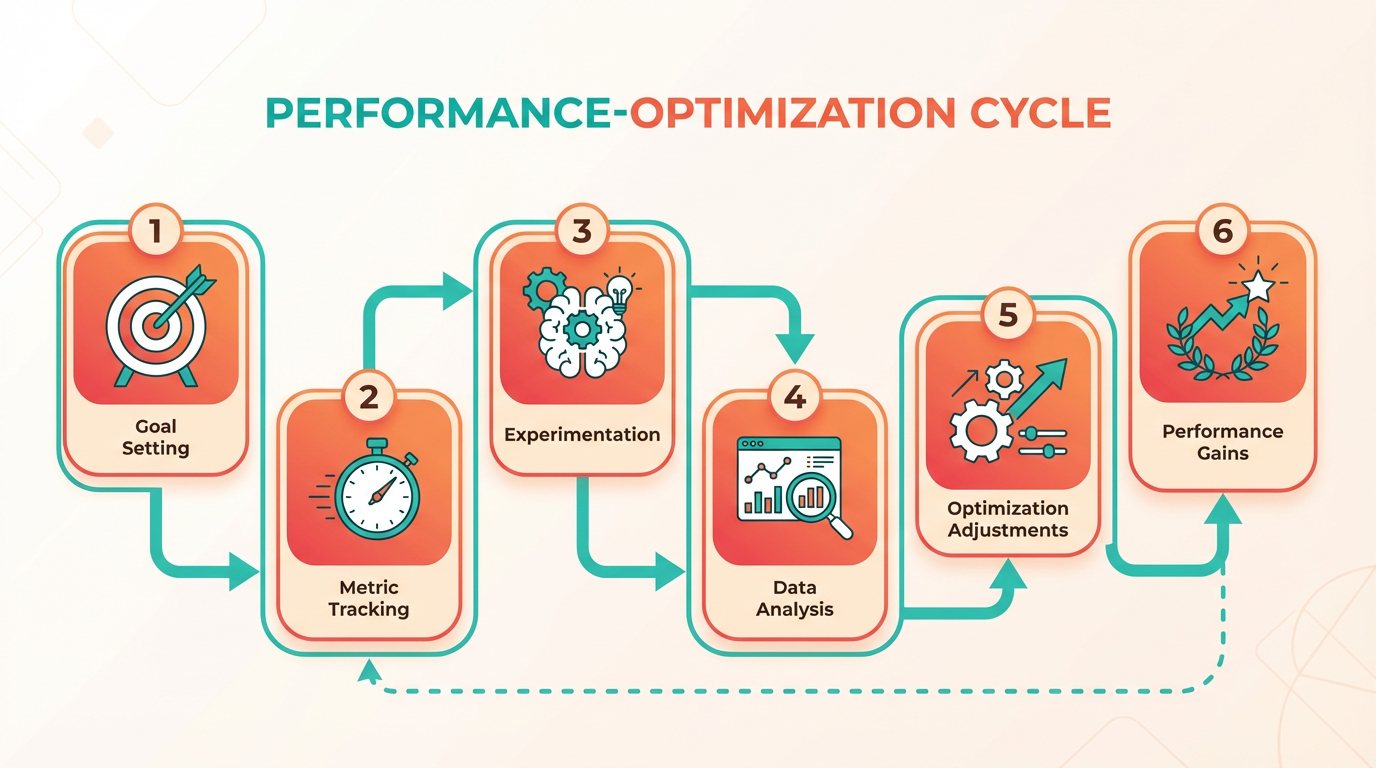
- Protocol Tracking: Apps like Biohackr let users create and monitor structured routines for intermittent fasting, high-intensity interval training (HIIT), or red-light therapy. These protocols are often scheduled daily or weekly, with adherence tracked via checklists to build consistency.
- Supplement Stacking: Nootropics (e.g., caffeine, L-theanine) and performance-enhancing supplements (e.g., creatine, beta-alanine) are logged in detail, including dosage and timing. The Cleveland Clinic notes that while some supplements like creatine have strong evidence, others lack rigorous validation.
- Heart Rate Variability (HRV) Monitoring: The Elite HRV podcast emphasizes HRV as a biomarker for stress recovery and training readiness. Athletes use daily HRV measurements to adjust workout intensity, ensuring they avoid overtraining.
- Circadian Rhythm Optimization: Light therapy and timed caffeine intake are used to align energy peaks with workout or work schedules. Dr. Stacy Sims’ research highlights how women’s hormonal cycles affect performance, necessitating tailored training windows, a concept expanded in the Personalized Approaches to Performance and Health Optimization section.
Benefits and Limitations
Performance optimization offers targeted gains, such as faster marathon times or improved focus during deep work sessions. Tools like Biohackr provide visual trend analysis, helping users correlate supplement use with energy levels or recovery speed. However, this approach has risks. Over-reliance on metrics can lead to obsessive behavior, and unregulated supplements may cause unintended side effects. The LinkedIn article warns that DIY biohacking often lacks medical oversight, increasing the risk of harmful interactions.
| Performance Optimization | Health Optimization |
|---|---|
| Focuses on short-term gains (e.g., faster runs) | Prioritizes long-term systemic health (e.g., metabolic resilience) |
| Relies on metrics like HRV and workout logs | Emphasizes biomarkers like inflammation and gut health |
| May use stimulants or high-intensity regimens | Often avoids extreme interventions in favor of foundational habits |
Building on concepts from the Comparing Performance and Health Optimization section, the table above illustrates key differences, but both approaches share a foundation in data-driven decision-making.
Real-World Applications
A competitive athlete might use Biohackr to track a 12-week strength-training protocol, logging weights, reps, and post-workout fatigue scores. By analyzing trends, they might adjust their protein intake or sleep schedule to boost muscle recovery. Conversely, Dr. Sims advises women to modify HIIT intensity during perimenopause based on hormonal fluctuations, illustrating how performance goals must align with physiological realities. Meanwhile, the Elite HRV podcast shares case studies where HRV data guided athletes to reduce training load before burnout set in.
While performance optimization delivers tangible results, it must balance ambition with caution. The Cleveland Clinic stresses that foundational practices-like nutrition and sleep-remain non-negotiable, even as users experiment with advanced techniques. Ultimately, the goal is to enhance performance without compromising long-term health, a tightrope walk that defines the biohacking ethos.
Understanding Health Optimization
Understanding health optimization in biohacking begins with recognizing it as a science-driven approach to enhance long-term well-being by systematically adjusting biological systems. Unlike performance optimization, which often targets immediate gains in productivity or physical output, health optimization prioritizes sustainable physiological balance and disease prevention, as detailed in the Understanding Performance Optimization section. This distinction is evident in tools like the Biohackr app, which lets users track sleep, nutrient intake, and metabolic protocols to build a holistic health profile. By focusing on metrics like heart-rate variability (HRV) or gut health, biohackers aim to create a resilient biological foundation that supports both daily function and longevity.
Key Techniques in Health Optimization
Health optimization relies on a blend of lifestyle adjustments, data tracking, and targeted interventions. Intermittent fasting, for example, is a low-cost, evidence-backed method that improves insulin sensitivity and cellular repair, as highlighted in the Cleveland Clinic podcast. The Biohackr app enables users to log fasting windows alongside supplements like vitamin D or omega-3s, correlating these practices with energy levels or mood. Advanced techniques include red-light therapy for mitochondrial function or cold exposure to boost brown fat activity, both of which align with Dr. Stacy Sims’ emphasis on foundational health practices.
Wearable technology plays a critical role. The Elite HRV podcast demonstrates how HRV metrics can reveal stress recovery and autonomic nervous system health, guiding users to adjust breathing exercises or sleep habits. For instance, a user might notice their HRV drops during high-intensity training, signaling the need for rest. This data-driven feedback loop ensures interventions are tailored to individual biology rather than generic fitness trends, a concept further explored in the Comparing Performance and Health Optimization section.
Benefits and Limitations
Health optimization offers measurable outcomes like reduced inflammation, improved metabolic markers, and enhanced mental clarity. The Health Optimisation Summit showcases how attendees use bloodwork and imaging to detect early signs of arterial plaque or hormonal imbalances, enabling proactive adjustments. For example, a 45-year-old participant might lower their visceral fat percentage through resistance training and dietary shifts, as outlined in biohacking for longevity guides.
However, challenges persist. The DIY nature of biohacking risks over-reliance on unproven supplements or misinterpreted data. The LinkedIn article warns that self-administered interventions-like off-label peptide use-can lead to harmful interactions. Additionally, tools like the Biohackr app, while user-friendly, require discipline to maintain consistent tracking. A 2027 summit speaker noted that 40% of attendees abandon protocols due to complexity, underscoring the need for simplicity in health optimization strategies, a theme echoed in the Personalized Approaches to Performance and Health Optimization section.
Real-World Examples and Integration
The convergence of health and performance optimization is visible in practices like the Wim Hof Method, which combines cold exposure with breathwork to enhance immune function and endurance. This aligns with the Cleveland Clinic’s assertion that “nutrition is foundational,” as Hof’s protocol also emphasizes dietary adjustments. Similarly, the Biohackr app allows users to design personalized protocols that integrate intermittent fasting with cognitive-boosting supplements like nootropics, demonstrating how health optimization can support performance without compromising long-term well-being.
A case study from the High Performance Health podcast illustrates this collaboration: a midlife athlete with declining strength used a combination of hormone testing, resistance training, and gut-boosting supplements to regain muscle mass. By addressing underlying health issues-like low testosterone and leaky gut syndrome-the individual achieved both performance goals and metabolic health improvements, reflecting the principles discussed in the Biohacking Protocols for Performance and Health Optimization section.
| Health Optimization Techniques | Performance Optimization Techniques |
|---|---|
| Intermittent fasting, red-light therapy, gut health supplements | High-intensity interval training (HIIT), caffeine timing, nootropics |
| Focus: Longevity, metabolic resilience, chronic disease prevention | Focus: Short-term gains in strength, focus, recovery |
| Tools: Bloodwork, HRV trackers, sleep journals | Tools: Wearables, protein timing apps, workout logs |
In conclusion, health optimization in biohacking is about creating a sustainable, evidence-based system that supports both daily function and long-term vitality. While it shares tools and methods with performance optimization, its emphasis on preventive care and biological resilience sets it apart. By using apps like Biohackr, wearable data, and expert guidance from summits, individuals can manage the complexities of biohacking with a balanced approach.
Comparing Performance and Health Optimization
The similarities between performance and health optimization are rooted in their shared reliance on quantified self-tracking, a method central to both Understanding Performance Optimization and Understanding Health Optimization sections. For example, intermittent fasting is praised in the Cleveland Clinic podcast for enhancing metabolic health (a health optimization goal) while also boosting mental clarity and energy (performance benefits), aligning with the principles outlined in the Understanding Health Optimization section. Similarly, wearable devices like WHOOP or Oura track heart rate variability (HRV), a metric used in the Elite HRV Podcast to gauge recovery (performance) and stress resilience (health), a concept further explored in the Understanding Performance Optimization section.

In the Trade-Offs Between Performance and Health Optimization section, the tension between short-term gains and long-term stability mirrors the interdependence discussed in the Why Performance and Health Optimization Matter section. Experts like Dr. Melissa Young from the Cleveland Clinic advocate for a holistic framework, emphasizing that “nutrition is foundational” and that performance gains without metabolic health are unsustainable, a perspective echoed in the Understanding Health Optimization section.
Practically, biohackers can adopt layered optimization by first addressing foundational health metrics, a strategy detailed in the Personalized Approaches to Performance and Health Optimization section. Tools like Biohackr’s habit tracker and AI coach help users maintain consistency without overloading their systems, reflecting the tiered testing models described in the Biohacking Protocols for Performance and Health Optimization section.
Biohacking Protocols for Performance and Health Optimization

Biohacking protocols for performance and health optimization often overlap but prioritize distinct goals. Performance-focused protocols emphasize measurable gains in physical or cognitive output, while health optimization aims for long-term systemic balance and disease prevention. As mentioned in the Why Performance and Health Optimization Matter section, these approaches are interdependent yet distinct. Tools like the Biohackr app (Source 2) exemplify this duality, offering users the ability to track cold plunges, workouts, and nootropic stacks for performance, alongside sleep, mood, and metabolic metrics for health. This section explores key differences, supported by real-world examples and expert insights..
Peptides and Supplementation: Performance vs. Health Goals
Peptides are a cornerstone of biohacking, but their applications vary. For performance, protocols often include growth hormone-releasing peptides (GHRPs) or stimulants like modafinil to enhance endurance or focus. In contrast, health optimization leans on peptides like BPC-167 for gut repair or CJC-1295 for tissue regeneration, targeting systemic recovery and longevity.
Dr. Stacy Sims (Source 3) highlights foundational practices over “quick fixes,” noting that sleep and nutrition remain critical for hormonal balance. However, supplements such as creatine and glutamine (Source 3) are recommended for both performance (muscle recovery) and health (gut integrity). The Elite HRV Podcast (Source 6) emphasizes HRV monitoring to guide supplement use, ensuring interventions align with the body’s readiness..
Nutrition and Lifestyle Interventions
Nutrition protocols reflect the tension between immediate performance and sustained health. Performance-driven approaches often involve cyclical ketogenic diets, protein timing (Source 3), or caffeine for fat loss (Source 3). Health optimization, however, prioritizes anti-inflammatory diets, gut health (Source 6), and longevity-focused strategies like time-restricted eating.
The Biohackr app (Source 2) allows users to log supplements and meals, linking dietary choices to outcomes like energy levels or focus. Dr. Sims (Source 3) stresses that women’s training must adapt to hormonal cycles, underscoring the need for individualized nutrition plans. Meanwhile, the 90-day longevity protocol (Source 9) integrates intermittent fasting and omega-3 supplementation to reduce inflammation and support metabolic health..
Case Studies and Practical Applications
Real-world examples illustrate how protocols merge or diverge. The Health Optimization Summit (Source 4) features workshops on breathwork and acroyoga-performance-enhancing practices that also reduce stress, a health optimization priority. Similarly, the Elite HRV Podcast (Source 6) shares Tyron Groenewald’s use of HRV data to guide weight loss, blending performance tracking with health monitoring.
Conversely, DIYbio enthusiasts (Source 11) might prioritize subcutaneous implants or CRISPR experiments for radical life extension-a technological futurism strand that diverges from health-focused protocols. These cases highlight the spectrum of biohacking: from evidence-based, gradual optimization to high-risk, high-reward interventions..
Risks and Expert Recommendations
The DIY nature of biohacking introduces risks, particularly with unregulated supplements or peptides (Source 7). For instance, overuse of nootropics without medical oversight can lead to dependency or adverse interactions. Jon Warner (Source 7) warns of “over-optimization” causing stress or social isolation, emphasizing the need for balanced approaches.
Experts advocate a hybrid strategy. Dr. Sims (Source 3) recommends prioritizing sleep, nutrition, and consistent training as foundational for both performance and health. The 90-day starter protocol (Source 9) further advises annual full-body scans and bloodwork to detect silent issues, aligning with the Biohackr app’s data-driven tracking (Source 2). Meanwhile, the Elite HRV Podcast (Source 6) promotes HRV as a bridge metric, linking training intensity to recovery health..
Comparative Table: Key Differences
Building on concepts from the Comparing Performance and Health Optimization section, the following table summarizes core distinctions:
| Feature | Performance Optimization | Health Optimization |
|---|---|---|
| Core Goal | Maximize output (strength, focus, speed) | Sustain systemic balance and longevity |
| Timeframe | Short-term gains (days to weeks) | Long-term maintenance (years) |
| Metrics Tracked | HRV, VO2 max, workout reps | Sleep quality, biomarkers, inflammation |
| Interventions | Nootropics, caffeine, HIIT | Gut health protocols, anti-inflammatory diets |
| Risks | Overtraining, dependency on stimulants | Chronic stress, undernutrition |
| Tools | Wearables, performance panels (Source 8) | Advanced diagnostics (Source 9) |
Balancing Both Approaches
The most effective biohacking strategies integrate performance and health. As outlined in the Understanding Health Optimization section, foundational health-sleep, nutrition, stress management-must precede performance optimization. For example, a marathon runner might use HRV data (Source 6) to adjust training load while following a gut-healing protocol (Source 3) to prevent injury. Conversely, someone focused on longevity might adopt a structured workout plan (Source 9) to maintain muscle mass while using wearables to monitor recovery.
Experts like Dr. Sims (Source 3) and the Elite HRV team (Source 6) agree that foundational health-sleep, nutrition, stress management-must precede performance optimization. Tools like Biohackr (Source 2) and structured 90-day plans (Source 9) provide frameworks to balance these priorities, ensuring that short-term gains do not compromise long-term well-being. This dual focus reflects the evolving philosophy of biohacking: that peak performance is inseparable from holistic health.
Personalized Approaches to Performance and Health Optimization
Personalized approaches to performance and health optimization in biohacking prioritize individual variability over generic solutions. By integrating genetic testing, biomarker analysis, and individualized coaching, these methods address unique physiological and lifestyle factors. For example, the High Performance Health podcast highlights how protein intake (1.2–1.6g/kg daily) and exercise protocols (e.g., Zone 2 cardio vs. HIIT) must align with personal goals, not one-size-fits-all guidelines. Similarly, Wellness Labs offers tiered biomarker panels to track hormones, metabolism, and recovery, ensuring interventions match an individual’s biological profile. This section explores how these strategies bridge performance metrics and healthspan, using real-world tools and expert insights. As mentioned in the Understanding Performance Optimization section, performance metrics like VO₂ max and training readiness are critical for tailoring exercise regimens.
Why Personalization Matters in Biohacking
A personalized approach ensures interventions align with genetic predispositions and real-time physiological data. For instance, genetic testing can reveal variants affecting nutrient metabolism or exercise response, while biomarker analysis quantifies current health states, such as cortisol levels or mitochondrial function. The Elite HRV Podcast emphasizes Heart Rate Variability (HRV) as a daily metric that connects performance (training readiness) and health (stress resilience). Building on concepts from the Understanding Health Optimization section, HRV monitoring reflects autonomic nervous system balance, a key factor in both healthspan and performance. By contrast, a generic “eat more protein” recommendation ignores factors like muscle sensitivity windows (up to 48 hours post-exercise) or hormonal imbalances that disrupt absorption. Tools like Biohackr enable users to design custom protocols-intermittent fasting, cold therapy, or supplement stacking-while tracking outcomes through habit streaks and data visualizations.
Genetic Testing and Biomarker Analysis: The Science Behind Customization
Genetic testing identifies predispositions to conditions like insulin resistance or mitochondrial inefficiency, guiding tailored interventions. Wellness Labs’ Performance Panels, for example, test 25–50+ biomarkers per tier, from vitamin D to homocysteine, to map an individual’s health market. This data informs decisions such as adjusting carbohydrate intake based on metabolic flexibility or using red-light therapy to boost mitochondrial efficiency, as Ari Whitten explains in High Performance Health. Biomarker trends also refine training strategies. HRV monitoring, popularized by Elite HRV Podcast, acts as a daily performance-health barometer. Athletes like Tyron Groenewald use HRV to adjust workouts, avoiding overtraining while maintaining peak output. As discussed in the Biohacking Protocols for Performance and Health Optimization section, VO₂ max testing is a cornerstone of performance customization, helping users balance endurance and intensity for longevity.
Future Directions and Emerging Trends
Future directions in biohacking will center on bridging performance and health optimization through technology, scientific rigor, and holistic frameworks. Emerging trends highlight a shift toward evidence-based practices, integration of wearable tech, and community-driven innovation. Below, we explore key developments shaping this evolution.
How Will Performance and Health Optimization Converge?
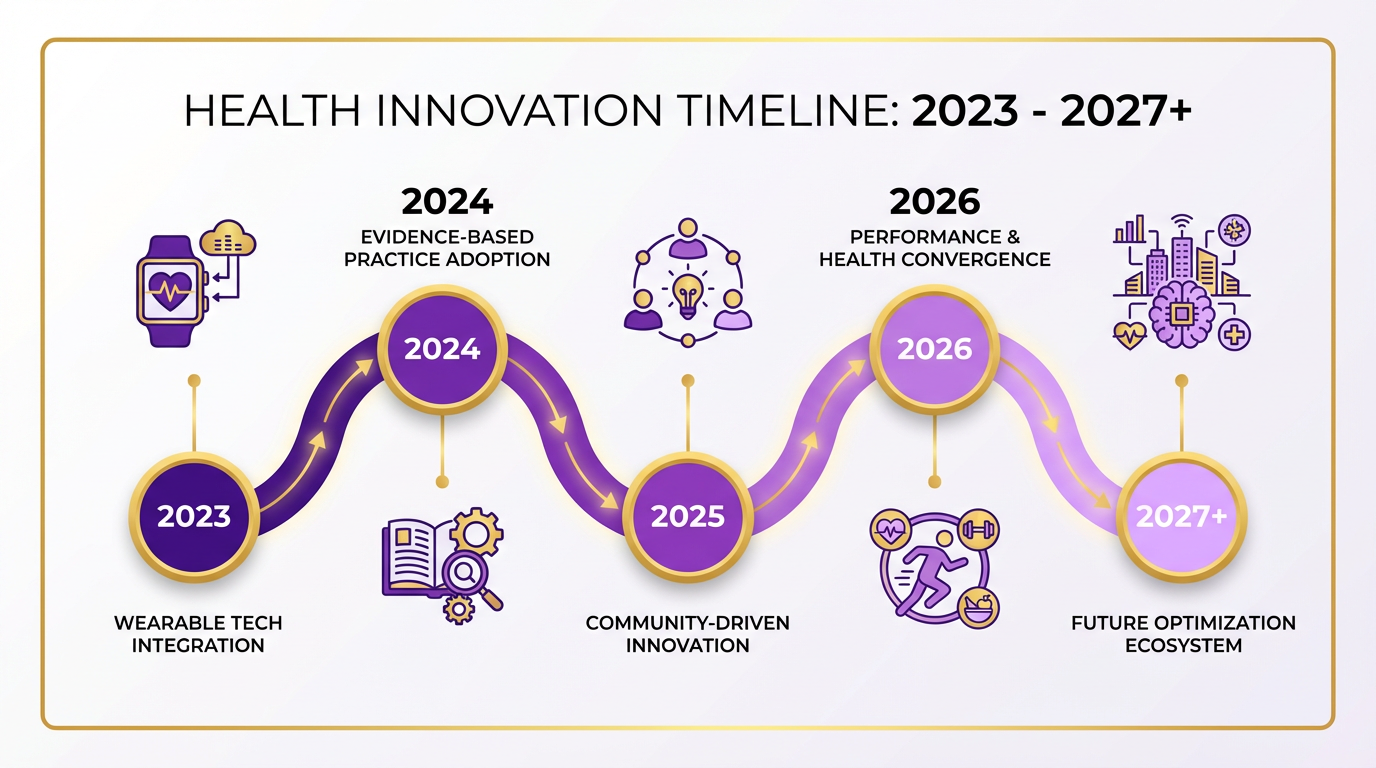
The line between performance-centric and health-focused biohacking is blurring. Events like the Health Optimisation Summit Austin 2027 showcase this trend, combining workshops on breathwork and acroyoga with sessions on longevity and functional medicine. For example, the summit’s “Unleash the power of your breath” workshop ties respiratory training to both athletic performance and stress resilience, reflecting a unified approach. Similarly, the Elite HRV Podcast emphasizes Heart Rate Variability (HRV) as a metric that links physical training (e.g., blood-flow restriction exercises) with health markers like immune function and recovery. This convergence suggests future biohacking will prioritize sustainable optimization, where peak performance is achievable only through foundational health. As mentioned in the Comparing Performance and Health Optimization section, these domains are inherently interdependent, with advancements in one often driving progress in the other.
| Feature | Performance Focus | Health Optimization Focus |
|---|---|---|
| Metrics | Training load, recovery speed | HRV, sleep quality, inflammation |
| Tools | Wearables for real-time feedback | Nutrigenomics, microbiome testing |
| Strategies | High-intensity interval training | Mindset shifts, stress resilience |
What Role Will Technology Play in Advancing Biohacking?
Advancements in wearable technology and data analytics are accelerating biohacking’s potential. The Elite HRV Podcast highlights HRV tracking as a cornerstone, enabling users to adjust training and recovery based on daily physiological feedback. For instance, Tyron Groenewald’s 862-day HRV streak demonstrates how consistent data collection can guide personalized health strategies. Meanwhile, the Health Optimisation Summit features 125+ exhibitors showcasing tools like biofeedback devices and nutrigenomic testing kits, which allow individuals to tailor diets and supplements to genetic profiles. These technologies are moving beyond anecdotal use, with summit speakers like Dr. Vonda Wright advocating for data-driven decision-making to validate interventions.
Future applications may include AI-powered platforms that integrate multiple biomarkers (e.g., HRV, oxygen use, microbiome data) to offer real-time recommendations. For example, blood-flow restriction training-a method endorsed by Sten Stray-Gunderson-could be paired with AI to optimize muscle growth while minimizing injury risk. However, challenges remain in ensuring accessibility and affordability, as high-end tools often cater to niche, well-funded communities.
What Challenges Might Limit Future Biohacking Innovations?
While the field is expanding, several barriers could hinder progress. One major issue is the tension between anecdotal experimentation and scientific validation. The Health Optimisation Summit’s emphasis on “evidence-backed insights” signals a growing demand for rigor, yet many biohacking practices still lack peer-reviewed studies. For example, breathwork techniques promoted by Patrick McKeown, while popular among athletes, require more clinical trials to confirm their health benefits.
Another challenge is ethical and regulatory ambiguity. As biohacking ventures into areas like gene editing or nootropic drugs, questions about safety, consent, and long-term consequences will intensify. The summit’s 4,500 attendees-ranging from athletes to scientists-highlight the need for standardized guidelines to protect public health without stifling innovation. Additionally, access disparities persist: modern tools like continuous glucose monitors or AI-driven analytics are often cost-prohibitive for average users, risking a “biohacking divide.”.
Despite these hurdles, trends like the “minimal viable threshold” mindset (advocated by Dean Dwyer) suggest a shift toward democratizing biohacking. By focusing on small, sustainable changes rather than expensive overhauls, more individuals can participate in health optimization. This approach aligns with the summit’s community-driven ethos and the Elite HRV Podcast’s emphasis on habit-based transformation, indicating a future where biohacking is both inclusive and scientifically grounded. Building on concepts from the Personalized Approaches to Performance and Health Optimization section, such strategies emphasize adaptability and individual needs over one-size-fits-all solutions.
In summary, the future of biohacking will likely be defined by its ability to harmonize performance goals with health resilience, powered by technology but tempered by ethical and scientific responsibility. As events like the Health Optimisation Summit and platforms like the Elite HRV Podcast continue to foster dialogue, the field is poised to evolve from niche experimentation to mainstream, evidence-based practice.
Conclusion and Recommendations
The comparison between performance and health optimization consciousness in biohacking reveals a dynamic interplay between goal-oriented physical/cognitive enhancement and holistic well-being. Tools like Biohackr exemplify this duality by offering unified platforms for tracking protocols, supplements, and health metrics, while resources like the Health Optimisation Summit Austin 2027 and Elite HRV Podcast underscore the growing integration of evidence-based science and community-driven practices. Below, we synthesize key insights and actionable guidance for individuals managing this space..
What Distinguishes Performance and Health Optimization in Biohacking?
Performance optimization focuses on measurable, short-to-medium-term gains in physical or cognitive output-think workout regimens, cold plunges, or nootropics to boost focus. Health optimization, conversely, prioritizes long-term systemic resilience, emphasizing sleep, metabolic balance, and stress management. Tools like Biohackr bridge both by enabling users to correlate interventions (e.g., a supplementation stack) with outcomes (e.g., energy levels, recovery speed).
For example, Biohackr’s protocol tracking allows users to design custom routines for workouts or learning sprints while logging health metrics like mood or sleep quality. This dual-tracking capability mirrors the Elite HRV Podcast’s emphasis on heart-rate variability (HRV) as a biomarker that reflects both performance readiness and autonomic health. As mentioned in the Comparing Performance and Health Optimization section, this overlap underscores the need for a balanced approach that considers both dimensions.
| Feature | Performance Focus | Health Focus |
|---|---|---|
| Primary Goal | Immediate output (e.g., faster runs, sharper focus) | Long-term resilience (e.g., metabolic stability, stress reduction) |
| Common Tools | Cold therapy, nootropics, high-intensity training | Sleep tracking, inflammation biomarkers, mindfulness practices |
| Metrics Tracked | Workout adherence, learning streaks | HRV trends, supplement efficacy, sleep quality |
How Can Individuals Balance Both Paradigms?
-
Start with Clear Intentions.
Define whether your priority is performance gains (e.g., athletic training, career productivity) or health longevity (e.g., metabolic health, cellular repair). For instance, Biohackr’s customizable protocols let users set specific objectives, such as a 30-day intermittent fasting plan to improve metabolic flexibility-a health goal-or a daily meditation streak to enhance focus-a performance goal. Building on concepts from the Understanding Health Optimization section, aligning these goals with scientific principles ensures sustainable outcomes. -
use Data-Driven Tools.
Apps like Biohackr and services like BWell Labs’ biomarker testing provide objective feedback. By logging supplement regimens and analyzing their impact on mood or energy (as in Biohackr’s health journal), users can identify what works without relying solely on subjective feelings. Similarly, HRV tracking (as discussed in the Elite HRV Podcast) offers a real-time metric to balance training load with recovery needs. -
Engage with Evidence-Based Communities.
Events like the Health Optimisation Summit Austin 2027 connect biohackers with experts in longevity, functional medicine, and performance science. These gatherings foster peer-to-peer learning, ensuring that DIY experiments align with scientific consensus rather than anecdotal trends. For example, a workshop on breathwork might integrate both performance benefits (oxygen efficiency) and health benefits (reduced cortisol)..
What Are the Risks and Ethical Considerations?
Biohacking’s self-experimentation ethos carries risks, particularly when performance goals overshadow health fundamentals. Overtraining, excessive supplement use, or neglecting sleep for productivity can lead to burnout or chronic issues. As outlined in the Why Performance and Health Optimization Matter section, the Victoria Lorrimar study highlights the need for a nuanced framework: while technological futurism (e.g., gene editing) pushes boundaries, spiritual augmentation (e.g., meditation) and health optimization (e.g., biomarker testing) often provide sustainable, low-risk entry points.
| Risk Area | Mitigation Strategy |
|---|---|
| Overemphasis on performance | Schedule regular health check-ups (e.g., BWell Labs’ quarterly panels) to monitor biomarkers like cortisol or inflammation. |
| Misinformation | Cross-reference DIYbio experiments with peer-reviewed research, as emphasized in the Elite HRV Podcast and Lorrimar’s four-strand model. |
| Privacy Concerns | Use tools like Biohackr that prioritize local data storage, avoiding cloud-based platforms that might expose sensitive health information. |
Where Should Future Research Focus?
-
Longitudinal Studies.
Investigate how hybrid approaches (e.g., combining strength training with anti-inflammatory diets) impact both performance metrics and health biomarkers over years. -
Ethical Frameworks for DIYBio.
Develop guidelines for safe, non-commercial experimentation, especially as tools like CRISPR become more accessible. -
Consciousness-Linked Biohacking.
Explore the spiritual augmentation strand more deeply-how practices like psychedelics or energy medicine influence both cognitive performance and emotional well-being..
Final Recommendations
For beginners, start small: use Biohackr to track a single protocol (e.g., morning sunlight exposure) and observe its effects on sleep or mood. Attend events like the Health Optimisation Summit to stay informed on emerging research. For advanced practitioners, integrate HRV monitoring (as in the Elite HRV Podcast) to fine-tune training loads while maintaining autonomic balance. Always prioritize responsible experimentation-consult healthcare professionals before adopting radical interventions, and use verified resources like BWell Labs for baseline biomarker testing.
By aligning performance ambitions with health-conscious strategies, biohackers can avoid the pitfalls of short-termism and build sustainable, evidence-backed routines. The future of the field lies in harmonizing these two dimensions-not as competing goals, but as interdependent pillars of human optimization.
Frequently Asked Questions
1. What is the key difference between performance and health optimization in biohacking?
Performance optimization targets specific gains in physical or cognitive function, while health optimization prioritizes systemic longevity and cellular resilience. Both overlap in metrics like VO₂ max but serve distinct goals.
2. Why is VO₂ max significant for both performance and health?
VO₂ max measures cardiovascular efficiency, directly enhancing athletic endurance and serving as a top predictor of longevity in midlife women due to its link to metabolic and cellular health.
3. How does mitochondrial health support both performance and aging?
Mitochondrial health improves energy production for athletic performance while reducing oxidative stress, which slows cellular aging and supports longevity through efficient ATP synthesis and repair mechanisms.
4. What is the four-strand model in biohacking?
The four-strand model balances health, performance, spiritual well-being, and foundational needs (sleep, nutrition) to create holistic optimization strategies tailored to individual goals and biological variability.
5. How can the Biohackr app aid biohacking protocols?
The Biohackr app centralizes tracking of metrics like VO₂ max, nutrient timing, and intermittent fasting, enabling users to correlate interventions with outcomes for data-driven adjustments to protocols.
6. Why are sex-specific adjustments critical in biohacking?
Hormonal differences and physiological variations require tailored approaches, such as adjusting training intensity or nutrient timing for women, to optimize both performance outcomes and health markers effectively.
7. What risks arise from over-optimization in biohacking?
Over-optimization ignores individual variability, leading to burnout, nutrient imbalances, or injury. It prioritizes narrow metrics over systemic health, undermining long-term sustainability and holistic well-being.
Free 15-Minute Discovery Call
Ready to take the guesswork out of your health?
Book a free 15-minute call with Monika to talk through your goals, what testing makes sense for you, and the right next step. No pressure, just clarity.
Book Your Free CallFor educational purposes only. Not medical advice.
