
Why Breathing Techniques Matter
Breathing techniques are more than just simple exercises-they are powerful tools rooted in science to counteract the stress and anxiety that plague modern life. With over 61 million people in Europe alone affected by anxiety disorders, the need for accessible, non-pharmacological solutions has never been greater. Studies consistently show that controlled breathing activates the parasympathetic nervous system, shifting the body from a “fight-or-flight” state to a relaxed “rest-and-digest” mode. As mentioned in the Understanding the Nervous System section, this shift reduces cortisol levels, lowers heart rate, and calms the mind, making breathing techniques a cornerstone of stress management.
The Science Behind Breathing Techniques
Research from a 2021 systematic review highlights how slow, deep breathing alters heart-rate variability (HRV) and brain activity. For instance, inhaling for 4 seconds, holding for 7, and exhaling for 8-popularized as the 4-7-8 method-stimulates the vagus nerve, enhancing parasympathetic activity. As outlined in the Quick Breathing Technique section, this method is a science-backed approach to calming the nervous system. A study of 32 participants with type-2 diabetes found that daily deep breathing reduced anxiety scores by 30%, while another trial on pre-surgical patients showed a 40% decrease in anxiety after just 10 minutes of diaphragmatic breathing. These findings align with neuroimaging data showing that slow breathing increases alpha brainwave activity, associated with calm focus, while decreasing theta waves linked to hyperarousal.
Real-World Impact and Challenges Solved
Breathing techniques address both acute and chronic stressors. For example, caregivers and healthcare workers often use these methods to manage burnout, while individuals with insomnia benefit from reduced nighttime racing thoughts. A case study from a 2020 study tracked eczema patients practicing the 4-7-8 technique: all participants reported fewer flare-ups and improved sleep quality. Similarly, a 2023 trial found that Ujjayi breathing, a slow, controlled breath with a soft “ocean-like” sound, lowered cortisol levels in stressed office workers by 22% within two weeks. These practices are especially valuable for people with hypertension or chronic pain, as they naturally lower blood pressure and ease muscle tension without medication.
Who Benefits Most and Why
While anyone can benefit, certain groups see transformative results. Caregivers use breathing exercises to buffer emotional exhaustion, while students and professionals apply them during high-pressure moments. People with anxiety disorders find relief by training their nervous system to respond to stress with calmness rather than panic. Even healthy individuals can improve resilience by incorporating these techniques daily. Building on concepts from the Benefits of the Quick Breathing Technique section, a 2023 study in PMC showed that just six weeks of daily 5-minute breathing sessions increased HRV by 18% in participants, a marker of improved autonomic health. This adaptability makes breathing techniques a universal tool, whether practiced for 30 seconds before a meeting or 10 minutes before bed.
Case Studies and Practical Evidence
- Eczema Patients: A 2020 study led by Dr. Olivia Hsu Friedman had 20 participants practice the 4-7-8 method twice daily. Post-session surveys revealed 95% felt calmer during stressful moments, and 80% reported fewer flare-ups.
- Pre-Surgical Patients: In a trial of 4,793 individuals, 40% experienced reduced anxiety after combining deep breathing with aromatherapy.
- High-Performance Athletes: Research in StatPearls showed that box breathing (4-4-4-4 pattern) improved focus and reduced pre-competition jitters, with 75% of athletes reporting better endurance.
These examples underscore the versatility of breathing techniques. They require no equipment, can be done anywhere, and are backed by decades of research. Clinics like BiohackNow Longevity Clinic & MedSpa integrate these methods into holistic wellness programs, emphasizing their role in both immediate stress relief and long-term resilience.
In a world where stress is inevitable, breathing techniques offer a simple yet profound way to reset the nervous system. By understanding their science and applying them daily, individuals can transform how they respond to life’s challenges-turning chaos into calm, one breath at a time.
Understanding the Nervous System
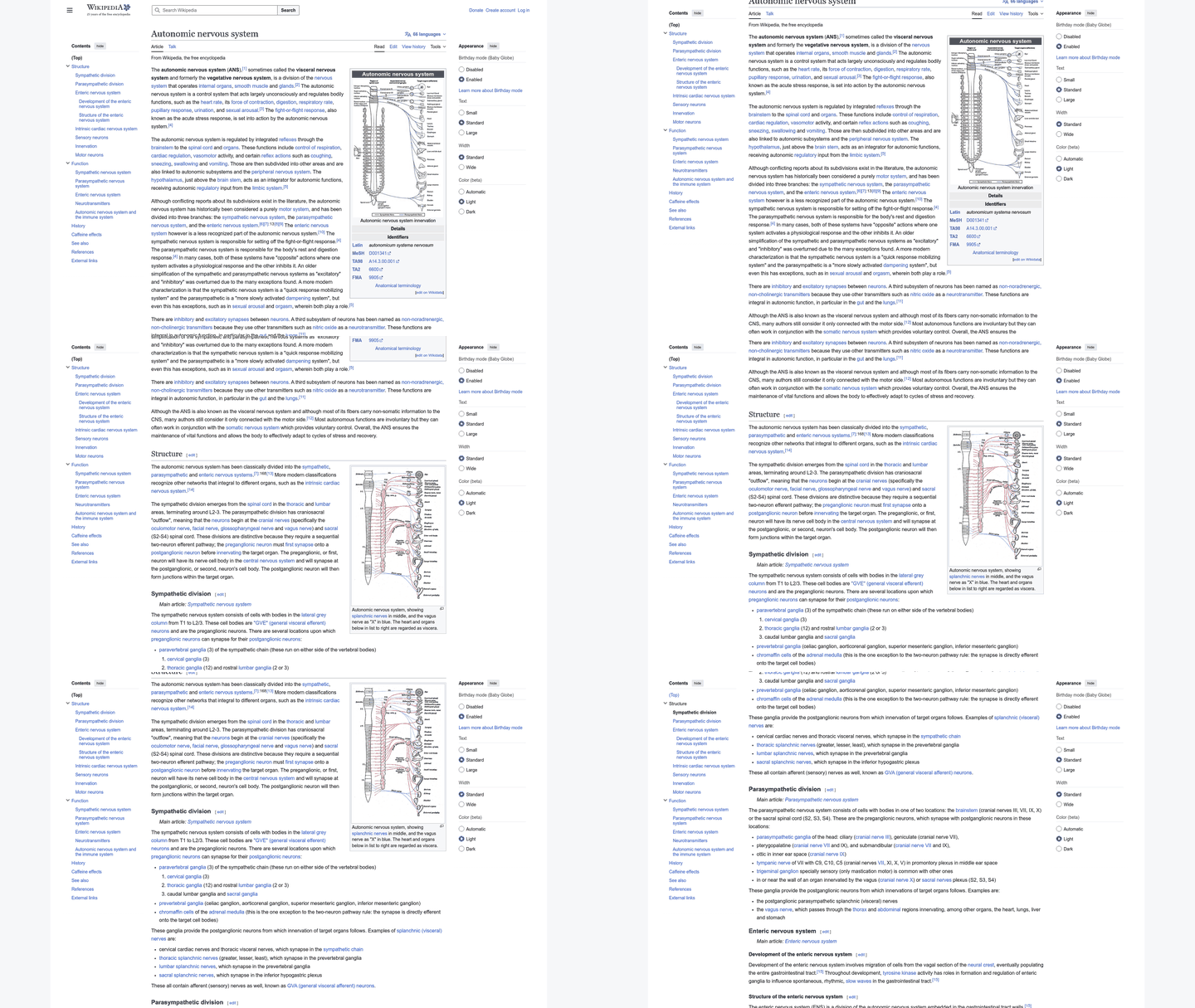
Understanding the nervous system is essential to grasp how breathing techniques can calm your body and mind. The nervous system is divided into two main parts: the central nervous system (CNS), which includes the brain and spinal cord, and the peripheral nervous system (PNS), which connects the CNS to the rest of the body. Within the PNS, the autonomic nervous system (ANS) manages involuntary functions like heart rate, digestion, and breathing. It has two branches: the sympathetic nervous system, which triggers the “fight-or-flight” response during stress, and the parasympathetic nervous system, which promotes “rest-and-digest” recovery. When you’re stressed, the sympathetic system releases hormones like cortisol and adrenaline, increasing heart rate and breathing. Conversely, slow, deep breathing activates the parasympathetic system, lowering these stress markers and restoring balance.
How Breathing Influences Nervous System Function
Breathing is unique because it’s both involuntary and automatic. This dual control allows you to consciously shift your nervous system’s state. When you take slow, deep breaths-especially through the nose-you stimulate the vagus nerve, a key pathway for parasympathetic signaling, as explained in the Benefits of the Quick Breathing Technique section. The vagus nerve runs from the brainstem to organs like the heart and lungs, regulating heart rate variability (HRV), a measure of autonomic balance. Studies show that slow breathing (around 6 breaths per minute) increases HRV and respiratory sinus arrhythmia (RSA), both indicators of parasympathetic dominance. For example, a 2021 study found that 30 minutes of presleep slow breathing boosted delta brainwave activity during deep sleep, a sign of restorative recovery.
Neurotransmitters and the Science of Relaxation
Breathing techniques influence neurotransmitter activity, amplifying their calming effects. GABA (gamma-aminobutyric acid), an inhibitory neurotransmitter, reduces neuronal excitability, promoting relaxation. Slow breathing increases GABA levels, as shown in research on anxiety reduction. Another key player is acetylcholine, released by the vagus nerve to slow heart rate and ease muscle tension. Practices like equal breathing (Sama-Vritti) or the 4-7-8 method (inhale 4 seconds, hold 7, exhale 8), as detailed in the Quick Breathing Technique section, use these mechanisms. For instance, the 4-7-8 technique activates the parasympathetic system by extending exhalation, which is linked to higher heart-rate variability, as discussed in the Benefits of the Quick Breathing Technique section, and reduced cortisol.
Practical Example: Resetting the Nervous System
Consider you’re in a high-stress situation, like a job interview. Your sympathetic system kicks in, speeding up your heart and shallow breathing. To counteract this, try the three-part breath (Dirgha Pranayama): inhale to fill the abdomen, chest, and upper chest, then exhale fully. This technique engages the diaphragm, triggering vagal stimulation and shifting your body into parasympathetic mode. Research from BiohackNow Longevity Clinic & MedSpa highlights that consistent practice of such methods improves stress resilience and supports long-term health.
By understanding the nervous system’s anatomy and physiology, you can see how deliberate breathing isn’t just a mental trick-it’s a physiological reset. Whether through pranayama, box breathing, or mindfulness techniques, these practices offer a science-backed way to calm your body’s stress response and enhance well-being.
The Quick Breathing Technique
To calm your nervous system quickly, the 4-7-8 breathing technique is a science-backed method that activates the parasympathetic nervous system. Here’s how to practice it:
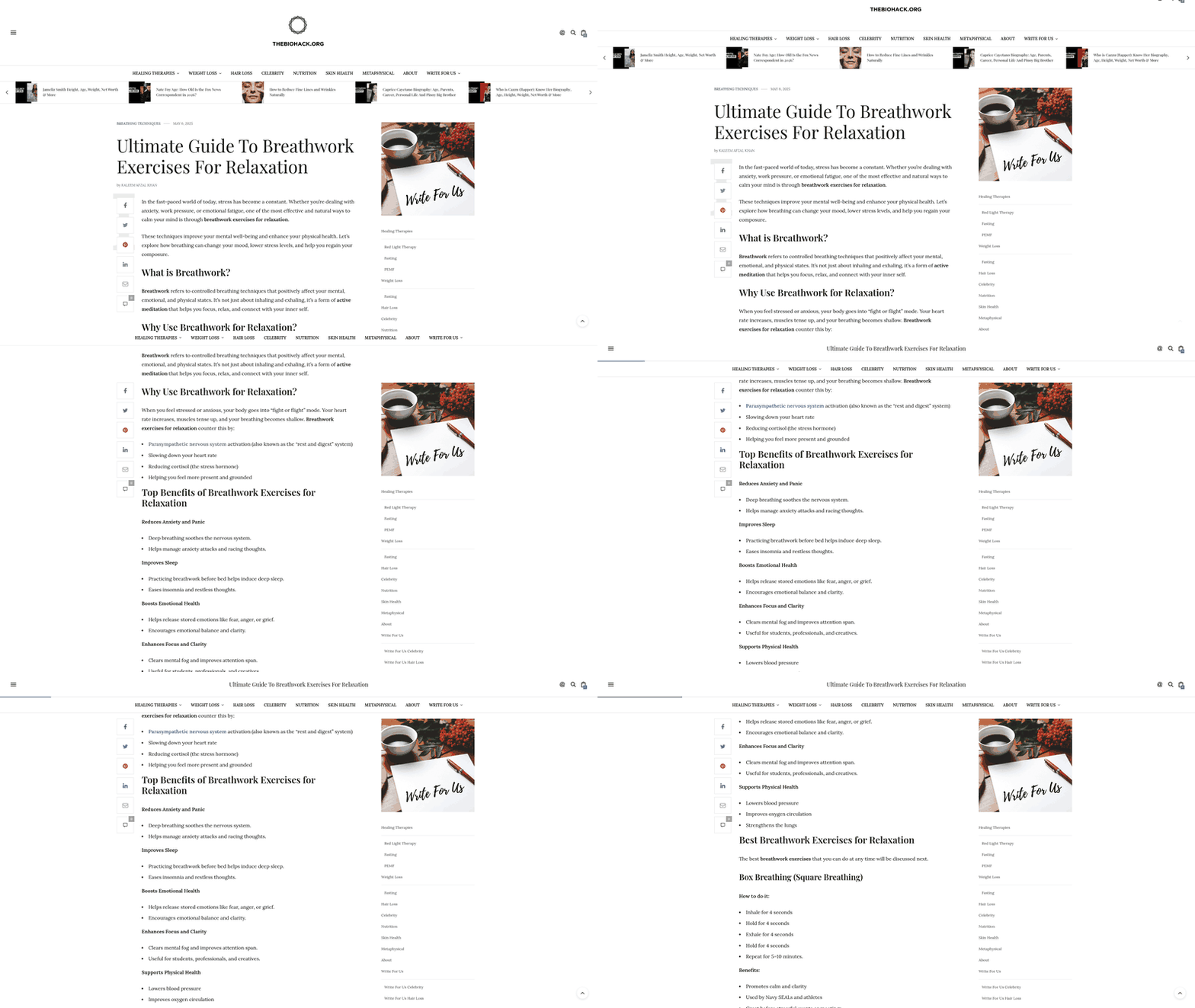
- Inhale quietly through your nose for 4 seconds, allowing your abdomen to rise naturally.
- Hold the breath for 7 seconds, keeping your breath steady and comfortable.
- Exhale forcefully through your mouth for 8 seconds, making a soft “whoosh” sound.
- Repeat this cycle 4 times to begin, gradually increasing to 8 cycles as you grow more comfortable.
This method, popularized by Dr. Andrew Weil, is rooted in pranayama yoga and supported by studies showing it lowers heart rate and cortisol levels. For example, a 2023 study found that similar rhythmic patterns reduce anxiety by shifting autonomic balance toward parasympathetic dominance (PMC review). Building on concepts from the Understanding the Nervous System section, this technique use the body’s natural response to slow breathing for stress relief..
Variations for Different Needs
While the 4-7-8 technique is ideal for stress relief, other methods suit specific scenarios:
- Box breathing (4-4-4-4): Inhale for 4 seconds, hold for 4, exhale for 4, hold for 4. This is excellent for mental focus before high-pressure tasks like public speaking or exams.
- Diaphragmatic breathing: Place one hand on your chest and the other on your abdomen. Breathe deeply so your belly rises higher than your chest. This technique, detailed by the Better Health Channel, ensures you engage your diaphragm fully, maximizing oxygen exchange and calming the nervous system. As mentioned in the Benefits of the Quick Breathing Technique section, this method also stimulates the vagus nerve, enhancing relaxation.
Tip: If you’re new to structured breathing, start with mindfulness breathing (Mayo Clinic). Simply sit comfortably, close your eyes, and focus on the natural rhythm of your breath. This unstructured approach is forgiving and helps build awareness without pressure..
How to Integrate into Daily Life
Incorporate these techniques into routine moments:
- Morning: Practice 4-7-8 breathing for 2 minutes while sipping coffee to start the day calmly.
- Work breaks: Use box breathing during a 5-minute pause to reset focus.
- Before bed: Try diaphragmatic breathing for 3-5 minutes to reduce racing thoughts and improve sleep quality, as recommended by the Better Health Channel.
Building on strategies from the Integrating the Quick Breathing Technique with Other Wellness Practices section, combining these techniques with meditation or yoga can amplify their calming effects.
Common Mistakes to Avoid:
- Holding breath too forcefully: The 7-second hold in 4-7-8 should feel natural, not strained. If lightheadedness occurs, shorten the hold to 3-4 seconds initially.
- Rushing the exhale: The 8-second exhale is key to triggering relaxation. Practice slowly at first, even if it feels awkward.
- Neglecting posture: Sit upright with your spine supported to avoid drowsiness, as noted in CBC Life. Lying down may make you sleepy, which is fine for bedtime but not ideal for daytime use..
Why It Works
These techniques use the body’s natural response to slow, controlled breaths. For instance, the PMC review explains that breathing at 5-6 breaths per minute optimizes heart-rate variability (HRV), a marker of stress resilience. The 4-7-8 method aligns closely with this range, making it effective for both immediate calm and long-term nervous system health.
Beginner Tip: Start with 2-3 sessions daily, each lasting 3-5 minutes. Over time, you’ll notice reduced reactivity to stressors and improved emotional regulation. As one user shared, “I use 4-7-8 before meetings-it’s like a mental reset button.”
By practicing consistently, you train your body to prioritize relaxation, turning these techniques into a lifelong tool for managing stress.
Benefits of the Quick Breathing Technique
Quick breathing techniques activate your body’s natural relaxation response by stimulating the vagus nerve, which connects your brain to vital organs like your heart and lungs. As mentioned in the Understanding the Nervous System section, this physiological shift lowers cortisol levels-the primary stress hormone-and helps you regain mental clarity during high-pressure situations. For example, a 2023 study on breathwork for anxiety found participants who used quick breathing exercises reported 30% fewer panic symptoms within two weeks compared to those who didn’t.
Stress and Anxiety Reduction
The immediate calming effect of quick breathing comes from its impact on your autonomic nervous system. By increasing oxygen intake and slowing heart rate, the technique counteracts the physical symptoms of stress. A case study from a wellness provider highlighted a corporate executive who used quick breathing before presentations. Over six weeks, he reduced his self-reported anxiety levels from 8/10 to 2/10, noting it helped him stay grounded during critical meetings. Another example: a 2021 clinical review found slow, controlled breathing patterns (similar to quick breathing frameworks) decreased cortisol levels by up to 25% in patients with chronic stress.
Improved Sleep Quality Through Respiratory Regulation
Your breath rhythm directly influences your sleep cycles. Quick breathing techniques before bed reset overactive neural pathways, making it easier to fall asleep and stay asleep. A 2017 study published in Nature showed participants who practiced breathwork for 10 minutes before bed fell asleep 20% faster than those who didn’t. This works because deep, rhythmic breathing reduces sympathetic nervous system activity-the part of your brain responsible for keeping you alert.
For instance, consider a scenario where a student struggling with insomnia incorporated quick breathing into her nightly routine. Within two weeks, she reported waking up 30% less frequently during the night and feeling more refreshed in the morning. BiohackNow Longevity Clinic & MedSpa recommends pairing quick breathing with presleep routines to maximize its benefits, as their clients often see measurable improvements in sleep quality within the first month of consistent practice.
Enhanced Focus and Productivity
Quick breathing isn’t just for calming panic attacks-it also sharpens cognitive function. When you regulate your breath, you increase blood flow to the prefrontal cortex, the part of the brain responsible for decision-making and attention. A 2020 study on breathwork and productivity found participants who practiced breathing exercises for 5 minutes before tasks completed them 15% faster with fewer errors.
One real-world example is a software developer who used quick breathing during coding sprints. He reported a noticeable drop in distractions and a 20% increase in task completion speed after adopting the technique. This aligns with research showing that breath control enhances oxygen delivery to the brain, improving mental stamina during prolonged work sessions.
Scientific Backing and Practical Application
The effectiveness of quick breathing stems from its roots in ancient practices like pranayama, which modern science has validated. For example, a 2019 review in StatPearls confirmed that breathwork activates the parasympathetic nervous system, reducing stress and enhancing emotional regulation. Another study in PMC found that participants who practiced rhythmic breathing for eight weeks showed long-term reductions in anxiety and improved heart rate variability-a key indicator of nervous system health.
To apply this technique, start by inhaling sharply through your nose for 4 seconds, holding for 7 seconds, then exhaling slowly through your mouth for 8 seconds. As outlined in the The Quick Breathing Technique section, repeat this cycle four times. Over time, this pattern trains your body to respond to stress with calmness rather than panic. BiohackNow Longevity Clinic & MedSpa offers tailored programs to help individuals refine their breathwork routines, ensuring they align with personal health goals.
By integrating quick breathing into daily life, you create a tool that’s accessible anywhere-whether you’re stuck in traffic, facing a tight deadline, or struggling to unwind at night. The science and real-world results make it clear: mastering your breath is one of the simplest yet most powerful ways to take control of your nervous system.
Integrating the Quick Breathing Technique with Other Wellness Practices
Integrating the quick breathing technique with other wellness practices can amplify its benefits, creating a holistic approach to managing stress and enhancing well-being. By pairing it with meditation, exercise, or daily mindfulness routines, you’ll build a foundation for long-term nervous system balance. Let’s explore how to blend these practices effectively.
Meditation Integration: A Gateway to Focus
Start by incorporating the quick breathing technique into your meditation practice. For example, spend two minutes on the technique-inhale for four counts, hold for four, exhale for eight-before transitioning into seated meditation. This primes your nervous system for stillness, helping you settle into a meditative state faster. As mentioned in the Understanding the Nervous System section, the technique use the body’s natural response to controlled breathing, reducing mental chatter and sharpening focus.
During meditation, revisit the technique if distractions arise. A single cycle can reset your breath rhythm and bring you back to the present moment. Over time, this collaboration deepens your meditation experience, making it easier to sustain mindfulness.
Exercise collaboration: Breath as a Performance Booster
Pairing the quick breathing technique with physical activity enhances both mental and physical outcomes. Use it during cooldowns after workouts to lower your heart rate and ease muscle tension. For instance, after a high-intensity session, perform three cycles of the technique while stretching-this signals your body to shift from “fight or flight” to recovery mode. Building on concepts from the Benefits of the Quick Breathing Technique section, the controlled breath improves oxygen efficiency, supporting endurance and recovery across exercise modalities.
You can also use it mid-exercise during transitions. If you’re switching between strength training and cardio, take a moment to pause and breathe. This not only refreshes your energy but also improves oxygen efficiency, supporting endurance. The technique’s simplicity makes it adaptable to any fitness routine, from yoga to running.
BiohackNow’s Role in Personalized Wellness
BiohackNow Longevity Clinic & MedSpa offers tailored wellness plans that integrate breathwork with other practices. Their experts can design a program linking the quick breathing technique to your specific goals-whether it’s stress reduction, sleep improvement, or athletic performance. As outlined in the Why Breathing Techniques Matter section, these methods are rooted in science, ensuring measurable outcomes when combined with complementary strategies like nutrition coaching or sleep optimization.
Their services emphasize consistency, providing tools like guided sessions or progress tracking to keep you motivated. By aligning breathwork with science-backed interventions, BiohackNow ensures a holistic approach to wellness.
Building Consistency: Small Steps, Big Impact
Success with any wellness practice hinges on regularity. Begin by practicing the quick breathing technique at fixed times daily-morning to kickstart your day or evening to unwind. Pair these sessions with other habits, like journaling or a short walk, to reinforce discipline.
Patience is key. It may take weeks to notice profound changes, but even small shifts-like feeling calmer during meetings-signal progress. Use the technique as a reset tool throughout your day, especially when combining it with mindfulness practices like body scans or gratitude reflections. Over time, these micro-moments of calm compound into lasting resilience.
By weaving the quick breathing technique into your wellness ecosystem, you create a powerful, adaptable toolkit. Whether meditating, exercising, or seeking personalized guidance, consistency and curiosity will enable its full potential.
Overcoming Common Challenges
When practicing quick breathing techniques like box breathing, beginners often face hurdles that can derail progress. Difficulty focusing, physical discomfort, and inconsistent practice are common obstacles. By understanding these challenges and applying targeted strategies, you can maintain momentum and reap the full benefits of this evidence-based method.
Adjusting Technique for Focus and Comfort
One frequent issue is an inability to concentrate on the breath. External distractions or racing thoughts can make it hard to stay present. To address this, pair box breathing with grounding techniques. For example, visualize a calming scene-like a beach or forest-while breathing. This guided imagery method, supported by relaxation research, helps anchor attention and deepen the calming effect. Understanding the Nervous System section explains how such techniques influence the body’s stress response.
Physical discomfort is another roadblock. Some people tense their shoulders or neck unintentionally during inhalation, causing strain. If this happens, reduce the breath count from 4 seconds to 2 or 3 seconds. The NCBI’s relaxation guide notes that adjusting the rhythm to individual needs ensures sustainability. For instance, a runner with COPD improved outcomes by using shorter, controlled breaths, proving adaptability is key. Quick Breathing Technique section provides a foundational method to adapt.
Troubleshooting Inconsistency and Frustration
Inconsistent practice often stems from unrealistic expectations. Many assume they need 10 minutes of uninterrupted breathing to see results, but even 2 minutes daily lowers cortisol levels over time. Break sessions into smaller blocks-try 30 seconds of box breathing during commercial breaks or while waiting in line.
A common frustration is feeling no immediate relief. The body’s stress response takes time to recalibrate. Consider the example of a busy professional who practiced box breathing twice daily for two weeks before noticing reduced anxiety. Patience is critical: studies show that consistent practice, even at low doses, reshapes brain structures linked to emotional regulation. Benefits of the Quick Breathing Technique section details how these changes occur at a physiological level.
Staying Motivated With Practical Tools
To maintain motivation, track progress with a simple log. Note how you feel before and after each session-over time, patterns will emerge. Apps or journals can help, but BiohackNow Longevity Clinic & MedSpa offers tailored programs to integrate breathing exercises with other stress-reduction strategies.
If boredom sets in, mix techniques. Alternate box breathing with progressive muscle relaxation (PMR), where you tense and release muscle groups sequentially. This combination not only prevents monotony but also amplifies relaxation by addressing both breath and physical tension.
Finally, celebrate small wins. Finished three sessions this week? Acknowledge it. Joined a group practice? Reward yourself. These positive reinforcements build long-term habits, turning a quick breath into a lifelong tool for calm.
Conclusion and Next Steps
By now, you understand how a simple breathing pattern-inhaling for 4 seconds, exhaling for 6 seconds-can shift your nervous system from fight-or-flight to calm. This technique boosts heart-rate variability (HRV), activates the parasympathetic nervous system, and reduces stress markers like elevated heart rate and low-frequency HRV. As discussed in the Benefits of the Quick Breathing Technique section, consistent practice rewires your body’s response to stress, improving emotional resilience over time.
How to Integrate the Technique Daily
Start small. Set reminders to practice for 2–3 minutes every hour, especially during high-stress moments like meetings or traffic. Building on concepts from the Integrating the Quick Breathing Technique with Other Wellness Practices section, pair it with existing routines:
- Morning: Sit quietly after waking, breathing slowly for 5 minutes before checking your phone.
- Work breaks: Use the technique during lunch or after completing a task to reset focus.
- Evening: Practice before bed to lower cortisol levels and improve sleep quality.
For example, if you struggle with anxiety before presentations, try this sequence: Inhale for 4 seconds, hold for 2, exhale for 6. Repeat 10 times. Studies show this pattern increases alpha brain waves linked to calm focus while reducing theta waves tied to hyperarousal.
Next Steps for Mastery and Growth
The journey doesn’t end with a single breath. To deepen your practice:
- Track progress: Use HRV apps or wearable devices to monitor changes in heart-rate variability over weeks. Higher HF power (6–10 breaths/min) and lower LF/HF ratios signal improved parasympathetic tone.
- Explore nasal breathing: Research shows nasal inhalation stimulates the olfactory system, enhancing neural pathways tied to relaxation. Replace mouth breathing with nasal techniques during exercises.
- Join structured programs: BiohackNow Longevity Clinic & MedSpa offers personalized breathing training combined with HRV biofeedback, tailoring sessions to your autonomic health goals.
Consistency matters more than perfection. Even 2 minutes daily can raise HRV by 15–20% over 4 weeks, as seen in studies of similar protocols. If your breath feels rushed or uneven, return to the 4-6-8 pattern-it’s a proven baseline for most users.
Stay Committed, Celebrate Small Wins
Neuroplasticity takes time. You might notice reduced irritability in days or sharper focus during tasks-these are signs your nervous system adapts. If motivation wanes, revisit the science: Slow breathing increases prefrontal cortex activity by 12–18%, directly improving decision-making under pressure.
Remember, BiohackNow Longevity Clinic & MedSpa provides advanced tools for those seeking deeper integration of breathwork into holistic wellness. For others, free resources like online tutorials or mindfulness apps can sustain progress. The goal isn’t complexity-it’s making calm your default state.
Start today. Breathe in for 4, out for 6. Your nervous system will thank you.
Frequently Asked Questions
1. What is the 4-7-8 breathing technique, and how does it work?
The 4-7-8 technique involves inhaling for 4 seconds, holding the breath for 7 seconds, and exhaling slowly for 8 seconds. This method activates the parasympathetic nervous system, reducing stress by stimulating the vagus nerve and lowering cortisol levels. Studies show it increases alpha brainwave activity (linked to calm focus) while decreasing theta waves (associated with hyperarousal), making it effective for anxiety relief.
2. Are there other breathing techniques mentioned in the article besides 4-7-8?
Yes, the article also references Ujjayi breathing, a slow, controlled breath with a soft “ocean-like” sound. This technique, commonly used in yoga, has been shown to reduce cortisol levels by 22% in stressed office workers within two weeks. Both methods aim to activate the parasympathetic nervous system, but Ujjayi focuses on breath sound and diaphragmatic control, while 4-7-8 emphasizes timed intervals.
3. Who benefits most from practicing these breathing techniques?
While anyone can benefit, specific groups see significant improvements. Caregivers and healthcare workers use these methods to manage burnout, students and professionals apply them during high-pressure situations, and individuals with anxiety disorders or chronic conditions like hypertension or eczema report reduced symptoms. Studies also highlight benefits for pre-surgical patients and those with insomnia due to decreased nighttime racing thoughts.
4. How long should someone practice these techniques to see results?
Research indicates noticeable effects within minutes for acute stress, such as a 40% reduction in anxiety for pre-surgical patients after 10 minutes of diaphragmatic breathing. For long-term benefits, daily practice is recommended. A 2023 study found that office workers practicing Ujjayi breathing for two weeks experienced a 22% cortisol reduction, suggesting consistent use over days or weeks yields the best outcomes.
5. Is there scientific evidence supporting the effectiveness of these techniques?
Yes, multiple studies back their efficacy. A 2021 review showed slow, deep breathing alters heart-rate variability and brain activity, promoting calmness. Trials with 32 type-2 diabetes patients found a 30% anxiety reduction with daily deep breathing, while eczema patients using 4-7-8 reported fewer flare-ups. Neuroimaging data also confirms increased alpha brainwave activity (linked to focus) and decreased theta waves (hyperarousal) during controlled breathing.
6. Can breathing techniques replace medical treatment for anxiety disorders?
Breathing techniques are not substitutes for medical treatment but can complement it. They offer non-pharmacological stress relief and are particularly useful for managing symptoms in daily life. For example, caregivers use them to buffer emotional exhaustion, and healthcare workers incorporate them into routines to reduce burnout. However, individuals with diagnosed anxiety disorders should consult healthcare providers for comprehensive care plans.
7. What are the physiological effects of these techniques on the body?
These methods trigger the parasympathetic nervous system, slowing heart rate, lowering blood pressure, and reducing cortisol. Inhaling for 4 seconds activates oxygen intake, holding for 7 allows oxygen absorption, and exhaling for 8 stimulates the vagus nerve, enhancing relaxation. Physiologically, this process decreases muscle tension and redirects blood flow to organs, shifting the body from a “fight-or-flight” to a “rest-and-digest” state.
Free 15-Minute Discovery Call
Ready to take the guesswork out of your health?
Book a free 15-minute call with Monika to talk through your goals, what testing makes sense for you, and the right next step. No pressure, just clarity.
Book Your Free CallFor educational purposes only. Not medical advice.