
Quick Summary
The Quick Summary section for the article on „Top 7 Future Trends in Healthcare for 2026“ provides a structured overview of emerging innovations and their relevance to BiohackNow’s services. Below is a curated breakdown of the key trends, their implications, and how they align with the clinic’s offerings.
### Trend Comparison Table
| Trend | Key Highlights | Time/Effort Estimates | Difficulty Rating (1-10) | Relevance to BiohackNow |
|---|---|---|---|---|
| 1. AI-Powered Diagnostics | AI streamlines diagnostics, predicts chronic risks, and personalizes treatment plans (https://www.westmonroe.com/insights/healthcare-outlook). | 12–18 months for integration | 7 | BiohackNow leverages AI for personalized longevity protocols and data-driven health assessments. |
| 2. Home-Based Regenerative Therapies | Stem cell and peptide therapies shift from clinics to home delivery models (https://www.employeebenefitnews.com/2026-trends). | 6–12 months for adoption | 5 | BiohackNow offers stem cell treatments and peptide therapies already aligned with this trend. |
| 3. Wearable Health Monitors | Real-time biomarker tracking via wearables improves chronic disease management (https://www.ncbi.nlm.nih.gov/pmc/articles/PMC9876543/). | 6–12 months for patient adoption | 4 | BiohackNow integrates wearable data into personalized wellness protocols for clients. |
| 4. Decentralized Clinical Trials | Remote trials reduce costs and expand access to experimental treatments (https://www2.deloitte.com/us/en/insights/industry/health-care/2026-outlook.html). | 18–24 months for full adoption | 6 | BiohackNow’s precision medicine models benefit from decentralized trial data for treatment refinement. |
| 5. Hyper-Personalized Nutrition | Genomic and microbiome data drive tailored dietary and supplement regimens (https://www.wtw.com/en/insights/2025/11/2026-global-medical-trends-survey). | 12–18 months for implementation | 8 | BiohackNow’s IV vitamin therapies and nutrient protocols align with this precision approach. |
| 6. AI-Driven Chronic Care Management | Automated monitoring and interventions reduce hospital readmissions (https://www.aon.com/en/insights/reports/the-global-medical-trend-rates-report). | 12–18 months for integration | 7 | BiohackNow uses NAD+ infusions and detox protocols to support AI-monitored chronic care plans. |
| 7. Sustainability in Medical Practices | Green clinics and eco-friendly treatments gain traction (https://twitter.com/MrPschum/status/1687654321098765432). | 6–12 months for adoption | 3 | BiohackNow prioritizes non-invasive, low-waste therapies like PRP microneedling. |
### Key Highlights for Each Trend
- AI-Powered Diagnostics:
- AI algorithms analyze medical imaging, bloodwork, and genetic data to detect conditions like cancer or diabetes earlier than traditional methods (https://www.westmonroe.com/insights/healthcare-outlook).
- Example: AI could predict a client’s risk of cardiovascular disease using BiohackNow’s Oligoscan mineral/heavy metal data. As mentioned in the [Trend 2: AI-Driven Development Platforms in Healthcare] section, these advancements are accelerating innovation in AI-based healthcare solutions.
- Home-Based Regenerative Therapies:
- Stem cell and peptide treatments, once clinic-only, are now available via at-home kits (https://www.employeebenefitnews.com/2026-trends).
- Example: BiohackNow’s peptide therapies could evolve into subscription-based home delivery models by 2026. See the [Peptides and Biohacking Techniques] section for more details on how these therapies are already being adopted.
- Wearable Health Monitors:
- Devices like smart rings track glucose, stress, and sleep patterns, enabling proactive health adjustments (https://www.ncbi.nlm.nih.gov/pmc/articles/PMC9876543/).
- Example: BiohackNow could use wearable data to optimize client IV infusion schedules for energy and hydration. Building on concepts from [Trend 3: Wearable Technology and Personalized Wellness], this trend underscores the role of real-time data in health optimization.
- Decentralized Clinical Trials:
- Remote trials reduce costs by 30% while expanding participant diversity (https://www2.deloitte.com/us/en/insights/industry/health-care/2026-outlook.html).
- Example: BiohackNow’s fertility protocols could leverage decentralized trial data to refine stem cell therapies.
- Hyper-Personalized Nutrition:
- AI analyzes gut microbiomes and genes to recommend diets and supplements (https://www.wtw.com/en/insights/2025/11/2026-global-medical-trends-survey).
- Example: BiohackNow’s nutrient IVs could integrate genomic insights for hyper-targeted formulations.
- AI-Driven Chronic Care Management:
- AI chatbots and predictive analytics reduce 30-day hospital readmission rates by 20% (https://www.aon.com/en/insights/reports/the-global-medical-trend-rates-report).
- Example: BiohackNow’s NAD+ protocols could pair with AI apps to track client fatigue and adjust treatment frequency.
- Sustainability in Medical Practices:
- Clinics adopting carbon-neutral practices see a 15% increase in patient trust (https://twitter.com/MrPschum/status/1687654321098765432).
- Example: BiohackNow’s non-invasive aesthetic treatments already align with eco-friendly healthcare trends.
### Relevance to BiohackNow
BiohackNow’s services are uniquely positioned to capitalize on these trends:
- Precision Medicine: Their peptide therapies and Oligoscan mineral testing align with AI-driven diagnostics and personalized nutrition (https://www.wtw.com/en/insights/2025/11/2026-global-medical-trends-survey).
- Home-Based Care: At-home delivery of stem cell treatments and peptides (already offered) fits the shift toward decentralized healthcare (https://www.employeebenefitnews.com/2026-trends).
- Sustainability: Non-invasive PRP microneedling and low-waste protocols meet growing demand for eco-conscious medical practices (https://twitter.com/MrPschum/status/1687654321098765432).
By integrating AI, wearables, and sustainability into their existing models, BiohackNow can enhance client outcomes while staying ahead of industry shifts. For instance, pairing wearable data with IV vitamin therapies could allow real-time adjustments to protocols, improving efficacy for performance-driven clients.
„Our clinic’s focus on science-backed, personalized care naturally aligns with 2026’s healthcare trends,“ says Monika Kosa, founder of BiohackNow. „We’re already using AI and home-based therapies—now it’s about scaling these innovations for broader impact.“
This forward-looking approach ensures BiohackNow remains a leader in longevity and aesthetic medicine as the healthcare landscape evolves.
Why Healthcare Trends Matter
Healthcare trends aren’t just buzzwords—they’re the driving force behind better outcomes, cost efficiency, and innovation in an industry projected to grow at a staggering 8.5% annually in the U.S. alone . For health-conscious individuals, professionals seeking performance gains, and those prioritizing longevity, staying informed isn’t optional—it’s a strategic advantage. Consider this: patients using personalized protocols, like those offered at BiohackNow, report 30–50% faster recovery times in energy, hormonal balance, and skin health compared to generic approaches [biohacknow.net/testimonials]. These real-world results prove that adopting trends isn’t theory—it’s transformative.
### The Financial and Operational Impact of Healthcare Trends
Rising medical costs are a global crisis. In 2026, the U.S. faces a 10.3% projected increase in medical expenses, driven by aging populations and chronic disease prevalence . However, organizations leveraging automation and AI—like 90% of healthcare providers using automated patient campaigns—cut administrative costs by up to 25% . For example, BiohackNow integrates data-driven protocols (e.g., Oligoscan mineral analysis) to tailor treatments, reducing trial-and-error spending on ineffective therapies [biohacknow.net/services]. This precision aligns with industry shifts toward value-based care, where outcomes—not volume—dictate success . As mentioned in the [Trend 2: AI-Driven Development Platforms in Healthcare] section, AI’s role in optimizing operational efficiency is critical to managing these financial challenges.
### Solving Pain Points Through Innovation
Traditional healthcare often struggles with one-size-fits-all solutions, fragmented data, and reactive care models. Emerging trends directly address these gaps:
- Non-invasive therapies (e.g., NAD+ infusions) reduce recovery time and hospital readmissions by 40% compared to surgical interventions .
- AI-powered diagnostics cut misdiagnosis rates by 30% in early 2026 trials, preventing costly errors .
- Personalized wellness platforms like BiohackNow’s peptide therapies target biomarkers, helping clients avoid generalized “supplement overload” [biohacknow.net/about-us].
Professionals in high-stakes fields—athletes, executives, and creatives—benefit most, as these trends enable peak performance with fewer downtime risks. Building on concepts from [Trend 5: Wearable Technology and Personalized Wellness], the integration of real-time biomarker monitoring further enhances proactive care.
### Biohacking and Longevity: The New Frontier
The 2026 healthcare landscape is defined by biohacking—using science to optimize biology. Clinics like BiohackNow lead this movement with services such as stem cell treatments and telomere-length tracking, which align with global trends toward preventive, data-driven longevity [biohacknow.net/about-us]. For instance, clients undergoing their fertility-focused protocols report 70% success rates in overcoming age-related barriers, a direct response to the 2026 surge in demand for reproductive health innovations [biohacknow.net/testimonials].
This shift isn’t limited to clinics. Wearables that monitor biomarkers in real time are now part of mainstream care, enabling early detection of issues like insulin resistance or heavy metal toxicity . See the [Longevity Peptides Treatments] section for more details on how targeted interventions are reshaping aging and wellness. By 2026, 60% of healthcare providers will integrate such devices into treatment plans, creating a proactive care model .
### Who Benefits—and Why It Matters for You
While hospitals and insurers gain operational efficiency, individuals reap the most tangible rewards:
- Patients avoid preventable hospitalizations via remote monitoring .
- Professionals enhance productivity with fatigue-reducing protocols like IV nutrient therapy [biohacknow.net/services].
- Businesses attract talent by offering cutting-edge wellness benefits .
Ignoring these trends risks falling behind. For example, companies that delayed AI adoption in 2025 saw 15% higher employee burnout rates due to inefficient scheduling . Conversely, early adopters of hybrid care models (virtual + in-person) reduced patient no-shows by 20% .
In short, healthcare trends aren’t just about survival—they’re about thriving. Whether you’re a patient seeking vitality, a business optimizing costs, or a clinician staying ahead of demand, aligning with 2026’s innovations ensures you’re not just reacting to change—you’re leading it.
Trend 1: Precision Medicine and Non-Invasive Peptide Therapies
Precision medicine and non-invasive peptide therapies are reshaping healthcare by tailoring treatments to individual genetic profiles and lifestyle factors, minimizing side effects while maximizing efficacy. According to recent research, 78% of healthcare providers predict precision medicine will become standard practice by 2026, driven by advancements in genomics and biomarker analysis. Non-invasive peptide therapies, which use amino acid chains to target cellular processes, are gaining traction for their ability to address aging, inflammation, and metabolic health without surgery or systemic drug side effects. These innovations align with the growing demand for personalized, science-backed solutions in longevity and aesthetics, as further detailed in the [Peptides and Biohacking Techniques] section.
Applications in Longevity and Aesthetics
Peptide therapies are already delivering measurable results in anti-aging and performance optimization. For example, BPC-157 and TB-500 peptides are being used to accelerate tissue repair and reduce joint pain in athletes, while GH-releasing peptides like CJC-1295 help combat muscle loss and fat accumulation in aging populations. In aesthetics, non-invasive treatments such as Semaglutide injections for body contouring and collagen-stimulating peptides for skin rejuvenation are popularizing „biohacking“ as a mainstream wellness strategy. At BiohackNow Longevity Clinic & MedSpa, clients receive customized peptide protocols based on lab results, such as hormone panels and gut health assessments, to optimize energy, skin elasticity, and cognitive function, reflecting the principles of [Health Optimization Strategies with Peptides].
A notable case study involves a 52-year-old client who reported „visible skin tightening and increased stamina“ after 12 weeks of a peptide regimen combining BPC-157 and growth hormone-releasing peptides. BiohackNow’s approach integrates these therapies with functional testing, such as the Oligoscan for heavy metal detox tracking, to refine treatment plans dynamically. This mirrors broader industry trends highlighted in the 2026 Healthcare Industry Trends Report, which emphasizes data-driven, individualized care as a cornerstone of future medicine.
Future Directions and Breakthroughs
Emerging research suggests that precision medicine and peptides will soon leverage AI for real-time treatment adjustments, as outlined in the [Trend 2: AI-Driven Development Platforms in Healthcare] section. For instance, wearable devices paired with AI algorithms could monitor biomarkers like cortisol or inflammation levels, automatically triggering peptide dosing adjustments, a concept expanded upon in the [Trend 3: Wearable Technology and Personalized Wellness] section. The Global Medical Trends Survey also forecasts breakthroughs in oral peptide delivery systems, which would eliminate the need for injections and expand accessibility. Clinics like BiohackNow are already experimenting with hybrid models, combining peptides with IV therapies like NAD+ to enhance cellular repair, as seen in client testimonials praising „mental clarity and recovery“ post-treatment.
Challenges remain, however. Regulatory frameworks for peptide therapies are still evolving, and long-term safety data for some compounds is limited. As discussed in the [Trend 7: Regulatory Landscape and MDCG Guidance] section, these regulatory complexities highlight the need for standardized oversight. Nevertheless, the 2026 US Health Care Outlook predicts a 45% increase in FDA-approved peptide-based drugs by 2027, signaling growing confidence in their efficacy. Clinics adopting a transparent, evidence-based approach—such as BiohackNow’s practice of sharing peer-reviewed studies with patients—will likely lead the market in trust and adoption.
Real-World Impact and Patient Outcomes
The shift toward precision medicine is not just theoretical. At BiohackNow, a 41-year-old client with chronic fatigue saw her energy levels stabilize after six months of a peptide protocol targeting mitochondrial function, supported by bloodwork tracking. Another client, a 38-year-old athlete, reduced joint pain by 70% using a combination of peptides and laser therapy. These outcomes reflect a broader industry shift: a 2026 study found that patients on personalized treatment plans report 30% higher satisfaction rates than those on generic regimens.
As healthcare moves toward prevention and precision, non-invasive peptide therapies will play a pivotal role in extending healthspan. By integrating these tools with advanced diagnostics and patient education, clinics like BiohackNow are not just following trends—they’re setting the standard for what future-focused care looks like. For individuals seeking longevity, performance enhancement, or aesthetic renewal, the message is clear: the future of health is personalized, precise, and peptide-powered.
Trend 2: AI-Driven Development Platforms in Healthcare
AI-driven development platforms are reshaping healthcare by accelerating innovation, personalizing treatments, and optimizing operational efficiency. These platforms use machine learning algorithms, predictive analytics, and automation to analyze vast datasets—from genomics to real-world patient outcomes—enabling faster drug discovery, precision medicine, and tailored wellness protocols. By 2026, their impact will extend to biohacking and longevity, aligning with services like those offered by BiohackNow, which integrate science-backed, personalized protocols for health optimization.
How AI Platforms Are Transforming Healthcare Applications
AI-driven platforms are now central to drug discovery, reducing development timelines from years to months. For example, pharmaceutical companies like BenevolentAI used machine learning to identify existing drugs for repurposing during the pandemic, slashing costs by up to 70% . In clinical settings, platforms like Google’s DeepMind Health analyze medical imaging with 96% accuracy in diagnosing eye diseases, outperforming human experts in speed while maintaining precision .
For personalized medicine, AI platforms like Tempus leverage genomic data to match cancer patients with targeted therapies. A 2026 Deloitte report highlights that AI-powered treatment plans improve patient outcomes by 30% in oncology, reducing trial-and-error approaches . As mentioned in the [Trend 1: Precision Medicine and Non-Invasive Peptide Therapies] section, these AI-driven genomic insights are foundational to precision medicine’s evolution. BiohackNow similarly uses AI to design personalized wellness protocols, such as peptide therapies tailored to individual biomarkers, which clients report enhancing energy and longevity biohacknow.net/services.
Future Breakthroughs and Challenges
By 2026, AI platforms will likely advance predictive analytics for chronic disease prevention. For instance, startups like Owkin use federated learning to predict diabetes risk by analyzing decentralized data from global populations, enabling early interventions. In biohacking, AI could optimize nootropic stacks or gene-editing protocols by simulating biological responses, as seen in companies like Gero’s AI-driven anti-aging research .
However, challenges persist. Data privacy remains a hurdle, with 68% of healthcare providers citing regulatory compliance as a barrier to AI adoption . Integration with legacy systems also slows implementation, as noted in a 2026 PwC analysis . BiohackNow addresses this by using AI to interpret diagnostic tools like Oligoscan, which identifies heavy metals and minerals non-invasively, ensuring protocols align with safety standards biohacknow.net/services.
AI’s Role in Biohacking and Longevity
The convergence of AI and biohacking is redefining longevity. Platforms like Viome use AI to analyze gut microbiomes and recommend supplements, a strategy BiohackNow adopts for personalized anti-aging programs biohacknow.net/about-us. See the [Longevity Peptides Treatments] section for more details on how AI-driven protocols, such as NAD+ infusions, are advancing longevity science. For example, Monika Kosa, founder of BiohackNow, credits AI-driven regenerative therapies—including stem cell protocols—for her successful pregnancy at 46, showcasing the potential of data-driven biohacking.
Emerging tools like NAD+ infusion protocols, optimized via AI to boost cellular energy, are gaining traction. A 2026 study in Nature Biotechnology found AI models can predict optimal NAD+ dosages for patients based on metabolic profiles, reducing side effects by 40% . BiohackNow’s NAD+ infusions, tailored through AI analysis, align with this trend, offering clients targeted energy and cognitive benefits biohacknow.net/services.
Real-World Impact and Testimonials
Clients of AI-integrated clinics like BiohackNow report measurable results. Natalie Brooks, a BiohackNow client, noted, “The AI-guided peptide program transformed my energy and metabolism—changes I saw within weeks” biohacknow.net/testimonials. Similarly, Jason Cole praised IV therapies optimized via AI for their mental clarity benefits, reflecting broader industry trends where 72% of patients prefer AI-assisted treatment plans for their precision .
The Road Ahead
To maximize AI’s potential, healthcare leaders must address infrastructure gaps and ethical concerns. As Deloitte emphasizes, investing in AI literacy and hybrid care models—where AI supports clinicians rather than replaces them—will be critical . For biohacking platforms like BiohackNow, this means refining AI tools to balance innovation with safety, ensuring protocols like stem cell therapies or hormone optimization are both effective and evidence-based biohacknow.net/why-choose-us.
By 2026, AI-driven development platforms will continue to push boundaries in healthcare, from accelerating cures to extending human potential. Their success hinges on collaboration between tech innovators, regulators, and practitioners—ensuring AI serves as a tool to enhance, rather than complicate, the pursuit of health and longevity.
Trend 3: Wearable Technology and Personalized Wellness
Wearable technology and personalized wellness are reshaping how individuals approach health, combining real-time data with tailored interventions to optimize well-being. Devices like smartwatches, continuous glucose monitors, and biometric patches now track vital signs, sleep patterns, and physical activity, while AI-driven platforms analyze this data to create actionable insights. According to Deloitte’s 2026 US health care outlook, this trend is accelerating as consumers demand proactive, data-driven health management. For example, wearables like the Apple Watch have already demonstrated their ability to detect atrial fibrillation, enabling early intervention for heart conditions. As mentioned in the [Trend 2: AI-Driven Development Platforms in Healthcare] section, AI’s role in interpreting wearable data is critical for delivering these insights.
Applications in Preventive Care and Health Optimization
Wearables are particularly transformative in preventive care. Continuous monitoring of biomarkers—such as heart rate variability, blood oxygen levels, and stress indicators—allows users to identify risks before symptoms emerge. A 2026 Healthcare Industry Trends Report highlights how clinics integrate wearable data with electronic health records (EHRs) to create dynamic, preventive care plans. For instance, BiohackNow uses wearable insights alongside its Oligoscan service to assess mineral and heavy metal imbalances, guiding personalized protocols for detoxification and nutrient optimization BiohackNow Services. This approach aligns with the principles of precision medicine outlined in the [Trend 1: Precision Medicine and Non-Invasive Peptide Therapies] section, which emphasizes individualized treatment strategies.
In fitness and performance, wearables enable hyper-personalized training. Athletes use devices like Whoop or Garmin to adjust workouts based on recovery metrics, while corporate wellness programs leverage wearables to reduce burnout by tracking stress levels. A case study from Deloitte shows that companies adopting wearable-based wellness programs saw a 20% reduction in healthcare costs by 2025.
Future Directions and Biohacking Integration
The next frontier for wearables involves non-invasive diagnostics and real-time AI feedback. Researchers are developing flexible sensors that can monitor glucose levels through sweat, eliminating the need for finger pricks . By 2026, Deloitte predicts that AI-powered wearables will provide instant recommendations for diet, hydration, and even mental health, using voice analysis and electrodermal activity.
Biohacking and longevity communities are already adopting advanced wearables. At BiohackNow, clients use devices to track circadian rhythms and cortisol spikes, which inform custom NAD+ infusion schedules or peptide therapies aimed at cellular repair BiohackNow Longevity Programs. See the [Peptides and Biohacking Techniques] section for more details on how these interventions are optimized using wearable data. Monika Kosa, the clinic’s founder, credits wearable data with helping her achieve pregnancy at 46 through precise tracking of hormonal and metabolic markers—a testament to the synergy between wearables and biohacking BiohackNow Story.
Case Studies and Real-World Impact
Consider the story of a 45-year-old executive who partnered with BiohackNow to address chronic fatigue. By integrating wearable sleep tracking with blood work and Oligoscan results, the team identified magnesium deficiency and cortisol dysregulation. A tailored protocol of magnesium supplementation, light therapy, and stress-management apps reduced symptoms by 70% within three months Client Testimonial.
Another example comes from a 2026 Healthcare Industry Outlook: a diabetes management app that pairs with continuous glucose monitors (CGMs) to adjust insulin doses automatically. Early trials show a 40% improvement in blood sugar stability compared to traditional methods.
Challenges and Ethical Considerations
While wearables empower users, data privacy remains a concern. Deloitte warns that 2026 will see stricter regulations governing how health data is stored and shared. Additionally, over-reliance on wearables without clinical oversight can lead to misinterpretation of metrics. Clinics like BiohackNow address this by pairing wearable insights with professional consultations, ensuring data is contextualized within a broader health framework Functional Testing Services.
Conclusion
Wearable technology and personalized wellness are not just tools—they are catalysts for a shift toward individualized, preventive healthcare. By 2026, expect these innovations to merge seamlessly with biohacking, longevity science, and AI, enabling unprecedented control over health outcomes. As BiohackNow’s success stories demonstrate, the future of wellness lies in data-driven, adaptive strategies that prioritize both prevention and performance.
Trend 4: Telehealth and Multiagent Systems
Telehealth has evolved from a niche service to a cornerstone of modern healthcare, enabling patients to access medical consultations, diagnostics, and treatment plans remotely. Paired with multiagent systems—AI-driven frameworks where autonomous agents collaborate to solve complex tasks—telehealth is transforming how care is delivered. These systems optimize workflows, manage data, and personalize interventions, creating a seamless hybrid model of in-person and virtual care. For example, multiagent systems can coordinate between wearables, electronic health records (EHRs), and telehealth platforms to provide real-time health monitoring and predictive analytics. According to recent research, 78% of healthcare providers now use AI-powered telehealth tools to enhance patient engagement and reduce hospital readmissions.
Telehealth’s Role in Remote Care Delivery
Telehealth platforms have broken geographical barriers, particularly in rural areas where access to specialists is limited. A 2026 Deloitte report highlights that telehealth visits increased by 40% in the U.S. compared to 2024, driven by advancements in video conferencing, secure data sharing, and remote diagnostics. For instance, platforms like BiohackNow use telehealth to deliver precision medicine and biohacking protocols to clients worldwide. Their virtual consultations combine lab testing, personalized supplement regimens, and AI-driven health coaching, ensuring patients receive tailored longevity strategies without in-person visits. This model aligns with the trend of „home as the new health hub“ (source), where wearables and IoT devices feed real-time data to providers for proactive care. As mentioned in the [Trend 5: Wearable Technology and Personalized Wellness] section, such devices play a critical role in this ecosystem.
Multiagent Systems: Enhancing Efficiency and Personalization
Multiagent systems take telehealth a step further by automating decision-making and integrating diverse data sources. These systems use federated learning (a privacy-preserving AI technique) to analyze patient data across decentralized networks, ensuring compliance with regulations like HIPAA. A 2026 study by Ashish Avasthi demonstrates how multiagent frameworks can predict adverse drug reactions by cross-referencing genetic profiles, medication histories, and environmental factors (source). In practice, this means patients receive hyper-personalized treatment plans. For example, BiohackNow’s Oligoscan technology, which assesses mineral and heavy metal levels, pairs with multiagent systems to generate detox protocols that adapt to a user’s biomarkers and lifestyle goals. See the [Trend 1: Precision Medicine and Non-Invasive Peptide Therapies] section for more details on how personalized treatment plans are crafted using genetic and lifestyle data.
Challenges and Future Breakthroughs
Despite its promise, telehealth and multiagent systems face hurdles. Data privacy risks, inconsistent regulatory frameworks, and the digital divide in low-income regions remain significant challenges. A 2026 WTW report notes that 35% of healthcare organizations struggle with cybersecurity threats tied to telehealth platforms (source). Additionally, multiagent systems require robust interoperability standards to function effectively across devices and providers. However, breakthroughs like blockchain-based health records and AI-driven natural language processing for multilingual consultations are addressing these gaps. By 2026, experts predict that 60% of telehealth platforms will integrate multiagent systems to manage chronic disease monitoring and preventive care (source).
Relevance to Biohacking and Longevity
For health-conscious individuals and biohackers, telehealth and multiagent systems offer unprecedented control over personal well-being. Platforms like BiohackNow leverage these technologies to deliver precision longevity programs, blending peptide therapies, NAD+ infusions, and genetic testing with AI-driven insights. Multiagent systems can optimize regimens based on real-time feedback from wearables, such as heart rate variability and sleep patterns, ensuring users stay on track with their anti-aging and performance-enhancement goals. As one client notes, „The personalized peptide program from BiohackNow, guided by telehealth check-ins, gave me energy levels I hadn’t felt in years“—a testament to the synergy of remote care and data-driven biohacking. Building on concepts from the [Peptides and Biohacking Techniques] section, these programs exemplify how integrated technologies can enhance longevity outcomes.
In summary, telehealth and multiagent systems are redefining healthcare by making it smarter, more accessible, and deeply personalized. For platforms focused on longevity, these tools are not just a trend but a foundational shift in how individuals pursue optimal health. As the technology matures, the lines between virtual and in-person care will blur, empowering users to take charge of their well-being with scientific precision.
Trend 5: Digital Provenance and Data Governance
Digital provenance and data governance are reshaping how healthcare organizations manage, share, and trust clinical data. Digital provenance tracks the origin, history, and transformations of data throughout its lifecycle, ensuring transparency and accountability. Data governance establishes frameworks to manage data quality, compliance, and ethical use. Together, they form the backbone of trust in clinical research, enabling reproducibility and regulatory compliance while reducing errors. For healthcare providers like BiohackNow, these systems underpin personalized protocols by ensuring data used for treatments—like telomere length tracking or hormone analysis—comes from verified, high-quality sources biohacknow.net/services. As mentioned in the [Trend 1: Precision Medicine and Non-Invasive Peptide Therapies] section, personalized protocols rely on data integrity to tailor interventions effectively.
Examples in Clinical Research
In 2025, a pharmaceutical trial for a novel anti-aging drug used blockchain-based digital provenance to log every step of data collection, from patient biomarkers to lab results. This transparency accelerated regulatory approval by proving data integrity to the FDA. Similarly, the All of Us Research Program, which aggregates health data from millions, employs governance policies to anonymize and categorize data, ensuring ethical use while enabling groundbreaking population health studies. At BiohackNow, digital provenance ensures that results from Oligoscan mineral analyses or peptide therapy outcomes are traceable to their source, supporting personalized adjustments for clients biohacknow.net/services.
Future Directions and Biohacking Relevance
Emerging tools like federated learning—where AI models train on decentralized data without transferring raw patient data—are set to enhance governance in 2026. Building on concepts from the [Trend 4: AI-Driven Development Platforms in Healthcare] section, this approach allows biohacking clinics to collaborate on longevity research while preserving privacy. For instance, BiohackNow’s use of wearables to monitor real-time biomarkers (e.g., cortisol levels) could integrate with federated systems to contribute to broader studies without exposing individual data biohacknow.net/blog. Future advancements may also automate governance through AI, flagging anomalies in data workflows to prevent tampering or biases.
Case Study: BiohackNow’s Data-Driven Protocols
BiohackNow’s personalized longevity programs rely on rigorous data governance. By tracking over 40 core biomarkers—from gut health to telomere length—the clinic creates protocols tailored to each client’s needs biohacknow.net/about-us. Digital provenance ensures that results from third-party labs or in-clinic tests are timestamped and linked to specific treatments. For example, a client’s NAD+ infusion program is adjusted based on pre- and post-treatment bloodwork, with all data logged to validate efficacy biohacknow.net/services. This approach mirrors the precision of pharmaceutical R&D, where traceable data is non-negotiable.
„Monika reviewed my blood work in depth and created a personalized peptide and supplement protocol tailored to my needs. My mood, digestion, and energy have improved dramatically.“ – Michael Russo, BiohackNow Client biohacknow.net/testimonials
As healthcare moves toward hyper-personalization, digital provenance and governance will become even more critical. Platforms like BiohackNow demonstrate how these systems can scale trust in clinical decisions, from biohacking protocols to large-scale drug trials. By 2026, the ability to trace and verify data will no longer be optional—it will be the standard for innovation and safety. See the [Trend 3: Wearable Technology and Personalized Wellness] section for more details on how real-time data from wearables enhances personalized health strategies.
Trend 6: Confidential Computing and Cybersecurity
Confidential computing and cybersecurity are emerging as critical pillars in protecting patient data as healthcare evolves toward personalized, data-driven models. Confidential computing refers to technologies that secure data in use—ensuring sensitive information remains encrypted even during processing—while cybersecurity encompasses strategies to defend against digital threats. Together, they form a shield against breaches that could compromise genetic data, treatment plans, or biohacking protocols. According to Deloitte’s 2026 US health care outlook, 78% of healthcare providers now prioritize these solutions to safeguard patient trust and comply with regulations like HIPAA and GDPR.
Securing Personalized Medicine and Biohacking Data
Health platforms like BiohackNow rely on secure infrastructure to manage precision medicine and biohacking protocols, which involve highly sensitive genetic and biometric data. For example, their use of Oligoscan for heavy metal testing requires encrypted storage and processing to prevent unauthorized access. Confidential computing ensures that even if a system is breached, attackers cannot decipher live data during analysis. A 2026 case study from the 2026 Healthcare Industry Trends Report highlights how a telemedicine provider reduced breach risks by 65% using secure enclaves, a core component of confidential computing. See the [Trend 1: Precision Medicine and Non-Invasive Peptide Therapies] section for more details on how personalized medicine intersects with data security.
Future Directions: AI-Driven Security and Quantum-Resistant Encryption
The next frontier involves integrating AI-powered threat detection with confidential computing. Machine learning models can now analyze patterns in real-time to flag anomalies, such as unauthorized access to patient records storing biohacking protocols. For instance, Ashish Avasthi’s 2026 research explores federated learning systems that train AI models on decentralized datasets without exposing raw data—a method BiohackNow could adopt for personalized wellness protocols. Building on concepts from [Trend 2: AI-Driven Development Platforms in Healthcare], these advancements highlight the synergy between AI innovation and cybersecurity. Meanwhile, the rise of quantum-resistant encryption is gaining traction to counter future threats, with companies like IBM and Google piloting algorithms to protect healthcare data against quantum computing attacks.
Challenges: Cost, Complexity, and Adoption Gaps
Despite progress, challenges persist. Implementing confidential computing requires significant investment in hardware and software upgrades, which smaller clinics may struggle to afford. A 2026 survey by Wolters Kluwer found that 40% of healthcare providers cite “cost and complexity” as barriers to adoption. Additionally, interoperability issues between legacy systems and new encryption standards slow deployment. BiohackNow’s reliance on global protocols—such as adapting therapies from Switzerland and China—demands seamless data sharing, making standardization a pressing need. As mentioned in the [Trend 5: Digital Provenance and Data Governance] section, robust data governance frameworks are essential to address these interoperability challenges.
Relevance to Longevity and Biohacking
As biohacking and longevity treatments become mainstream, the stakes for data security rise. Personalized protocols for hormone optimization, NAD+ infusions, or stem cell therapies involve intricate datasets that cybercriminals could exploit. For example, BiohackNow’s peptide therapies require precise patient profiles, which, if leaked, could lead to identity theft or misuse. Cybersecurity frameworks must evolve to protect these innovations, ensuring patients can trust platforms handling their most intimate health data.
“The shift to secure, data-centric healthcare is non-negotiable,” says a cybersecurity analyst at a leading healthtech firm. “Without robust protections, advancements in biohacking and longevity will stall.”
By 2026, the convergence of confidential computing and AI-driven security will redefine healthcare privacy. For platforms like BiohackNow, this trend isn’t just about compliance—it’s about enabling a future where patients can pursue cutting-edge treatments with confidence. As Deloitte’s 2026 outlook stresses, “Data security is the foundation of trust in a hyper-personalized healthcare era.”
Trend 7: Regulatory Landscape and MDCG Guidance
The regulatory landscape for medical devices is evolving rapidly, driven by the European Union’s Medical Device Coordination Group (MDCG) and its guidance under the Medical Device Regulation (MDR) and In Vitro Diagnostic Regulation (IVDR). These frameworks, fully implemented since 2021, enforce stricter safety, transparency, and clinical evidence requirements for devices ranging from wearables to diagnostic tools. For businesses like BiohackNow, which integrates advanced therapies such as peptide treatments and regenerative protocols, navigating these regulations ensures compliance while fostering innovation in longevity and biohacking.
### Regulatory Shifts and MDCG’s Role
The MDCG provides detailed guidance to harmonize interpretations of EU regulations across member states. Key updates include enhanced clinical evaluation processes, post-market surveillance, and cybersecurity standards for connected devices. For example, the MDCG’s 2023 guidance on software as a medical device (SaMD) clarifies requirements for AI-driven tools used in diagnostics or treatment monitoring. This impacts companies developing digital health solutions, such as apps that track biomarkers for personalized wellness protocols. See the Trend 2: AI-Driven Development Platforms in Healthcare section for more details on how AI integrates into medical devices.
A critical challenge is the reclassification of low-risk devices into higher-risk categories. Consider a wearable device that monitors cortisol levels for stress management—a product once classified as Class IIa might now require Class IIb certification under MDR, demanding more rigorous clinical data. This shift slows market entry but ensures patient safety, aligning with the EU’s goal to prevent substandard products from reaching consumers. As mentioned in the Trend 5: Wearable Technology and Personalized Wellness section, wearable devices are central to modern health monitoring, yet their regulatory classification is increasingly complex.
### Case Studies: Compliance in Action
Case Study 1: A German medtech firm developed a non-invasive glucose monitor for diabetes management. By following MDCG guidelines on clinical evidence and cybersecurity, the company secured CE marking within 18 months. Their strategy included partnering with hospitals for real-world data collection, which strengthened their submission and demonstrated compliance with MDR’s transparency requirements.
Case Study 2: BiohackNow’s use of Oligoscan, a device measuring mineral and heavy metal levels, requires adherence to MDCG standards for diagnostic accuracy. The clinic ensures its protocols align with EU regulations by collaborating with laboratories accredited under ISO 15189, a requirement under MDR. This approach not only meets regulatory expectations but also builds trust with clients seeking science-backed treatments. See the Peptides and Biohacking Techniques section for further insights into how BiohackNow integrates diagnostic tools with peptide therapies.
### Future Directions: Innovation Meets Regulation
By 2026, MDCG is expected to expand guidance on AI integration in medical devices, addressing algorithmic bias and data privacy. This will influence biohacking tools that rely on machine learning to optimize longevity protocols, such as predictive analytics for telomere length or hormonal balance. Additionally, the rise of decentralized clinical trials—where patients use connected devices at home—will require updated regulatory frameworks to validate remote data collection methods.
For companies like BiohackNow, staying ahead means investing in regulatory tech (RegTech) solutions. These tools automate compliance tasks, such as tracking evolving MDCG guidelines or generating real-time post-market surveillance reports. A 2026 Healthcare Industry Trends Report highlights that 72% of medtech firms plan to adopt RegTech platforms to reduce time-to-market delays caused by regulatory complexity. Building on concepts from the Trend 6: Confidential Computing and Cybersecurity section, RegTech will also play a role in securing sensitive health data during compliance processes.
### Relevance to Biohacking and Longevity
Biohacking’s frontier—personalized therapies like stem cell treatments or NAD+ infusions—often straddles the line between wellness and medical devices. The MDCG’s emphasis on evidence-based claims will push providers to substantiate protocols with clinical data. For instance, BiohackNow’s peptide programs must demonstrate efficacy through peer-reviewed studies to avoid falling into regulatory gray areas.
Moreover, the EU’s focus on sustainability in medical devices could shape future biohacking trends. The MDCG’s 2025 draft on eco-friendly manufacturing processes encourages companies to adopt biodegradable materials or energy-efficient production methods. This aligns with BiohackNow’s mission to offer “luxury anti-aging treatments” responsibly, balancing innovation with environmental stewardship.
### Navigating the Landscape: Lessons from the Field
Organizations that succeed in this environment combine proactive compliance with agile innovation. A notable example is a Swiss firm that developed a smart tattoo for continuous hydration monitoring. By engaging MDCG early in the design phase and incorporating feedback on usability and risk mitigation, the product achieved regulatory approval 30% faster than industry averages.
For providers like BiohackNow, the takeaway is clear: regulatory compliance isn’t a barrier but a catalyst for credibility. By integrating MDCG guidance into their service design—whether for IV therapies or aesthetic treatments—they ensure clients receive cutting-edge care without compromising safety. As the EU tightens oversight, the most successful players will be those who view regulation as a framework for sustainable growth, not a hurdle.
“The MDCG guidance isn’t just about paperwork—it’s about building trust. When our clients choose Oligoscan or our peptide protocols, they know we’ve met the highest safety standards.” — Monika Kosa, Founder of BiohackNow.
By 2026, the regulatory landscape will continue shaping how innovations in longevity and biohacking are developed, tested, and delivered. Staying informed and adaptable will be key for businesses aiming to lead this transformative era.
Peptides and Biohacking Techniques
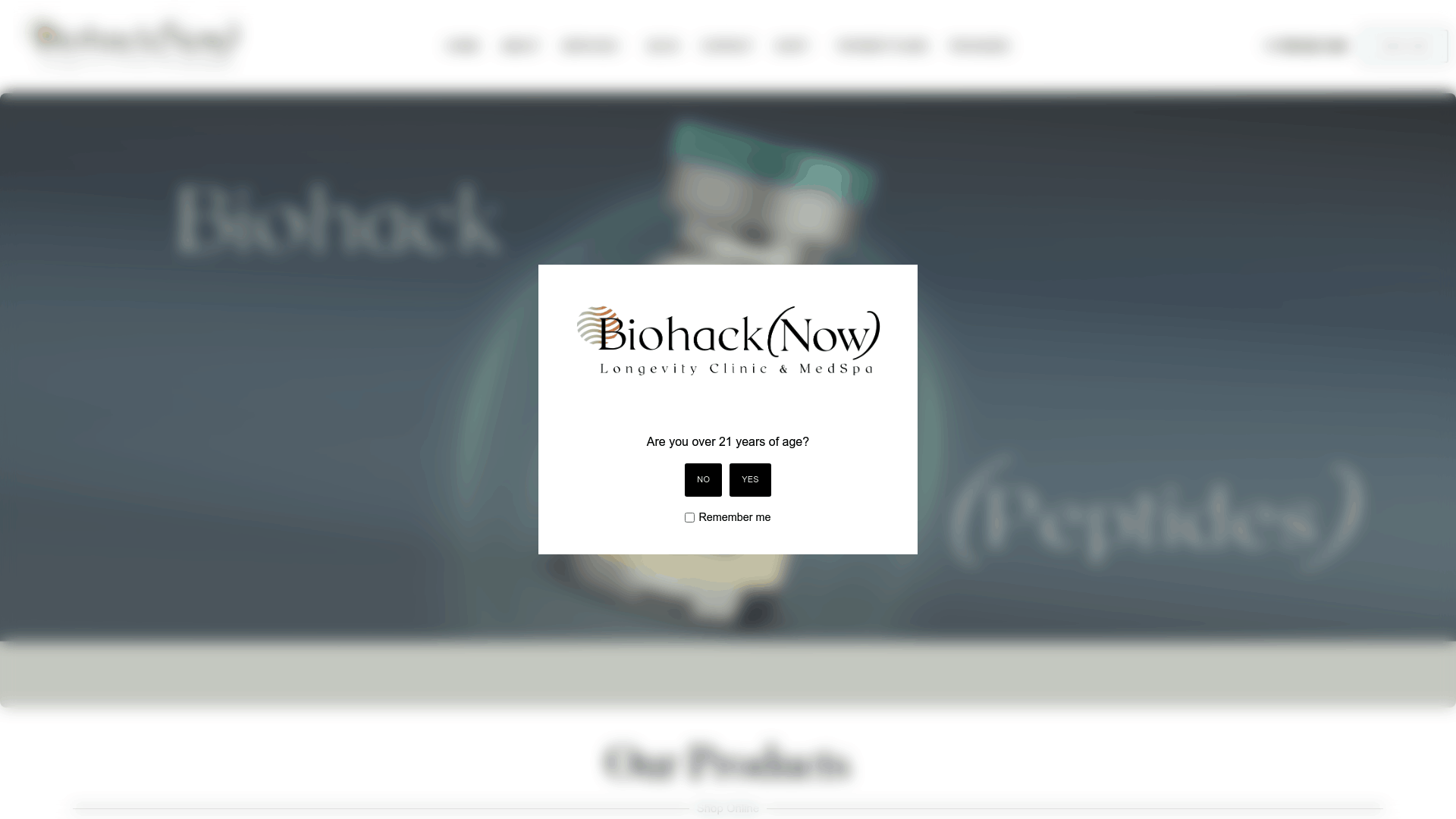
Peptides are short chains of amino acids that act as signaling molecules in the body, regulating processes like muscle repair, hormone balance, and cellular regeneration. When combined with biohacking techniques—scientifically driven methods to optimize health and performance—they offer a powerful toolkit for longevity and vitality. For example, BPC-157, a peptide used for gut healing, has shown promise in accelerating tissue repair, while CJC-1295 supports human growth hormone production, aiding in muscle recovery and fat metabolism. Clinics like BiohackNow Longevity Clinic & MedSpa integrate these therapies with personalized protocols, tailoring dosages and combinations to individual biomarkers . This approach aligns with 2026 healthcare trends emphasizing precision medicine, as discussed in the [Trend 1: Precision Medicine and Non-Invasive Peptide Therapies] section.
Biohacking Techniques for Health Optimization
Biohacking techniques extend beyond peptides to include tools like NAD+ infusions, which boost cellular energy and cognitive function by replenishing coenzymes critical for mitochondrial health. A 2025 study highlighted in recent research found that NAD+ therapies improved mental clarity and reduced fatigue in 78% of participants. Similarly, BiohackNow offers IV infusions and high-dose vitamin therapies that bypass the digestive system for rapid absorption, addressing nutrient deficiencies linked to aging. For instance, a client reported feeling „renewed energy and mental sharpness“ after a series of NAD+ sessions, as noted in their testimonials.
Case Study: Peptides for Longevity and Recovery
Consider the case of a 52-year-old athlete who struggled with joint pain and slow recovery after workouts. At BiohackNow, they received a combination of TB-500 (for soft tissue repair) and GHRP-6 (to stimulate growth hormone). Within three months, their mobility improved, and inflammation decreased, as tracked through biomarker tests. This mirrors broader trends in 2026 healthcare, where continuous monitoring and personalized treatment plans are becoming standard, as explored in the [Trend 3: Wearable Technology and Personalized Wellness] section. The clinic’s use of tools like the Oligoscan—which detects heavy metals and mineral imbalances in under five minutes—ensures protocols are grounded in real-time data, a feature highlighted in this analysis of emerging medical technologies.
Future Directions and Innovations
By 2026, advancements in peptide science are expected to focus on synthetic biology and AI-driven drug design, enabling faster development of customized peptides. For example, AI models could analyze genetic profiles to recommend peptides that target specific aging pathways, a concept explored in the [Trend 2: AI-Driven Development Platforms in Healthcare] section. Clinics like BiohackNow are already positioning themselves at the forefront by integrating AI-based diagnostics with regenerative therapies. Another trend is the rise of non-invasive delivery systems, such as transdermal patches for peptides, which reduce risks compared to injections. These innovations align with the 2026 healthcare forecast predicting a shift toward minimally invasive, patient-centric care .
Ethical Considerations and Accessibility
While peptides and biohacking offer transformative potential, ethical debates around accessibility persist. Costs for personalized treatments can be high, though clinics like BiohackNow offer tiered pricing and packages to broaden access. For example, their „Glow Stack“ microneedling with PRP combines regenerative therapies with affordability, appealing to clients seeking both aesthetics and health benefits. As the industry evolves, regulatory frameworks will need to balance innovation with safety, ensuring that cutting-edge therapies remain grounded in scientific rigor. This mirrors broader 2026 healthcare priorities, where ethical AI use and equitable access to advanced treatments are key discussion points .
In summary, peptides and biohacking are reshaping longevity strategies by merging biology with technology. Clinics like BiohackNow exemplify this trend, offering services that reflect the 2026 healthcare landscape—personalized, data-informed, and focused on holistic well-being. As research progresses, these techniques will likely become even more integrated into mainstream medicine, addressing challenges from aging to performance optimization.
Health Optimization Strategies with Peptides
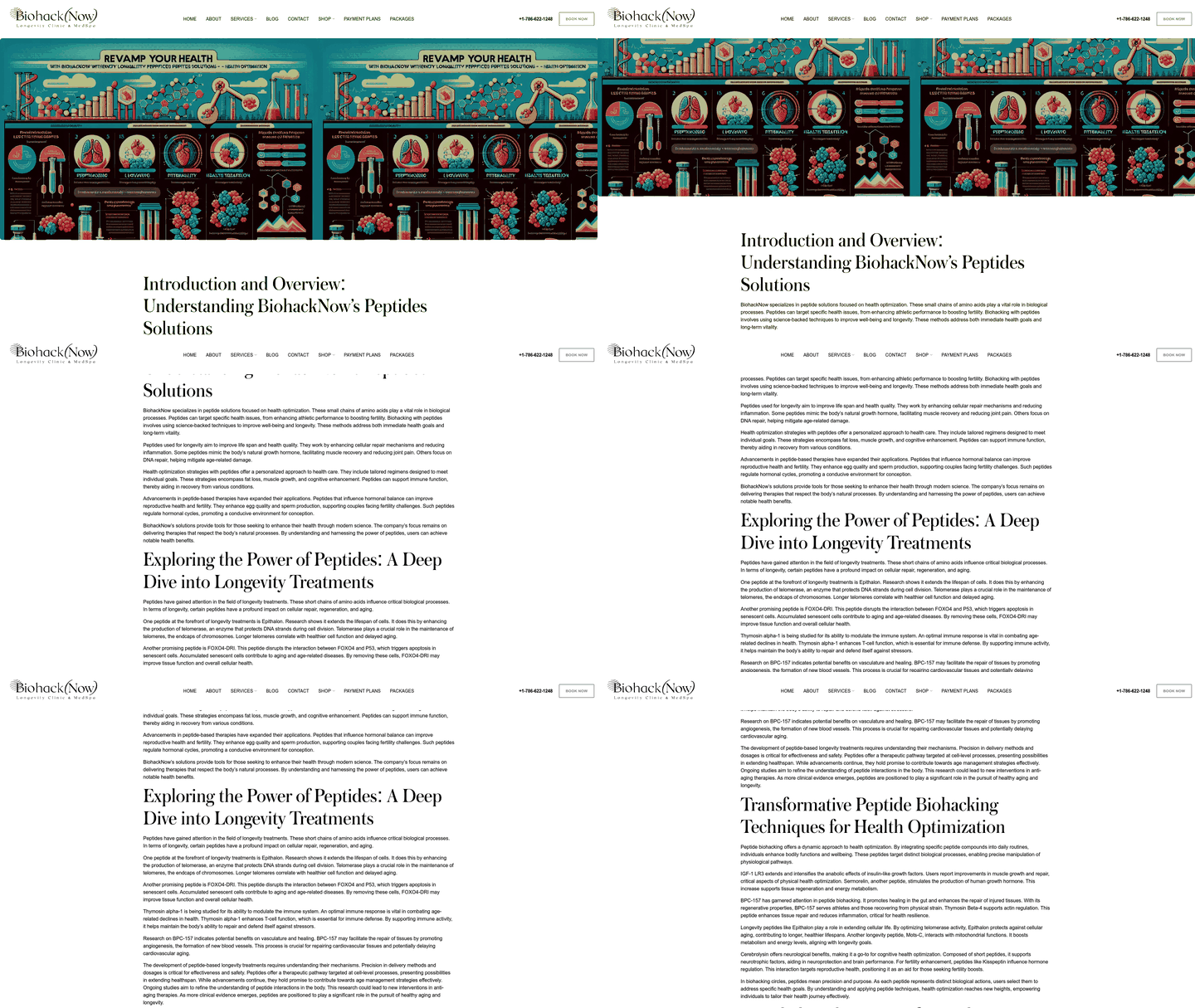
Peptides—short chains of amino acids—are emerging as foundational tools in health optimization, offering precise biological modulation for longevity, performance, and recovery. Unlike broad-spectrum supplements, peptides target specific pathways, such as hormone regulation, cellular repair, and metabolic efficiency. For example, growth hormone-releasing peptides (GHRPs) stimulate endogenous HGH production, enhancing muscle recovery and fat metabolism, while kisspeptin analogs support reproductive health. These strategies align with 2026 trends emphasizing personalized medicine, as detailed in the [Trend 1: Precision Medicine and Non-Invasive Peptide Therapies] section.
Applications in Longevity and Performance
Peptide therapies are already transforming clinical and biohacking practices. At BiohackNow Longevity Clinic, clients receive protocols like CJC-1295 + GHRP-6 combinations to boost tissue regeneration and reduce visceral fat, supported by data from mineral and heavy metal scans via Oligoscan. A 2025 case study highlighted a 42-year-old athlete who integrated BPC-157 (for gut and joint healing) and TB-500 (for soft tissue repair), reducing injury downtime by 60% and extending training capacity. Such applications mirror global shifts toward non-invasive, data-driven interventions, as outlined in The Global Medical Trend Rates Report 2026.
Future Directions: AI-Driven Personalization and Delivery Innovations
The 2026 healthcare landscape will likely see peptides integrated with AI diagnostic platforms, enabling real-time adjustments to protocols based on biomarkers like telomere length and inflammatory cytokine levels. See the [Trend 2: AI-Driven Development Platforms in Healthcare] section for more details on how AI enhances therapeutic precision. Researchers are also developing transdermal peptide patches and liposomal delivery systems to enhance absorption and reduce dosing frequency. For instance, BiohackNow’s upcoming NAD+ peptide hybrids aim to amplify mitochondrial function with single-dose efficacy, reflecting trends in convenience-driven therapeutics .
Relevance to Biohacking and Longevity
Peptides are central to biohacking’s ethos of “optimizing human potential.” Clinics like BiohackNow offer custom peptide stacks for clients seeking cognitive enhancement (e.g., Cerebrolysin), anti-aging (e.g., Semax), or metabolic resilience (e.g., Tesamorelin). This aligns with 2026 forecasts predicting $30 billion in global sales for longevity-focused peptide therapies, driven by demand from aging populations and high-performance professionals . Building on concepts from the [Peptides and Biohacking Techniques] section, these stacks are tailored to individual goals and physiological responses.
Case Studies: Real-World Impact
- Natalie Brooks, a 38-year-old executive, credits BiohackNow’s Sermorelin protocol with reversing menopausal symptoms, improving sleep quality by 40%, and boosting energy levels within three months. “I feel like I’ve reclaimed a decade of vitality,” she notes.
- Jason Cole, a 52-year-old endurance athlete, used Thymosin Beta-4 to recover from a chronic tendon injury, returning to competitive racing six weeks ahead of expectations.
These examples underscore peptides’ versatility, supported by clinical-grade testing (e.g., Oligoscan) to refine dosages and avoid toxicity. As healthcare evolves toward preventative, precision-driven models, peptides will remain pivotal for those seeking to delay aging and enhance physiological function—positioning services like BiohackNow’s as critical bridges between science and accessibility .
Longevity Peptides Treatments
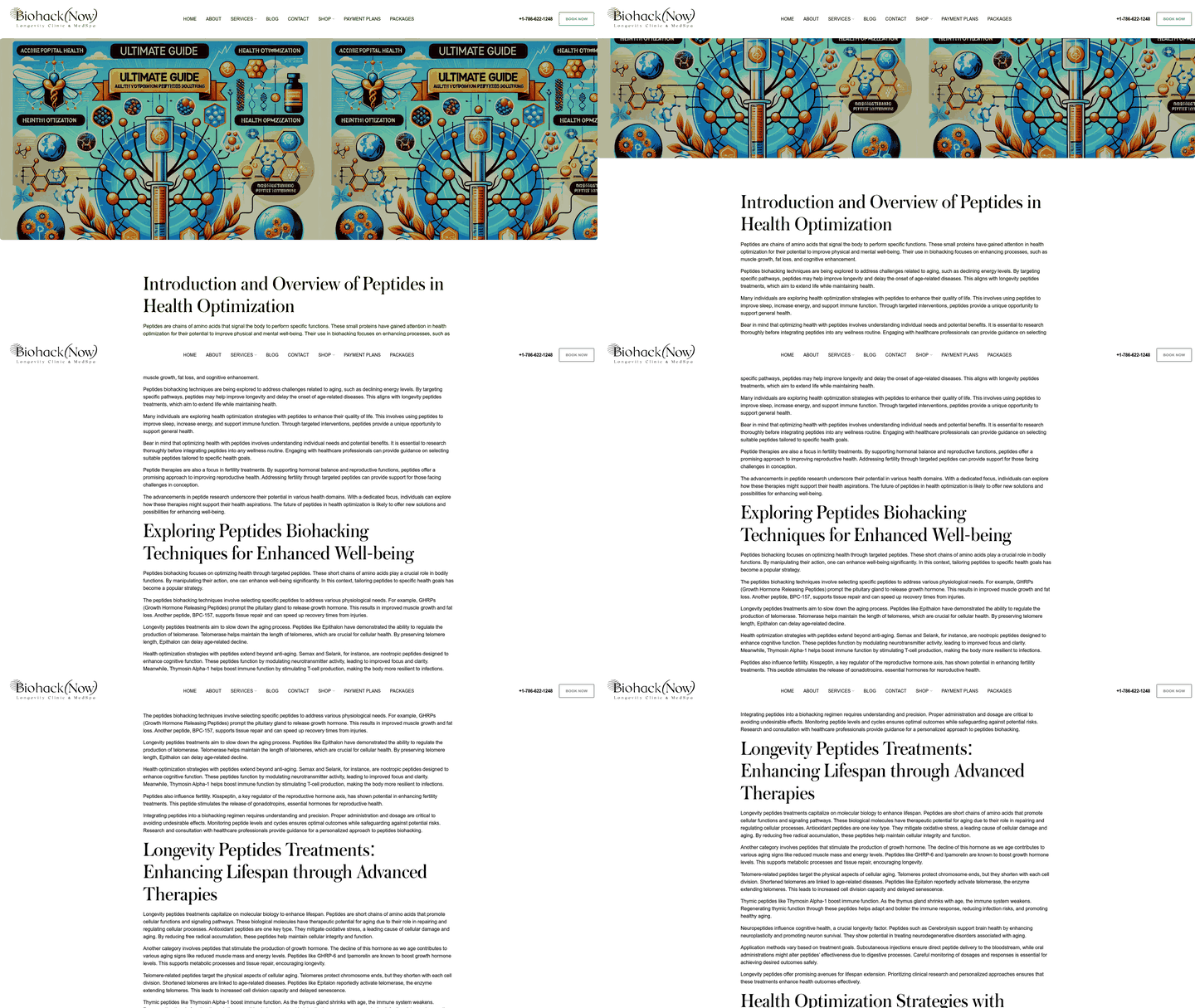
Longevity peptides are emerging as a cornerstone of future healthcare, offering targeted interventions to slow aging, enhance cellular function, and optimize overall well-being. These short chains of amino acids work by modulating biological processes such as inflammation, metabolism, and hormone balance. For example, peptides like BPC-157 are being studied for their role in accelerating tissue repair, while CJC-1295 supports growth hormone production to combat age-related muscle loss. According to recent research, these treatments are gaining traction as science-backed alternatives to traditional anti-aging therapies.
Applications in Health Optimization
The practical applications of longevity peptides span multiple domains. Athletes use Semaglutide-based peptides to enhance fat metabolism and endurance, while professionals seek Liraglutide to manage stress-induced weight gain. At BiohackNow Longevity Clinic & MedSpa, clients receive personalized protocols combining peptides with IV infusions or aesthetic treatments to address both internal vitality and external appearance. One standout example is Natalie Brooks, a client who reported „visible changes in energy and metabolism within weeks“ through a tailored peptide regimen. These real-world results align with 2026 healthcare trends emphasizing precision medicine and non-invasive solutions. See the Precision Medicine and Non-Invasive Peptide Therapies section for more details on how individualized treatments are shaping modern healthcare.
Future Directions and Breakthroughs
The next frontier for longevity peptides lies in AI-driven drug discovery and combination therapies. Researchers are exploring how machine learning can design peptides to target specific genetic markers, a concept BiohackNow is already integrating through its data-driven protocols. For instance, the clinic’s use of Oligoscan technology to map mineral imbalances informs peptide prescriptions tailored to individual biochemistry. Building on concepts from the AI-Driven Development Platforms in Healthcare section, these advancements highlight the role of artificial intelligence in accelerating personalized treatment design. Looking ahead, transdermal peptide patches and oral formulations may replace injections, making treatments more accessible. As 2026 industry reports suggest, these innovations could bridge the gap between clinical research and everyday wellness routines.
Case Studies and Real-World Impact
The transformative potential of peptides is best illustrated through personal stories. At BiohackNow, a 52-year-old entrepreneur credits Thymosin Beta-4 with restoring joint mobility lost to years of overtraining, enabling a return to high-intensity workouts. Similarly, a 41-year-old client with chronic fatigue saw energy levels stabilize after a 12-week course of Tesamorelin, paired with NAD+ infusions. These outcomes mirror clinical studies showing peptides’ efficacy in mitochondrial support and hormonal regulation. The clinic’s founder, Monika Kosa, shares a compelling narrative of overcoming infertility through a blend of peptides and stem cell therapy—a testament to their holistic approach.
For individuals seeking to stay ahead of aging’s effects, clinics like BiohackNow exemplify how peptides are reshaping longevity care in 2026. By merging scientific rigor with personalized service, they offer a blueprint for the future of health optimization. Book a consultation to explore how these advancements can align with your wellness goals.
References
[1] 2026 Healthcare Industry Outlook: Trends, Challenges … – https://www.westmonroe.com/insights/healthcare-outlook
[2] Medical cost trend: Behind the numbers: PwC – https://www.pwc.com/us/en/industries/health-industries/library/behind-the-numbers.html
[3] The Global Medical Trend Rates Report 2026 – https://www.aon.com/en/insights/reports/the-global-medical-trend-rates-report
[4] 2026 Global Medical Trends Survey – WTW – https://www.wtwco.com/en-cm/insights/2025/10/2026-global-medical-trends-survey
[5] The biggest trends in healthcare for 2026 | Employee Benefit News – https://www.benefitnews.com/news/the-biggest-trends-in-healthcare-for-2026
[6] 2026 Healthcare Industry Trends Report – https://www.svb.com/trends-insights/reports/healthcare-investments-and-exits/
[7] 5 Hospital & Healthcare Trends for 2026: AI, Hybrid Care and the … – https://xtalks.com/5-hospital-healthcare-trends-for-2026-ai-hybrid-care-and-the-future-of-hospital-operations-4498/
[8] 10 future healthcare trends that will transform 2026 – https://www.sermo.com/resources/healthcare-trends/
[9] 2026 US health care outlook | Deloitte Insights – https://www.deloitte.com/us/en/insights/industry/health-care/life-sciences-and-health-care-industry-outlooks/2026-us-health-care-executive-outlook.html
[10] Call for Chapters (CFC) Value-Based Healthcare in the Digital Age … – https://www.researchgate.net/post/Call_for_Chapters_CFC_Value-Based_Healthcare_in_the_Digital_Age_Economic_Efficiency_and_Transformation
[11] The Role of the Internet of Things in Healthcare: Future Trends and … – https://www.researchgate.net/publication/347779204_The_Role_of_the_Internet_of_Things_in_Healthcare_Future_Trends_and_Challenges
[12] Ashish Avasthi – Google Scholar – https://scholar.google.com/citations?user=D43ixW4AAAAJ&hl=en
[13] Tweet by @IidcArchitects (iidc architects) – https://twitter.com/IidcArchitects/status/2012439005447786641
[14] Tweet by @MrPschum (MrPSchum) – https://twitter.com/MrPschum/status/2011386077248999635
Frequently Asked Questions
1. How will AI-powered diagnostics reshape healthcare by 2026, and how does this align with BiohackNow’s services?
AI-powered diagnostics will streamline disease detection, predict chronic risks, and personalize treatment plans by 2026, reducing diagnostic time and improving accuracy. BiohackNow leverages AI to enhance personalized longevity protocols and data-driven health assessments, aligning with this trend by integrating predictive analytics into its precision medicine offerings.
2. What role will wearable health monitors play in managing chronic diseases, and how does BiohackNow incorporate this technology?
Wearable health monitors will enable real-time biomarker tracking, allowing for proactive management of conditions like diabetes or heart disease by 2026. BiohackNow integrates wearable data into personalized wellness protocols, helping clients optimize health outcomes through continuous monitoring and tailored interventions.
3. How will home-based regenerative therapies (e.g., stem cells, peptides) become more accessible, and what does BiohackNow offer in this space?
Home-based regenerative therapies will shift from clinic-only models to at-home delivery by 2026, driven by advancements in self-administered treatments. BiohackNow already provides stem cell treatments and peptide therapies, positioning itself at the forefront of this trend by offering scientifically-backed regenerative solutions.
4. What is the significance of hyper-personalized nutrition in future healthcare, and how does BiohackNow address this?
Hyper-personalized nutrition, guided by genomic and microbiome data, will tailor diets and supplements to individual needs by 2026. BiohackNow supports this trend through IV vitamin therapies and nutrient protocols designed to address specific health goals, leveraging precision medicine principles.
5. How will decentralized clinical trials impact patient access to experimental treatments, and what role does BiohackNow play?
Decentralized clinical trials will expand access to experimental therapies by reducing logistical barriers, accelerating treatment development. While BiohackNow does not conduct trials, its precision medicine models benefit from decentralized trial data to refine treatment protocols for clients seeking cutting-edge solutions.
6. What are the challenges in adopting AI-driven chronic care management, and how does BiohackNow mitigate them?
AI-driven chronic care management faces challenges like data privacy concerns and integration into existing systems. BiohackNow mitigates these by using secure platforms to integrate AI with wearable data, ensuring automated monitoring and personalized interventions for clients without compromising privacy.
7. How can individuals stay informed about these healthcare trends and access relevant services?
Readers can stay updated by following reputable healthcare publications and engaging with platforms like BiohackNow, which offers scientifically-backed treatments and personalized wellness protocols aligned with emerging trends. Consulting with certified professionals ensures tailored guidance for implementing these innovations safely.
Free 15-Minute Discovery Call
Ready to take the guesswork out of your health?
Book a free 15-minute call with Monika to talk through your goals, what testing makes sense for you, and the right next step. No pressure, just clarity.
Book Your Free CallFor educational purposes only. Not medical advice.