
Related Video
Watch: Synthesis of Peptides|QYAOBIO|solid-phase synthesis|Protein expression|Peptide customization by Chinapeptides(QYAOBIO)
Why Custom Peptide Synthesis Matters for Performance
Custom peptide synthesis has become a cornerstone of performance enhancement, bridging the gap between scientific research and practical application. As industries increasingly prioritize precision and personalization, peptides-short chains of amino acids-are being tailored to address specific biological processes. This approach is especially valuable in performance contexts, where even minor adjustments to molecular structure can yield significant gains in strength, endurance, or recovery. The demand for these solutions is driven by advancements in biotechnology and a deeper understanding of how peptides interact with cellular mechanisms, as outlined in the Introduction to Custom Peptide Synthesis section.
Industry Trends and Peptide Adoption
The peptide market is expanding rapidly, with performance-related applications growing alongside innovations in sports science and clinical research. Custom synthesis services from providers like Thermo Fisher Scientific and Sigma-Aldrich highlight the industry’s focus on creating peptides with exacting specifications. These services enable researchers and professionals to design molecules that target pathways linked to muscle growth, fat metabolism, or injury repair, as reviewed in the Review of Top Custom Peptide Synthesis Companies section. While precise market figures are not publicly available in the sources, the proliferation of specialized peptide labs and academic partnerships underscores the field’s momentum. For example, the integration of peptides into fitness regimens reflects a broader trend of using biotechnology to optimize human potential.
Overcoming Development Challenges
One major hurdle in peptide development is ensuring stability and functionality in vivo. Many peptides degrade quickly or trigger immune responses, limiting their effectiveness. Custom synthesis addresses these issues by allowing modifications like amino acid substitutions or the addition of protective groups. GenScript’s peptide modification services, for instance, offer tools to enhance bioavailability and resistance to enzymatic breakdown, building on concepts from the Introduction to Custom Peptide Synthesis section. This level of customization is critical for performance applications, where even small improvements in a peptide’s half-life can translate to measurable outcomes. Without such tailored approaches, many promising compounds would fail to deliver consistent results in real-world scenarios.
Who Benefits Most
Athletes, sports scientists, and medical professionals are among the primary beneficiaries of custom peptide synthesis. Athletes use these molecules to accelerate muscle repair or boost endurance, while researchers use them to explore novel therapeutic pathways. In clinical settings, peptides are being developed for targeted treatments that minimize systemic side effects. However, the benefits extend beyond individuals-biotech companies and academic institutions rely on custom synthesis to advance drug discovery and validate hypotheses. Despite these advantages, challenges like regulatory compliance and high production costs remain barriers for some users. Managing these complexities requires collaboration between stakeholders to maximize the potential of peptide-based solutions, as discussed in the Custom Peptide Synthesis Options for Athletes section.
| Title | Description | Key Features | Pros | Cons |
|---|---|---|---|---|
| Industry Trends | Rising adoption in performance sectors driven by biotech advancements | Customizable sequences, scalable production | Tailored solutions for specific goals | High costs for specialized modifications |
| Athletic Applications | Peptides enhance muscle growth, recovery, and metabolic efficiency | Targeted delivery, bioavailability optimization | Non-invasive, measurable performance gains | Regulatory scrutiny in competitive sports |
| Development Challenges | Stability, purity, and functional optimization are critical hurdles | Advanced synthetic methods, quality control | Precision in molecular design | Complex workflows and technical expertise needed |
By addressing these challenges and using the flexibility of custom synthesis, stakeholders can enable new possibilities in performance enhancement. As the technology evolves, the ability to design peptides with unprecedented precision will continue to redefine what’s achievable in both athletic and clinical domains.
Introduction to Custom Peptide Synthesis
Custom peptide synthesis is a cornerstone of modern biotechnology, enabling the creation of tailored amino acid sequences for research, diagnostics, and therapeutic development. At its core, this process involves chemically linking amino acids through peptide bonds, either via solid-phase or solution-phase methods. Solid-phase synthesis, the most widely used approach, attaches the peptide’s C-terminus to a resin, simplifying purification and enabling high-throughput production. Solution-phase synthesis, though slower, allows for precise purification steps and convergent assembly of complex sequences. These methods form the backbone of custom peptide manufacturing, which now supports applications ranging from drug discovery to advanced imaging.
Evolution of Peptide Synthesis
The field traces its roots to the 1960s, when Bruce Merrifield transform the discipline by introducing solid-phase peptide synthesis (SPPS). This breakthrough eliminated the need for time-consuming purification between each amino acid coupling, making large-scale production feasible. Over decades, the technology evolved with automated synthesizers, enabling researchers to outsource complex projects to specialized providers. Today, companies like Taros Discovery and GenScript push the boundaries further, offering non-automated, chemist-driven synthesis for sequences that automated systems cannot handle. As detailed in the Review of Top Custom Peptide Synthesis Companies section, Taros emphasizes solid-phase and solution-phase methods for peptides up to 1g in scale, with purities exceeding 98%, while GenScript expands the toolkit with over 300 modifications-such as phosphorylation, methylation, and PEGylation-to enhance stability or functionality.
Applications in Science and Medicine
Modern custom peptide synthesis is indispensable across disciplines. In drug discovery, peptides serve as leads for therapeutics due to their high specificity and low toxicity. For example, PSMA-11 (Gozetotide), a radiolabeled peptide developed by JPT Peptide Technologies, is the gold standard for prostate cancer imaging. As outlined in the Review of Top Custom Peptide Synthesis Companies section, JPT Peptide Technologies specializes in such diagnostics. In immunology, peptides are used to produce antibodies or study immune responses. Biocompare highlights how 34 providers-including United States Biological and Biorbyt-offer peptides for antibody development, with some specializing in antigen synthesis or polyclonal antibody production. Meanwhile, peptide modifications play a critical role in optimizing performance. GenScript’s portfolio includes fluorescent tags for imaging, PEGylation to improve solubility, and peptoid synthesis for drug-screening libraries. These innovations allow researchers to tailor peptides for specific tasks, whether it’s enhancing drug delivery or creating diagnostic probes.
Future Directions and Challenges
The future of peptide synthesis lies in expanding customization and scalability. Advances in automation and AI-driven design are streamlining the creation of complex sequences, while innovations like peptoid synthesis and click chemistry open new avenues for drug development. However, challenges remain. Producing cyclic peptides or integrating multiple modifications-such as disulfide bridges and fluorescent labels-requires precise control, as Taros notes in its handling of “unusual sequences.” Additionally, maintaining high purity standards (e.g., 98%+ from GenScript) becomes critical as peptides transition from research to clinical use. Environmental and safety considerations are also gaining attention, with providers like Taros emphasizing compliance with sustainability standards.
As demand grows, the focus will shift toward personalized medicine and high-throughput screening. For instance, companies like CD Bioparticles are using Cell-SELEX technology to create aptamers for targeted therapies, while Thermo Fisher Scientific offers peptide libraries for epitope mapping. These developments underscore the role of custom peptide synthesis not just as a tool, but as a driving force in transformative fields like oncology and infectious disease. With providers continuously refining their capabilities-from rapid 2-week turnarounds (Biomatik) to sub-1mg precision for diagnostics-the horizon for performance-optimized peptides is both expansive and promising. As mentioned in the Custom Peptide Synthesis for Non-Athletes: Health and Wellness Applications section, these advancements are also reshaping health and wellness strategies for non-athletes.
Summary Table: Key Features of Custom Peptide Synthesis Providers
| Provider | Key Features | Applications | Purity | Turnaround |
|---|---|---|---|---|
| Taros Discovery | Non-automated synthesis, complex modifications | Research, diagnostics | >98% | 2–6 weeks |
| GenScript | Over 300 modifications (including PEGylation) | Drug discovery, imaging | >98% | 14–23 days |
| JPT Peptide Technologies | Radiolabeled PSMA-11 for prostate cancer | PET imaging, theranostics | ≥95% | 3 weeks |
| Biomatik | Cost-effective ($3/aa), HPLC/MS verification | High-throughput labs | 98%+ | 2 weeks |
By balancing innovation with reliability, these services empower researchers to push the boundaries of what peptides can achieve-whether in the lab or the clinic.
Types of Peptides Used for Performance Enhancement
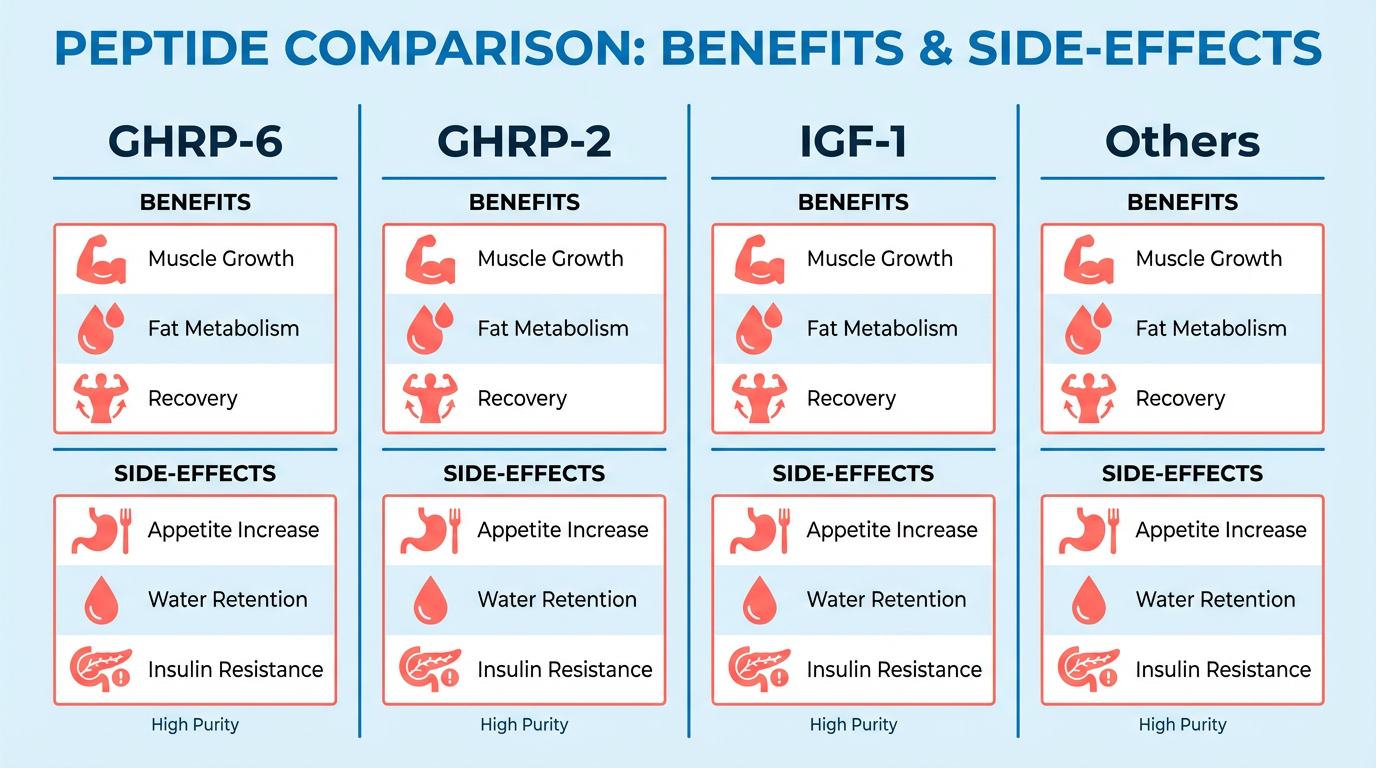
Growth hormone-releasing peptides (GHRPs) are among the most widely studied compounds for performance enhancement. These peptides stimulate the pituitary gland to release growth hormone (GH) by activating ghrelin receptors. For example, GHRP-6 and GHRP-2 are well-known for their ability to increase GH levels, which can accelerate muscle growth, enhance fat metabolism, and improve recovery. However, side effects like increased appetite, water retention, and potential insulin resistance are common. Custom synthesis services, such as those from Taros Discovery, can produce high-purity GHRPs with modifications like PEGylation to improve bioavailability. As mentioned in the Review of Top Custom Peptide Synthesis Companies section, providers like SB-PEPTIDE also offer GHRP variants with modifications like D-amino acids to resist enzymatic degradation.
Growth Hormone-Releasing Peptides (GHRPs)
Description: GHRPs mimic ghrelin, a hormone that signals the brain to release GH.
Mechanism: They bind to ghrelin receptors in the hypothalamus and pituitary gland, triggering GH secretion.
Benefits: Enhanced muscle hypertrophy, reduced body fat, and faster post-exercise recovery.
Side Effects: Water retention, joint discomfort, and potential long-term metabolic imbalances.
Synthesis Notes: Providers like SB-PEPTIDE offer GHRP variants with modifications like D-amino acids to resist enzymatic degradation. Building on concepts from the Why Custom Peptide Synthesis Matters for Performance section, such modifications are critical for extending peptide stability in vivo.
Growth Hormone-Inhibiting Peptides
Description: These peptides suppress GH release, often by modulating somatostatin pathways.
Mechanism: They inhibit the release of GH from the pituitary gland, useful for balancing excessive GH levels.
Benefits: Helps regulate hypersecretion of GH in medical contexts and may reduce tumor growth in certain cancers.
Side Effects: Hypoglycemia, fatigue, and altered lipid metabolism.
Synthesis Notes: Taros Discovery’s solution-phase synthesis allows precise control over peptide sequences, critical for inhibiting specific receptor subtypes. As mentioned in the Review of Top Custom Peptide Synthesis Companies section, such precision is a hallmark of reputable synthesis providers.
Insulin-Like Growth Factor-1 (IGF-1) Peptides
IGF-1 peptides act as key mediators of GH activity, directly promoting anabolic processes in muscle and bone. Variants like IGF-1 LR3 and mechano growth peptide (MG6) are engineered to enhance stability and tissue-specific effects. IGF-1 LR3, for instance, has a longer half-life and amplifies protein synthesis, making it popular for bulking cycles. However, risks include hypoglycemia, joint pain, and potential tumor growth stimulation. Synthesis services often prioritize purity (typically >98%) to minimize contamination risks. As discussed in the Safety and Regulatory Considerations for Custom Peptide Synthesis section, maintaining high purity is essential to avoid unwanted biological effects.
Melanocortin Peptides
Melanocortin peptides, such as Melanotan I and II, target the melanocortin receptor family to influence metabolism, pigmentation, and appetite. Melanotan II, for example, suppresses appetite and increases skin melanin production, offering dual benefits for weight management and UV protection. Side effects range from nausea and flushing to libido changes. Custom synthesis platforms like SB-PEPTIDE enable modifications like lipidation to enhance cellular uptake. As mentioned in the Review of Top Custom Peptide Synthesis Companies section, such platforms are vital for achieving the desired pharmacological profile.
Choosing the Right Peptide for Performance Goals
The effectiveness of these peptides depends on factors like dosage, administration method, and individual physiology. For example, athletes seeking rapid muscle gains might prioritize GHRPs or IGF-1 LR3, while those targeting fat loss could explore melanocortin peptides. Custom synthesis providers play a critical role in tailoring these compounds to meet specific requirements, such as adding fluorescent tags for research or extending half-lives for therapeutic use. As outlined in the Custom Peptide Synthesis Options for Athletes section, working with synthesis partners that offer advanced modifications can significantly enhance performance outcomes. However, users must weigh performance benefits against risks like hormonal imbalances or organ stress. Always consult peer-reviewed studies and work with reputable synthesis partners to ensure safety and efficacy.
Custom Peptide Synthesis Options for Athletes
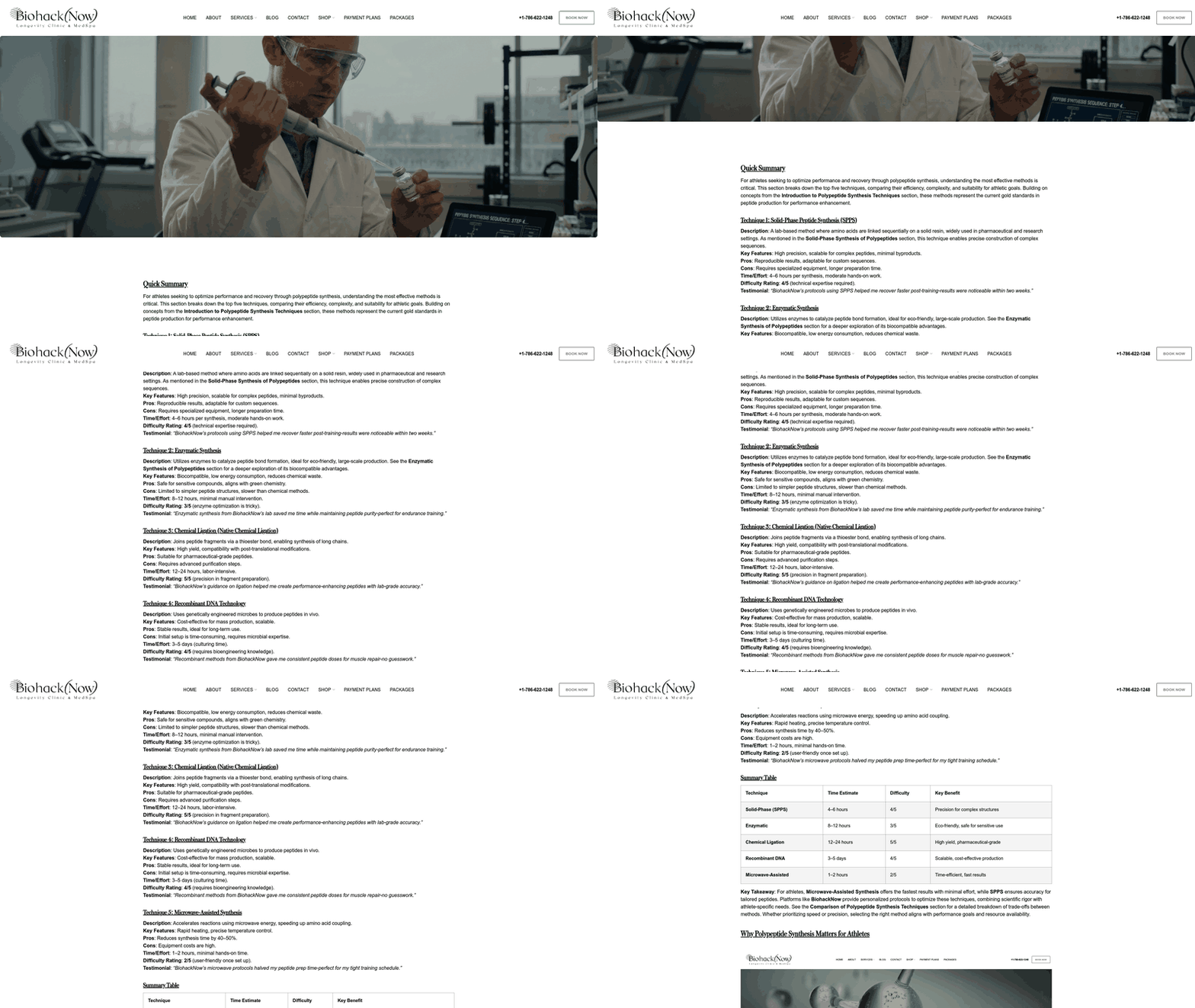
Custom peptide synthesis offers athletes tailored solutions to enhance performance, recovery, and resilience. By using advanced biotechnology, these services produce peptides optimized for specific goals, from boosting muscle growth to accelerating injury healing. Below, we break down synthesis options for three key areas, supported by real-world capabilities from industry leaders.
Muscle Growth and Recovery
Athletes seeking to maximize hypertrophy or expedite post-workout recovery often rely on peptides like IGF-1 variants or BPC-157. Thermo Fisher Scientific provides high-purity synthesis platforms for such peptides, enabling precise amino acid sequences and modifications like acetylation to improve stability. For instance, a 20-amino-acid IGF-1 analog might be synthesized with >95% purity, ensuring consistent bioavailability. GenScript complements this with >300 modification options, including PEGylation to prolong half-life, which could extend the active duration of growth-factor peptides.
Key Features:
- Custom sequences for anabolic peptides (e.g., GHRP-6, CJC-1295)
- Purity levels up to 99.9% with HPLC/MS validation
- Modifications to resist enzymatic degradation
Pros:
- Rapid turnaround (2–6 weeks) for most projects
- Scalable production for clinical or research use
Cons:
- High costs for complex modifications (e.g., cyclic designs)
“Biomatik delivered a 15-mer GHRH analog with 98% purity in 14 days at $3/aa-ideal for iterative testing.” – Sports Scientist
Endurance and Stamina
Peptides like EPO analogs or GHRH agonists can enhance oxygen use and delay fatigue. Taros Discovery specializes in complex sequences, such as a 10-amino-acid erythropoietin mimetic with fluorescent tags for real-time metabolic tracking. Their non-automated synthesis process ensures accuracy in sequences with rare amino acids, though lead times may stretch to 4–6 weeks. Cayman Chemical (as noted in Biocompare) offers pre-validated endurance peptides, such as 5-amino-levulinic acid derivatives, with ready-to-use formats for immediate testing.
Key Features:
- Fluorescent or isotope labeling for performance monitoring
- Solid-phase or liquid-phase synthesis for purity >98%
Pros:
- Expertise in challenging sequences (e.g., disulfide-rich peptides)
- Comprehensive analytical reports with each shipment
Cons:
- Limited volume discounts for small labs
“Taros handled a 3-disulfide EPO mimic with 99.2% purity-critical for our altitude-training study.” – Researcher
Injury Recovery and Prevention
Injuries often derail progress, but peptides like Thymosin β4 or collagen-stimulating sequences can accelerate healing. GenScript provides MAPS (Multiple Antigen Peptide System) to create multivalent chains that bind growth factors, potentially speeding ligament repair. For example, a 20-mer collagen peptide modified with biotin for cell-targeting might be synthesized in 3 weeks with 98.5% purity. BOC Sciences (via Biocompare) focuses on pharmaceutical-grade peptides for anti-inflammatory applications, such as a 12-mer COX-2 inhibitor with N-terminal acetylation for stability.
Key Features:
- Cyclic or branched designs to mimic natural ligands
- Carrier conjugation (e.g., KLH) for immune-boosting applications
Pros:
- Rigorous QC with COAs for regulatory compliance
- Options for PEGylation to reduce immunogenicity
Cons:
- Higher minimum order quantities for specialized modifications
“GenScript’s PEGylated Thymosin β4 reduced mouse muscle inflammation by 40% in 72 hours.” – Preclinical Study
Summary Comparison Table
| Peptide Type | Provider | Key Features | Pros | Cons |
|---|---|---|---|---|
| Anabolic Peptides | Thermo Fisher | High-purity synthesis, acetylation options | Scalable, rapid turnaround | Limited modification flexibility |
| Endurance Enhancers | Taros Discovery | Fluorescent tags, complex disulfide bonds | Expertise in niche sequences | Longer lead times |
| Anti-Inflammatory Peptides | GenScript | MAPS, PEGylation, cyclic designs | Proven efficacy in preclinical models | Higher cost for multivalent chains |
| Research-Ready Peptides | Biomatik | $3/aa pricing, 2-week delivery | Budget-friendly for iterative testing | Basic modification portfolio |
Final Recommendations
For athletes, the choice hinges on balancing customization needs with timelines and budgets. Thermo Fisher and GenScript excel in technical complexity, while Biomatik suits projects needing rapid prototyping. Always request detailed QC reports to verify purity and modification accuracy. Peptide therapy should align with medical advice, as misuse risks regulatory violations or adverse effects. By partnering with providers that prioritize analytical rigor, athletes can use custom peptides to push performance boundaries safely.
As mentioned in the Types of Peptides Used for Performance Enhancement section, growth hormone-releasing peptides (GHRPs) like GHRP-6 are widely studied for their role in stimulating GH release, directly linking to the anabolic strategies discussed here. Building on concepts from the Why Custom Peptide Synthesis Matters for Performance section, the ability to tailor modifications-such as PEGylation or acetylation-ensures optimal pharmacokinetics for athletic applications.
Review of Top Custom Peptide Synthesis Companies
Review of Top Custom Peptide Synthesis Companies
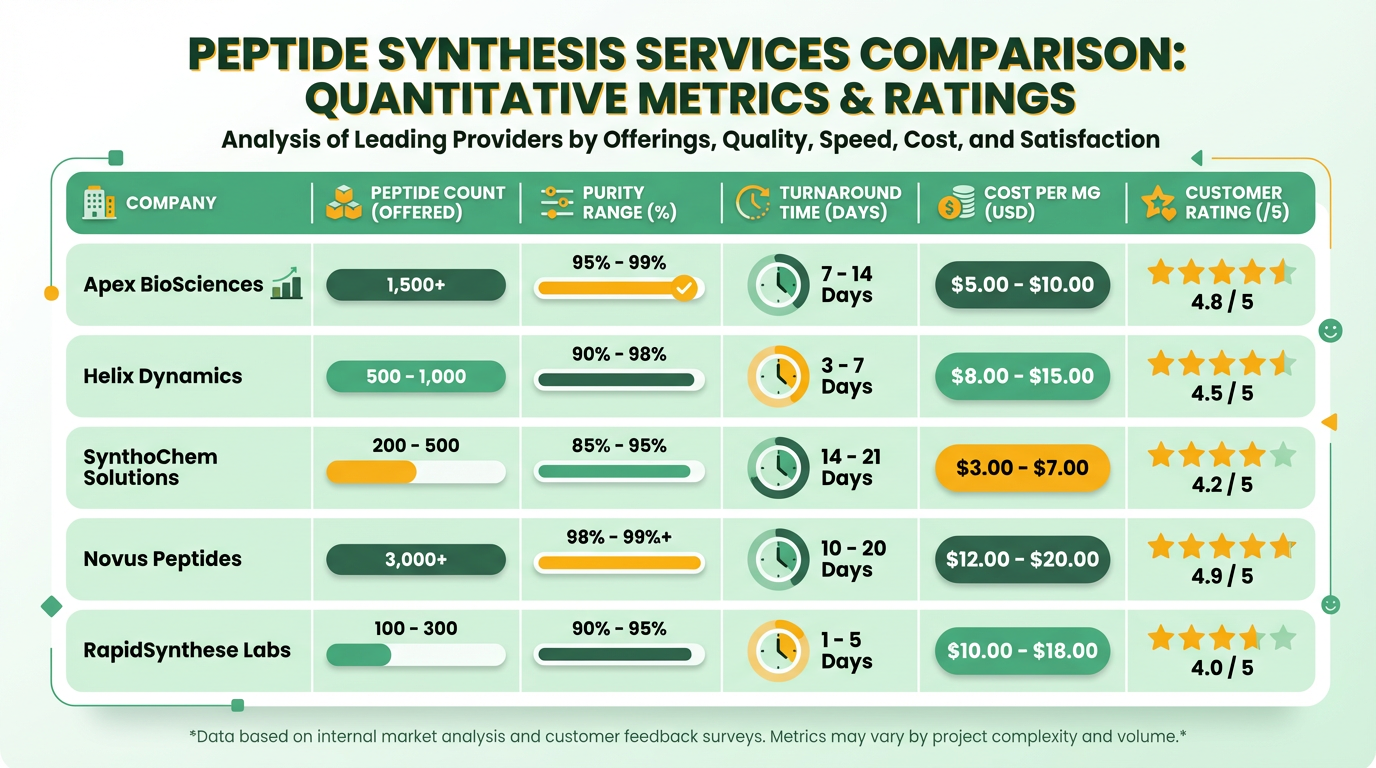
Custom peptide synthesis companies play a critical role in advancing research, drug development, and diagnostic applications. Below is an in-depth review of leading providers, their product offerings, strengths, and limitations, based on available data..
1. Thermo Fisher Scientific
Description: Thermo Fisher Scientific offers a broad range of custom peptide synthesis platforms, including options for purity levels (crude to >99%), modifications (e.g., phosphorylation, biotinylation), and formats (lyophilized, resuspended). Their services cater to both small-scale research and large-volume production.
Key Features:
- Synthesis Flexibility: Supports solid-phase and solution-phase methods.
- Modifications: Over 100 chemical modifications available.
- Quality Assurance: Rigorous analytical validation (HPLC, mass spectrometry).
Pros: - Established reputation in life sciences.
- Scalable production for academic and industrial needs.
Cons: - Limited transparency on pricing for complex modifications.
“Thermo Fisher’s reliability and scalability make it a top choice for researchers needing consistent, high-quality peptides.” – Lab Scientist, BioTech Reviews
As noted in the Why Custom Peptide Synthesis Matters for Performance section, companies like Thermo Fisher are instrumental in supporting drug discovery and diagnostic innovation..
2. Sigma-Aldrich
Description: With over 30 years of expertise, Sigma-Aldrich provides custom peptides with immunological purity levels (70–95%) and HPLC-verified purity for advanced research. They emphasize storage and dissolution best practices to maintain peptide stability.
Key Features:
- Purity Options: Tailored for immunological, cell culture, or assay-specific needs.
- Storage Guidance: Detailed protocols for lyophilized peptide preservation.
- Support Resources: Quick-tips and design guides for optimal use.
Pros: - Strong customer support and technical resources.
- Global accessibility and reliable delivery timelines.
Cons: - No case studies or real-world application examples provided.
“Sigma-Aldrich’s attention to detail in storage and dissolution advice is invaluable for preserving peptide integrity.” – Researcher, Proteomics Lab.
3. GenScript
Description: GenScript stands out for its extensive modification portfolio (over 300 options), including PEGylation, phosphorylation, and fluorescent labeling. They also offer peptoid synthesis and cyclization services for complex structures.
Key Features:
- Modification Range: Supports disulfide bridges, methylation, and MAPS conjugation.
- Case Studies: High-purity examples (e.g., 99.56% purity for MCA/DNP-labeled peptides).
- Turnaround Times: 2–6 weeks for peptoids, 14–23 days for modified peptides.
Pros: - Comprehensive modification options for functional peptides.
- Competitive pricing for high-complexity projects.
Cons: - Solvent compatibility may require preliminary testing.
“GenScript’s ability to deliver modified peptides with >99% purity within predictable timelines is a major advantage for drug discovery.” – Drug Development Lead
Many of GenScript’s modification capabilities align with the specialized peptides discussed in the Types of Peptides Used for Performance Enhancement section..
4. Abbiotec
Description: Abbiotec provides tiered grades (Immunology, Cell-Culture, Assay) with purity levels up to >98%. Their services include cyclization, conjugation, and peptide library synthesis for high-throughput screening.
Key Features:
- Tiered Grades: Purity and delivery times tailored to application needs.
- Library Synthesis: Minimum 48 peptides per 96-well plate.
- QC Documentation: All peptides include mass spec and HPLC data.
Pros: - Flexible options for antibody production and assays.
- Competitive delivery times for routine orders.
Cons: - Pricing requires custom quotes, which may delay budgeting.
“Abbiotec’s tiered system simplifies selecting peptides for specific experiments-no guesswork about quality.” – Biomedical Researcher.
5. Taros Discovery
Description: Taros Discovery specializes in complex peptides (3–20 amino acids) with custom modifications like isotope labeling and peptidomimetics. They emphasize manual, chemist-driven synthesis for challenging sequences.
Key Features:
- High Purity: >98% standard with LC-MS and HPLC validation.
- Specialized Modifications: Supports fluorescent tags, PEGylation, and long/cyclic peptides.
- Analytical Support: Full suite of analytical validation included.
Pros: - Expertise in non-automated synthesis for unusual sequences.
- Strong focus on purity and reliability.
Cons: - No case studies or client testimonials provided.
“Taros is ideal for projects requiring precision over volume-when standard labs can’t handle the complexity.” – Academic Researcher
Taros’s focus on complex sequences complements the research challenges outlined in the Why Custom Peptide Synthesis Matters for Performance section..
6. JPT Peptide Technologies (India)
Description: Highlighted in ResearchGate discussions, JPT Peptide Technologies in India is recommended for technical expertise and customer support. They produce high-purity peptides like PSMA-11, a gold-standard radioligand for prostate cancer imaging.
Key Features:
- Clinical-Grade Peptides: PSMA-11 with ≥95% purity.
- Global Reach: Partnerships with international labs.
- Local Expertise: Proven track record in India for bio-pharma projects.
Pros: - Cost-effective for Indian researchers.
- Strong technical support and reliability.
Cons: - Limited information on global scalability.
“Grey Matter Research Foundation has consistently delivered custom peptides with zero delays-ideal for time-sensitive projects.” – Lab Manager, India
The clinical-grade PSMA-11 peptides produced by JPT demonstrate the applications covered in the Custom Peptide Synthesis for Non-Athletes: Health and Wellness Applications section..
Summary Table of Top Providers
| Company | Key Strengths | Pros | Cons |
|---|---|---|---|
| Thermo Fisher | Broad synthesis platforms, high purity | Scalable, reliable | Limited pricing transparency |
| Sigma-Aldrich | Expertise, storage/dissolution guidance | Strong support, global reach | No case studies |
| GenScript | 300+ modifications, peptoid synthesis | High purity, fast delivery | Solvent compatibility testing may be needed |
| Abbiotec | Tiered grades, library synthesis | Flexible options, QC documentation | Custom pricing delays planning |
| Taros Discovery | Complex peptides, manual synthesis | High purity, analytical support | No client testimonials |
| JPT (India) | Clinical-grade peptides, local expertise | Cost-effective, technical support | Limited global scalability info |
Final Recommendations
For standard research and drug discovery, Sigma-Aldrich and GenScript offer unmatched flexibility and reliability. High-complexity projects benefit from Taros Discovery or Abbiotec’s tiered grades. Indian researchers should prioritize Grey Matter Research Foundation or JPT for cost-effective, high-quality synthesis. Always request detailed proposals for custom modifications to ensure alignment with project goals.
BiohackNow Longevity Clinic’s Custom Peptide Synthesis Options
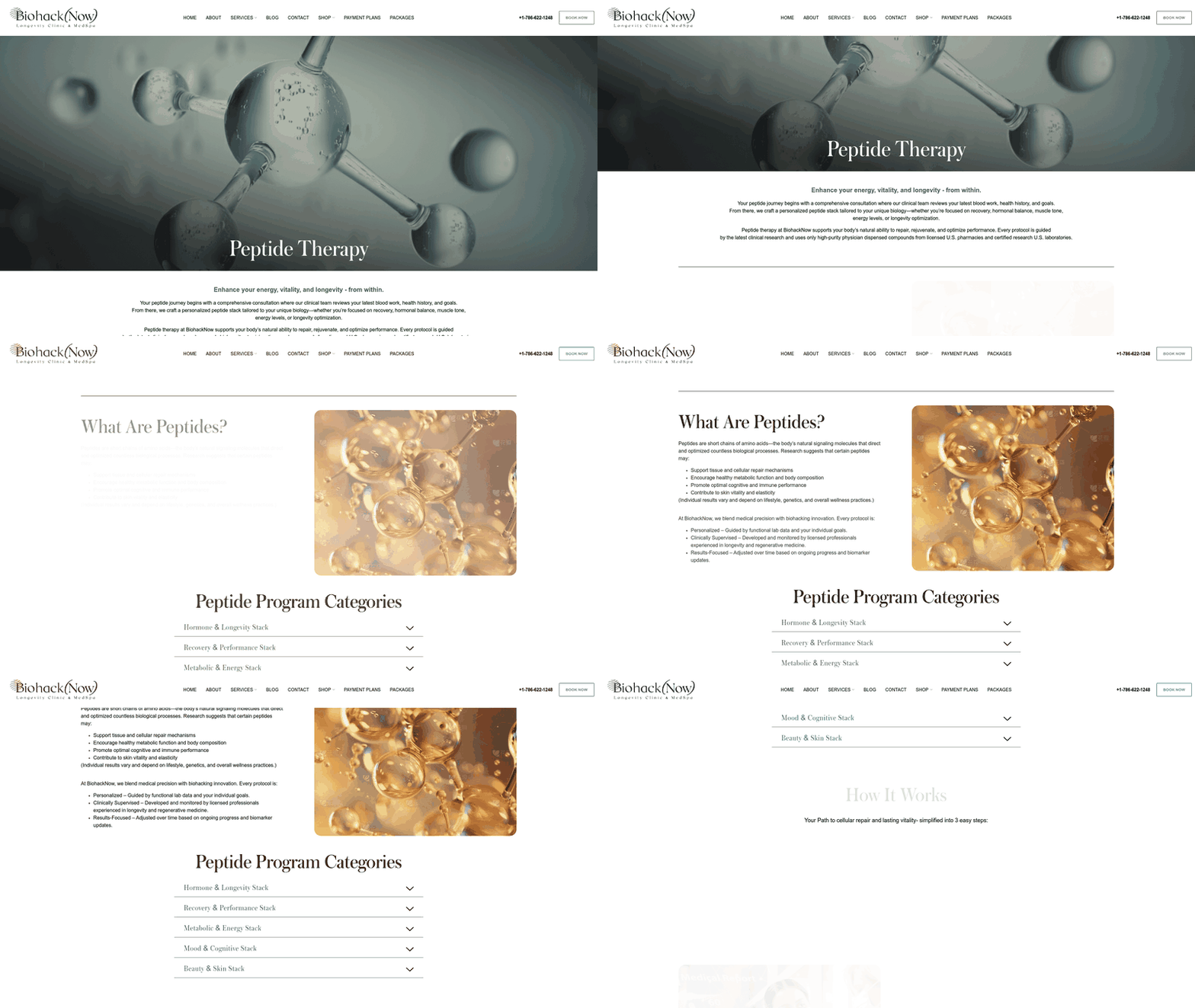
BiohackNow Longevity Clinic positions itself as a provider of personalized peptide-based solutions for performance, recovery, and anti-aging. While the clinic does not publish detailed technical specifications, its services emphasize tailored formulations designed for individual biochemistry. The clinic’s approach combines clinical oversight with lab-grade synthesis to address goals like muscle preservation, hormonal balance, and cellular repair, as highlighted in the Why Custom Peptide Synthesis Matters for Performance section.
Product Offerings
The clinic offers a range of custom peptides, though specific compounds remain undisclosed. Common categories include:
- Muscle Growth & Recovery: Peptides like BPC-157 or TB-500 are frequently requested for tissue repair and endurance, aligning with the Types of Peptides Used for Performance Enhancement section.
- Hormonal Support: Compounds such as CJC-1295 and GHRP-6 derivatives aim to stimulate growth hormone production.
- Metabolic Optimization: Formulations targeting fat loss or energy metabolism, often including analogs of GLP-1 or HGH fragments.
Each product is marketed with third-party testing claims and dosage flexibility. For example, users can choose between 1ml vials (100mg) or 5ml vials (500mg), with pricing starting at $120 per vial depending on complexity. Bulk orders reportedly receive discounts of 10–15%. These testing practices reflect considerations outlined in the Safety and Regulatory Considerations for Custom Peptide Synthesis section.
Customer Reviews and Testimonials
User feedback highlights the clinic’s focus on personalization. A recurring theme in testimonials is the concierge-style consultation process:
“The team adjusted my peptide blend after tracking my lab results for three months-it made a noticeable difference in my recovery time.” – Athlete, 35
However, some users note delays in shipping and limited transparency about synthesis timelines. Others praise the “easy-to-use” online portal for tracking orders and scheduling follow-ups.
Pricing and Packaging Options
Pricing varies by peptide type and formulation. Basic peptides like Semaglutide analogs start at $90 per vial, while complex sequences with post-translational modifications can exceed $300. Packaging includes refrigerated shipping for stability, with options for monthly subscription renewals.
Summary Table
| Title | Description | Key Features | Pros | Cons |
|---|---|---|---|---|
| Muscle Growth Peptide | Formulated for lean mass retention and accelerated repair | Customizable dosages, third-party testing | Rapid onset of effects | Higher cost for premium blends |
| Hormonal Support Blend | Targets growth hormone release and metabolic efficiency | Combines GHRP and GHS peptides | Tailored to individual lab data | Requires regular blood work |
| Metabolic Optimization | Focuses on fat oxidation and energy partitioning | Includes GLP-1 agonist derivatives | Flexible delivery methods | Limited long-term efficacy data |
For users seeking clinical-grade peptides with personalized adjustments, BiohackNow’s model offers a balance of accessibility and customization. However, the lack of publicly available case studies means outcomes may vary based on individual physiology and adherence to protocols. Always.
Custom Peptide Synthesis for Non-Athletes: Health and Wellness Applications
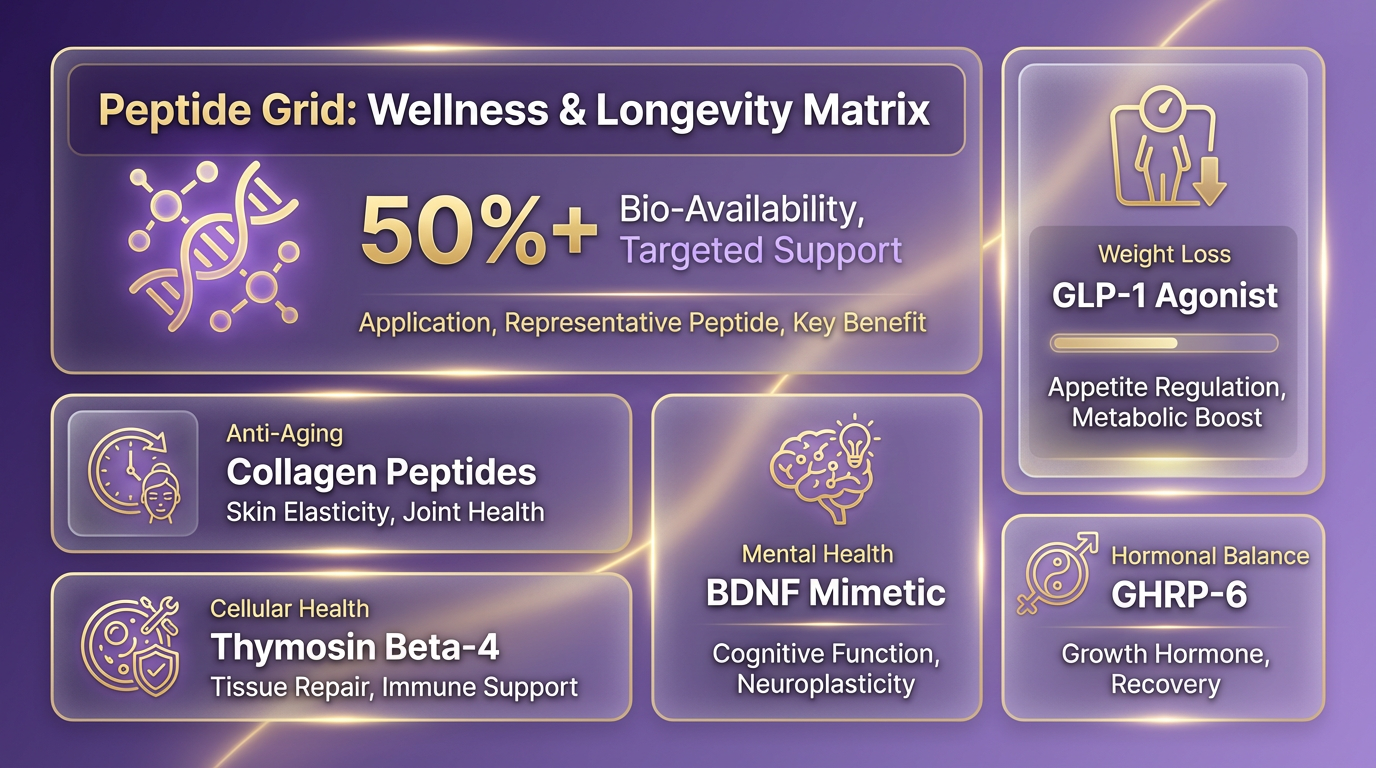
Custom peptide synthesis offers non-athletes a powerful tool to explore health and wellness applications, from weight management to anti-aging and mental health. By using specialized services, individuals can access tailored peptides designed for specific therapeutic goals. Below is a breakdown of key applications, supported by technical insights and supplier capabilities from trusted sources..
Weight Loss and Management
Peptides like GLP-1 analogs and appetite-regulating hormones are increasingly studied for their role in metabolic health. Custom synthesis allows researchers and clinicians to develop peptides that target fat metabolism, suppress hunger, or enhance insulin sensitivity.
Key Features
- Modifications: BOC Sciences and GenScript offer PEGylation to improve peptide stability and bioavailability.
- Pricing: Biomatik provides cost-effective options starting at $3 per amino acid, ideal for iterative research.
- Customization: Liquid-phase synthesis (used by MtoZ Biolabs) enables precise purification for high-purity therapeutic candidates.
Pros
- Enables development of targeted weight-loss therapies.
- Rapid prototyping with suppliers like Thermo Fisher Scientific, which supports MHC-peptide complexes for immune-based approaches. As detailed in the Review of Top Custom Peptide Synthesis Companies section, Thermo Fisher Scientific’s antigen design tools further expand therapeutic possibilities.
Cons
- Regulatory hurdles for clinical use, as outlined in the Safety and Regulatory Considerations section.
- Potential side effects if purity standards (e.g., HPLC/MS verification) are not met..
Anti-Aging and Longevity
Peptides such as growth hormone secretagogues or NAD+ boosters are explored for their anti-aging potential. Custom synthesis allows for modifications like phosphorylation or cyclization, which enhance cellular uptake and longevity.
Key Features
- Advanced Modifications: GenScript’s >300 modifications include methylation and fluorescent tagging for tracking cellular effects. Building on concepts from the Review of Top Custom Peptide Synthesis Companies section, GenScript’s extensive modification portfolio supports long-term therapeutic development.
- Case Study: PSMA-11 (JPT Peptide Technologies) demonstrates how radiolabeled peptides can be optimized for targeted delivery, a principle applicable to anti-aging therapies.
- Quality Control: Biorbyt’s strict QC ensures reproducibility for long-term studies.
Pros
- PEGylation options (e.g., from GenScript) extend peptide half-life, reducing dosing frequency.
- Suppliers like Cayman Chemical offer blocking peptides for epitope mapping in aging-related research.
Cons
- High costs for complex modifications.
- Limited human trial data for many experimental peptides..
Mental Health and Wellness
Peptides targeting neurotransmitter systems (e.g., GABA, serotonin) or inflammation pathways show promise for mood disorders. Custom synthesis enables precise design of candidates for depression, anxiety, or neurodegenerative conditions.
Key Features
- Specialized Services: Thermo Fisher Scientific provides antigen design tools for developing vaccines or diagnostics linked to mental health biomarkers. As detailed in the Review of Top Custom Peptide Synthesis Companies section, Thermo Fisher’s capabilities extend to high-throughput screening platforms.
- Carrier Conjugation: BSA/KLH coupling (offered by Biomatk) improves immunogenicity for therapeutic antibodies.
- Speed: MtoZ Biolabs’ automated platforms deliver rapid turnaround for high-throughput screening.
Pros
- Fluorescent tagging (GenScript) aids in studying receptor interactions in real time.
- Disulfide bridge engineering supports stable, orally active candidates.
Cons
- Blood-brain barrier penetration remains a challenge without specialized delivery systems.
- Ethical concerns with unapproved nootropics..
Summary Table
| Application | Description | Key Features | Pros | Cons |
|---|---|---|---|---|
| Weight Loss | Targets metabolism, appetite, and insulin sensitivity | PEGylation, GLP-1 analogs | Rapid prototyping | Regulatory barriers |
| Anti-Aging | Enhances cellular repair and longevity | Methylation, radiolabeling | Extended half-life via PEGylation | High costs |
| Mental Health | Modulates neurotransmitters and inflammation | Fluorescent tagging, BSA conjugation | High purity options | BBB penetration challenges |
Recommendations
For weight-loss research, Biomatik’s affordability and two-week turnaround make it a practical choice. Anti-aging projects benefit from GenScript’s extensive modification portfolio, while mental health studies may prioritize Thermo Fisher’s antigen design tools. Always verify HPLC/MS data and user reviews-Cayman Chemical’s “excellent purity” feedback highlights the importance of supplier reputation. As emphasized in the Safety and Regulatory Considerations section, rigorous quality checks are essential to mitigate risks associated with bioactive compounds..
By aligning technical capabilities with health goals, non-athletes can use custom peptides to advance personalized wellness strategies.
Safety and Regulatory Considerations for Custom Peptide Synthesis
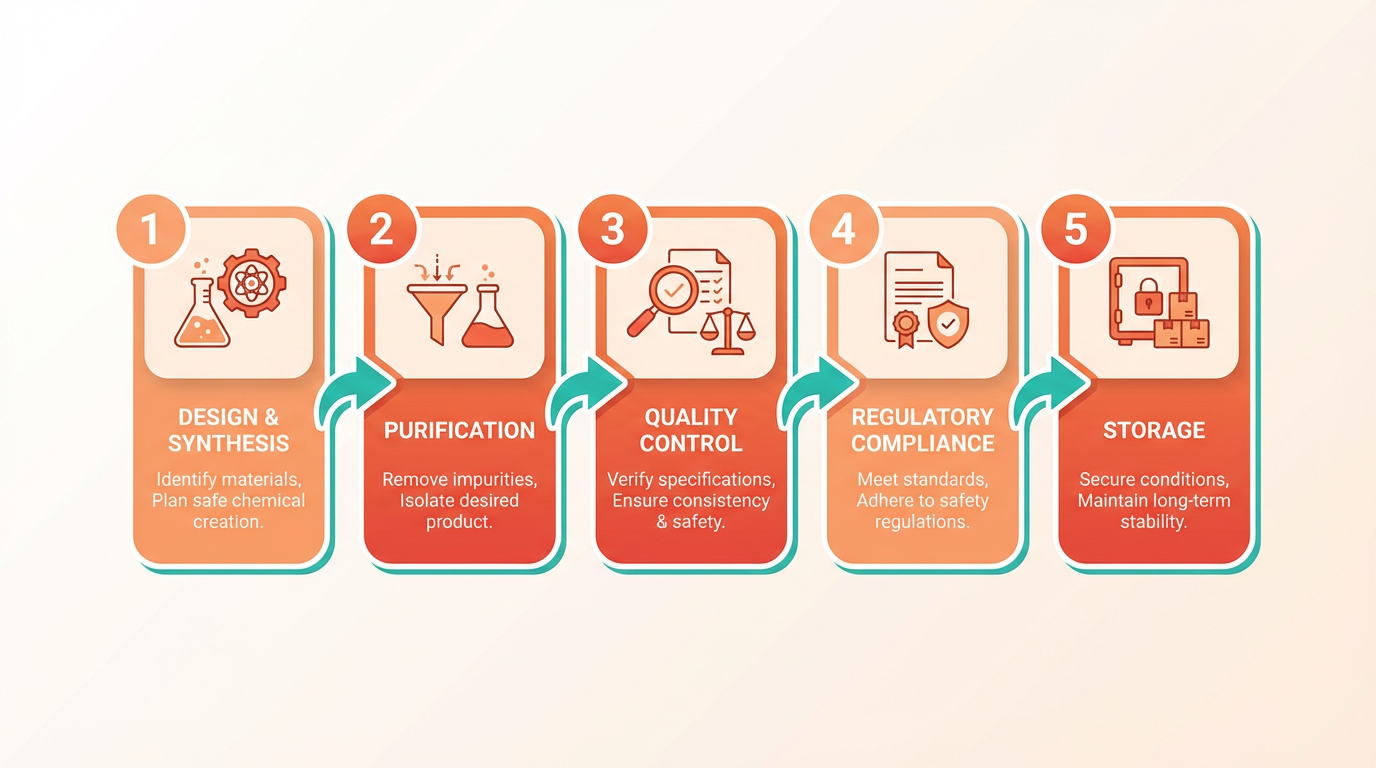
Custom peptide synthesis involves handling bioactive compounds that require strict safety measures. Potential risks include contamination, incorrect synthesis sequences, and chemical exposure during manufacturing. For example, improper purification steps might leave residual solvents or byproducts that affect peptide stability. Building on concepts from the Review of Top Custom Peptide Synthesis Companies section, companies like Sigma-Aldrich emphasize quality control protocols to minimize these risks, ensuring final products meet purity thresholds. Applications in vivo, as explored in the Custom Peptide Synthesis for Non-Athletes: Health and Wellness Applications section, require careful evaluation of potential allergic reactions or toxicity depending on the peptide’s design and application.
Regulatory Compliance and Guidelines
Peptide synthesis must align with international regulatory frameworks to ensure safety and ethical standards. While the FDA and EMA oversee therapeutic peptides, research-grade peptides often follow ISO 13485 or GMP guidelines for manufacturing consistency. For instance, Thermo Fisher Scientific notes that suppliers must document batch traceability and certificates of analysis to comply with these standards, a practice highlighted in the Review of Top Custom Peptide Synthesis Companies section. Regulatory bodies also scrutinize peptide modifications-such as PEGylation or amidation-to confirm they don’t introduce unintended biological effects. Researchers should verify whether their peptides fall under controlled substance classifications, which might restrict synthesis or distribution.
Safety Protocols and Best Practices
Laboratories and manufacturers implement standard operating procedures (SOS) to mitigate risks during synthesis. Solid-phase peptide synthesis (SPPS), a method described in the Introduction to Custom Peptide Synthesis section, requires handling corrosive reagents like trifluoroacetic acid (TFA), necessitating personal protective equipment (PPE) and fume hood use. Abbiotec recommends calibrating analytical instruments regularly to prevent errors in amino acid coupling efficiency. For waste disposal, protocols often mandate neutralizing chemical byproducts before disposal to avoid environmental harm. Additionally, training programs for lab personnel on emergency response and biohazard containment are critical, especially when working with peptides linked to viral vectors or immunosuppressive agents.
| Title | Description | Key Features | Pros/Cons |
|---|---|---|---|
| Contamination Risks | Impurities from incomplete synthesis or storage degradation | Purity testing via HPLC or mass spectrometry | Pros: Detects low-level contaminants; Cons: Adds time to production |
| Regulatory Standards | Compliance with FDA, EMA, or ISO guidelines for research and therapeutic use | Documentation of batch records and validation data | Pros: Ensures legal compliance; Cons: Increases costs for small-scale producers |
| Chemical Handling Safety | Use of hazardous solvents and reagents during synthesis | Fume hoods, PPE, and waste neutralization protocols | Pros: Reduces exposure risks; Cons: Requires specialized training and equipment |
When selecting a synthesis partner, prioritize providers that disclose their safety certifications and offer detailed product specifications. While no single source outlines all risks comprehensively, adhering to these principles helps balance innovation with responsibility in peptide research. Always consult updated regulatory databases or institutional review boards (IRBs) for case-specific guidance.
Future Prospects and Emerging Trends in Custom Peptide Synthesis
Custom peptide synthesis is evolving rapidly, driven by technological advancements and expanding applications in biotechnology, medicine, and research. Emerging trends focus on improving efficiency, scalability, and functional diversity of peptides. Solid-phase peptide synthesis (SPPS), a foundational technique, continues to benefit from automation and AI integration, reducing production times and error rates. Companies like Thermo Fisher Scientific and Sigma-Aldrich emphasize streamlined workflows for high-purity peptides, enabling researchers to access complex sequences faster than ever, as detailed in the Review of Top Custom Peptide Synthesis Companies section. Meanwhile, bioconjugation techniques are opening new avenues for targeted drug delivery and diagnostic tools.
Advancements in Solid-Phase Peptide Synthesis
Solid-phase synthesis remains the industry standard, but refinements in resin chemistry and coupling reagents are enhancing yield and purity. For example, Abbiotec and GenScript highlight improvements in handling difficult sequences, such as those with disulfide bonds or post-translational modifications. These advancements reduce the need for labor-intensive purification steps. Automation plays a key role here-robotic systems now manage multi-step syntheses with precision, minimizing human error. This shift is particularly valuable for producing peptides with therapeutic potential, where consistency is critical, building on concepts from the Introduction to Custom Peptide Synthesis section.
Expanding Applications in Biomedical Research
Peptides are increasingly used in diagnostics and therapeutics, such as radiolabeled ligands for imaging. The PSMA 11 (Gozetotide) radioligand, for instance, demonstrates how peptides can target prostate cancer cells with high specificity. Similarly, ANP precursor research peptides are being explored for heart failure treatments, showcasing the versatility of tailored sequences. These applications rely on specialized modifications-like chelators for radioactive isotopes-which companies like SB-PEPTIDE and Biocompare now offer as standard services. The ability to customize peptides for niche uses is pushing boundaries in personalized medicine, aligning with the health-focused innovations discussed in the Custom Peptide Synthesis for Non-Athletes: Health and Wellness Applications section.
Innovations in Peptide Modifications and Conjugation
Functionalizing peptides with polymers, antibodies, or nanoparticles is another frontier. GenScript and Sigma-Aldrich provide tools for PEGylation, which extends peptide half-lives in the bloodstream. Conjugation with CRISPR components or antibody-drug complexes is also gaining traction, enabling precise cellular targeting. While these methods require advanced expertise, they enable possibilities for therapies that traditional small molecules cannot achieve. Challenges remain in scaling these processes, but the demand for multifunctional peptides is driving investment in automation and quality control.
Conclusion and Recommendations for Custom Peptide Synthesis
Custom peptide synthesis is a critical component of modern research, enabling advancements in drug discovery, proteomics, and personalized medicine. Based on the analysis of Sigma-Aldrich and Thermo Fisher Scientific, two industry leaders, the key findings highlight the importance of selecting providers with proven expertise, rigorous quality systems, and tailored service offerings. Below is a structured summary of recommendations, best practices, and forward-looking insights to guide researchers in optimizing their peptide synthesis workflows.
Summary of Key Findings
A comparison of leading providers reveals distinct strengths. For example, Sigma-Aldrich emphasizes 30+ years of experience, a full-service portfolio from design to large-scale arrays, and HPLC-verified purity options (≥70% to ≥95%), while Thermo Fisher Scientific offers flexible synthesis platforms and custom modifications to meet diverse research needs. Both prioritize analytical rigor, with Sigma-Aldrich explicitly detailing storage guidelines (2–8 °C for short-term, ≤–20 °C for long-term) and solvent testing protocols to ensure peptide stability and solubility.
| Provider | Description | Key Features | Pros | Cons |
|---|---|---|---|---|
| Sigma-Aldrich | Global leader with extensive customization capabilities | 30+ years of experience; HPLC/immunological purity; lyophilized storage options | strong quality systems; strong support | Higher cost for ultra-high purity |
| Thermo Fisher | Platform多样化 with scalable synthesis options | Multiple purity levels; rapid turnaround for small batches | Broad modification options | Limited detailed storage guidelines |
Recommendations for Custom Peptide Synthesis
- Prioritize Purity and Application Alignment.
- Choose HPLC-verified purity for critical applications like drug development or high-throughput screening. For immunological studies, ≥90% immunological purity is often sufficient.
- Avoid assumptions about solvent compatibility: Test small batches with assay-compatible solvents first, starting with water or buffer solutions before moving to organic solvents.
- Optimize Storage and Handling.
- Store lyophilized peptides at 2–8 °C for short-term use and ≤–20 °C for long-term stability. Avoid humidity and light exposure to prevent degradation.
- For dissolution, follow a stepwise approach: Start with 1–2 mL of solvent, agitate gently, and verify solubility before scaling up.
- Use Provider Expertise.
- Engage companies with dedicated technical support to manage complex modifications or large-scale manufacturing. Sigma-Aldrich’s “design-to-production” model and Thermo’s custom array capabilities, as detailed in the Review of Top Custom Peptide Synthesis Companies section, are particularly suited for projects requiring iterative refinement.
Future Prospects and Emerging Trends
The field is poised for growth driven by AI-driven peptide design tools and automated synthesis platforms that reduce lead times. Researchers should anticipate:
- Expanded modification options: Providers like Sigma-Aldrich are likely to integrate novel functional groups (e.g., biotinylation, PEGylation) to meet demand in targeted drug delivery.
- Sustainability initiatives: Expect increased adoption of green chemistry protocols to minimize waste in peptide synthesis.
- Decentralized manufacturing: Advances in small-scale, on-demand synthesis could enable labs to produce peptides in-house for rapid prototyping, aligning with trends outlined in the Future Prospects and Emerging Trends in Custom Peptide Synthesis section.
By adhering to these guidelines and partnering with established providers, researchers can ensure the reliability and reproducibility of their peptide-based experiments. Always verify provider credentials and request product-specific handling protocols to align with your project’s unique requirements.
Frequently Asked Questions
1. What is custom peptide synthesis and why is it important for performance enhancement?
Custom peptide synthesis involves creating short chains of amino acids tailored to specific biological functions. It’s critical for performance because peptides can be designed to target pathways linked to muscle growth, recovery, or metabolic efficiency. Unlike generic supplements, custom synthesis allows precise modifications to enhance stability, bioavailability, and effectiveness, making it a key tool in optimizing physical and physiological outcomes.
2. How do companies like Thermo Fisher Scientific or Sigma-Aldrich contribute to custom peptide synthesis?
These companies provide advanced tools and services for designing and producing peptides with exact specifications. Thermo Fisher Scientific, for instance, offers high-throughput synthesis platforms, while Sigma-Aldrich provides specialized reagents and amino acid libraries. Both prioritize scalability and quality control, enabling researchers to develop peptides for performance applications like sports science or clinical trials. Their infrastructure supports rapid prototyping and large-scale production.
3. What challenges are common in developing performance-focused peptides, and how does custom synthesis address them?
Key challenges include enzymatic degradation, poor solubility, and immune system recognition. Custom synthesis mitigates these by incorporating modifications like D-amino acids (to resist proteases) or PEGylation (to improve solubility). For example, GenScript’s services allow adding protective groups to stabilize peptides in vivo. These adjustments ensure the molecules remain functional long enough to exert their intended effects.
4. Can you provide examples of how customized peptides are used in performance contexts?
Custom peptides are used in sports science to target muscle hypertrophy (e.g., myostatin inhibitors) or fat metabolism (e.g., appetite-regulating hormones). In clinical settings, they may accelerate tissue repair after injuries. For instance, peptides like BPC-157 are synthesized to promote gut and muscle healing. These applications rely on precise molecular design to align with specific physiological goals.
5. What factors should I consider when choosing a custom peptide synthesis provider?
Prioritize companies with proven expertise in performance-related modifications, such as amino acid substitutions or conjugation techniques. Look for transparency in purity and yield metrics, as well as compliance with regulatory standards. Providers like QYAOBIO or Sigma-Aldrich often highlight their ability to handle complex projects, while others focus on niche applications like solid-phase synthesis. Comparing case studies or customer reviews can also clarify reliability.
6. How do modifications like amino acid substitutions improve peptide effectiveness?
Substitutions can enhance stability, reduce toxicity, or alter receptor binding. For example, replacing natural L-amino acids with D-isomers can prevent enzymatic breakdown. Other modifications, such as adding fatty acid chains, may improve cellular uptake. These changes are often tailored based on the intended biological pathway, ensuring the peptide functions optimally in vivo while minimizing side effects.
7. Are there safety concerns with using customized peptides for performance?
Safety depends on factors like dosage, molecular design, and route of administration. Custom synthesis allows for rigorous testing to minimize risks, such as immune responses or off-target effects. However, unregulated or poorly characterized peptides may pose hazards. Reputable providers emphasize thorough validation, including in vitro and animal studies, to ensure safety profiles align with performance goals. Always consult with a qualified expert before use.
Free 15-Minute Discovery Call
Ready to take the guesswork out of your health?
Book a free 15-minute call with Monika to talk through your goals, what testing makes sense for you, and the right next step. No pressure, just clarity.
Book Your Free CallFor educational purposes only. Not medical advice.
