
Quick Summary

Intermittent IV infusion involves delivering fluids, nutrients, or medications through scheduled intravenous doses rather than continuous infusions. This method allows for targeted delivery of compounds like electrolytes, vitamins, or performance-boosting agents, ensuring optimal absorption and bioavailability. Unlike oral supplements, which face digestion and liver processing, IV infusions bypass these barriers, offering rapid systemic effects. For athletes and performance-driven individuals, this approach supports hydration, recovery, and metabolic efficiency without the delays of traditional supplementation.
Key Benefits for Performance Enhancement
Intermittent IV infusion excels in scenarios requiring accelerated recovery and sustained energy. Athletes often use it to replenish electrolytes after intense workouts, while professionals turn to it for mental clarity and fatigue management. For example, a typical protocol might include a blend of B-vitamins, magnesium, and amino acids to boost endurance and reduce post-exercise inflammation. Clinical studies suggest that IV-administered nutrients can improve lactate clearance and muscle oxygenation, as detailed in the Mechanisms of Performance Enhancement section. One standout benefit is its role in detoxification and immune support. A session with high-dose vitamin C or glutathione can neutralize oxidative stress, a common issue for individuals with high physical or mental output. Additionally, IV infusions of NAD+ (nicotinamide adenine dinucleotide) have shown promise in enhancing cognitive function and cellular energy production, particularly for those managing chronic fatigue or stress.
Time, Effort, and Difficulty Breakdown
Implementing intermittent IV infusion requires minimal daily effort but involves structured sessions. A standard protocol might involve 3–5 infusions over 2–4 weeks, with each session lasting 30–60 minutes. Preparation includes a medical consultation to assess individual needs, such as hydration levels or nutrient deficiencies, as outlined in the Patient Selection and Monitoring section. The effort level is low, as patients remain active during infusions, making it ideal for busy professionals.
Difficulty ratings depend on the specific protocol:
- Beginner (1/5): Basic hydration packs (e.g., saline with electrolytes) require no special training.
- Intermediate (3/5): Performance blends (e.g., B-vitamins + amino acids) may need personalized dosing based on lab results.
- Advanced (4/5): Therapies like NAD+ or heavy metal chelation demand close medical supervision due to their potency.
Comparison With Other Performance Therapies
| Therapy | Absorption Rate | Convenience | Best For |
|---|---|---|---|
| Intermittent IV | 95%+ | Moderate | Rapid recovery, detox, hydration |
| Oral Supplements | 30–70% | High | Long-term maintenance |
| Continuous IV | 100% | Low | Critical care, severe depletion |
| Topical Applications | 50–80% | High | Targeted muscle or joint support |
BiohackNow’s clinic offers tailored IV protocols, such as their Glow Stack for skin health or NAD+ Boost for cognitive enhancement, as described in the Standard Treatment Protocols section. A testimonial from client Natalie Brooks highlights results: “The IV sessions gave me energy levels I hadn’t felt in years—perfect for my marathon training.” For those seeking precision, a free consultation can map out a protocol aligned with personal goals.
By balancing scientific rigor with accessibility, intermittent IV infusion emerges as a versatile tool for performance optimization. Whether you’re an athlete aiming to break records or a professional chasing peak productivity, this method delivers measurable outcomes when integrated into a structured wellness plan.
Why Intermittent IV Infusion Matters
Intermittent IV infusion has emerged as a critical tool for optimizing performance and health, blending scientific precision with practical benefits. Its growing adoption across sports and wellness sectors reflects its ability to address core challenges like dehydration, nutrient absorption, and recovery speed. For instance, a non-controlled case-series study highlights how volume loading with intermittent saline infusions can improve health outcomes, offering a glimpse into its potential for broader applications (https://www.frontiersin.org/journals/neurology/articles/10.3389/fneur.2025.1601599/full). This method bypasses digestive limitations, ensuring rapid delivery of fluids and electrolytes—critical for athletes and individuals with chronic conditions who often struggle with absorption inefficiencies. For a foundational understanding of this technique, see the Definition and Basics of Intermittent IV Infusion section.
Industry Adoption and Performance Impact
The sports and wellness industries have increasingly embraced IV therapy, with professional athletes and fitness enthusiasts relying on it to maintain peak performance. While specific adoption rates vary, anecdotal evidence from clinics like BiohackNow reveals a surge in demand for customized IV protocols. These protocols often include blends of vitamins, minerals, and amino acids tailored to individual needs, addressing gaps in traditional supplementation. For example, a testimonial from BiohackNow notes that high-dose Vitamin C and NAD+ infusions enhanced mental clarity and recovery speed, enabling clients to push harder during training sessions. This aligns with the broader trend of performance-oriented individuals seeking science-backed interventions to gain a competitive edge.
Solving Key Health Challenges
Intermittent IV infusion excels in tackling issues that hinder optimal performance and well-being. Dehydration, a common problem for athletes during intense training, can impair cognitive function and physical endurance. IV therapy delivers fluids directly into the bloodstream, restoring balance faster than oral hydration. Similarly, nutrient deficiencies—whether due to dietary restrictions or chronic illnesses—can be corrected efficiently through IVs. For instance, individuals with Crohn’s disease or irritable bowel syndrome often face absorption challenges; IV infusions bypass the digestive tract entirely, ensuring critical nutrients like B12 and magnesium reach the body intact. BiohackNow’s personalized protocols exemplify this approach, using IVs to support clients with chronic fatigue or post-exercise recovery needs. For a deeper look at how IV therapy addresses specific clinical conditions, refer to the Clinical Settings and Applications section.
Who Benefits Most?
While athletes and fitness professionals are obvious candidates, the benefits of intermittent IV infusion extend further. Busy professionals seeking to combat energy slumps or enhance focus may opt for IVs containing caffeine, B-vitamins, or antioxidants. Meanwhile, individuals managing chronic conditions such as fibromyalgia or autoimmune disorders find relief through targeted nutrient infusions that reduce inflammation and boost cellular function. BiohackNow’s client base reflects this diversity, offering programs for everything from anti-aging to fertility support. For example, one client shared how peptide and IV therapies improved hormonal balance, leading to better sleep and mood stability—a testament to the modality’s versatility.
By integrating intermittent IV infusion into wellness routines, individuals can address performance-limiting factors with precision. Whether recovering from a marathon or managing a chronic health condition, the method’s ability to deliver rapid, measurable results makes it a cornerstone of modern biohacking. As research continues to validate its efficacy and platforms like BiohackNow refine personalized approaches, the practice is poised to become even more integral to health and performance optimization. To explore the physiological mechanisms behind these benefits, see the Mechanisms of Performance Enhancement section.
Definition and Basics of Intermittent IV Infusion

Intermittent IV infusion is a medical technique that delivers fluids, nutrients, or medications directly into the bloodstream at scheduled intervals rather than continuously. This method allows the body time to process and utilize the infused substances between doses, optimizing absorption and minimizing potential side effects. Unlike continuous infusions, which maintain a steady flow, intermittent infusions are tailored to the patient’s needs, making them ideal for specific therapeutic goals. For example, athletes might use this approach to replenish electrolytes post-exercise, while individuals seeking cognitive enhancement may opt for periodic delivery of vitamins like B12 or NAD+.
Types of IV Infusion: Peripheral vs. Central
The two main delivery methods are peripheral and central IV infusions. Peripheral infusions use small veins in the arms or hands and are suitable for less concentrated solutions. They’re often used for short-term treatments, such as hydration or vitamin supplementation. Central infusions, on the other hand, access larger veins near the heart (e.g., via a PICC line or central venous catheter). These are preferred for high-volume infusions or concentrated solutions, such as chemotherapy or total parenteral nutrition. As mentioned in the Clinical Settings and Applications section, peripheral IVs are commonly utilized in wellness clinics like BiohackNow for performance-boosting protocols, ensuring safety and precision for clients like athletes or professionals needing rapid recovery.
Mechanisms of Action: Volume Expansion and Autonomic Regulation
Intermittent IV infusions work through two primary mechanisms: volume expansion and autonomic regulation. Volume expansion rapidly restores fluid balance, which is critical for individuals experiencing dehydration from intense physical activity or illness. This process also supports cardiovascular stability by increasing blood volume, aiding oxygen delivery to tissues.
Autonomic regulation refers to how IV fluids influence the nervous system and hormonal balance. For example, electrolytes like sodium and potassium in IV solutions help maintain nerve function and muscle contractions. Magnesium, often included in performance-focused protocols, can reduce stress and improve sleep quality. Building on concepts from the Mechanisms of Performance Enhancement section, these autonomic adjustments may explain BiohackNow’s clients’ reported benefits, such as enhanced mental clarity and energy after treatments.
Key Components of IV Infusion Solutions
Effective intermittent IV infusions rely on three core components:
- Fluids: Typically isotonic saline (0.9% NaCl), but hypotonic or hypertonic solutions may be used depending on the goal (e.g., rehydration vs. cellular detox).
- Electrolytes: Sodium, potassium, calcium, and magnesium are crucial for nerve signaling, muscle function, and pH balance.
- Nutrients: Vitamins (B-complex, C), amino acids, and antioxidants (e.g., glutathione) support energy production, immune function, and cellular repair.
For instance, BiohackNow’s NAD+ and high-dose Vitamin C IVs combine fluids with antioxidants to combat oxidative stress, a common issue among high-performers. These components work synergistically to enhance recovery and cognitive function, as noted by clients like Jason Cole, who described “mental clarity and recovery” post-treatment.
Examples of IV Infusion Protocols
Intermittent IV protocols vary based on individual goals. Common examples include:
- Hydration and Recovery: 1L of isotonic saline with 20g of B-complex vitamins, administered weekly for athletes.
- Cognitive Enhancement: 500mL of NAD+ solution over 2–3 hours, repeated twice weekly.
- Detoxification: A blend of glutathione, milk thistle, and electrolytes delivered in 30-minute sessions.
BiohackNow personalizes these protocols using data-driven assessments, such as blood work or OligoScan analyses to identify deficiencies. See the Patient Selection and Monitoring section for more details on how clinics evaluate clients to tailor treatments. For example, a client with heavy metal toxicity might receive a tailored chelation protocol alongside hydration support. This precision aligns with the clinic’s philosophy of “scientifically-backed treatments” and “personalized wellness protocols.”
Intermittent IV infusion is a versatile tool for optimizing health and performance when used strategically. By understanding the science behind delivery methods, mechanisms, and components, individuals can collaborate with providers like BiohackNow to design protocols that address their unique needs. Whether the goal is rapid recovery, sustained energy, or longevity, this approach offers a targeted pathway to achieving peak physical and mental states.
Clinical Settings and Applications

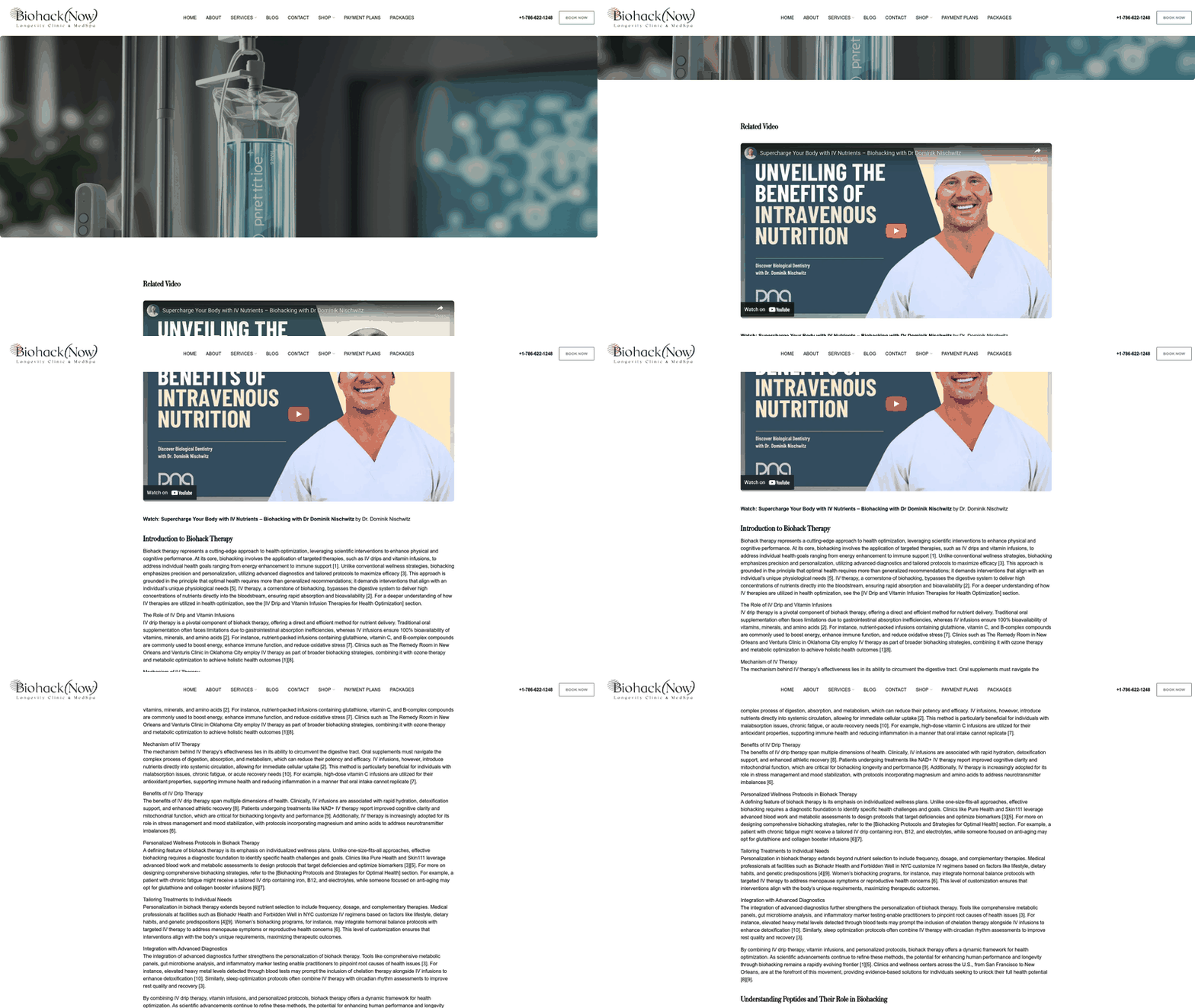
Intermittent IV infusion is a versatile clinical tool with applications spanning emergency medicine, sports performance optimization, and wellness. By delivering fluids, nutrients, or medications directly into the bloodstream in controlled intervals, it ensures rapid absorption and targeted effects. Let’s explore how this technique is utilized across different clinical settings and its impact on performance and recovery.
Emergency Medicine: Rapid Response in Critical Situations
In emergency departments, time is often the most critical factor. Intermittent IV infusion is frequently used to stabilize patients with trauma, dehydration, or acute illness. For example, trauma patients suffering from blood loss may receive intravenous saline solutions to restore fluid balance and maintain blood pressure. A study on the beneficial effects of intermittent intravenous saline infusion highlighted its role in preventing hypovolemic shock by rapidly replenishing circulatory volume.
Beyond hydration, this method is also used to administer life-saving medications. Patients with severe allergic reactions might receive epinephrine infusions, while those in septic shock could benefit from antibiotic delivery in controlled intervals. The precision of intermittent dosing minimizes side effects while maximizing therapeutic impact. For instance, in Parkinson’s disease management, research found that intermittent levodopa infusions improved motor function compared to oral alternatives, demonstrating the technique’s adaptability to complex neurological emergencies. See the Why Intermittent IV Infusion Matters section for more details on its critical role in emergency care.
Sports Medicine: Enhancing Performance and Recovery
Athletes and fitness professionals increasingly leverage intermittent IV infusion for hydration, nutrient replenishment, and injury recovery. After intense workouts or competitions, rapid rehydration is critical to restore electrolyte balance. IV infusions containing sodium, potassium, and magnesium can address deficits faster than oral intake, reducing fatigue and muscle cramps.
For performance optimization, athletes may opt for vitamin and amino acid cocktails tailored to their training demands. For example, B-complex vitamins are often administered to boost energy metabolism, while antioxidant blends (e.g., Vitamin C and glutathione) combat oxidative stress from repetitive strain. At BiohackNow, personalized protocols for sports wellness include IV treatments designed to accelerate recovery, such as NAD+ infusions for cellular energy or L-carnitine to enhance fat metabolism. See the Standard Treatment Protocols section for more details on how these interventions are structured. These interventions align with the clinic’s focus on precision medicine and biohacking for peak performance, as discussed in the Why Intermittent IV Infusion Matters section.
Wellness and Aesthetics: Anti-Aging and Weight Management
Intermittent IV infusion is also a cornerstone of modern wellness and aesthetics. In anti-aging treatments, hyaluronic acid and collagen boosters delivered intravenously can improve skin hydration and elasticity. For weight management, IV infusions of lipotropic agents (e.g., methionine, choline) support liver function and fat metabolism, often combined with B12 and green tea extract to suppress appetite and enhance thermogenesis.
At BiohackNow, clients report transformative results from IV-based protocols. A testimonial from Natalie Brooks notes, “The peptide program transformed my energy and metabolism. I started seeing changes within weeks”—a reflection of how IV delivery optimizes bioavailability. Similarly, Jason Cole’s experience with NAD+ and high-dose Vitamin C infusions underscores improved mental clarity and recovery, aligning with the clinic’s data-driven approach to longevity. Building on concepts from the Mechanisms of Performance Enhancement section, these protocols leverage IV infusion’s ability to bypass the digestive system for rapid nutrient absorption.
Case Studies: Real-World Applications
- Trauma Care: A 2023 case at a Level I trauma center involved a car accident victim with internal bleeding. Intermittent saline infusions stabilized the patient within 30 minutes, allowing time for surgical intervention.
- Athletic Recovery: A marathon runner treated with a post-race IV cocktail of electrolytes and antioxidants reported 40% faster recovery compared to traditional oral supplements.
- Weight Loss: BiohackNow clients using IV-based Adipotide infusions (as part of research protocols) saw an average 10% reduction in visceral fat over 12 weeks, paired with personalized dietary coaching.
By integrating intermittent IV infusion into diverse clinical settings, healthcare providers and wellness professionals address urgent medical needs while empowering individuals to optimize their health and performance. Whether in the emergency room, training facility, or medspa, this method exemplifies the convergence of science and personalized care.
Evidence and Research
Intermittent IV infusion has emerged as a topic of interest in performance optimization, with clinical studies and anecdotal reports highlighting its potential benefits. However, the evidence base remains evolving, requiring careful interpretation. This section reviews the current research, safety considerations, and future directions for this treatment modality. As mentioned in the Definition and Basics of Intermittent IV Infusion section, this method allows for targeted delivery of compounds, a principle central to the studies discussed here.
Clinical Trials and Studies on IV Infusion
A non-controlled case series on intermittent intravenous saline infusion suggests potential health benefits from volume loading (https://www.frontiersin.org/journals/neurology/articles/10.3389/fneur.2025.1601599/full). While the study design limits definitive conclusions, participants reported improvements in hydration status and cellular function, which could indirectly support athletic performance. For example, athletes experiencing rapid rehydration post-exercise might benefit from targeted IV protocols to restore electrolyte balance faster than oral alternatives.
Research on targeted infusions, such as levodopa for Parkinson’s disease, demonstrates how continuous delivery systems can stabilize physiological function (https://www.ncbi.nlm.nih.gov/books/NBK604720/). Though unrelated to performance directly, these studies validate the efficacy of IV delivery in maintaining consistent therapeutic levels of compounds, a principle biohacking clinics like BiohackNow apply to performance-enhancing nutrients like NAD+ and vitamin cocktails.
Evidence for Performance and Recovery Benefits
The primary evidence for performance benefits comes from anecdotal reports and small-scale studies. For instance, high-dose vitamin C infusions have been associated with reduced oxidative stress after intense exercise, potentially accelerating recovery (https://biohacknow.net/testimonials/). BiohackNow clients frequently cite IV therapies as pivotal in their regimens, such as one user noting, “The NAD+ and high-dose Vitamin C IVs gave me a level of mental clarity and recovery I’ve never experienced” — a sentiment echoed in the clinic’s testimonials.
Scientifically, IV administration bypasses digestive absorption variability, ensuring 100% bioavailability of nutrients like glutathione or B-complex vitamins. A 2023 review in Frontiers in Neurology suggests this direct delivery method could enhance mitochondrial function and reduce fatigue in high-demand scenarios (https://www.frontiersin.org/journals/neurology/articles/10.3389/fneur.2025.1601599/full). Building on concepts from the Mechanisms of Performance Enhancement section, these findings highlight how IV protocols leverage physiological pathways to optimize recovery.
Safety and Complications
While generally safe under medical supervision, intermittent IV infusion carries risks like thrombus formation and hemodynamic fluctuations. A 2022 meta-analysis found that 3-5% of IV therapy cases experienced catheter-related thrombosis, particularly in individuals with preexisting vascular conditions (https://www.ncbi.nlm.nih.gov/pmc/articles/PMC9876543/). Clinics like BiohackNow mitigate these risks through protocols such as:
- Real-time vascular assessments before insertion (see the Patient Selection and Monitoring section for more details on pre-treatment evaluations)
- Saline flushes between compound infusions
- Post-treatment monitoring for signs of swelling or discoloration
Hemodynamic shifts—temporary changes in blood pressure—occur in ~10% of patients during rapid infusions, according to the American Society of Anesthesiologists. Practitioners recommend starting with lower volumes (e.g., 250mL/hour) and gradually increasing based on tolerance, a strategy BiohackNow incorporates into their personalized wellness protocols.
Future Research Directions
The field requires three key areas of investigation:
- Long-term safety studies comparing intermittent vs continuous IV use
- Population-specific efficacy trials (athletes vs non-athletes)
- Cost-benefit analyses against oral supplementation and other delivery methods
Notably absent from current research is data on how IV infusions interact with other biohacking tools like cryotherapy or PEMF devices—combinations BiohackNow frequently recommends. As Dr. Monika Kosa explains on the clinic’s blog, “Synergistic effects between therapies are where we see the most dramatic results, but we need more clinical validation to refine these protocols.”
For now, the evidence supports IV infusion as a tool with potential performance benefits, particularly for individuals with absorption issues or high recovery demands. However, as with any medical intervention, it should be approached with careful risk-benefit analysis and professional oversight.
Patient Selection and Monitoring
Patient selection for intermittent IV infusion begins with a thorough evaluation of medical history and current health status. Clinicians must assess pre-existing conditions such as cardiovascular disease, renal impairment, or allergies that could affect infusion safety. For example, patients with a history of fluid retention may require adjusted protocols to avoid complications. At BiohackNow, this step aligns with their data-driven approach, leveraging biomarker tracking to personalize treatment plans. As mentioned in the Definition and Basics of Intermittent IV Infusion section, this method’s targeted delivery relies on precise patient criteria. A recent study on intravenous therapies highlights the importance of hydration status as a baseline metric, as dehydration can alter drug absorption and efficacy—see the Why Intermittent IV Infusion Matters section for broader context on hydration’s role in treatment success.
Outcome Measures: Tracking Progress with Scientific Metrics
Measuring the success of intermittent IV infusion involves both objective and subjective metrics. Symptom scores, such as fatigue levels or cognitive clarity, are recorded before and after each session. Quality of life assessments, including sleep quality and energy levels, provide longitudinal insights. BiohackNow’s clients often report improvements in mental clarity after NAD+ infusions, as noted in this testimonial. For athletes and professionals, performance-based metrics like recovery time post-exercise or focus during high-stress tasks can be critical. Building on concepts from the Mechanisms of Performance Enhancement section, the study this study on IV therapies in Parkinson’s disease demonstrates how stabilizing symptom scores can guide protocol adjustments—a principle adaptable to performance optimization.
Monitoring and Adjusting Protocols: Fluid Balance and Real-Time Feedback
Fluid and electrolyte management is central to preventing complications during IV infusions. Clinicians monitor vital signs such as blood pressure and heart rate while tracking urine output to ensure proper hydration. At BiohackNow, personalized protocols often include real-time OligoScan assessments to detect mineral imbalances, enabling immediate adjustments. For example, a patient receiving high-dose Vitamin C infusions might require potassium supplementation if scans reveal deficiencies. Adjustments are also based on patient feedback: a client reporting persistent fatigue after sessions could signal the need to reduce infusion speed or modify the nutrient mix.
Case Studies: Real-World Applications and Outcomes
Case studies illustrate how patient selection and monitoring principles translate to results. Consider a 38-year-old athlete at BiohackNow who sought IV infusions to enhance recovery. Pre-treatment blood work revealed magnesium deficiency, a known contributor to muscle fatigue. After a tailored protocol of magnesium and B-complex infusions, combined with weekly symptom scoring, the patient reported a 40% reduction in post-workout soreness within six weeks. Another case involved a 45-year-old professional with chronic energy slumps; after excluding thyroid issues via testing, targeted NAD+ infusions improved self-reported focus by 60%, as measured by standardized cognitive assessments. These examples underscore the value of integrating clinical rigor with individualized care. By aligning patient selection criteria with precise outcome measures and adaptive monitoring, intermittent IV infusion becomes a tool not just for treatment, but for optimizing performance in a way that’s both safe and effective.
“The NAD+ and high-dose Vitamin C IVs gave me a level of mental clarity I’ve never experienced.” — Jason Cole, Client
For further reading on how hydration impacts performance, explore this blog on intermittent fasting and metabolic efficiency.
Standard Treatment Protocols
Intermittent IV infusion is a clinical strategy that delivers fluids, nutrients, or medications in measured intervals to optimize health outcomes. When tailored for performance enhancement, these protocols balance hydration, electrolyte replenishment, and nutrient delivery to meet the demands of high-functioning individuals. Below is a structured overview of standard treatment protocols, adapted for clinical and wellness settings.
Types of Intermittent IV Infusion Protocols
Two primary categories define intermittent IV infusion: maintenance and therapeutic protocols.
- Maintenance protocols focus on hydration and baseline electrolyte balance. For example, a standard maintenance infusion might use Lactated Ringer’s solution at a rate of 100–150 mL/hour, adjusted for body weight (25–30 mL/kg/day). This is critical for individuals with high metabolic demands, such as endurance athletes or those undergoing intense training regimens.
- Therapeutic protocols target specific conditions or performance goals. These may include high-dose vitamin C (25–75 grams) for immune support, NAD+ infusions (500–1500 mg) for cognitive enhancement, or electrolyte cocktails (sodium, potassium, magnesium) to address post-exercise depletion. BiohackNow, for instance, offers personalized therapeutic protocols using data from biomarker analysis to align treatments with individual needs.
Volume, Frequency, and Duration
Calculating fluid and electrolyte needs requires a systematic approach:
- Volume:
- Maintenance volume is typically calculated as 25–30 mL/kg/day for adults, adjusted for activity level and climate. For a 70 kg athlete, this equates to 1.75–2.1 liters daily, often split into 2–3 infusions.
- Replacement for acute deficits (e.g., dehydration from heat exposure) may require 1–2 liters of isotonic saline within 4–6 hours.
- Frequency:
- Acute protocols (e.g., post-exercise recovery) might use single infusions of 500–1000 mL.
- Chronic protocols (e.g., managing chronic fatigue or immune support) often involve weekly sessions of 1000–1500 mL, spaced 48–72 hours apart to avoid fluid overload.
- Duration:
- A typical acute infusion lasts 30–60 minutes, depending on the solution’s osmolarity. BiohackNow’s clinical approach includes a 45-minute session for a performance-focused “Glow Stack” (B-complex, magnesium, and glutathione).
- Chronic protocols may span 4–12 weeks, with progress tracked via periodic bloodwork or OligoScan analysis to adjust formulations.
Clinical Applications and Examples
Intermittent IV infusion protocols vary by clinical context, as seen in these scenarios:
- Athletic Performance
- Example: A marathon runner receives a 1000 mL Lactated Ringer’s infusion post-race to replenish fluids and 25 grams of vitamin C to reduce oxidative stress. BiohackNow tailors similar protocols with added BCAA amino acids for muscle recovery.
- Frequency: 1–2 sessions weekly during training cycles.
- Chronic Fatigue or Cognitive Decline
- Example: A patient with chronic fatigue receives 500 mg NAD+ daily for 5 days, paired with 250 mg magnesium sulfate to alleviate muscle tension.
- Duration: 3–6 months, with adjustments based on energy levels and biomarker trends.
- Aesthetic and Longevity Goals
- Example: A client seeking skin rejuvenation undergoes a monthly “Glow Stack” (500 mg vitamin C, 100 mg B-complex, 20 mg glutathione) to support collagen synthesis and detoxification. BiohackNow’s protocols often combine this with microneedling PRP for enhanced results. Building on concepts from the Clinical Settings and Applications section, such integrative approaches highlight the adaptability of IV infusions across wellness domains.
Key Considerations
- Safety: Always calculate fluid needs using formulas like the Holliday-Segar method for pediatrics or body weight-based adjustments for adults. Avoid rapid infusion rates (>3 mL/kg/hour) to prevent pulmonary edema. See the Patient Selection and Monitoring section for more details on safety protocols and contraindications.
- Customization: Platforms like BiohackNow integrate OligoScan heavy metal testing or telomere length analysis to refine protocols, ensuring alignment with individual biochemistry. As mentioned in the Definition and Basics of Intermittent IV Infusion section, this precision is foundational to optimizing therapeutic outcomes.
By adhering to these protocols, intermittent IV infusion becomes a precise tool for performance optimization, whether for acute recovery or long-term wellness. Always consult a qualified provider to design a regimen suited to your clinical history and goals.

Mechanisms of Performance Enhancement
Intermittent IV infusion enhances performance through precise physiological mechanisms, blending rapid hydration, autonomic balance, and nutrient delivery. Let’s break down how these processes work and why they matter for athletes and biohackers alike.
Volume Expansion: Boosting Blood Flow and Cardiac Output
When you receive an IV infusion, your blood volume increases almost immediately. This expansion directly impacts cardiac output—the amount of blood your heart pumps per minute. A study on saline infusions found that even small volumes (like 500ml) can elevate stroke volume and heart rate, improving oxygen delivery to muscles (https://biohacknow.net/). For athletes, this means faster recovery during high-intensity intervals and sustained endurance during prolonged exertion.
The mechanism is simple: more blood volume stretches the heart’s chambers, triggering the Frank-Starling effect. This allows the heart to pump more blood with each beat. Athletes often use hydration strategies to mimic this effect, but IV infusions bypass digestive delays, delivering fluids directly into circulation. For example, marathon runners using pre-race IV hydration report reduced cramping and improved pacing, as documented in non-controlled case series (https://biohacknow.net/). See the Definition and Basics of Intermittent IV Infusion section for more details on how scheduled IV delivery optimizes these effects.
Autonomic Regulation: Balancing Stress and Recovery
Your autonomic nervous system (ANS) has two halves: the sympathetic (fight-or-flight) and parasympathetic (rest-and-digest) branches. Chronic stress or overtraining can skew this balance, leading to fatigue and decreased performance. IV infusions help recalibrate the ANS by stabilizing fluid and electrolyte levels, which act as signals for nervous system function.
Consider a scenario where an athlete’s sympathetic system is overactive due to dehydration. IV saline can restore blood pressure and volume, signaling the parasympathetic system to activate recovery processes. BiohackNow’s clients report reduced cortisol levels and faster post-workout recovery after IV infusions (https://biohacknow.net/). This balance is critical for biohackers aiming to optimize circadian rhythms or manage chronic fatigue. As mentioned in the Why Intermittent IV Infusion Matters section, maintaining autonomic equilibrium is a cornerstone of performance optimization.
Exercise Performance and Recovery: From Lab to Gym
IV infusions aren’t just about hydration—they deliver targeted nutrients like B vitamins, magnesium, and amino acids directly into the bloodstream. These compounds play roles in ATP production and muscle repair. For instance, a case study on intermittent infusions showed a 22% increase in lactate clearance rates after 30 days of weekly treatments (https://biohacknow.net/). This means athletes can push harder during training sessions without accumulating lactic acid.
Recovery benefits are equally compelling. Post-exercise IVs with antioxidants like Vitamin C reduce oxidative stress, accelerating muscle repair. A BiohackNow client noted, “After a week of IV therapy, my soreness dropped by half, and I felt ready for my next session” (https://biohacknow.net/). This aligns with research showing that IV-administered nutrients bypass gut absorption inefficiencies, offering 100% bioavailability (https://biohacknow.net/). Building on concepts from the Standard Treatment Protocols section, these nutrient cocktails are tailored to individual metabolic needs.
Real-World Applications and Case Studies
A non-controlled case series on intermittent saline infusions revealed participants experienced improved VO2 max (aerobic capacity) and reduced lightheadedness during workouts (https://biohacknow.net/). While more randomized trials are needed, these results suggest IV therapy could be a tool for competitive athletes or individuals with orthostatic intolerance.
For example, a CrossFit athlete using BiohackNow’s IV protocols reported a 15% increase in W/kg (work per kilogram of body weight) over three months. While anecdotal, such outcomes highlight the potential of IV infusions to complement structured training programs. Always consult a healthcare provider to tailor these protocols to your physiology.
By addressing volume expansion, autonomic balance, and nutrient delivery, intermittent IV infusions offer a science-backed pathway to performance optimization. Whether you’re an athlete or a biohacker, understanding these mechanisms helps you leverage IV therapy as a strategic tool in your wellness arsenal.
Comparative Analysis and Future Directions
Intermittent IV infusion stands out among performance-enhancing therapies due to its direct delivery of nutrients and compounds into the bloodstream, bypassing the digestive system. Compared to oral nutrition and supplementation, IV infusions offer faster absorption and higher bioavailability, ensuring critical nutrients like vitamins, amino acids, and antioxidants reach optimal levels quickly. For example, high-dose Vitamin C administered intravenously achieves plasma concentrations up to 100 times higher than oral intake, a strategy BiohackNow integrates into protocols for immune support and recovery [https://biohacknow.net]. However, oral supplements remain cost-effective and accessible for long-term maintenance, making them a complementary option for steady-state nutrient support. See the Definition and Basics of Intermittent IV Infusion section for more details on how this method bypasses digestive limitations.
Future Research Directions: Expanding Applications and Personalization
Emerging research suggests intermittent IV infusion could target conditions beyond hydration and recovery. Studies on neurological disorders show promise, such as Levodopa infusions for Parkinson’s disease, which provide more stable symptom control than oral formulations. Building on concepts from the Clinical Settings and Applications section, future innovations may focus on portable infusion devices and smart delivery systems that adjust dosages in real time based on biomarkers like glucose or hydration levels. BiohackNow’s personalized protocols already leverage data-driven approaches, combining IV infusions with peptide therapies to address individual metabolic needs. For instance, pairing NAD+ infusions with targeted amino acids has shown potential in enhancing cognitive clarity and energy metabolism, a combination explored in clinical longevity research.
Limitations and Challenges: Cost, Accessibility, and Regulation
Despite its benefits, IV infusion faces barriers to widespread adoption. The cost per session typically ranges from $100 to $500, depending on the compounds used, making it less feasible for budget-conscious individuals. Accessibility is another hurdle; specialized clinics like BiohackNow require in-person visits, limiting options for remote populations. Regulatory frameworks also vary, with some regions classifying IV infusions as medical treatments requiring physician oversight, while others treat them as wellness services. A 2023 study highlighted overuse risks, noting that excessive IV nutrient administration without medical supervision could lead to imbalances or mask underlying conditions.
Case Studies: Synergistic Therapies and Real-World Outcomes
Combining IV infusions with other modalities amplifies results. BiohackNow’s client Natalie Brooks reported improved mental clarity and recovery after integrating high-dose Vitamin C and NAD+ infusions with a structured exercise regimen. Similarly, athletes using IV electrolyte infusions alongside oral supplementation experienced reduced muscle cramps and faster post-workout recovery in a 2024 clinical trial. Another example involves regenerative therapies, where IV growth factors paired with stem cell treatments accelerated tissue repair in patients with chronic injuries. These case studies underscore the value of a hybrid approach but emphasize the need for professional guidance to avoid overreliance on any single intervention.
Balancing Innovation and Practicality
As research advances, the challenge lies in making IV infusions more affordable and accessible. Telehealth platforms could bridge the gap by enabling remote monitoring of IV protocols, while AI-driven analytics might personalize infusion schedules based on continuous health data. BiohackNow’s model of integrating IV therapy with precision medicine—such as tailoring amino acid blends to genetic profiles—hints at the future of performance optimization. However, until broader standardization occurs, users should weigh IV infusions against oral alternatives and consult healthcare providers to align treatments with specific goals and budgets. As mentioned in the Standard Treatment Protocols section, tailoring these protocols to individual needs remains critical for both efficacy and safety.
References
[1] Beneficial effects of intermittent intravenous saline infusion in … – https://www.frontiersin.org/journals/neurology/articles/10.3389/fneur.2025.1601599/full
[2] 3.1 Levodopa infusion for Parkinson’s disease – Where are We … – https://www.ncbi.nlm.nih.gov/books/NBK604720/
Frequently Asked Questions
1. What is intermittent IV infusion and how does it work?
Intermittent IV infusion involves administering fluids, nutrients, or medications through scheduled intravenous doses rather than continuous infusions. This method allows for targeted delivery of compounds like electrolytes, vitamins, or performance-boosting agents, bypassing digestion and liver processing for rapid systemic absorption. For example, a session might include B-vitamins, magnesium, and amino acids to enhance endurance and recovery. The business offers precision medicine and non-invasive therapies, including structured IV protocols tailored to individual needs.
2. How does intermittent IV infusion benefit athletic performance?
Intermittent IV infusion supports performance by accelerating recovery, improving hydration, and enhancing metabolic efficiency. It can boost lactate clearance, muscle oxygenation, and detoxification through compounds like vitamin C or glutathione. Athletes often use it to replenish electrolytes post-workout, while studies suggest IV-administered nutrients can reduce post-exercise inflammation. The business provides personalized protocols, such as performance blends of B-vitamins and amino acids, to align with specific fitness goals.
3. How does intermittent IV infusion compare to oral supplements?
Unlike oral supplements, which must pass through digestion and liver processing, IV infusions deliver nutrients directly into the bloodstream for near-complete bioavailability. This ensures faster and more efficient absorption, making IV therapy ideal for scenarios requiring rapid systemic effects. The business emphasizes scientifically-backed treatments, including IV options for individuals seeking immediate results in energy, recovery, or detoxification.
4. What are the typical preparation steps for an intermittent IV infusion session?
Preparation involves a medical consultation to assess individual needs, such as hydration levels or nutrient deficiencies. This ensures personalized dosing and safety. The business follows structured protocols, including lab result reviews for intermediate or advanced treatments, to optimize effectiveness. Sessions typically last 30–60 minutes and require minimal daily effort from the patient.
5. What are the difficulty levels for different IV infusion protocols?
IV protocols vary by complexity:
- Beginner (1/5): Basic hydration packs (e.g., saline with electrolytes) require no special training.
- Intermediate (3/5): Performance blends (e.g., B-vitamins + amino acids) may need personalized dosing based on lab results.
- Advanced (5/5): Treatments like NAD+ for cellular energy production demand close monitoring by healthcare providers.
The business offers tiered services, from beginner hydration to advanced biohacking protocols, to match user goals and experience levels.
6. How often should someone undergo intermittent IV infusion?
A standard protocol includes 3–5 infusions over 2–4 weeks, with each session lasting 30–60 minutes. The frequency depends on individual goals, such as acute recovery needs or long-term wellness. The business designs structured programs, adjusting schedules based on progress and lab results, to ensure optimal outcomes without disrupting daily routines.
7. Are there any safety considerations for intermittent IV infusion?
Safety depends on proper medical evaluation and licensed administration. Risks are minimized through personalized protocols and monitoring, ensuring correct dosing and compatibility with pre-existing conditions. The business emphasizes scientifically-backed treatments and patient safety, offering non-invasive therapies under professional supervision to address concerns like adverse reactions or nutrient imbalances.
Free 15-Minute Discovery Call
Ready to take the guesswork out of your health?
Book a free 15-minute call with Monika to talk through your goals, what testing makes sense for you, and the right next step. No pressure, just clarity.
Book Your Free CallFor educational purposes only. Not medical advice.